Join our fixed departure treks.  4.9 of 528 reviews
  4.8 of 214 reviews
4.9 of 528 reviews 4.8 of 214 reviews 
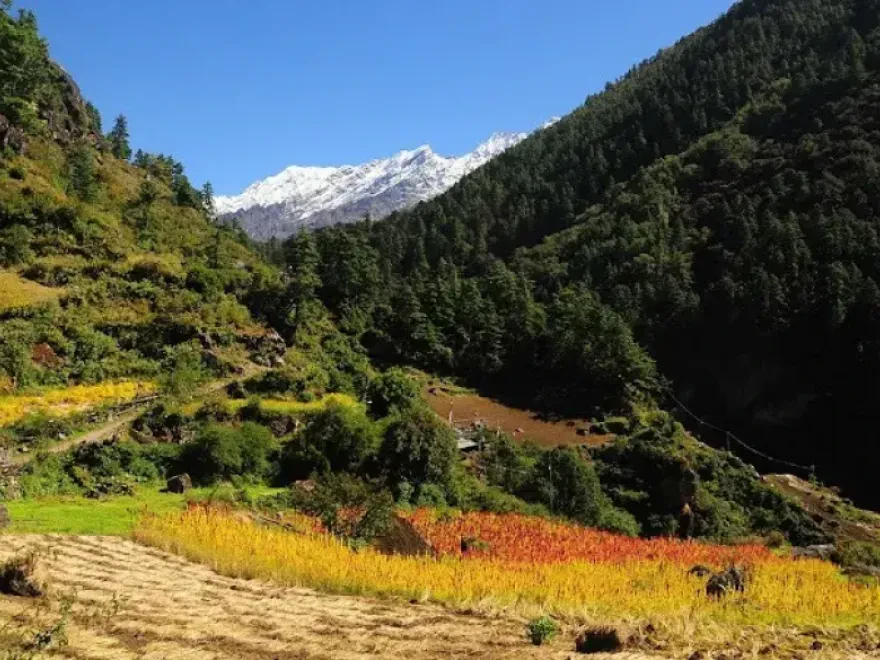
Tsum Valley Trekking, organized by Nepal Planet Treks & Expedition, is one of Nepal’s most enchanting and less-explored trekking destinations. Situated in the northern Gorkha region near the Manaslu Conservation Area, this hidden valley is often called a “Shangri-La,” thanks to its pristine natural beauty and deeply spiritual atmosphere. The valley was officially opened for trekking in 2008, and since then, it has remained relatively untouched by mainstream tourism. The trek offers a unique opportunity to experience ancient Tibetan Buddhist culture, centuries-old monasteries, and traditional villages that have preserved their way of life for generations.
The trek begins from Soti Khola, a small village reachable from Kathmandu by road. From there, trekkers gradually ascend through lush forests, rivers, and terraced fields, passing villages like Jagat, Lokpa, Chhokangparo, and Mu Gompa. The highest point of the trek is Mu Gompa at 3,360 meters, the largest monastery in the valley, which serves as a spiritual and cultural hub. Tsum Valley is home to the Tsumbas, direct descendants of Tibetan people, who still practice traditional rituals and follow Buddhist teachings. Along the trek, travelers experience the valley’s rich biodiversity, including rhododendron forests, alpine flora, and a chance to spot Himalayan wildlife such as red pandas and langurs.
The best seasons for Tsum Valley Trekking are autumn (September to November), spring (March to May), and winter (December to February). During these months, the weather is generally stable, with clear skies and moderate temperatures, making the trekking experience safe and enjoyable. Autumn is particularly popular because the skies are clear, offering stunning panoramic views of the Himalayas. Spring, on the other hand, transforms the valley into a riot of colors as rhododendrons, primulas, and other alpine flowers bloom. Even in winter, while temperatures drop, the trails remain accessible, and the snow-capped peaks create breathtaking scenery for avid photographers and adventure enthusiasts.
The monsoon season (June to August) is not recommended due to heavy rainfall, which causes landslides, slippery trails, and limited visibility. Trekking during the monsoon can be risky and may require additional logistics for safety. For those planning a winter trek, it’s essential to pack adequate warm clothing, as temperatures can drop below freezing, especially at higher altitudes like Mu Gompa and Chhokangparo.
Key points about seasons:
Tsum Valley Trekking is considered a moderate-level trek, suitable for trekkers with basic hiking experience and a reasonable fitness level. Daily walks typically range from 4 to 6 hours, gradually ascending from 1,000 meters in Soti Khola to 3,360 meters at Mu Gompa. The trails are well-marked but involve river crossings, stone paths, and occasional steep climbs. The trek is accessible for most people who maintain regular fitness, though high-altitude acclimatization is essential to avoid altitude sickness at higher points like Mu Gompa.
Transportation to the Tsum Valley trek starts with a drive from Kathmandu to Soti Khola via Arughat Bazaar. This journey usually takes around 7–8 hours along scenic hilly roads. Some travelers may also take local buses or hire private jeeps for more comfort. During the trek, walking is the primary mode of transportation, allowing trekkers to immerse themselves in the natural and cultural landscapes of the valley. Hiring a local guide or porter through Nepal Planet Treks & Expedition is highly recommended for navigation, safety, and a deeper cultural experience.
Difficulty and transportation highlights:
During the Tsum Valley Trek, accommodation is basic but comfortable, primarily in lodges and homestays, reflecting the authentic rural lifestyle of the valley. Homestays offer a rare opportunity to live with local families, participate in their daily routines, and enjoy traditional hospitality. Lodges provide simple rooms with beds and shared bathrooms. In some remote sections, especially at higher altitudes, facilities are more rustic, but cleanliness and warmth are always prioritized. Camping is an alternative option for trekkers seeking a more adventurous experience, though it is less common.
Food in the Tsum Valley is a highlight of the cultural experience. Local meals include Dal Bhat (rice with lentil soup), Tibetan bread, noodles, and vegetable soups, prepared with fresh ingredients grown in the villages. Some lodges also serve simple Western-style meals such as pasta or omelets. Staying in homestays allows trekkers to enjoy homemade dishes, often cooked on traditional wood-fired stoves, providing both warmth and authenticity. Hydration is crucial at high altitudes, and boiled or bottled water is recommended.
Food and accommodation highlights:
To trek in the Tsum Valley, all foreign trekkers must obtain two essential permits: the Manaslu Restricted Area Permit (RAP) and the Trekkers’ Information Management System (TIMS) card. The RAP is mandatory because the valley falls under a restricted area to preserve its unique culture and environment. Nepal Planet Treks & Expedition assists trekkers in obtaining these permits in Kathmandu before departure, ensuring a hassle-free start to the adventure.
The permit system helps regulate tourism in the valley, ensuring minimal environmental impact and preserving the traditional lifestyle of the Tsumbas people. Trekkers should carry copies of their permits, passports, and travel insurance at all times during the trek. The cost of permits varies depending on nationality, the number of trekking days, and the season. Guides provided by Nepal Planet Treks & Expedition are well-versed in these regulations and ensure that trekkers comply fully with all requirements.
Permit highlights:
Tsum Valley Trekking offers an unmatched combination of natural beauty, cultural heritage, and spiritual immersion, making it one of the most rewarding treks in Nepal. Unlike popular trekking destinations, the valley remains less crowded, providing a serene and peaceful environment. Travelers get the chance to witness centuries-old monasteries, sacred caves, and chortens while interacting with locals who maintain traditional Tibetan customs. The trek also provides flexibility to continue into the Manaslu or Annapurna regions, making it ideal for those seeking extended adventures in Nepal.
Choosing Nepal Planet Treks & Expedition ensures a seamless and memorable trekking experience. The company specializes in personalized trekking packages, expert guides, and reliable logistics, catering to individual needs and fitness levels. With a focus on safety, cultural sensitivity, and authentic experiences, Nepal Planet Treks & Expedition enhances the Tsum Valley journey by combining adventure with cultural exploration. Whether it’s navigating the remote trails, arranging homestays, or providing insights into Buddhist traditions, the company ensures that every trekker enjoys a fully immersive Himalayan adventure.
Why choose Tsum Valley Trekking with Nepal Planet Treks & Expedition:
Upon arrival at Tribhuvan International Airport in Kathmandu, you will be warmly welcomed by a representative from Nepal Planet Treks & Expedition and escorted to your hotel. After check-in, you can relax, refresh, and recover from your flight while enjoying the scenic views of the city from your hotel. In the evening, we organize a welcome dinner at a traditional Nepalese cultural restaurant, where you will experience local delicacies and cultural performances, helping you get a first taste of Nepal’s rich heritage. Overnight stay in Kathmandu.
After breakfast, we begin our journey by road from Kathmandu, traveling through picturesque Nepalese countryside with views of terraced hills, rivers, and distant mountains. The route passes through Dhading Beshi, Aarughat, and Salyan, offering a glimpse of rural life and local markets. After several hours, we reach Seti Khola before continuing to Shoti Khola. The drive may be on either a private jeep or local bus depending on your preference and budget. Upon arrival in Shoti Khola, you can relax and enjoy the serene riverside atmosphere. Overnight in Shoti Khola.
Today, we start our trek along the Budhi Gandaki River, gradually ascending through lush forests and small villages. We walk at a gentle pace, passing through Riden Gaon and the scenic ravines before descending to the river at Lambesi. The trail offers beautiful views of terraced fields and traditional settlements along the riverbanks. After approximately six hours of trekking, we reach Machha Khola, where our camp is set for the night. Dinner will be a warm local meal, and you can relax listening to the soothing sounds of the river. Overnight at Machha Khola.
Our trek today follows the Thado Khola, crossing pebbly ravines and dense forests to reach Khorlabesi. Along the way, you may catch glimpses of early spring blooms and terraced fields from Tatopani. The trail gradually climbs before crossing the Budhi Gandaki River via a suspension bridge and arriving at Dobhan. The surroundings slowly transform as we ascend, revealing the rugged beauty of the valley. Finally, we reach Jagat, a small settlement with a local police checkpoint. Here, we stay overnight, resting for the next day’s higher elevation trekking.
After a hearty breakfast, we continue trekking uphill, crossing the Budhi Gandaki River via a suspension bridge before entering the vibrant village of Philim, inhabited predominantly by the Gurung people. The village is dotted with traditional houses and offers a glimpse into local life. Along the way, we stop at Ekli Bhatti, famous for its delicious local meal of dal-bhat and chapati. After enjoying lunch, we continue to Lokpa, the first village within the Tsum Valley, where you will experience authentic homestay hospitality and taste local cuisine. Overnight at Lokpa.
Today is a moderately challenging day as we ascend through lush forests and terraced fields to reach Chumling. Along the way, we pass several Gompas (monasteries) and small shrines, offering insight into Tibetan Buddhist culture. The trek provides spectacular views of the surrounding mountains, often referred to as the Shangri-La Himalayas. Upon arrival in Chumling, we enjoy a traditional meal and the local specialty, yak tea. The village is peaceful and remote, providing a perfect opportunity to immerse yourself in the spiritual ambiance of the Tsum Valley. Overnight in Chumling.
Today, we trek through serene landscapes, crossing alpine meadows and small streams, before reaching the twin villages of Paro and Chhokangparo. The trail, though moderately steep, rewards trekkers with stunning views of snow-capped peaks and lush valleys. Chhokangparo is renowned for its Tibetan Buddhist heritage, with several monasteries and prayer flags adding spiritual charm to the surroundings. After a long but rewarding day, we settle into our homestay, enjoying traditional meals and the tranquility of the village. Overnight at Chhokangparo, with magnificent Himalayan vistas.
The trek continues to Mu Gompa, the highest settlement in the Tsum Valley. The trail follows the Shiar Khola, passing remote hamlets and yak grazing areas. Mu Gompa is famous for its ancient monastery and serene location, which has no modern village infrastructure. This area is a key hub for trade between Nepal and Tibet, where yaks are used for transporting goods. Here, you can enjoy yak cheese, traditional yak milk tea, and witness local daily life. Overnight at Mu Gompa, surrounded by pristine nature and high Himalayan peaks.
Today is a rest day, allowing you to acclimatize and explore the surroundings. You can take an excursion around Mu Gompa, visit the small lake nearby, or explore the nunnery. Pack lunch for the day as there are no tea houses along the way. The area offers panoramic views of the snow-covered Himalayan peaks and is perfect for photography and meditation. In the evening, return to Mu Gompa for a peaceful overnight stay, enjoying warm local meals and the serene high-altitude environment.
Today’s trek involves a gradual descent from Mu Gompa to Rachen Gompa. Along the way, the trail offers spectacular views of the surrounding Himalayas, including unique snow-capped formations. You may also notice small, isolated settlements and grazing yaks. The route retraces parts of the ascent, allowing a deeper appreciation of the Tsum Valley’s landscapes. Upon arrival at Rachen Gompa, we settle into our accommodation, enjoy a wholesome local meal, and rest while surrounded by the quiet and spiritual atmosphere of this sacred region.
We trek from Rachen Gompa to Gumba Lungdang, ascending gently through alpine meadows and pine forests. The trail offers breathtaking views of Manaslu, Ganesh Himal, and even glimpses of the Langtang range. Gumba Lungdang is home to a large monastery housing only female monks, and men are restricted from entering. Here, you can witness traditional Buddhist rituals and experience the peaceful spiritual life of the nuns. The sunrise from this village is particularly spectacular, illuminating the surrounding peaks. Overnight stay in Gumba Lungdang.
Today, we descend from Gumba Lungdang to Ripchet Village, enjoying close-up views of the Ganesh Himal range. Ripchet is a quiet, laid-back village with charming tea houses and homestays. You can sample homemade local wine, called tumba, and interact with the friendly villagers. The trail passes through forests, rivers, and terraced fields, providing ample opportunities for photography and relaxation. The village’s peaceful ambiance makes it an ideal place to experience traditional Himalayan rural life. Overnight at a local tea house in Ripchet.
After breakfast, we continue trekking downhill through lush pine forests and terraced fields, passing small streams and local settlements. Along the way, you may spot Himalayan deer and various bird species inhabiting the forest. We re-enter Philim village before continuing to Lokpa, where local homestays offer comfortable accommodation and traditional meals. The serene environment and scenic surroundings make for a relaxing trekking day. Overnight stay at Philim or Lokpa, with the chance to enjoy local wine and interact with the welcoming villagers.
Today is a long descent through cultivated farmland and along the banks of the Budhi Gandaki River. The trail passes through forests and small villages, offering glimpses of traditional rural life. Along the way, you can relax in the natural hot springs, rejuvenating your body after several days of trekking. Khorlabeshi is a charming village with friendly locals and scenic river views. In the evening, enjoy a traditional dinner and a comfortable stay at a local homestay, surrounded by peaceful surroundings and the sounds of the river.
The trek today continues downhill to Soti Khola, passing waterfalls, rivers, and terraced fields. The trail offers a refreshing change in climate as you descend to lower elevations. You can enjoy the pristine natural beauty, with opportunities to photograph rivers, forests, and rural settlements. This section of the trek is relatively easy and scenic, providing a relaxing conclusion to the challenging Tsum Valley trek. Overnight in Soti Khola, staying at a local homestay or tea house with simple but comforting meals.
After breakfast, we drive from Soti Khola to Arughat Bazaar, enjoying the scenic road journey through rivers, forests, and small villages. From Arughat, we continue our drive back to Kathmandu, reaching the city in the evening. This marks the completion of the Tsum Valley trekking circuit. Once in Kathmandu, you can relax at your hotel, enjoy dinner, and reflect on your adventure. Overnight stay in Kathmandu, with time to explore the city or rest before departure.
Today marks the end of your memorable Tsum Valley trek with Nepal Planet Treks & Expedition. After breakfast, our representative will escort you to Tribhuvan International Airport for your flight home, presenting heartfelt farewell greetings. You leave with unforgettable memories of the remote Himalayan landscapes, rich Buddhist culture, and the warm hospitality of the Tsum Valley communities.
The Tsum Valley Trek is considered moderately strenuous. The trail involves long walking hours, gradual ascents, and some steep sections, with elevations ranging from 1,000m to over 3,300m. While the pace is generally slow and manageable, trekkers should have a good level of fitness and prior experience with multi-day hikes. Nepal Planet Treks & Expedition recommends regular cardio exercises, stair climbing, and hiking practice before the trek. Altitude acclimatization days are included to minimize the risk of altitude sickness.
Preparation for high-altitude trekking includes physical training, acclimatization, and proper gear. Cardiovascular exercises, hiking, and strength training are highly recommended before the trek. Proper clothing for layering, waterproof gear, sturdy trekking boots, and sleeping bags are essential. Trekking slowly, staying hydrated, and paying attention to any symptoms of altitude sickness are crucial. Nepal Planet Treks & Expedition includes rest and acclimatization days in the itinerary to help trekkers adapt safely to elevations above 3,000 meters.
The Tsum Valley Trek is moderately strenuous and involves long walking hours, steep sections, and high altitudes. While the trek can be done by physically fit older adults, it is generally not recommended for very young children or individuals with serious health conditions. Children above 12 with prior trekking experience may manage, but a slower pace and extra care are necessary. Nepal Planet Treks & Expedition can adjust itineraries, provide additional support, and offer porters to make the trek safer and more comfortable for participants of varying ages.
Yes, Tsum Valley is a restricted area, and trekkers require a special Tsum Valley Restricted Area Permit in addition to the Manaslu Conservation Area Permit (MCAP). Nepal Planet Treks & Expedition will arrange all necessary permits before your trek. These permits help regulate tourism, preserve the valley’s fragile ecosystem, and support local communities. Trekkers must carry identification, and permits must be presented at checkpoints along the route. It’s illegal to enter the valley without these documents.
The best time to trek in the Tsum Valley is during the pre-monsoon (March to May) and post-monsoon (September to November) seasons. During these months, the weather is generally stable, skies are clear, and mountain views are spectacular. Spring offers blooming rhododendrons and vibrant flora, while autumn provides crisp air and colorful landscapes. Winter is cold, with occasional snowfall in higher villages, and the monsoon season (June to August) brings heavy rains and slippery trails, which can make trekking risky.
Accommodation in the Tsum Valley is primarily in local homestays and tea houses, which provide simple, clean rooms and basic facilities. You may share rooms with other trekkers, and hot showers are limited, especially in higher-altitude villages. Meals are traditional Nepalese or Tibetan dishes, including dal-bhat, noodles, soups, and yak cheese products. Nepal Planet Treks & Expedition carefully selects reliable and hygienic places to stay while maintaining cultural authenticity and supporting local communities.
During the Tsum Valley Trek, meals are primarily local Nepalese and Tibetan cuisine, including dal-bhat (lentil soup with rice), noodles, momos (dumplings), tsampa, and yak cheese products. Breakfasts usually include porridge, bread, eggs, and tea. Lunches and dinners offer a variety of vegetarian and non-vegetarian dishes, depending on availability. Nepal Planet Treks & Expedition ensures hygienic meal preparation and provides options for trekkers with dietary restrictions if informed in advance. Hot beverages like tea and coffee are available at most tea houses.
Yes, hiring an experienced guide and porter is highly recommended for the Tsum Valley Trek. The route passes remote villages, forests, and river crossings where local knowledge is essential. A guide ensures safety, handles permits, and provides cultural and environmental insights. Porters can carry luggage, allowing trekkers to walk comfortably. Nepal Planet Treks & Expedition provides trained guides and porters who are familiar with the region, speak English, and are committed to responsible and safe trekking practices.
Connectivity in Tsum Valley is limited and intermittent. Mobile network coverage is available only in some villages like Philim and Chhokangparo, and even then, it can be weak. Internet access is rare in remote villages, though some teahouses may offer limited Wi-Fi. This makes the trek an ideal opportunity to disconnect and enjoy the natural surroundings. Nepal Planet Treks & Expedition advises trekkers to inform family members about limited communication and carry offline maps and essential travel apps.
Packing for Tsum Valley requires preparation for variable weather. Essential items include layered clothing, waterproof jackets, thermal wear, trekking boots, a sleeping bag, gloves, hat, sunglasses, and sunscreen. A daypack with water, snacks, and personal items is recommended. Trekking poles can be useful for balance on uneven terrain. Nepal Planet Treks & Expedition provides a detailed packing list before the trek to ensure trekkers are well-prepared for all conditions, from warm valleys to cold high-altitude settlements.