Join our fixed departure treks.

Nepal Planet Treks & Expedition

Peak Climbing In Nepal

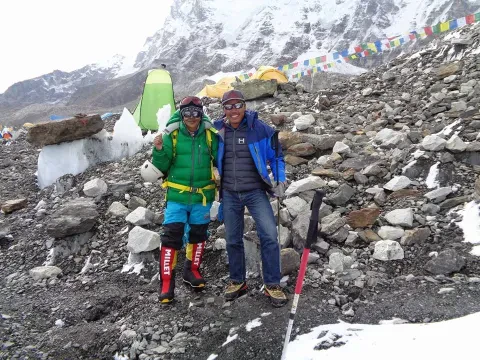
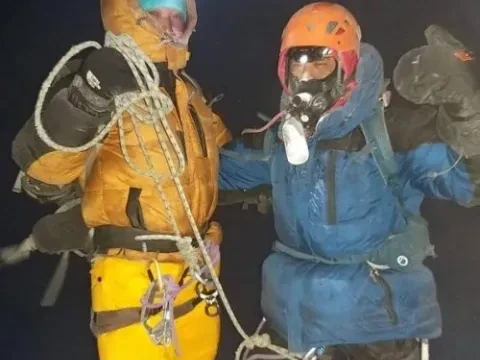
Please welcome to join the adventure sport climbing peak in Nepal with our Company and we will provide all of the personal and group climbing gear, includes the climbing boots to make your trip to the Himalayas is a hassle free and reasonable The Himalayas Mountain has always been the Focused of the wonderful achievement in the world of mountain climbing with there identified 1310peaks above 6ooo meters, Ones quarters of them are officially opened for mountaineering activities, which offer the great opportunity of adventure peak climbing in Nepal. The Himalayan Mountain standers there are smaller mountain knows as trekking peaks which any fit and keen trekkers can climb. Climbing these trekking peak in Nepal is the next step beyond simply trekking, however it includes basic mountaineering above the snow line, using ice axes, climbing boots with crampons, ropes etc.under the supervision and instruction from your professional climbing guides who have considerable mountaineering expertise and experience including multiple ascents of the Mountain Everest and Annapurna
Showing 8 trips
Island Peak Climbing
Island Peak Climbing 18 days

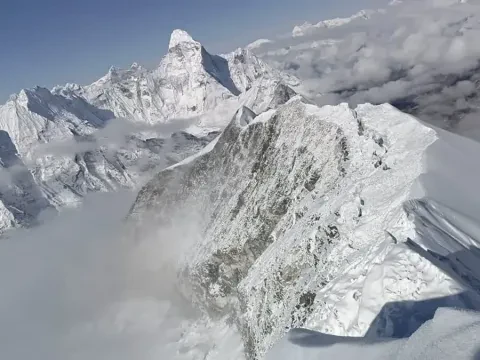
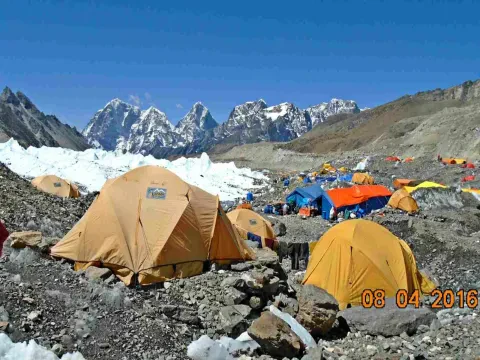
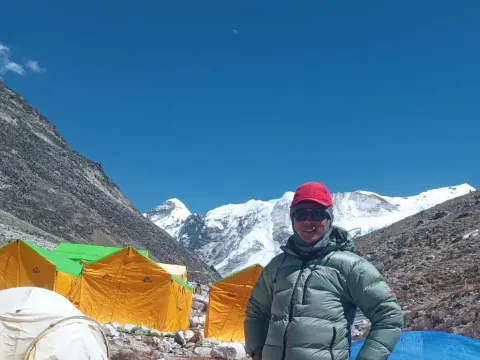
Island Peak Climbing, also known as Imja Tse (6,189m), is one of the most iconic and rewarding trekking peak adventures in Nepal’s Everest region. Operated professionally by Nepal Planet Treks & Expedition, this climb combines the legendary Everest Base Camp trek with an exciting introduction to Himalayan mountaineering. The journey begins with cultural immersion in Sherpa villages, scenic alpine trails, and gradual altitude gain that allows proper acclimatisation before the summit push. Standing between the towering giants of Lhotse, Ama Dablam, and Nuptse, Island Peak offers climbers a true sense of achievement without requiring advanced technical expertise.The ascent involves glacier travel, ladder crossings over crevasses, and a thrilling, steep snow and ice headwall near the summit. With expert Sherpa guides, fixed ropes, and safety-focused logistics, climbers can confidently experience their first 6,000-meter Himalayan peak. Reaching the summit rewards you with breathtaking panoramic views of Mount Everest, Lhotse, Makalu, Baruntse, and the Khumbu Glacier—a moment that defines a lifetime of adventure.Nepal Planet Treks & Expedition ensures a well-paced itinerary, quality equipment support, and personalised service throughout the expedition, making Island Peak an ideal choice for both first-time climbers and experienced trekkers seeking a stepping stone toward higher peaks.First Himalayan summit experienceEverest Base Camp acclimatisation routeGlacier travel and rope climbingSpectacular Himalayan panoramasExpert Sherpa guidanceBest Season for Island Peak ClimbingChoosing the right season is crucial for a successful Island Peak Climbing experience. The best seasons are Spring (March–May) and Autumn (September–November), when weather conditions are stable, skies are clear, and temperatures are suitable for high-altitude climbing. Nepal Planet Treks & Expedition schedules most expeditions during these periods to ensure safety, comfort, and summit success.Spring is particularly popular due to warmer temperatures at higher elevations and blooming rhododendron forests along the trekking routes. Snow conditions on the summit headwall are generally stable, making climbing more manageable. This season also coincides with major Everest expeditions, creating a lively mountaineering atmosphere in the Khumbu region.Autumn, on the other hand, offers crystal-clear mountain views following the monsoon rains. Trails are dry, weather is predictable, and visibility is at its best. Although slightly colder than spring, autumn provides excellent climbing conditions with fewer chances of snowfall interruptions.Winter climbs are possible but extremely cold, while the monsoon season is generally avoided due to poor visibility and higher risks.Best Seasons at a GlanceSpring: Warm, stable snow, vibrant landscapesAutumn: Clear skies, excellent visibilityWinter: Cold, technical, fewer climbersMonsoon: Not recommendedIsland Peak Climbing Difficulty and TransportationIsland Peak Climbing is classified as a moderately difficult trekking peak, suitable for physically fit individuals with basic mountaineering knowledge. While it does not require advanced climbing techniques, climbers must be comfortable using crampons, ice axes, harnesses, and fixed ropes. The most challenging section is the final summit ridge, which includes a steep ice headwall requiring rope ascent under the guidance of experienced Sherpa climbers from Nepal Planet Treks & Expedition.Altitude is the biggest challenge rather than technical difficulty. Proper acclimatization days in Namche Bazaar and Dingboche, along with a gradual ascent, significantly reduce the risk of altitude sickness. Mental resilience, endurance, and a positive attitude are just as important as physical strength for summit success.Transportation plays a vital role in the expedition. The journey begins with a scenic flight from Kathmandu to Lukla, one of the world’s most adventurous airstrips. From Lukla, the trek proceeds on foot through the Everest region. Nepal Planet Treks & Expedition manages all domestic flights, porter services, and logistics to ensure a smooth experience.Difficulty & Transport OverviewModerate technical difficultyHigh altitude endurance requiredLukla flight and trekking approachFixed ropes and Sherpa supportPrior trekking experience recommendedFood and Accommodation for Island Peak ClimbingDuring the Island Peak Climbing expedition, Nepal Planet Treks & Expedition ensures comfortable accommodation and nutritious meals throughout the trek and climb. Along the trekking route, climbers stay in well-maintained tea houses and lodges, offering warm rooms, shared dining areas, and basic amenities. These lodges provide a cozy environment to rest and recover after long trekking days.At Island Peak Base Camp and High Camp, accommodation shifts to fully supported camping. High-quality tents, sleeping mats, and insulated dining tents are provided to protect climbers from harsh alpine conditions. Hot drinks and freshly prepared meals help maintain energy levels during the most demanding part of the expedition.Food is carefully planned to support high-altitude performance. Meals include a mix of Nepali, Tibetan, and Western dishes, focusing on carbohydrates, proteins, and hydration. Special dietary requirements can be accommodated with advance notice.Food & Accommodation HighlightsComfortable tea houses during the trekFully supported camping at base and high campHygienic, energy-rich mealsHot drinks at high altitudeDietary needs accommodatedIsland Peak Climbing PermitsClimbing Island Peak requires several official permits, all of which are arranged by Nepal Planet Treks & Expedition to ensure a hassle-free experience. The most important is the Island Peak Climbing Permit, issued by the Nepal Mountaineering Association (NMA). This permit confirms legal access to the peak and supports mountain conservation.In addition, climbers must obtain a Sagarmatha National Park Entry Permit and a Khumbu Pasang Lhamu Rural Municipality Permit. These permits contribute to trail maintenance, environmental protection, and local community development in the Everest region.By handling all paperwork, Nepal Planet Treks & Expedition allows climbers to focus entirely on preparation and enjoyment. Transparent costs and timely permit processing ensure compliance with Nepalese regulations.Required PermitsIsland Peak Climbing Permit (NMA)Sagarmatha National Park PermitKhumbu Local Area PermitTIMS (if applicable)Why Choose Island Peak Climbing with Nepal Planet Treks & ExpeditionChoosing Nepal Planet Treks & Expedition for Island Peak Climbing means choosing safety, expertise, and personalised service. With experienced, government-licensed guides and highly trained Sherpa climbers, the company prioritises client well-being and summit success. Small group sizes allow for individual attention and flexible pacing, which is essential at high altitude.Nepal Planet Treks & Expedition is deeply committed to responsible tourism, environmental sustainability, and local community support. From fair porter treatment to eco-friendly practices, every expedition is conducted with respect for nature and culture. Their well-designed itineraries ensure proper acclimatisation, reducing risks and increasing success rates.Whether you are attempting your first Himalayan peak or expanding your mountaineering experience, Island Peak Climbing with Nepal Planet Treks & Expedition promises professionalism, unforgettable scenery, and a life-changing adventure.Why Travel With UsExpert Sherpa guidesHigh safety standardsCustomized itinerariesEthical and responsible tourismProven summit success rateWhat to BringHere’s what to pack for a successful Island Peak climb:Climbing Gear: Ice axe, crampons, harness, helmet (can be rented in Kathmandu)Clothing: Waterproof jacket, trekking pants, thermal wear, gloves, and base layersFootwear: High-quality trekking boots and climbing boots (for summit day)Safety gear: First-aid kit, trekking poles, headlampPersonal items: Water bottles, snacks, sun protection, power bankWhat Makes Island Peak Special?Accessible, Yet Challenging: Island Peak provides a perfect blend of adventure without requiring previous advanced mountaineering experience.Breathtaking Views: The climb offers unparalleled views of Mount Everest, Lhotse, Makalu, and the Khumbu Icefall you won’t find scenery like this anywhere else in the world.Cultural Experience: Climbing Island Peak isn’t just about the mountain; it’s about the people. The trek takes you through Sherpa villages, where you’ll witness unique cultures, monasteries, and local traditions.Climbing Island Peak is a dream for many adventurers, offering a perfect blend of technical challenge, stunning views, and a cultural experience in Nepal’s Everest region. Whether you’re looking to step up from trekking to your first peak or just looking for a Himalayan adventure that’s just right, Island Peak will leave you with memories for a lifetime.FAQs1. Do I need previous climbing experience?While basic mountaineering skills (like using ice axes and crampons) are helpful, you don’t need prior climbing experience. For first-timers, we recommend taking a short climbing course before the trek.2. How high is Island Peak?Island Peak stands at 6,189 meters (20,305 feet), making it one of the highest trekking peaks in Nepal.3. What is the success rate of summiting Island Peak?With proper acclimatisation, good physical preparation, and solid weather conditions, the success rate is high. However, altitude sickness or weather conditions can sometimes impact climbs.4. Do I need a guide and porter?It’s highly recommended to trek with a licensed guide. While the trail is well-marked, the added knowledge of a guide can improve safety, particularly on the summit day. Porters are also available for carrying personal gear.5. Is Island Peak safe to climb?Yes, it’s safe to climb, especially with a professional guide and good preparation. Your team will also be equipped with first aid kits, oxygen tanks, and weather forecasts to ensure safety during the climb.6. How much does Island Peak climbing cost?The total cost generally ranges between USD $2,000–$3,000, including permits, guide, porters, accommodation, and food. Prices vary based on package inclusions.

5.0
(3 reviews)
From US$ 2,250
US$ 2,140
Save US$ 110
Explore
Mera Peak Climbing
Mera Peak Climbing 17 days

Mera Peak Climbing is one of the most rewarding high-altitude adventures in Nepal, perfectly suited for trekkers who dream of stepping into the world of mountaineering. Standing at 6,476 meters, Mera Peak is classified as a trekking peak, yet it delivers an authentic Himalayan climbing experience. Located in the remote Hinku Valley of the Khumbu region, the journey offers pristine trails, dramatic landscapes, and fewer crowds compared to other Everest-region routes.The adventure begins with a scenic flight from Kathmandu to Lukla, followed by a gradual trek through lush forests, alpine meadows, glacial valleys, and traditional Sherpa villages. Proper acclimatization days are built into the itinerary to ensure safety and success. The final summit push involves glacier travel and snow slopes, where climbers use crampons, ice axes, and ropes under expert guidance.From the summit, climbers are rewarded with one of the finest panoramic views in Nepal, including Everest, Lhotse, Makalu, Cho Oyu, and Kanchenjunga. With Nepal Planet Treks & Expedition, every aspect—from logistics to safety—is professionally handled, allowing climbers to focus on the experience.6,476 m non-technical trekking peakSpectacular Himalayan panoramaIdeal for first-time climbersExpert guides and full supportBest Season for Mera Peak ClimbingChoosing the right season is crucial for a successful and enjoyable Mera Peak expedition. The spring season (March to May) is considered the best time, offering stable weather, warmer temperatures, and excellent visibility. During this period, climbers enjoy longer daylight hours and safer climbing conditions, especially on the glacier and summit ridge.The autumn season (September to November) is another highly recommended time. Post-monsoon weather brings clear skies, crisp air, and stunning mountain views. Trails are dry, and the risk of heavy snowfall is lower, making trekking and climbing more comfortable. Autumn also coincides with Nepal’s major festivals, adding cultural richness to the journey.Winter climbs are possible but challenging due to extreme cold, while the monsoon season is not recommended due to poor visibility and slippery trails. Nepal Planet Treks & Expedition carefully plans departures during optimal seasons to maximize safety and summit success.Best Seasons:Spring: March–MayAutumn: September–NovemberClear skies and stable weatherHigher success rateMera Peak Climbing Difficulty and TransportationMera Peak is considered moderately difficult, making it suitable for trekkers with good physical fitness and some high-altitude experience. While the climb does not require advanced technical skills, it involves long trekking days, altitude gain, and basic mountaineering techniques. Proper acclimatization and mental endurance play a key role in reaching the summit.The summit day is physically demanding, with early morning starts and several hours of climbing on snow and ice. Under the guidance of experienced Sherpa climbing guides from Nepal Planet Treks & Expedition, climbers receive pre-climb training on using equipment such as crampons, harnesses, and ice axes.Transportation includes a scenic domestic flight from Kathmandu to Lukla, one of the world’s most adventurous airstrips. All ground logistics, porters, and gear transport are efficiently managed by the company to ensure a smooth journey.Difficulty & Transport:Moderate climbing difficultyNo advanced technical skills requiredFlight: Kathmandu–LuklaFull logistical supportFood and Accommodation for Mera Peak ClimbingAccommodation during the trek primarily consists of comfortable teahouses and lodges, offering basic but cozy facilities. Rooms are typically twin-sharing, with warm blankets and communal dining areas. At higher altitudes, especially at base camp, climbers stay in well-equipped tents arranged by Nepal Planet Treks & Expedition.Meals are freshly prepared and designed to provide high energy for trekking and climbing. The menu includes a mix of Nepali, Asian, and Western dishes such as dal bhat, noodles, pasta, rice, soups, eggs, and seasonal vegetables. Clean drinking water options and hot beverages are available throughout the trek.Special attention is given to hygiene, nutrition, and food safety, especially at higher elevations. Dietary requirements can be accommodated with prior notice.Food & Lodging:Teahouse lodges during trekTented camps at base campNutritious, freshly cooked mealsHygienic and well-managedMera Peak Climbing PermitsClimbing Mera Peak requires several official permits, all of which are arranged by Nepal Planet Treks & Expedition to ensure a hassle-free experience. These permits are mandatory and help support conservation efforts and local communities.The main permits include the Mera Peak Climbing Permit, Makalu Barun National Park Permit, and the Khumbu Pasang Lhamu Rural Municipality Permit. Proper documentation is essential, and having a licensed trekking agency simplifies the entire process.By handling permits in advance, the company allows climbers to focus fully on preparation and the adventure itself.Required Permits:Mera Peak Climbing PermitMakalu Barun National Park PermitLocal Area PermitFully arranged by the companyWhy Choose Mera Peak Climbing with Nepal Planet Treks & ExpeditionNepal Planet Treks & Expedition is a trusted and experienced trekking company dedicated to delivering safe, well-organized, and memorable Himalayan adventures. With a team of licensed guides, skilled Sherpas, and professional support staff, the company prioritizes client safety and satisfaction above all.Their Mera Peak Climbing packages are thoughtfully designed with proper acclimatization, flexible itineraries, and contingency days for weather. From airport pickups to summit celebrations, every detail is carefully managed. The company also follows responsible tourism practices, supporting local communities and preserving the natural environment.Choosing Nepal Planet Treks & Expedition means choosing reliability, expertise, and a genuine Himalayan experience.Why Travel With Us:Experienced climbing guidesHigh safety and success ratePersonalized serviceEthical and responsible trekking

5.0
(2 reviews)
Explore
Pisang Peak Climbing
Pisang Peak Climbing 21 days

Pisang Peak, at an impressive altitude of 6,091 meters (19,984 feet), is one of the most sought-after trekking peaks in Nepal’s Annapurna region. It lies within the Manang Himal range and is named after the nearby Pisang village, which serves as the gateway for climbers. The peak is an excellent choice for adventurers seeking a blend of trekking and mountaineering, as the ascent involves technical climbing, snow and ice slopes, and glacier navigation. Unlike the extremely crowded peaks in the region, Pisang Peak offers a more secluded and serene climbing experience, allowing mountaineers to enjoy the grandeur of the Himalayas in relative solitude.The journey to Pisang Peak is equally rewarding, passing through traditional Nepalese villages, terraced fields, and high-altitude landscapes. Climbers begin from Pisang village and trek through Upper Pisang, eventually reaching the Pisang Peak Base Camp at 4,380 meters. From there, a high camp at approximately 5,400 meters is established before the summit attempt. The climb requires gradual acclimatization to reduce the risk of altitude sickness, and climbers are treated to panoramic views of Annapurna II, III, IV, Gangapurna, and Tilicho Peak. Along the way, trekkers can experience the local culture, Buddhist monasteries, and unique Tibetan-influenced architecture of the Manang Valley.Elevation: 6,091 meters (19,984 feet)Location: Manang Himal, Annapurna RegionBase Camp: 4,380 metersHigh Camp: 5,400 metersOffers panoramic views of Annapurna II, III, IV, Gangapurna, and Tilicho PeakLess crowded, more secluded climbing experienceBest Season for Pisang Peak ClimbingThe ideal time to climb Pisang Peak is during the pre-monsoon (spring: March–May) and post-monsoon (autumn: September–November) seasons. During these months, the weather is generally stable, skies are clear, and temperatures are manageable for high-altitude climbing. Spring offers blossoming rhododendron forests in the lower regions and spectacular snow-capped mountain views, while autumn provides crisp weather, excellent visibility, and less snowfall on the climbing route.Winter (December–February) is generally not recommended due to extreme cold, heavy snowfall, and increased risk of avalanches. Monsoon season (June–August) should be avoided as the trail can become slippery and dangerous due to rain and landslides, and visibility is often poor. Planning your climb during the recommended seasons ensures safer trekking, comfortable camping, and breathtaking photographic opportunities along the route.Key Points:Best Seasons: Spring (Mar–May), Autumn (Sep–Nov)Avoid Monsoon: June–August (risk of landslides, heavy rain)Winter: December–February (extreme cold, avalanche risk)Benefits: Stable weather, clear skies, panoramic views, safe climbing conditionsPisang Peak Climbing Difficulty and TransportationPisang Peak is classified as a technical trekking peak, suitable for climbers with prior mountaineering experience or those who have completed basic climbing training. The ascent involves steep ice and snow slopes, rock scrambling, and glacier crossing. While the climb is not as extreme as Everest or Mera Peak, it still requires physical fitness, proper acclimatization, and the guidance of experienced mountaineering instructors. The technical sections at the high camp and summit demand familiarity with crampons, ice axes, and ropes.Transportation to the region usually begins from Kathmandu, with a drive to Besisahar, the starting point of the Annapurna Circuit trek. The journey through mountain roads can take 6–7 hours, passing through terraced fields, rivers, and local villages. From there, trekkers follow the trail through Bahundanda, Chamje, Dharapani, Chame, Pisang, and Upper Pisang. A flight from Jomsom to Pokhara can shorten travel after descending from Muktinath.Key Points:Difficulty: Technical, requires climbing skills and fitnessSteep ice slopes, glaciers, rock scramblingRequires acclimatization to prevent altitude sicknessAccess: Kathmandu → Besisahar (drive) → Annapurna Circuit Trail → PisangReturn: Jomsom flight to Pokhara or drive back to KathmanduFood and Accommodation for Pisang Peak ClimbingAlong the trekking route to Pisang Peak, food and accommodation are generally comfortable but basic at higher altitudes. Villages like Bahundanda, Chamje, Dharapani, and Chame offer tea houses providing simple Nepali meals such as dal bhat (lentil rice), noodles, and soups. As the trek progresses, the availability of variety decreases, and climbers rely on packaged foods or pre-arranged meals from expedition operators.Accommodation is primarily in guesthouses or tea houses at lower altitudes. In Base Camp and High Camp, tents are provided by the expedition company, complete with sleeping bags, mats, and a dining area. The team from Nepal Planet Treks & Expedition ensures climbers have nutritious meals, hot drinks, and proper hydration to aid in acclimatization and energy maintenance for the technical climb. High-altitude camps prioritize safety, warmth, and shelter from extreme Himalayan conditions.Key Points:Lower altitude: Tea houses and guesthousesHigh altitude: Tents at Base and High CampMeals: Dal Bhat, noodles, soups, packaged expedition foodsProvided by expedition: Sleeping bags, mats, hot drinks, dining tentsPisang Peak Climbing PermitsClimbing Pisang Peak requires a combination of trekking and mountaineering permits to comply with Nepalese regulations. Trekkers must obtain:Annapurna Conservation Area Permit (ACAP) – Required for entering the Annapurna region.Trekkers’ Information Management System (TIMS) card – Ensures trekkers are registered for safety and tracking.Pisang Peak Climbing Permit – A special permit for trekking peaks issued by the Nepal Ministry of Tourism.Nepal Planet Treks & Expedition assists climbers in obtaining all permits before departure, ensuring a smooth and hassle-free experience. Carrying proper permits is crucial not only for legality but also for safety, rescue eligibility, and respecting local conservation efforts.Key Points:ACAP Permit for Annapurna regionTIMS card for trekking registrationPisang Peak Climbing Permit from Ministry of TourismExpedition company assistance ensures all permits are arrangedWhy Choose Pisang Peak ClimbingPisang Peak climbing offers a unique combination of adventure, culture, and natural beauty. It is perfect for climbers looking for a technical challenge without extreme crowds. The peak allows mountaineers to experience high-altitude climbing, glaciers, and stunning Himalayan panoramas, all while immersing themselves in the Tibetan-influenced culture of the Manang Valley.Choosing Nepal Planet Treks & Expedition ensures professional guidance, experienced mountaineering instructors, and logistical support. From acclimatization planning to high-altitude safety, they handle every detail of the trek, including food, tents, equipment, and permits. Their focus on climber safety, comfort, and cultural experience makes Pisang Peak not only a challenging ascent but a memorable Himalayan adventure.Key Points:Secluded, less crowded peakCombines trekking, culture, and technical climbingExperienced guides and expedition supportProfessional safety, equipment, and permit handlingStunning panoramic views of Annapurna and the surrounding peaks

From US$ 2,665
US$ 2,490
Save US$ 175
Explore
Yala Peak Climbing
Yala Peak Climbing 14 days

Yale Peak is one of the best and least technical climbing destinations in the Langtang Valley of Nepal. It stands at an elevation of 5,550 meters and is located in the central region of the Langtang trekking area in the Nepal Himalayas. Climbing Yale Peak does not require any mountaineering experience; anyone with basic trekking experience can attempt it. The trek from Kyanjin Gompa to Yale Peak and back to Kyanjin Gompa takes just three days.Yala Peak is located just north of Kathmandu, in the beautiful and natural Langtang Valley. It serves as a border between Nepal and Tibet.During the Yala Peak climbing expedition, you will enjoy stunning views of Langtang Valley along with the breathtaking Himalayan scenery. Additionally, you will have the opportunity to glimpse parts of the Tibetan region. Yala Peak is considered one of the easier and more accessible peaks in Langtang National Park, Nepal.Langtang Meaning: The Langtang Valley trek is one of the most popular treks in the Langtang region. It is known for its pristine, high-elevation meadows filled with wild sheep, rich Tibetan-like culture, and stunning mountain views. The name “Langtang” is derived from the Tibetan words “lang,” which means “ox,” and “tang,” meaning “to follow.”Regarding our program, we will provide pick-up and drop-off services at the international airport until the end of our service. This includes accommodation, transportation, trekking permits, meals, guides, porters, a special climbing permit, and additional trips. We can also organize sightseeing and other activities around Kathmandu, tailored to your schedule and preferences throughout Nepal.The package will be tailored to your requirements. Feel free to contact us anytime for more ideas and advice regarding your plans. You can reach us via email, phone, or WhatsApp—whichever is easiest for you. We are always happy to help you with your best adventure climbing in the Himalayas, including Yala Peak, in all parts of Nepal!

Lobuche Peak Climbing
Lobuche Peak Climbing 16 days

Lobuche peak is one of the best popular Climb peaks in the Everest region in Nepal. Lobuche peak expedition offers panoramic Himalayan views of the Everest area with Gokyo Valley. It is gorgeous landscape, Tibetan Sherpa Cultural  & Monasteries Lobuche peak climbing is more challenging trekking peaks’ in Everest region Himalaya in Nepal.Lobuche peak is ( 6119 m) is located in Khumbu region, Lobuche east and Lobuche west were first climbed by Laurence Nielson and  ANG Sherpa on April 251984. Lobuche peak offers various Exstein routes and also a potential for new ones. The peak of Lobuche is reached by descending a marked notch and climbing steep snowy slopes to the top. It has never broken the news of the Khumbu valley and glacier.After landing the Lukla (2850m) then, you are enjoying the  Khumbu valley Sagarmatha national park with beautiful treks during the till Everest base camp, and climbing kalapather and back to Bottom of the Lobuche peak, in the Lubuche Village, which is based to starting to go to Lobuche Base camp for climbing Lobuche peak.Also will be nice for the before climbing do  some treks,hiking and go for the climb top of the Mountian Lubuche peak, if you have  time we have many options for treks before climb, like you  can  go to thame Village, cross the Renjola, climbing Gokyo Ri( 5350m) Cho la pass (5350m) and Everest base camp then climbing to Lubuche peak, it will be more comfortable and more  easy to for climbing, it is one kind of the acclamation for climber  for his body and it is big support too.Welcome and enjoy with us in Nepal climbing and for further more details information, itinerary, knowledge, anything is confusing please u can email, phone or WhatsApp, anytime, whatever easy for you let us, we will  try to do our best  schedule, make the best design regarding your plan and holidays for Nepal  Lubuche peak another much more about peak and trekking tour, all part of Nepal and Tibet with Bhutan.Please welcome join us  for adventure climbing peak for 2020,2021 we are offering the best price and the best discount, for your amazing Holidays i Nepal

Larkya Peak Climb
Larkya Peak Climb 21 days

Larkya Peak is one of the adventure peaks in Nepal on the way to Manaslu round middle west  Ghorkha district from Kathmandu, it has taken time around 18/19 days with treks Manaslu Circuit treks.It is 6249 meters in height and top of the summit from Larkya peak you will enjoy the magnificent views Annapurna range, Ganesh Himal reneges, Lang tang reneges, and Dhamalagiri reneges. Buddha Himal, Manaslu Mountain much more views summit of the Larkya and peak has offered the grouping of the religious heritage, natural, beauty, majestic, cultural variety for much more.Climb to Larkya Peak, there are two different types of a peak with the name of the Larkya which is often peoples are making confusing during the climbing some of the climbers, there are two small peaks, it is called snow larky, 5865m and the bigger one is called Thulo larky peak, it is 6349 meter. It is one of the best options for every climber to summit both peaks in a single expedition. But need be climbers are to make the high camp and climb both peaks, dream of the summit of the Larkya Peak forever your adventure desire in your life.

Island Peak Climbing 2-Night 3-Days
Island Peak Climbing 2-Night 3-Days 3 days

Island Peak, also known as Imja Tse, is a popular climbing destination located in the Everest region of Nepal. It is one of the most accessible and frequently climbed peaks in the area, offering stunning views of the surrounding Himalayan Mountains, including Mount Everest. Climbers are attracted to Island Peak not only because of its relatively moderate difficulty but also for the chance to experience the breathtaking beauty of the landscape. The ascent typically involves a combination of trekking and technical climbing, making it an ideal choice for both novice and experienced mountaineers who want to enhance their skills.Here Is Some Information About Island Peak Climbing:Location: Island Peak is situated in the Khumbu region of eastern Nepal, within the Sagarmatha National Park. It is part of the Himalayas and stands at an elevation of 6,189 meters (20,305 feet).Difficulty: Island Peak is considered a technical trekking peak, requiring some mountaineering skills and experience. While it is not as technically challenging as some of the higher peaks in the region, climbers should have prior trekking experience and be comfortable with basic mountaineering techniques such as using crampons and ropes.Permits: Climbing Island Peak requires obtaining a climbing permit from the Nepal Mountaineering Association (NMA). You will also need to acquire a Sagarmatha National Park entry permit, as the peak lies within the park’s boundaries.Best Time to Climb: The climbing season for Island Peak generally runs from April to May and from September to November. These months offer more stable weather conditions and better climbing conditions. However, it’s essential to check weather forecasts and consult with experienced guides before planning your climb.Itinerary: Typical itineraries for climbing Island Peak usually start from Lukla, a popular starting point for treks in the Everest region. The trekking route passes through scenic Sherpa villages, including Namche Bazaar and Dingboche, before reaching the Island Peak Base Camp. From there, climbers proceed to establish high camps and make their summit push.Guides and Sherpas: It is highly recommended to hire experienced climbing guides or Sherpas for Island Peak expeditions. They can provide valuable guidance, ensure your safety, and assist with technical aspects of the climb.Physical Fitness: Climbing Island Peak requires a good level of physical fitness and stamina. Prior training and preparation, including cardiovascular exercises, hiking, and strength training, are beneficial to increase your chances of a successful summit.Safety Considerations: As with any high-altitude climb, safety is of utmost importance. It is crucial to acclimatize properly, stay hydrated, and be aware of symptoms of altitude sickness. Weather conditions can change rapidly in the mountains, so climbers must be prepared for challenging situations and follow the guidance of their guides.Please note that this information is based on general knowledge about Island Peak climbing up until June 2023. It is always recommended to consult with experienced guides, tour operators, or updated sources for the most accurate and current information before planning a climb.

Chulu West Climbing Peak
Chulu West Climbing Peak 16 days

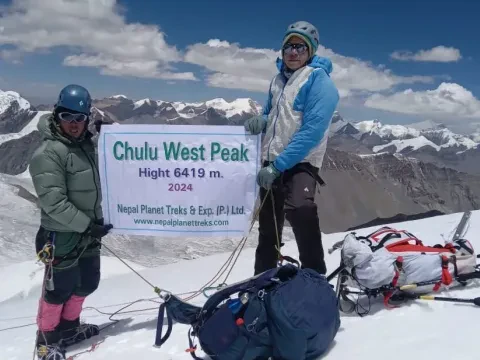
Chulu West Peak (6,419 meters) is one of the most popular trekking peaks in Nepal, located in the Annapurna region. For mountaineers and adventure enthusiasts, climbing Chulu West is a unique opportunity to experience technical climbing in a relatively less crowded part of the Himalayas. While it may not be as famous as Everest or Annapurna, the Chulu West climb offers stunning views, a challenging route, and the chance to summit one of Nepal’s highest trekking peaks.If you’re looking for a challenging yet accessible peak, Chulu West Peak should be on your list. It’s a fantastic introduction to high-altitude mountaineering for those who have some climbing experience and want to push their limits in the heart of the Himalayas.From Ledar, the trail diverts toward the Chulu West Base Camp, where climbers begin their acclimatization and technical training. The ascent involves glacier walking, rope work, and navigating some steep snow and ice sections, requiring basic mountaineering skills. The climb to the summit is both challenging and exhilarating, rewarding climbers with panoramic views of the Annapurna and Dhaulagiri massifs, extending to Tibet.Chulu West is classified as a trekking peak, but its elevation and technical aspects demand proper physical preparation and the support of experienced guides. The best seasons for the climb are spring (March to May) and autumn (September to November), when weather conditions are most stable and visibility is at its peak.Combining cultural exploration with alpine adventure, Chulu West Peak Climbing offers a once-in-a-lifetime opportunity for mountaineers seeking to push their limits and experience the breathtaking beauty of the Himalayas. Whether you are a seasoned climber or an ambitious trekker ready for a new challenge, Chulu West promises an unforgettable Himalayan journey.

5.0
(1 review)
From US$ 3,500
US$ 3,200
Save US$ 300
Explore

Plan your trip with Local Experts!
Discover the most authentic way to explore the world.

Feel free to inquire, and together, we'll design the perfect journey to suit your preferences and desires.

Recommended by
5.0 (237)
4.9 (18)
100% recommend (0)
5.0 Excellent (0)
10,000 followers
Associated with
Plan my Trip Whatsapp Contact Us
We use cookies to enhance your experience on our website. By continuing to browse, you agree to our use of cookies.