Join our fixed departure treks.  4.9 of 528 reviews
 4.8 of 214 reviews
4.9 of 528 reviews 4.8 of 214 reviews 
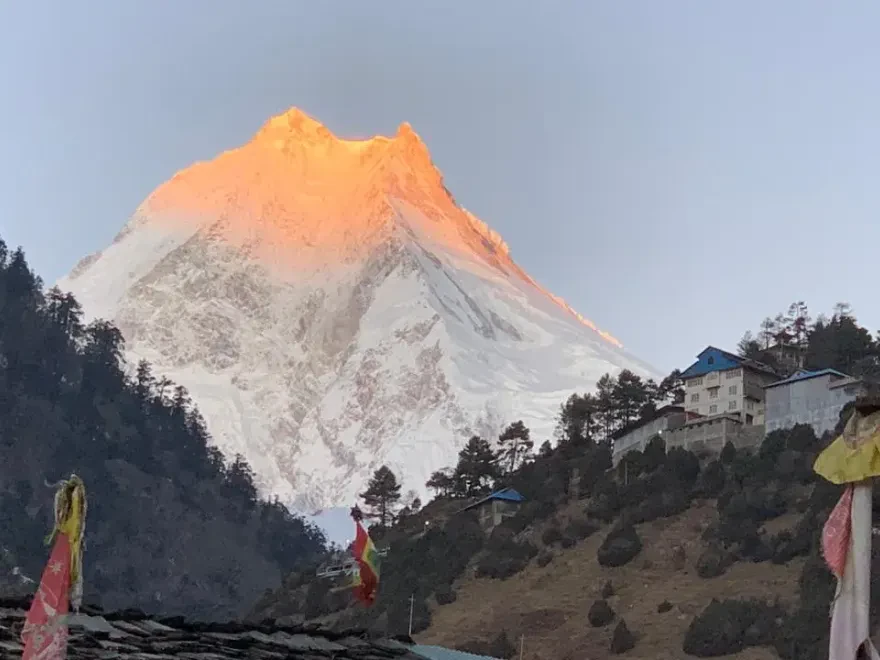
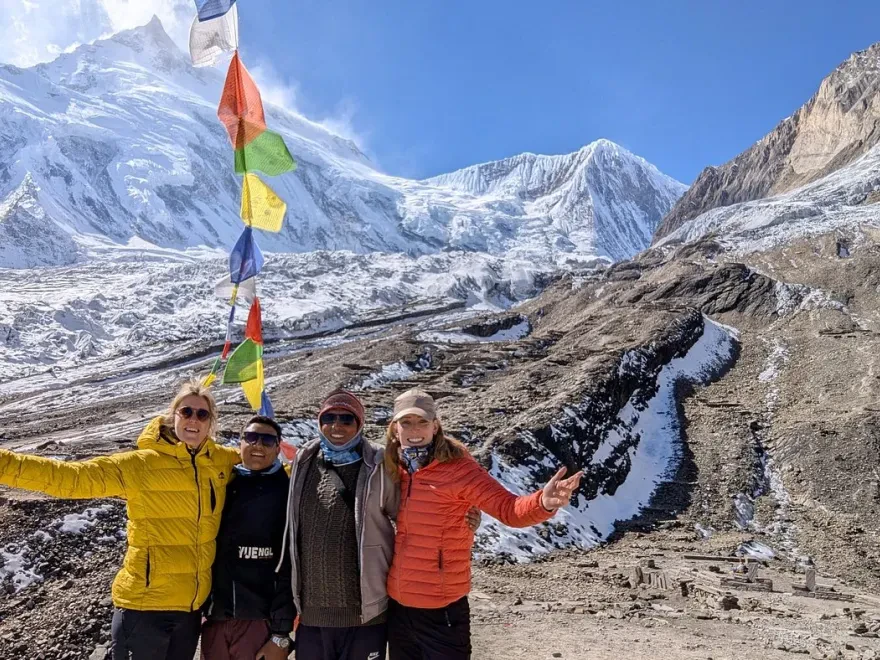
The Manaslu Circuit Trek is one of Nepal’s most spectacular off-the-beaten-path treks, offering trekkers the chance to explore the world’s eighth-highest peak, Mount Manaslu (8,163m). Unlike the more commercialized Everest or Annapurna regions, this trek remains relatively untouched, providing an authentic and serene Himalayan experience. The trek begins with a drive from Kathmandu to Machha Khola, followed by a journey through remote villages, dense forests, and high-altitude landscapes, culminating at the challenging Larkya La Pass (5,160m). Along the way, trekkers witness awe-inspiring views of peaks such as Himlung Himal, Ganesh Himal, Annapurna II, Ngadi Chuli, and Himalchuli, along with deep gorges, suspension bridges, and glacial rivers.
This trek is also culturally enriching. Trekkers pass through villages like Samagaon and Samdo, where Tibetan Buddhist traditions, monasteries, and chortens create a spiritual and tranquil atmosphere. The route passes through the Manaslu Conservation Area, home to rare flora and fauna such as snow leopards, red pandas, and Himalayan thar. The trail itself showcases incredible natural diversity—from lush subtropical forests to alpine landscapes with glaciers. Nepal Planet Treks & Expedition ensures a carefully planned itinerary that balances adventure, culture, and nature, making it accessible for moderately experienced trekkers.
The best time to trek in the Manaslu region is during spring (March–May) and autumn (September–November). Spring offers lush greenery, rhododendron blooms, and comfortable temperatures in lower and mid-altitude regions. This is ideal for nature lovers who wish to see colorful alpine flowers and enjoy clearer views of the surrounding mountains. Autumn, on the other hand, provides dry weather, crisp skies, and spectacular visibility of peaks, making it perfect for photography and high-altitude trekking. Both seasons avoid heavy monsoon rains, ensuring safer trails and more stable conditions across the high passes.
Winter trekking (December–February) is less popular due to snow and extreme cold, particularly around Larkya La Pass, which can make crossing risky. Summer (June–August) is also less recommended because of heavy monsoon rainfall, slippery trails, and potential landslides. Nepal Planet Treks & Expedition tailors the trek based on the season, ensuring optimal safety and comfort for trekkers while still highlighting the natural beauty of the Manaslu Circuit.
Best Season Highlights:
The Manaslu Circuit Trek is rated moderate to hard, primarily due to its length, remote terrain, and the high altitude of Larkya La Pass (5,160m). Trekkers should prepare with regular cardiovascular exercise, endurance training, and acclimatization to reduce the risk of altitude sickness. While the trek involves challenging ascents and descents, Nepal Planet Treks & Expedition ensures gradual altitude gain, including acclimatization days at Samdo (4,000m). The trekking days vary from 4–9 hours, allowing flexibility and sufficient rest.
Transportation starts in Kathmandu, where a scenic drive takes trekkers to Machha Khola, the starting point of the trek. The roads are rugged but offer glimpses of Nepal’s rural life, rivers, and terraced fields. After completing the trek, a long drive returns trekkers to Kathmandu. Nepal Planet Treks & Expedition provides reliable vehicles and experienced drivers for these journeys, ensuring safety and comfort even on challenging roads.
Key Points on Difficulty and Transport:
One of the highlights of the Manaslu Circuit Trek is the teahouse experience. Trekkers stay in traditional lodges run by local families, providing cozy rooms with basic but comfortable amenities. Hot showers and Wi-Fi may be available in larger villages such as Samdo and Bhimtang, while smaller villages offer more rustic accommodations. Nepal Planet Treks & Expedition ensures that all lodges are safe, hygienic, and provide a welcoming atmosphere after long trekking days.
Food along the trek is diverse and nourishing. Popular options include Dal Bhat (rice and lentils), noodles, soups, pancakes, and local Tibetan dishes. Tea, coffee, and hot chocolate are commonly available to keep trekkers energized. Nepal Planet Treks also accommodates dietary preferences, ensuring vegetarian, vegan, and non-vegetarian meals are available throughout the journey. Staying in teahouses also allows trekkers to experience local culture, interact with villagers, and enjoy the warmth of Himalayan hospitality.
Food & Accommodation Highlights:
Since the Manaslu region is a restricted conservation area, trekking requires special permits. Nepal Planet Treks & Expedition ensures that all necessary permits are obtained, including:
The trek covers the restricted zone from Jagat to Dharapani, and trekkers are legally required to have guides and porters. Permits are essential for environmental conservation, local community protection, and trekking safety. Nepal Planet Treks handles all paperwork, fees, and regulations, making the process stress-free for trekkers. This ensures compliance with local laws while supporting sustainable tourism and local communities.
Permit Highlights:
Choosing Nepal Planet Treks & Expedition ensures a safe, immersive, and unforgettable Himalayan adventure. With over 25 years of experience in organizing treks across Nepal, Bhutan, and Tibet, the company has built a reputation for reliability, cultural insight, and trekking expertise. Their knowledgeable guides are trained in altitude safety, first aid, and local culture, guaranteeing a rich and secure trekking experience.
The Manaslu Circuit Trek with Nepal Planet Treks emphasizes authenticity and sustainability. By trekking in less crowded regions, travelers enjoy solitude, peaceful landscapes, and genuine cultural interactions. The company also takes care of all logistics—including transport, permits, accommodation, meals, and porters allowing trekkers to focus on the journey. Additionally, their commitment to ethical tourism ensures local communities benefit from every trip.
Reasons to Choose Nepal Planet Treks:
Manaslu is the 8th-highest mountain in the world at 8,163 meters. The Manaslu Circuit trek in Nepal is a classic trek that offers stunning scenery, suspension bridge crossings, and the Himalayan Pass Larke La. The trail follows the Budi Gandaki River, letting you explore authentic Hindu and Tibetan-style Buddhist villages. The Manaslu teahouses are renowned for their warm hospitality and delicious cuisine. The trek takes you through varied landscapes, ranging from green countryside and lush forests to high-altitude landscapes with glaciers and snow-capped mountains.
The Manaslu Circuit Trek begins with an amazing sightseeing tour of the UNESCO World Heritage Sites in Kathmandu, where we go and explore Pashupatinath Temple, Boudhnath Stupa, Royal Kathmandu Durbar Square, and Swayambhunath Temple. After this incredible cultural activity, we begin the journey to Sathi Khola and Machha Khola, the beginning points of our trek to Manaslu. As we pass several villages, we marvel at the captivating views of Mt. Manaslu. Exploring the rich local heritage and biological diversity of this legendary region is amazing! Further along the Manaslu Circuit trek, we head north towards the iconic Larky La Pass at a height of 5,106 meters.
What Does The Manaslu Trek Cost?
For the Manaslu trek cost, you need to calculate an average of 100 USD t per week. For the Manaslu Circuit trek of 12 days, it will cost a total of 965 USD to 1100 USD per person. Since it’s a remote region and located in a conservation area, trekking there with a trekking company is necessary, and this cost includes domestic transportation, porter and guide services, all permits, and all accommodations during the trek. Nepal Planet Treks has a lot of experience operating in the Manaslu region and takes part in sustainable tourism to further develop this amazing trekking region in Nepal!
What Is The Manaslu Trek Difficulty?
Considered a bit more difficult than the traditional Everest Base Camp trek, the Manaslu trek’s difficulty is rated moderate to hard. As Larke La is located at a high elevation, we do recommend trekkers at least do some exercise before attempting this incredible Manaslu Circuit trek!
Manaslu Trekking Permit Costs?
The Manaslu trekking permit costs are, in the offseason, very approximate: USD 28 MCAP and 28 ACAP plus USD 100 per week for the restricted areas from Jagat to Dharapani. But not to worry about Nepal Planet Treks; we take care of everything, and it’s all included in the price of this amazing Manaslu Circuit trek in Nepal.
Since the Manaslu region touches the border with Tibet (China), special permits are required for the Manaslu Circuit trek, the Manaslu Base Camp trek, and the Tsum Valley trek. For more detailed and up-to-date information about the Manaslu trekking permit costs, you can always contact our travel team through the quick inquiry message!
What Is The Best Time To Trek In Manaslu?
According to us, the best time to trek in Manaslu will be in March, April, and May. This is the time when the entire valley is green and full of life! Alternatively, if you’re more of a winter, snowy type of person, we do recommend the best time to trek in Manaslu is from September to November!
Upon your arrival at Tribhuvan International Airport, our representative from Nepal Planet Treks & Expedition will welcome you and transfer you to your hotel. After check-in, you can freshen up and explore the vibrant streets of Kathmandu. Depending on your energy, stroll through the lively Thamel area or visit historic sites such as Durbar Square, Swayambhunath (Monkey Temple), or Pashupatinath. In the evening, savor local Nepali cuisine at a nearby restaurant, experiencing flavors unique to the Himalayas. Overnight stay will be in Kathmandu, preparing for the adventure ahead.
After breakfast, we start our journey from Kathmandu to Machha Khola, choosing between a private jeep or a local bus depending on your preference and budget. The drive takes us through scenic landscapes, terraced fields, and small villages along the way. Passing through Dhading Beshi and Arughat, we follow the winding Budhi Gandaki River while witnessing the changing views of the hills and mountains. The road leads us to Soti Khola, where we can stretch our legs before continuing to Machha Khola. Arrival at the teahouse in Machha Khola marks the start of our trek proper.
Following breakfast, we begin trekking by crossing the Thado Khola, leading us through lush forests and pebbly riverbeds toward Khorlabesi. The trail gradually ascends, providing glimpses of the early spring landscape near Tatopani. We cross the Budhi Gandaki River via a suspension bridge and continue through the gorge toward Dobhan. As we gain elevation, the environment transitions from subtropical to temperate, with pine and rhododendron forests surrounding us. Our final destination for the day is Jagat, a village featuring a police checkpost and local community settlements. Overnight stay is in a comfortable teahouse in Jagat.
After breakfast, we trek along the riverbed before ascending the terraced hills of Saguleri, where panoramic views of Sringi Himal (7,177 m) open up in the distance. We follow the Ghatte River, cross the Budhi Gandaki again, and continue toward Sirish Gaon. The Gandaki Valley narrows as we progress, revealing dramatic cliffs and lush forests. This stretch showcases traditional villages with stone houses, mani walls, and prayer flags fluttering in the wind. By late afternoon, we reach Deng Village, a serene settlement where the local culture and Himalayan hospitality are deeply felt. Overnight stay is at Deng.
Today, we continue trekking upstream along Deng Khola, passing small settlements where villagers engage in agriculture and livestock farming. At Ghap, we witness a distinctly Tibetan influence, with mani stones, chortens, and prayer wheels scattered along the trails. The views of terraced fields, mountain peaks, and Buddhist monasteries make this day visually captivating. Our trail gradually climbs to Namrung Village, where the traditional Tibetan architecture and warm hospitality of locals provide a welcoming atmosphere. Overnight stay will be in a teahouse in Namrung, acclimatizing to higher altitudes.
After breakfast, we ascend gradually from Namrung, crossing ridges and descending toward the Budhi Gandaki River. Along the way, we pass Tashi Gompa and a local checkpoint, witnessing the blend of Tibetan culture and Himalayan lifestyles. Crossing the Hinan River near the Linda Glacier, the mountains begin to dominate the horizon. Majestic peaks, including Manaslu (8,150 m) and Naike Peak, become clearly visible. We continue to Sama Gaon, a picturesque village nestled in the valley. The combination of high Himalayan scenery and the peaceful village setting makes this day particularly memorable. Overnight stay is at Sama Gaon.
Today’s trek starts with a visit to Sama Gompa, where we explore the long mani wall and Chortens at Kermo Kharka. The trail descends toward the Budhi Gandaki Valley, once a major trade route linking Tibet and India. Along the way, herders tend yaks, goats, and sheep, offering a glimpse of traditional pastoral life. The path is adorned with prayer flags, chortens, and stone structures, creating an authentic Himalayan atmosphere. Our day concludes at Samdo, a high-altitude village with stunning views of surrounding peaks. Overnight stay is in a teahouse at Samdo.
Today is a rest day to allow proper acclimatization to the higher altitude. After breakfast, trekkers can opt for a short uphill hike for exercise and altitude adjustment, taking in panoramic views of Manaslu and surrounding peaks. The village of Samdo offers opportunities to interact with locals, explore traditional Tibetan houses, and photograph the Himalayan scenery. The afternoon is free to relax, meditate, or simply enjoy the crisp mountain air. Staying overnight at Samdo helps the body adjust gradually before tackling the challenging higher passes ahead.
After breakfast, we continue our journey across Gyala Khola and follow the Larke Bazaar trail. Along the way, we pass small rivers and streams before reaching the Larke Glacier. Structures known locally as “Dharmasala” provide shelter for travelers and pilgrims. The trek today is relatively short but crucial for acclimatization, allowing the body to adjust to the increasing altitude before the Larke La Pass. The stunning views of glaciers, mountains, and high-altitude terrain make this a remarkable day. Overnight stay will be at the Dharmasala teahouse.
Today is one of the most challenging yet rewarding days of the trek. We ascend toward the Larke La Pass, offering panoramic vistas of Annapurna, Manaslu, and Ganesh Himal. Trekking across glacier moraines, we gradually climb steeper sections of the pass while being surrounded by breathtaking snow-covered peaks. After crossing the pass, we descend into the Bhimtang valley, passing alpine pastures and serene meadows. The contrast between high glaciers and lush valleys is unforgettable. Evening in Bhimtang offers a peaceful respite with spectacular mountain views. Overnight stay will be in Bhimtang.
After breakfast, we leave Bhimtang and trek through Paddy Meadows, following the Karche La track. The trail gradually descends through high pastures and small villages before crossing the Dudh Khola River. As we approach Thonje, the valley opens into the Marshyangdi region. The final stretch leads to Dharapani, where our teahouse awaits. The descent provides a chance to reflect on the trek while enjoying the lush green valleys, waterfalls, and diverse Himalayan flora. Overnight stay will be in Dharapani.
After breakfast, we board a jeep to Besishar for lunch before continuing by bus to Kathmandu. The drive takes us through scenic valleys, terraced farmlands, and charming villages, offering one last glimpse of rural Nepal. Arrival in Kathmandu is in the late afternoon, where we check into our hotel. The evening is free to relax, enjoy a farewell dinner, or explore the lively streets of Thamel for souvenirs and local crafts. Overnight stay will be in Kathmandu.
Today, you can spend some time shopping for souvenirs, taking photos, or enjoying a last stroll through the bustling streets of Kathmandu. Depending on your flight schedule, our team from Nepal Planet Treks & Expedition will arrange your transfer to Tribhuvan International Airport for your onward journey. We hope your adventure on the Manaslu Circuit has been unforgettable, filled with stunning landscapes, rich culture, and Himalayan memories that will last a lifetime.
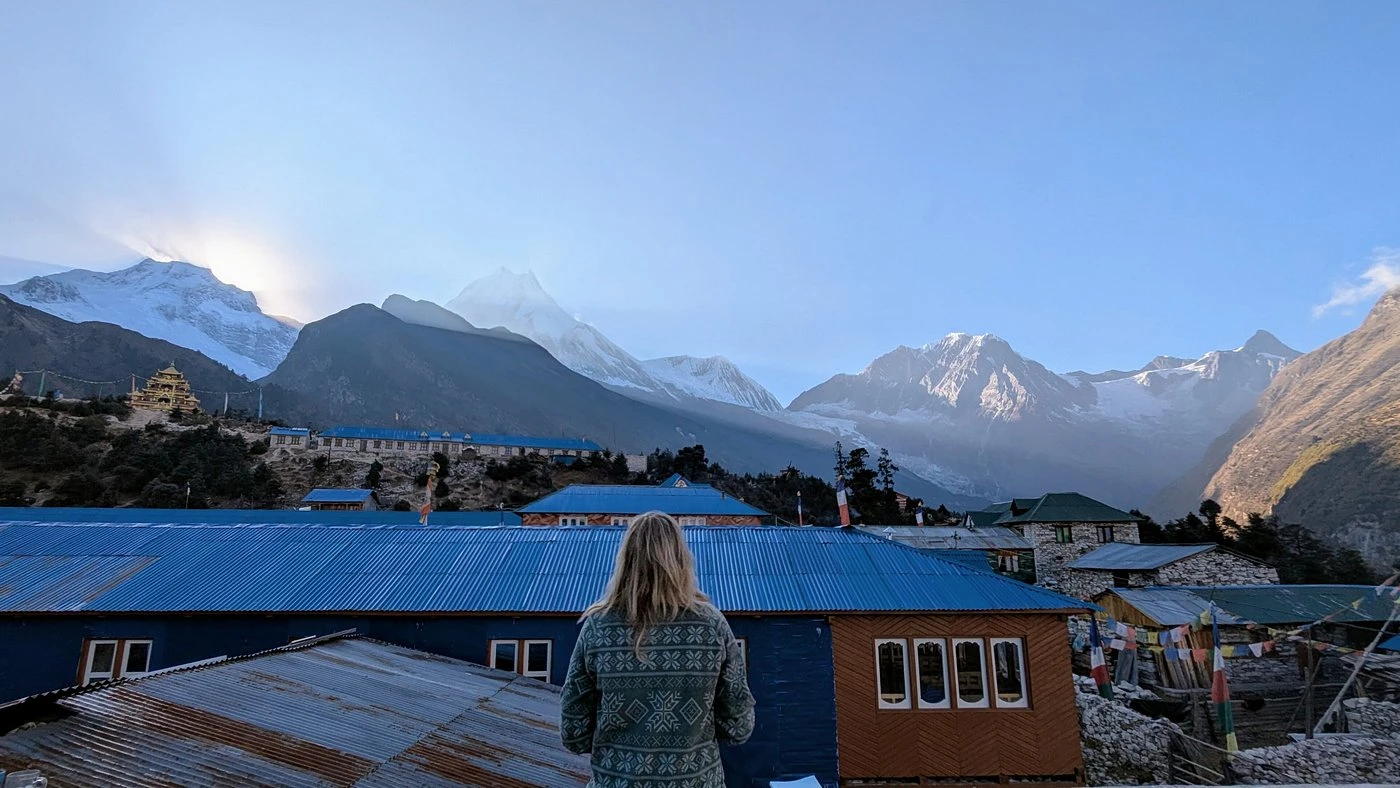
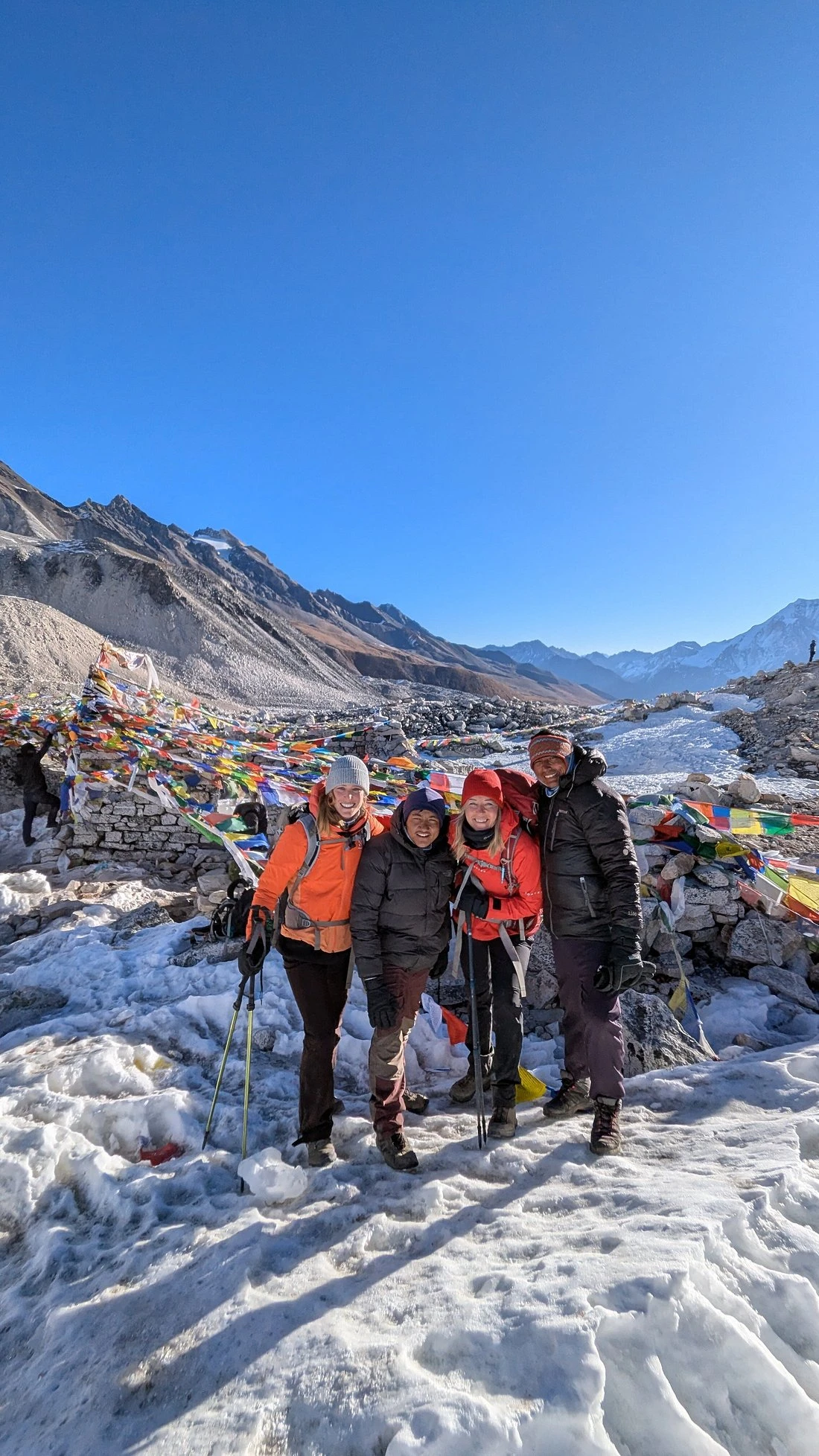
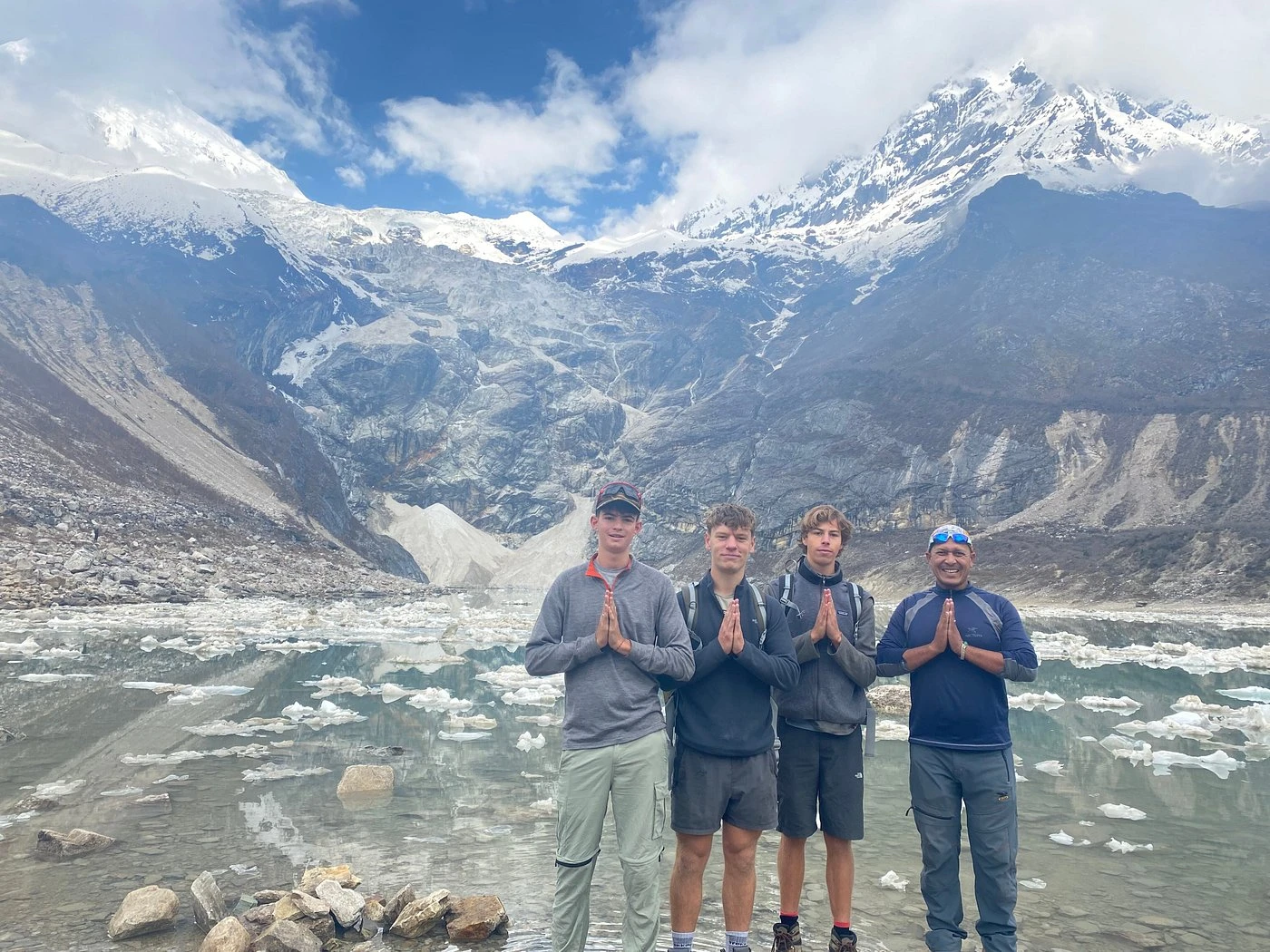
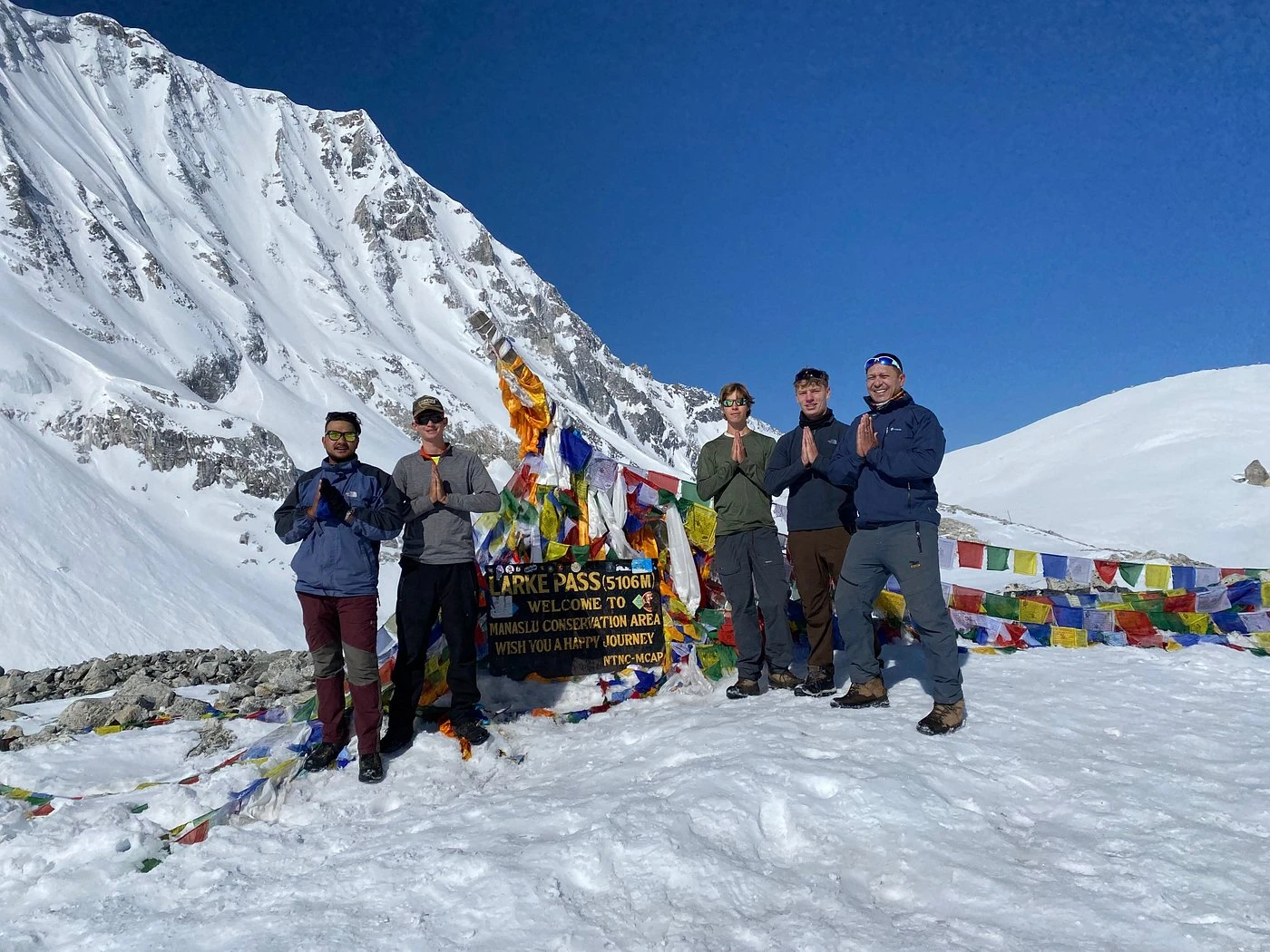
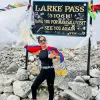
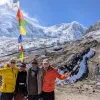
The Manaslu Circuit Trek is considered a moderately challenging trek, requiring good physical fitness and stamina. While the trail is well-established, trekkers will encounter steep ascents, high-altitude passes, and long walking days that can last 6–9 hours. Proper acclimatization is essential, especially at higher elevations such as Samdo, Dharmasala, and Larke La Pass. With our experienced guides from Nepal Planet Treks & Expedition, trekkers receive continuous support, pacing guidance, and altitude advice to ensure a safe and enjoyable journey.
Altitude sickness can be a concern on the Manaslu Circuit Trek, particularly above 3,500 meters (around Sama Gaon) and near Larke La Pass (5,160 meters). Symptoms may include headaches, nausea, and fatigue. To minimize risks, Nepal Planet Treks & Expedition plans your itinerary with acclimatization days and gradual elevation gains. Our trained guides monitor trekkers closely and provide guidance on hydration, pacing, and medication if necessary. Being aware of your own body’s signals is critical to trekking safely in high altitudes.
To enjoy the Manaslu Circuit safely, trekkers should have moderate to strong physical fitness. Recommended preparation includes regular cardio exercises, long-distance walking or hiking, and strength training for legs and core muscles. Endurance is important for walking 5–9 hours per day at high altitudes. Nepal Planet Treks & Expedition provides a pre-trek fitness guideline for all clients, suggesting step-by-step preparation to build stamina, minimize fatigue, and ensure you fully enjoy the trek without risking injury or exhaustion.
The ideal times to trek the Manaslu Circuit are during the spring (March to May) and autumn (September to November) seasons. During these months, the weather is stable, and skies are clear, offering excellent mountain views. Spring brings blooming rhododendrons, while autumn provides crisp air and colorful landscapes. Winter and monsoon months are less suitable due to snow and landslide risks. Nepal Planet Treks & Expedition always recommends planning your trek in these optimal months for safety and scenic enjoyment.
Yes, trekking in the Manaslu region requires a restricted area permit, along with a Manaslu Conservation Area Permit (MCAP) and possibly TIMS (Trekkers’ Information Management System) card. These permits are mandatory for all trekkers and help protect the local environment and culture. Nepal Planet Treks & Expedition handles all permit arrangements for you before departure, ensuring you can focus solely on your trek without administrative hassles. Carrying these permits at all times during the trek is essential for police checkpoints along the route.
Accommodation along the Manaslu Circuit primarily consists of teahouses and lodges, offering basic yet comfortable rooms with beds and blankets. Some teahouses may have shared bathrooms or limited hot water. While amenities are simpler than in Kathmandu or Pokhara, they provide a welcoming atmosphere with local meals and Himalayan hospitality. Nepal Planet Treks & Expedition ensures that trekkers stay in reputable and clean teahouses and can also arrange upgraded lodging upon request for extra comfort during the journey.
Food along the Manaslu Circuit is a combination of local Nepali, Tibetan, and simple international dishes. Common options include dal bhat (lentil soup with rice), momo (dumplings), noodles, soups, and vegetable stir-fries. Breakfast typically consists of porridge, eggs, or toast. Nepal Planet Treks & Expedition advises trekkers to maintain a balanced diet and stay hydrated, especially at higher altitudes. Meals are hearty to fuel long trekking days, and vegetarian or special dietary requests can usually be accommodated with advance notice.
Yes, hiring a guide is highly recommended and often mandatory for the Manaslu Circuit Trek because it is a restricted area. Guides ensure safe navigation, arrange accommodations, manage permits, and provide cultural insights about the region. Nepal Planet Treks & Expedition provides highly experienced local guides who are trained in first aid, high-altitude trekking, and English communication. Having a guide not only improves safety but also enhances your experience, allowing you to engage deeply with local culture and hidden scenic spots along the trail.
While independent trekking is possible, the Manaslu Circuit is in a restricted area requiring permits and local guidance. Traveling with a professional company like Nepal Planet Treks & Expedition ensures permits are valid, routes are safe, and accommodations are arranged in advance. Trekkers can join a private group or a small organized group for a social experience. Guided trekking also increases safety in case of emergencies and allows a more immersive cultural and environmental experience. Independent trekking is possible only with full arrangements through an authorized operator.
Packing for the Manaslu Circuit requires careful planning for high-altitude conditions. Essentials include sturdy trekking boots, layered clothing for variable temperatures, a sleeping bag rated for cold weather, a down jacket, gloves, and a hat. Trekking poles, water bottles, and a personal first-aid kit are also recommended. Nepal Planet Treks & Expedition provides a detailed packing list to ensure safety, comfort, and convenience. Weather can change rapidly, so it’s crucial to be prepared for cold mornings, sunny afternoons, and possible rain or snow at higher altitudes.