Join our fixed departure treks.  4.9 of 528 reviews
 4.8 of 214 reviews
4.9 of 528 reviews 4.8 of 214 reviews 
The Annapurna Circuit Trek, organized by Nepal Planet Treks & Expedition, is one of the most iconic trekking experiences in the world. The trek takes adventurers through the diverse landscapes of the Annapurna region, beginning in the lush, subtropical valleys and climbing gradually into high alpine terrain. Trekkers pass through terraced farmlands, dense rhododendron forests, and scenic villages inhabited by ethnic communities such as the Gurung and Thakali people. The trail follows the Marsyangdi River in its lower reaches, where its rapids and waterfalls create mesmerizing sights and soundscapes.
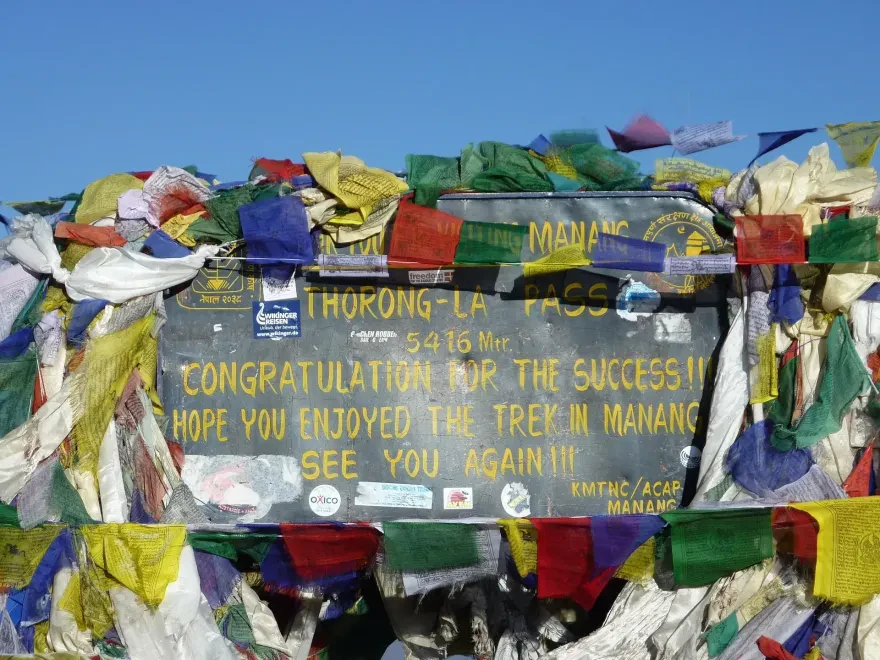
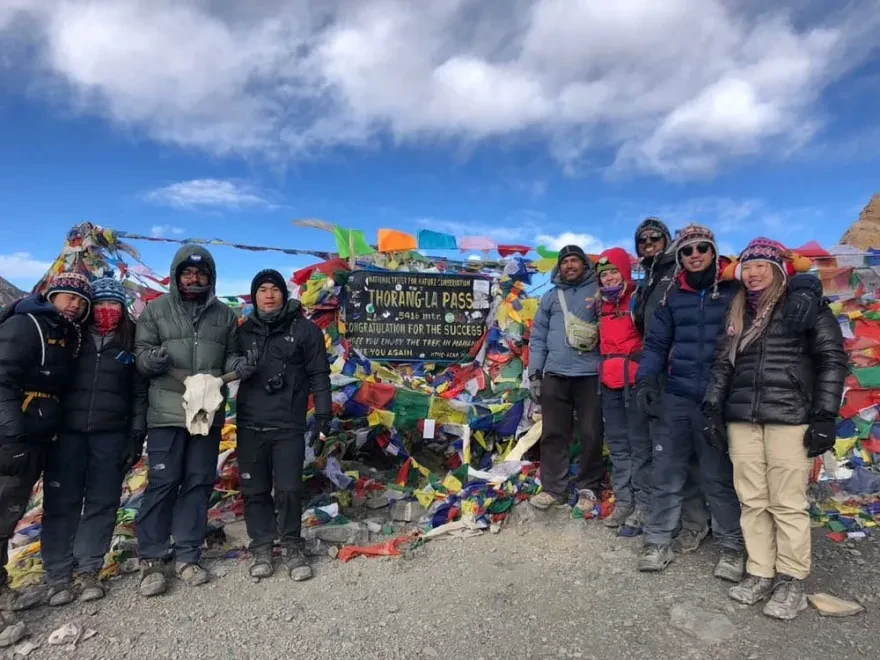
The trek covers approximately 160–230 kilometers depending on the route, with Thorong La Pass (5,416m / 17,768 ft.) as the highest point. Along the way, trekkers experience unparalleled views of towering snow-capped peaks, including Annapurna I, Annapurna II, Gangapurna, Machhapuchhre (Fishtail), and Nilgiri. Wildlife is abundant, from deer and langurs in the lower forests to blue sheep and Himalayan marmots at higher elevations. Birdwatchers will find themselves in paradise, spotting species like blood pheasants, Himalayan monals, and migratory Siberian birds. A highlight of the trek is Manang, a central village offering breathtaking alpine vistas and insight into Gurkha heritage. Another key destination is Muktinath Temple, a sacred site for both Hindus and Buddhists, renowned for its eternal flame that has burned for centuries.
The best season to trek the Annapurna Circuit is typically spring (March–May) and autumn (September–November). These periods offer the clearest skies, pleasant temperatures, and ideal conditions for high-altitude trekking. Spring is particularly famous for blooming rhododendrons, which create a spectacular colorful landscape along the trail. Autumn offers stable weather, crisp air, and excellent views of snow-capped peaks, making it the most popular trekking season.
The monsoon season (June–August) brings heavy rainfall, landslides, and leeches in lower regions, making trekking difficult and sometimes unsafe. Winter (December–February) is suitable only for experienced trekkers due to freezing temperatures, snow accumulation, and potential trail closures around Thorong La Pass. Trekkers attempting the circuit in winter will need additional gear such as down jackets, insulated boots, and crampons.
Season Highlights:
Nepal Planet Treks & Expedition advises planning the trek during spring or autumn to enjoy safe trekking and the most spectacular Himalayan vistas.
The Annapurna Circuit is considered moderate to challenging, suitable for trekkers with reasonable physical fitness and stamina. Trek duration ranges from 12 to 18 days, depending on the exact route and acclimatization days. The trail gradually ascends from 1,100 meters in Jagat/Syange to 5,416 meters at Thorong La Pass, giving trekkers time to acclimatize and reduce the risk of altitude sickness.
Trekking is typically done on foot, but transportation options include:
Difficulty Factors:
Nepal Planet Treks & Expedition provides experienced guides, porters, and acclimatization plans to ensure safety and comfort for trekkers of all levels.
Food and accommodation on the Annapurna Circuit are comfortable and varied, especially along popular trekking routes. Traditional tea houses (lodges) offer warm beds, local cuisine, and hot showers at most stops. Higher-altitude lodges may have limited electricity, and rooms can be basic but cozy.
Popular trekking meals include:
Nepal Planet Treks & Expedition ensures trekkers enjoy:
Trekking the Annapurna Circuit requires several permits to ensure safety and conservation:
Nepal Planet Treks & Expedition assists with all permit arrangements before the trek, so trekkers can focus entirely on their adventure. Carrying these permits is necessary at all checkpoints, and guides help ensure compliance with local regulations.
Permit Highlights:
Choosing Nepal Planet Treks & Expedition for the Annapurna Circuit Trek guarantees an authentic, safe, and well-organized experience. The company has years of experience in Himalayan trekking and provides professional guides, porters, and support staff to ensure a hassle-free journey.
Reasons to choose Nepal Planet Treks & Expedition:
With Nepal Planet Treks & Expedition, trekkers not only experience the breathtaking landscapes of the Annapurna region but also immerse themselves in local culture, making the journey memorable for life.
Upon arrival at Tribhuvan International Airport in Kathmandu, you will be warmly welcomed by the team from Nepal Planet Treks & Expedition and transferred to your hotel. Take this day to rest and recover from your flight while soaking in the vibrant atmosphere of Nepal’s capital. Depending on your arrival time, you can explore the nearby streets, enjoy local cuisine, or simply relax and prepare for the exciting adventure ahead. An evening briefing with our trek guides will cover your trekking route, essentials, and safety measures.
Today is dedicated to exploring Kathmandu’s rich cultural heritage and preparing for the trek. You will visit UNESCO World Heritage Sites such as Swayambhunath Stupa, Pashupatinath Temple, and Boudhanath Stupa, gaining insight into Nepal’s spiritual and historic traditions. After sightseeing, our team will assist with final trek preparations, checking your gear, distributing necessary permits, and providing tips on acclimatization. The evening can be spent enjoying traditional Nepali cuisine or walking through the bustling streets of Thamel, immersing yourself in the city’s lively ambiance.
After an early breakfast, embark on a scenic drive from Kathmandu to Syange or Jagat, a journey of approximately 8-10 hours through winding mountain roads. The drive takes you through lush valleys, terraced fields, and picturesque villages, offering a first glimpse of the Annapurna region’s natural beauty. Our guides will provide insights into local life, culture, and traditions along the way. Upon arrival, you will settle into your lodge for the night, enjoy a hearty dinner, and rest in preparation for the trek that begins tomorrow.
Your trekking adventure begins today with a steady ascent towards Dharapani. The trail passes through terraced fields, small villages, and dense forests of pine and rhododendron. Along the way, enjoy stunning views of mountains like Lamjung Himal and Annapurna II in the distance. This moderate-to-strenuous day will help your body adjust to higher altitudes while offering opportunities to interact with local Gurung and Manangi communities. Reaching Dharapani, you will rest in a cozy teahouse, enjoying the warmth of local hospitality and the breathtaking mountain scenery.
Today’s trek takes you higher into the Marsyangdi River valley, passing through lush forests of oak and rhododendron, alongside traditional villages. The trail gradually climbs with panoramic views of Annapurna II, Lamjung Himal, and Pisang Peak. Reaching Chame, the administrative center of the Manang District, you will find a well-established village with teahouses, shops, and a local monastery. Chame is a great place to witness the blending of Tibetan and Nepali culture. After settling in, you can enjoy a short walk around the village to acclimatize and soak in the stunning Himalayan views.
The trail today ascends through the upper part of the Marsyangdi valley, gradually gaining altitude. You will pass through beautiful forests, alpine meadows, and quaint villages while the Annapurna and Manang peaks dominate the skyline. Pisang village, divided into Lower and Upper Pisang, showcases traditional Tibetan-style houses and monasteries. Upper Pisang, perched on a hilltop, offers breathtaking panoramic views of Annapurna II and the surrounding peaks. This is an excellent spot for photography and acclimatization, and the evening can be spent enjoying local dishes while marveling at the golden Himalayan sunset.
Today, the trail leads you through a dramatic landscape of glaciers, high cliffs, and the mesmerizing Annapurna range. Crossing the Marsyangdi River and passing through small settlements, you will witness the change in vegetation as you approach the arid, Tibetan-influenced terrain of Manang. Manang, a bustling trekking hub, is an ideal spot to rest and acclimatize before heading to higher altitudes. The village offers teahouses, cafes, and local handicrafts. After settling in, a short acclimatization walk to nearby viewpoints will help your body adjust while offering magnificent views of Gangapurna, Annapurna III, and Tilicho Peak.
A full day of rest and acclimatization in Manang ensures your body adapts to the higher altitude. Optional short hikes to nearby Gangapurna Lake or the Ice Lake provide gentle exercise while offering spectacular mountain vistas. Our guides will educate you about altitude sickness prevention, hydration, and trekking strategies for the upcoming Thorong La Pass. Exploring Manang’s monastery, interacting with locals, and tasting traditional Tibetan-influenced food will enrich your cultural experience. This day balances relaxation and acclimatization, preparing you mentally and physically for the challenging trek ahead.
The trek from Manang to Yak Kharka is moderately challenging but short, allowing for steady acclimatization. The trail passes through alpine meadows and small villages, with yaks grazing peacefully in the highlands. Spectacular views of the Thorong La region and surrounding peaks accompany you throughout the trek. Yak Kharka is a small settlement with a few rustic teahouses, providing a cozy stop before ascending further. Spending the night here allows your body to adjust to higher altitudes, while the crisp mountain air and clear skies make it perfect for stargazing.
Today, you trek higher into the alpine region, reaching Thorong Phedi, the base of Thorong La Pass. The trail climbs steadily through rocky terrain with minimal vegetation, offering panoramic views of Annapurna, Dhaulagiri, and Tilicho peaks. Thorong Phedi is a small settlement with simple lodges where trekkers prepare for the early morning crossing of Thorong La Pass. Our guides will review safety measures, hydration, and acclimatization tips. The altitude and thin air require rest and patience, but the breathtaking views make every step worthwhile, setting the stage for one of the trek’s highlights tomorrow.
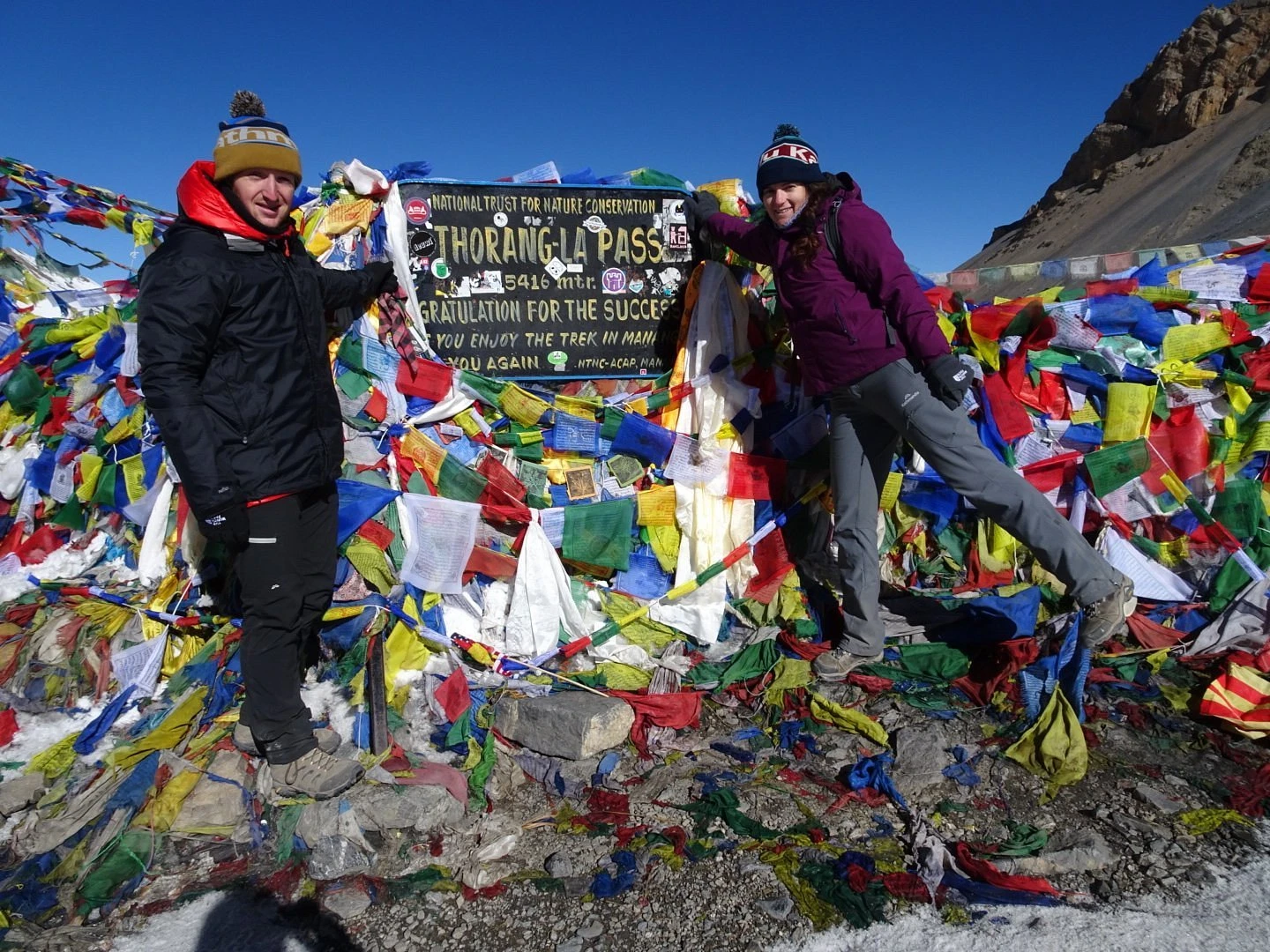
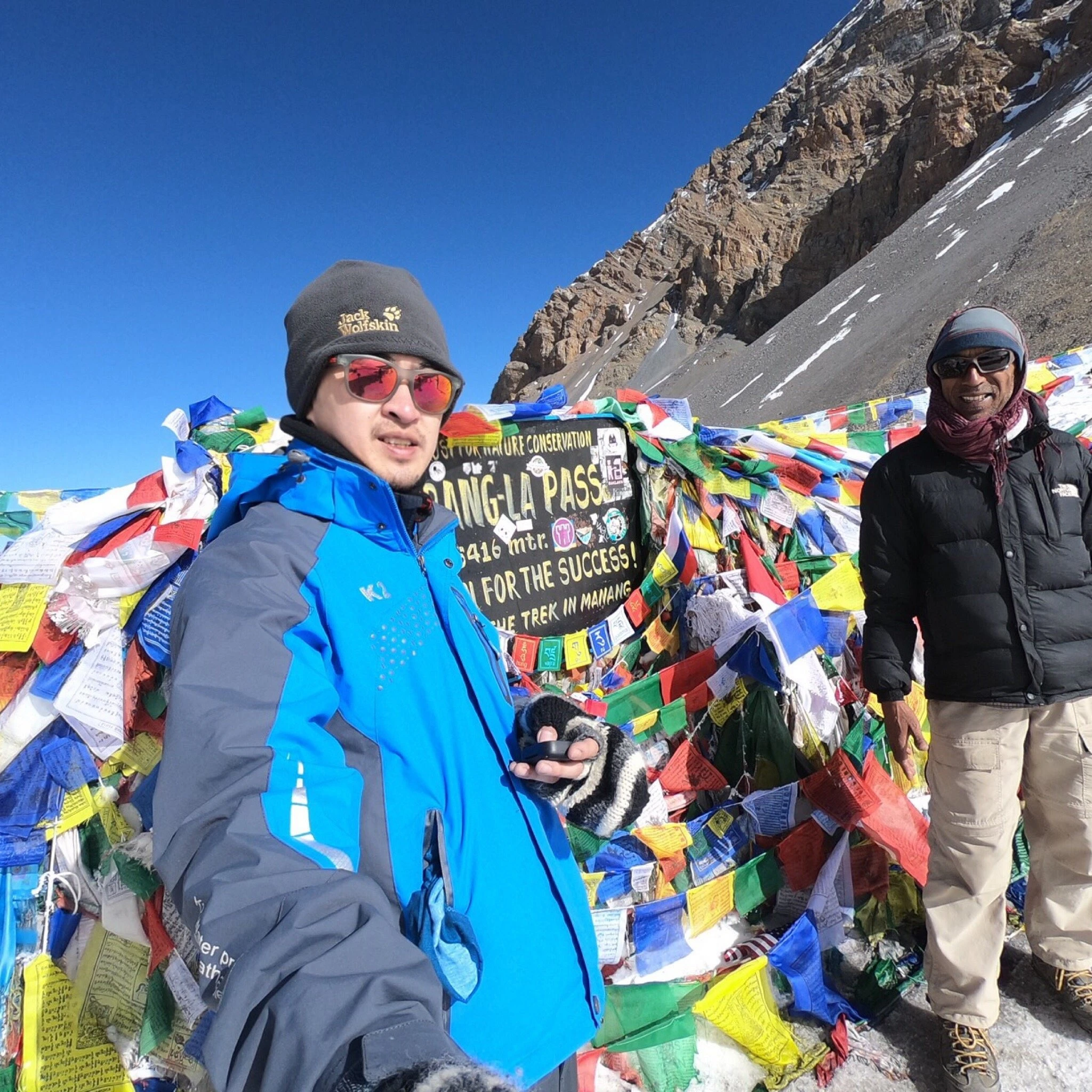
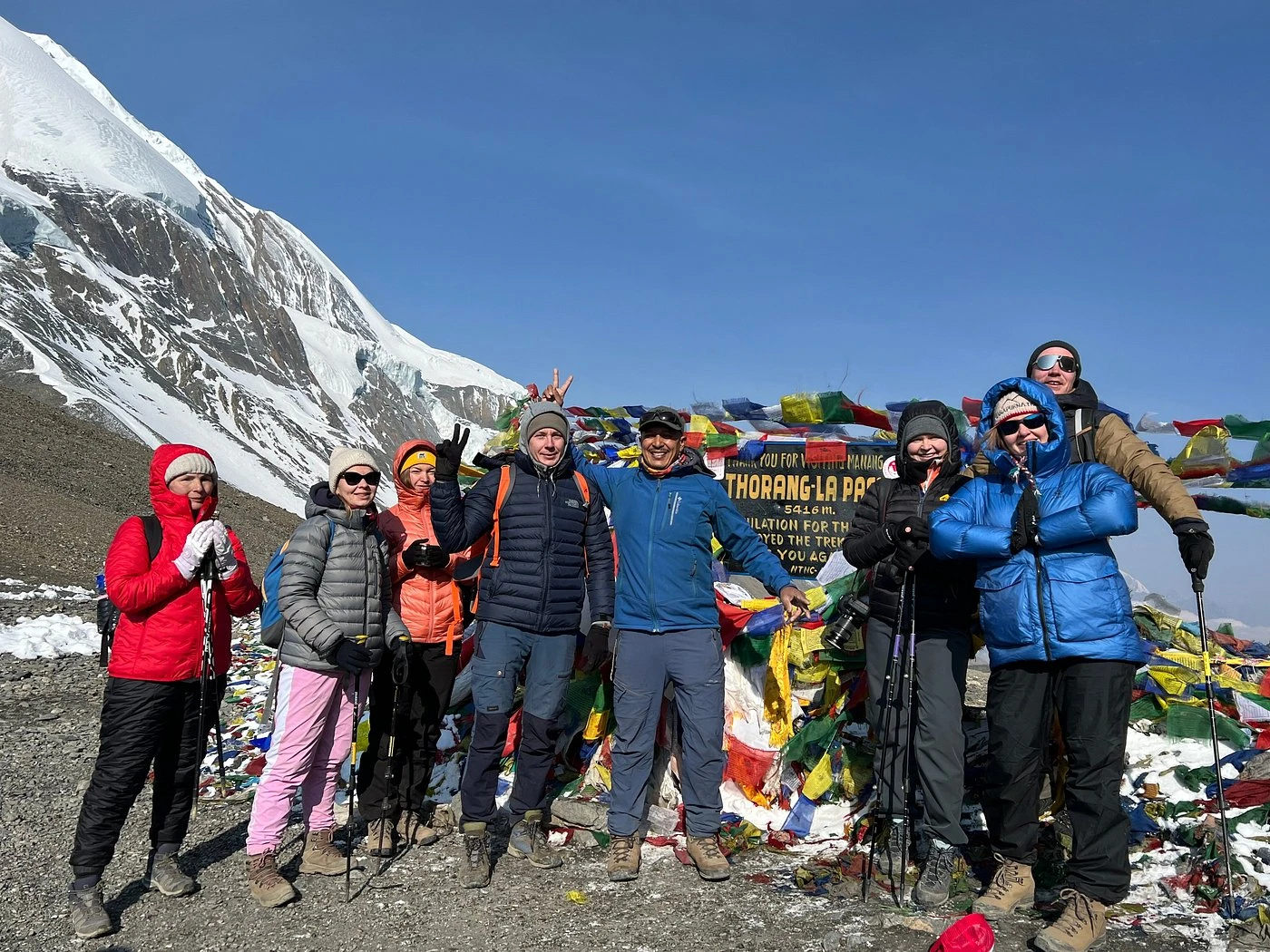
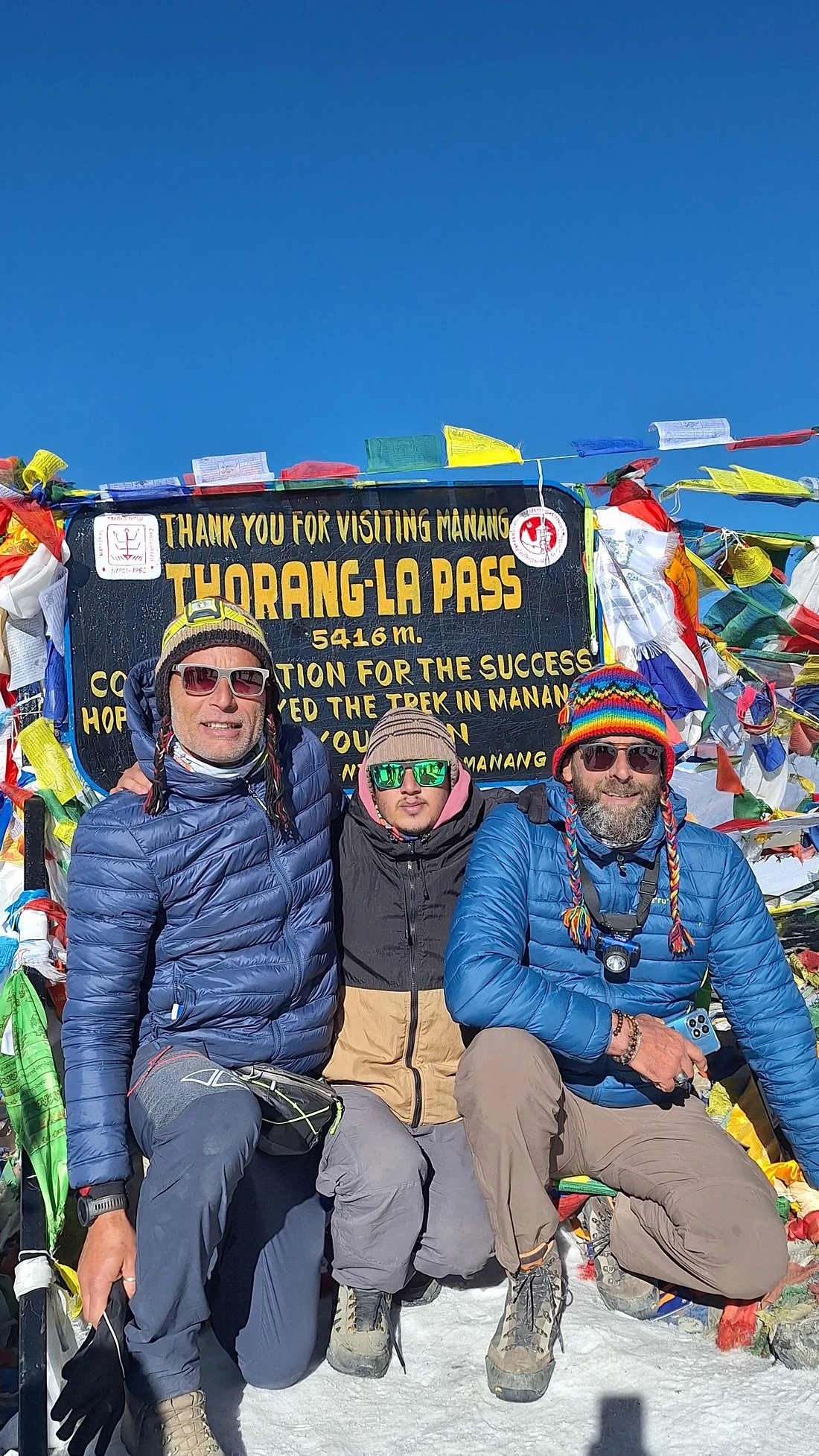
The highlight of the Annapurna Circuit, crossing Thorong La Pass (5,416m/17,769 ft), begins before dawn for a spectacular sunrise over the mountains. The climb is challenging, with snow and strong winds often encountered near the pass, but the reward is an unparalleled panoramic view of the Himalayas. After descending to Muktinath, a sacred site for both Hindus and Buddhists, you can visit the temple, waterfalls, and prayer wheels. The descent provides relief to the legs, and the cultural and spiritual significance of Muktinath makes this day physically demanding but spiritually enriching.
Descending from Muktinath, the trail passes through semi-arid landscapes, terraced fields, and small Thakali villages. The trek to Jomsom is relatively easy and scenic, offering beautiful views of the Kali Gandaki River and surrounding cliffs. Upon arrival in Jomsom, a vibrant market town, you can explore local shops, cafes, and traditional cuisine. This town serves as a hub for trekkers heading towards Pokhara or the Mustang region. Enjoy a restful evening in a comfortable lodge, reflecting on your trek so far and preparing for a scenic flight the next day.
A short but breathtaking flight from Jomsom to Pokhara offers stunning aerial views of the Annapurna and Dhaulagiri ranges. Upon arrival in Pokhara, you will be transferred to a hotel near the serene Phewa Lake. The rest of the day can be spent relaxing by the lakeside, boating, or exploring the lakeside markets. Pokhara offers a refreshing contrast to the rugged trekking trails, with opportunities for leisure, adventure sports, and enjoying the city’s peaceful atmosphere. A farewell dinner can also be arranged by Nepal Planet Treks & Expedition.
After breakfast, embark on a scenic drive back to Kathmandu through the lush hills and valleys of central Nepal. The journey allows you to enjoy the changing landscapes, rivers, and terraced fields while reflecting on the incredible experiences of the trek. Upon arrival in Kathmandu, you will check into your hotel and have free time for last-minute shopping, exploring the city, or enjoying a relaxing evening before departure. Our team will also assist with any final arrangements, ensuring a smooth conclusion to your adventure.
On your final day, transfer to Tribhuvan International Airport for your onward flight. Depending on your flight time, you may have a few hours to stroll through Thamel or visit nearby sites. This marks the end of your unforgettable Annapurna Circuit journey with Nepal Planet Treks & Expedition, leaving you with memories of majestic mountains, rich culture, and lifelong friendships. Our team will bid you farewell, wishing you safe travels and hoping to welcome you back for future adventures in Nepal.
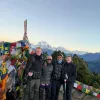
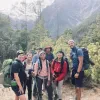
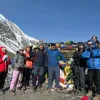
The Annapurna Circuit is a moderately challenging trek suitable for people with reasonable fitness. It combines long trekking days, steep ascents, and high-altitude passes like Thorong La (5,416m/17,769 ft). While technical climbing is not required, trekkers must be prepared for changing weather, altitude sickness, and uneven terrain. Nepal Planet Treks & Expedition provides experienced guides who monitor acclimatization, advise on pace, and offer tips for physical preparation, ensuring the trek remains safe and enjoyable for both first-time and seasoned trekkers.
The classic Annapurna Circuit Trek typically takes 14–18 days, depending on your pace and the route variation. Our itinerary with Nepal Planet Treks & Expedition usually spans 15 days, allowing sufficient time for acclimatization, scenic stops, and rest days in key villages like Manang. Shorter or extended versions are also possible. The duration includes drive or flight connections, cultural sightseeing in Kathmandu, and leisure days in Pokhara, providing a balanced experience between trekking adventure and cultural immersion.
While technical mountaineering skills are not required, good physical fitness and stamina are essential for handling long trekking days and altitude changes. Regular cardio exercise, hiking practice, and strength training in advance will significantly enhance your trekking experience. Nepal Planet Treks & Expedition recommends preparing at least 6–8 weeks before departure, gradually increasing hiking distances and carrying a loaded backpack to mimic real trail conditions, ensuring you can comfortably enjoy the trek without undue strain.
Yes, altitude sickness is a potential concern due to high passes like Thorong La (5,416m/17,769 ft). Symptoms include headache, nausea, dizziness, and shortness of breath. To minimize risks, gradual ascent, proper hydration, rest days, and avoiding alcohol are crucial. Nepal Planet Treks & Expedition closely monitors each trekker’s health, encourages acclimatization days, and provides guidance on recognizing early symptoms. Our guides are trained in first aid and altitude response, ensuring safety and timely intervention if any trekkers experience discomfort during the journey.
The trek concludes in Jomsom, where you have the option of a scenic flight to Pokhara or a drive back to Kathmandu. The flight is faster, providing stunning aerial views of the Annapurna and Dhaulagiri ranges, while the drive offers an adventurous road journey through rivers and hills. Nepal Planet Treks & Expedition organizes these transfers in advance, ensuring smooth logistics. From Pokhara or directly from Jomsom, our team will coordinate transportation, accommodation, and support, making the end of your Annapurna Circuit Trek both seamless and comfortable.
The Annapurna Circuit Trek can be done year-round, but the most popular and ideal seasons are spring (March to May) and autumn (September to November). During these periods, the weather is generally stable, skies are clear, and mountain views are spectacular. Spring showcases blooming rhododendrons along the trail, while autumn provides crisp air and vibrant landscapes. Trekking in winter is possible but challenging due to snow and cold temperatures, whereas monsoon season (June–August) often brings heavy rain, landslides, and obstructed trails.
Yes, trekking in the Annapurna region requires a Trekker’s Permit (TIMS) and an Annapurna Conservation Area Permit (ACAP). These permits help regulate tourism and support local conservation efforts. Nepal Planet Treks & Expedition arranges all necessary permits on your behalf before the trek begins, ensuring a hassle-free experience. Guides will also check your permits at various checkpoints along the route, and it is crucial to carry your ID and permit copies throughout the trek.
Accommodation along the Annapurna Circuit primarily consists of teahouses and lodges offering basic but comfortable rooms. Most provide twin or triple rooms with shared bathrooms and hot showers (often for an additional fee). Meals such as dal bhat, noodles, and soups are available, catering to both Nepali and international tastes. Nepal Planet Treks & Expedition carefully selects clean and reliable lodges, ensuring trekkers have a warm, safe, and welcoming place to rest after each day’s hike, even in remote villages like Thorong Phedi or Yak Kharka.
Yes, teahouses along the Annapurna Circuit offer a range of meals including vegetarian, vegan, and sometimes gluten-free options. Popular dishes include dal bhat, noodles, soups, pancakes, and omelets. Nepal Planet Treks & Expedition ensures that dietary preferences are communicated to the teahouses and can assist with arranging special meals during your trek. Although menu variety decreases in higher, remote villages, basic vegetarian meals are generally available, and our guides help plan nutrition to maintain energy levels throughout the trek.
Packing appropriately is crucial for a successful trek. Essentials include layered clothing for varying temperatures, waterproof jackets, trekking boots, gloves, hats, sun protection, and a good sleeping bag. Trekking poles and a daypack are also recommended. Nepal Planet Treks & Expedition provides a detailed packing list prior to departure, highlighting altitude considerations, weather variability, and personal comfort. They also offer advice on renting or purchasing gear locally in Kathmandu to reduce baggage and ensure you’re fully prepared for both warm valleys and cold alpine regions.