Join our fixed departure treks.  4.9 of 528 reviews
  4.8 of 214 reviews
4.9 of 528 reviews 4.8 of 214 reviews 
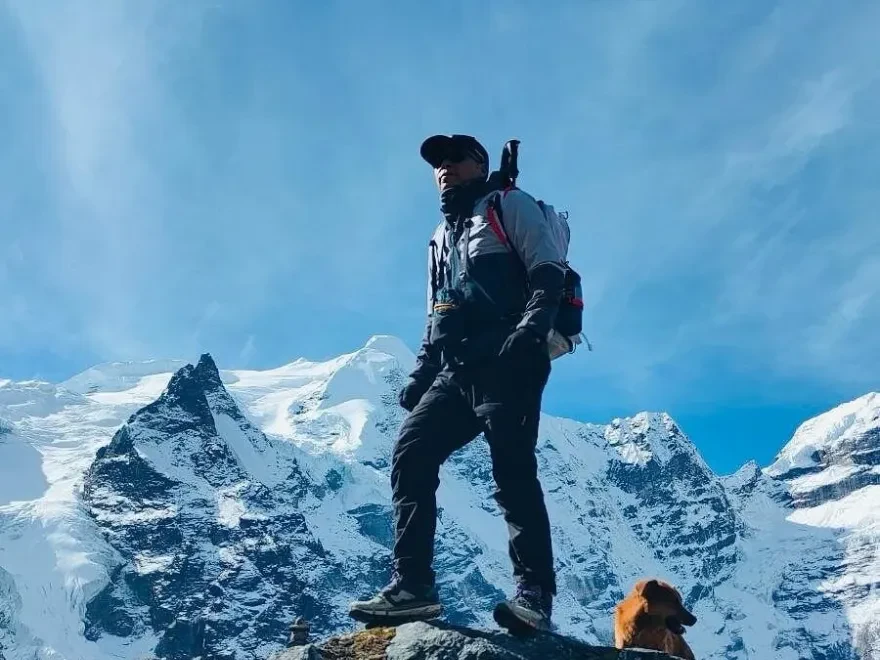
Mera Peak Climbing is one of the most rewarding high-altitude adventures in Nepal, perfectly suited for trekkers who dream of stepping into the world of mountaineering. Standing at 6,476 meters, Mera Peak is classified as a trekking peak, yet it delivers an authentic Himalayan climbing experience. Located in the remote Hinku Valley of the Khumbu region, the journey offers pristine trails, dramatic landscapes, and fewer crowds compared to other Everest-region routes.
The adventure begins with a scenic flight from Kathmandu to Lukla, followed by a gradual trek through lush forests, alpine meadows, glacial valleys, and traditional Sherpa villages. Proper acclimatization days are built into the itinerary to ensure safety and success. The final summit push involves glacier travel and snow slopes, where climbers use crampons, ice axes, and ropes under expert guidance.
From the summit, climbers are rewarded with one of the finest panoramic views in Nepal, including Everest, Lhotse, Makalu, Cho Oyu, and Kanchenjunga. With Nepal Planet Treks & Expedition, every aspect—from logistics to safety—is professionally handled, allowing climbers to focus on the experience.
Choosing the right season is crucial for a successful and enjoyable Mera Peak expedition. The spring season (March to May) is considered the best time, offering stable weather, warmer temperatures, and excellent visibility. During this period, climbers enjoy longer daylight hours and safer climbing conditions, especially on the glacier and summit ridge.
The autumn season (September to November) is another highly recommended time. Post-monsoon weather brings clear skies, crisp air, and stunning mountain views. Trails are dry, and the risk of heavy snowfall is lower, making trekking and climbing more comfortable. Autumn also coincides with Nepal’s major festivals, adding cultural richness to the journey.
Winter climbs are possible but challenging due to extreme cold, while the monsoon season is not recommended due to poor visibility and slippery trails. Nepal Planet Treks & Expedition carefully plans departures during optimal seasons to maximize safety and summit success.
Best Seasons:
Mera Peak is considered moderately difficult, making it suitable for trekkers with good physical fitness and some high-altitude experience. While the climb does not require advanced technical skills, it involves long trekking days, altitude gain, and basic mountaineering techniques. Proper acclimatization and mental endurance play a key role in reaching the summit.
The summit day is physically demanding, with early morning starts and several hours of climbing on snow and ice. Under the guidance of experienced Sherpa climbing guides from Nepal Planet Treks & Expedition, climbers receive pre-climb training on using equipment such as crampons, harnesses, and ice axes.
Transportation includes a scenic domestic flight from Kathmandu to Lukla, one of the world’s most adventurous airstrips. All ground logistics, porters, and gear transport are efficiently managed by the company to ensure a smooth journey.
Difficulty & Transport:
Accommodation during the trek primarily consists of comfortable teahouses and lodges, offering basic but cozy facilities. Rooms are typically twin-sharing, with warm blankets and communal dining areas. At higher altitudes, especially at base camp, climbers stay in well-equipped tents arranged by Nepal Planet Treks & Expedition.
Meals are freshly prepared and designed to provide high energy for trekking and climbing. The menu includes a mix of Nepali, Asian, and Western dishes such as dal bhat, noodles, pasta, rice, soups, eggs, and seasonal vegetables. Clean drinking water options and hot beverages are available throughout the trek.
Special attention is given to hygiene, nutrition, and food safety, especially at higher elevations. Dietary requirements can be accommodated with prior notice.
Food & Lodging:
Climbing Mera Peak requires several official permits, all of which are arranged by Nepal Planet Treks & Expedition to ensure a hassle-free experience. These permits are mandatory and help support conservation efforts and local communities.
The main permits include the Mera Peak Climbing Permit, Makalu Barun National Park Permit, and the Khumbu Pasang Lhamu Rural Municipality Permit. Proper documentation is essential, and having a licensed trekking agency simplifies the entire process.
By handling permits in advance, the company allows climbers to focus fully on preparation and the adventure itself.
Required Permits:
Nepal Planet Treks & Expedition is a trusted and experienced trekking company dedicated to delivering safe, well-organized, and memorable Himalayan adventures. With a team of licensed guides, skilled Sherpas, and professional support staff, the company prioritizes client safety and satisfaction above all.
Their Mera Peak Climbing packages are thoughtfully designed with proper acclimatization, flexible itineraries, and contingency days for weather. From airport pickups to summit celebrations, every detail is carefully managed. The company also follows responsible tourism practices, supporting local communities and preserving the natural environment.
Choosing Nepal Planet Treks & Expedition means choosing reliability, expertise, and a genuine Himalayan experience.
Why Travel With Us:
Upon your arrival at Tribhuvan International Airport in Kathmandu, a friendly representative from Nepal Planet Treks & Expedition will warmly welcome you and assist with airport formalities before providing a comfortable transfer to your hotel. The drive takes approximately 20 minutes, depending on traffic. After check-in, you can relax, freshen up, and recover from your journey. Later, there will be a short briefing about the Mera Peak Climbing adventure, where trip details, safety measures, and expectations are discussed. In the evening, you may enjoy a gentle walk around the hotel area, experiencing Kathmandu’s vibrant atmosphere. Dinner and overnight stay in Kathmandu.
This day is dedicated to rest, preparation, and cultural exploration. After breakfast, Nepal Planet Treks & Expedition arranges a half-day sightseeing tour in Kathmandu, allowing you to explore UNESCO World Heritage Sites such as Boudhanath Stupa, Pashupatinath Temple, and Kathmandu Durbar Square. These iconic landmarks provide insight into Nepal’s spiritual and cultural heritage. Later, you will visit Thamel, the main tourist hub, to rent or purchase any necessary trekking and climbing equipment from reliable outdoor gear shops. Our guide will assist you in checking gear to ensure everything meets climbing standards. Overnight stay in Kathmandu.
Early in the morning, you will fly from Kathmandu to Lukla, one of the world’s most scenic and thrilling mountain airstrips. The short flight offers stunning views of snow-capped Himalayan peaks and deep valleys. Upon arrival in Lukla, you will meet the trekking crew and begin your trek toward Chutanga. The trail gradually ascends through lush forests of pine and rhododendron, passing small settlements and prayer flags. This first trekking day helps you ease into the Himalayan terrain while enjoying fresh mountain air and Sherpa hospitality. Overnight stay in Chutanga.
After breakfast, the trek continues from Chutanga toward Tuli Kharka, following a more challenging trail as altitude increases. The path crosses high ridges and remote landscapes, offering panoramic views of surrounding peaks. You may pass the Zatrwa La Pass area, where prayer flags flutter in the mountain wind, creating a spiritual ambiance. As you gain elevation, the scenery becomes more rugged and dramatic, with fewer trees and more alpine terrain. This day is important for acclimatization, and your guide from Nepal Planet Treks & Expedition ensures a steady pace. Overnight stay in Tuli Kharka Village.
The trek from Tuli Kharka to Kothe Village is a scenic descent through beautiful valleys and forests. The trail winds through rhododendron and bamboo forests, and you may encounter wildlife such as Himalayan pheasants or mountain goats. Along the way, you will cross small streams and enjoy peaceful surroundings far from busy trekking routes. As you approach Kothe, the Hinku Valley opens up with stunning mountain views. Kothe is a charming village located along the Hinku River, offering a relaxed atmosphere and warm hospitality. Overnight stay in Kothe Village.
After breakfast, you begin your trek from Kothe to Thangnak, following the Hinku River upstream. The trail gradually ascends through alpine landscapes, with views of glaciers, moraines, and towering Himalayan peaks. You will pass seasonal herder settlements and yak pastures, giving insight into the local mountain lifestyle. The air becomes thinner as you gain altitude, making this an important acclimatization day. Thangnak is a small settlement surrounded by dramatic mountain scenery and close to the Dig Glacier. The peaceful environment makes it an ideal resting place. Overnight stay in Thangnak Village.
Today’s trek from Thangnak to Khare Village is both challenging and rewarding. The trail climbs steadily alongside glacial moraines, offering breathtaking views of Mera Peak and surrounding snow-covered mountains. As you approach Khare, the landscape becomes more rugged and alpine, marking your entry into the high-altitude climbing zone. Khare Village is the last permanent settlement before Mera Base Camp and serves as a crucial staging point for acclimatization and training. Upon arrival, your guide will brief you on climbing techniques and safety procedures. Overnight stay in Khare Village.
A full rest and acclimatization day is scheduled in Khare Village to allow your body to adapt to the high altitude. Nepal Planet Treks & Expedition emphasizes proper acclimatization to ensure a safe and successful summit. You may take short acclimatization hikes around the village, practice using climbing gear such as crampons and ice axes, and receive instruction on rope techniques. Staying active while resting helps improve oxygen efficiency. Enjoy the stunning mountain views, hydrate well, and relax in preparation for higher elevations. Overnight stay in Khare Village.
The trek from Khare Village to Mera Base Camp takes you into a high-altitude glacial environment. The trail crosses rocky terrain and glacier sections, requiring careful footing. As you gain elevation, the surrounding peaks become more dramatic, with panoramic views of Everest, Lhotse, Makalu, and Cho Oyu visible on clear days. Upon reaching Mera Base Camp, the expedition team sets up camp and prepares for the upcoming summit attempt. The atmosphere is adventurous and focused, with final equipment checks and safety briefings. Overnight stay at Mera Base Camp.
This day is reserved for acclimatization or as a contingency in case of unfavorable weather conditions. Spending an extra day at Base Camp helps your body further adapt to the altitude and increases the chances of a successful summit. Climbers may take short walks around the camp, practice climbing skills, and rest. The guide monitors weather forecasts closely to determine the best summit window. Flexibility is crucial in high-altitude expeditions, and this reserve day ensures safety and success. Overnight stay at Mera Base Camp.
Summit day begins early, often before midnight, as you start the ascent under the stars. Equipped with headlamps and climbing gear, you follow your experienced guide from Nepal Planet Treks & Expedition across glaciers and snow slopes. Reaching the summit of Mera Peak is a remarkable achievement, offering breathtaking 360-degree views of the world’s highest mountains. After celebrating and taking photos, you carefully descend back to Khare Village. Though physically demanding, the sense of accomplishment makes this day unforgettable. Overnight stay in Khare Village.
After breakfast, you begin your descent from Khare back to Kothe Village. Descending allows for easier breathing and a more relaxed pace. The familiar trail offers new perspectives as you retrace your steps through alpine terrain and river valleys. Enjoy the changing landscapes and reflect on your successful summit experience. The warmer temperatures and increased oxygen levels make the trek more comfortable. Upon arrival in Kothe, you can relax and celebrate your achievement with the team. Overnight stay in Kothe Village.
Today’s trek takes you from Kothe back to Tuli Kharka, gradually ascending through scenic forests and mountain ridges. The trail offers stunning views of valleys and distant peaks, providing excellent photography opportunities. As you climb, you may encounter yaks and local herders, adding to the cultural experience. The peaceful environment and steady pace make this an enjoyable trekking day. Tuli Kharka welcomes you once again with its quiet charm and mountain atmosphere. Overnight stay in Tuli Kharka Village.
The trek from Tuli Kharka to Chutanga involves crossing high ridges and descending into forested areas. Along the way, you will enjoy panoramic mountain views, prayer flags, and alpine scenery. As you lose altitude, vegetation becomes denser, and the air feels noticeably warmer. The trail passes through peaceful forests, making for a pleasant and scenic walk. Chutanga serves as a familiar resting point before returning to Lukla. Overnight stay in Chutanga Village.
On this final trekking day, you return from Chutanga to Lukla. The trail descends through forests and small settlements, offering one last chance to enjoy the Himalayan landscape. Upon arrival in Lukla, you can relax and celebrate the completion of your Mera Peak Climbing adventure with your trekking crew. This evening is often marked by a farewell dinner, thanking guides and porters for their support throughout the journey. Overnight stay in Lukla.
Early in the morning, you will board a scenic flight from Lukla back to Kathmandu. The short flight provides spectacular aerial views of the Himalayas, marking a memorable conclusion to your mountain adventure. Upon arrival in Kathmandu, you will be transferred to your hotel. The rest of the day is free to relax, explore the city, shop for souvenirs, or enjoy local cuisine. Overnight stay in Kathmandu.
According to your flight schedule, Nepal Planet Treks & Expedition will arrange a timely transfer to Tribhuvan International Airport, typically three hours before your international departure. If time allows, you may enjoy some last-minute shopping or sightseeing in Kathmandu. As you depart Nepal, you take with you unforgettable memories of the Himalayas, a successful Mera Peak summit, and the warm hospitality experienced throughout the journey. We wish you a safe journey and hope to welcome you again for another adventure in Nepal.
Mera Peak Climbing is one of the most popular trekking peak adventures in Nepal, standing at 6,476 meters and offering spectacular panoramic views of the world’s highest mountains, including Everest, Lhotse, Makalu, Cho Oyu, and Kanchenjunga. Unlike highly technical peaks, Mera Peak is considered a non-technical climb, making it accessible to trekkers with good physical fitness and basic mountaineering skills. With Nepal Planet Treks & Expedition, climbers experience a well-paced itinerary, professional guidance, and excellent acclimatization, making Mera Peak an ideal choice for those seeking their first high-altitude climbing adventure in the Himalayas.
Previous high-altitude trekking experience is highly recommended, but advanced technical climbing skills are not mandatory for Mera Peak. Basic mountaineering knowledge, such as using crampons, ice axes, harnesses, and walking on snow and glaciers, is sufficient. Nepal Planet Treks & Expedition provides pre-climb training and practice sessions during acclimatization days, especially in Khare Village. This training helps climbers gain confidence and understand safety techniques. However, participants should be physically fit, mentally prepared, and comfortable with long trekking days at high altitudes.
Mera Peak is classified as a trekking peak and is considered moderately difficult. The main challenges come from high altitude, cold temperatures, and long summit day hours rather than technical climbing sections. The final ascent involves walking on snow and glaciers with a gradual slope, using fixed ropes if necessary. With proper acclimatization and pacing, most determined trekkers can reach the summit. Nepal Planet Treks & Expedition designs itineraries with sufficient rest days to minimize altitude-related risks and maximize success rates, making the climb achievable for well-prepared adventurers.
Mera Peak has one of the highest success rates among Nepal’s trekking peaks due to its non-technical nature and gradual ascent route. Success largely depends on proper acclimatization, weather conditions, physical fitness, and mental determination. With experienced guides, realistic itineraries, and strong safety support, Nepal Planet Treks & Expedition maintains a high summit success rate. Our priority is not just reaching the summit but ensuring climbers return safely with a positive and memorable experience.
Nepal Planet Treks & Expedition is a trusted trekking and climbing company with experienced guides, professional support staff, and well-designed itineraries focused on safety and success. We provide personalized service, transparent pricing, quality equipment support, and in-depth local knowledge of the Mera Peak region. Our team is committed to responsible tourism, environmental care, and client satisfaction. Choosing us means climbing with confidence, comfort, and expert guidance, ensuring your Mera Peak adventure is both safe and unforgettable.
The best seasons for Mera Peak Climbing are spring (March to May) and autumn (September to November). During these months, the weather is generally stable, skies are clear, and mountain views are at their best. Spring offers warmer temperatures and blooming rhododendrons, while autumn provides crisp air and excellent visibility after the monsoon season. Nepal Planet Treks & Expedition carefully monitors weather conditions and plans summit attempts during optimal windows, ensuring safety and increasing the likelihood of a successful climb.
Acclimatization is a key component of Mera Peak Climbing, as altitude sickness can affect anyone regardless of fitness level. Nepal Planet Treks & Expedition follows a carefully structured itinerary with gradual altitude gains and dedicated rest days in places like Khare Village and Mera Base Camp. Our experienced guides closely monitor climbers’ health, encouraging proper hydration, slow pacing, and early reporting of symptoms. Emergency protocols, including descent and evacuation arrangements, are in place to ensure maximum safety throughout the expedition.
Climbing Mera Peak requires several official permits, including the Mera Peak Climbing Permit issued by the Nepal Mountaineering Association (NMA), Makalu Barun National Park entry permit, and a local area permit. Nepal Planet Treks & Expedition handles all permit arrangements on your behalf, ensuring compliance with government regulations. This allows climbers to focus entirely on preparation and enjoyment rather than administrative concerns. Permit costs are usually included in the package, and all documentation is completed before the trek begins.
Climbers need a combination of trekking and mountaineering gear, including insulated boots, crampons, ice axe, harness, helmet, down jacket, sleeping bag, and personal clothing suitable for extreme cold. Nepal Planet Treks & Expedition provides group climbing equipment such as ropes and safety gear, and assists climbers in renting or purchasing quality equipment in Kathmandu. Our guides carefully check gear before departure to ensure everything meets safety standards, helping climbers feel confident and well-prepared for the climb.
During the trek, accommodation is primarily in teahouses, offering basic but comfortable rooms with shared facilities. At higher altitudes and base camp, tented camping may be used. Meals are freshly prepared and typically include Nepali, Tibetan, and international dishes such as dal bhat, noodles, rice, soups, and potatoes. Nepal Planet Treks & Expedition prioritizes nutritious meals to maintain energy levels and accommodate dietary needs when possible. Clean drinking water options and hot beverages are available throughout the journey.