Join our fixed departure treks.  4.9 of 528 reviews
 4.8 of 214 reviews
4.9 of 528 reviews 4.8 of 214 reviews 
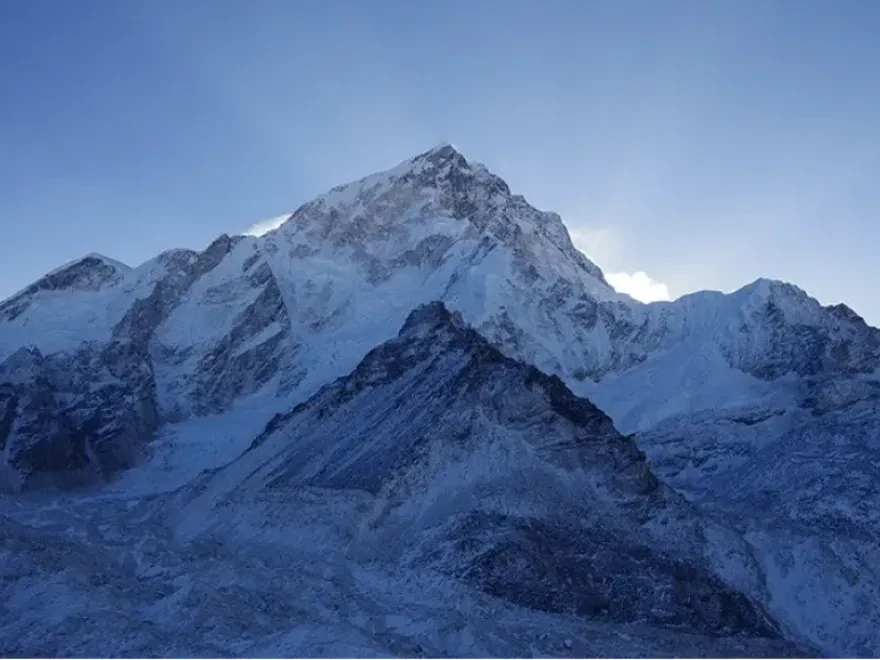
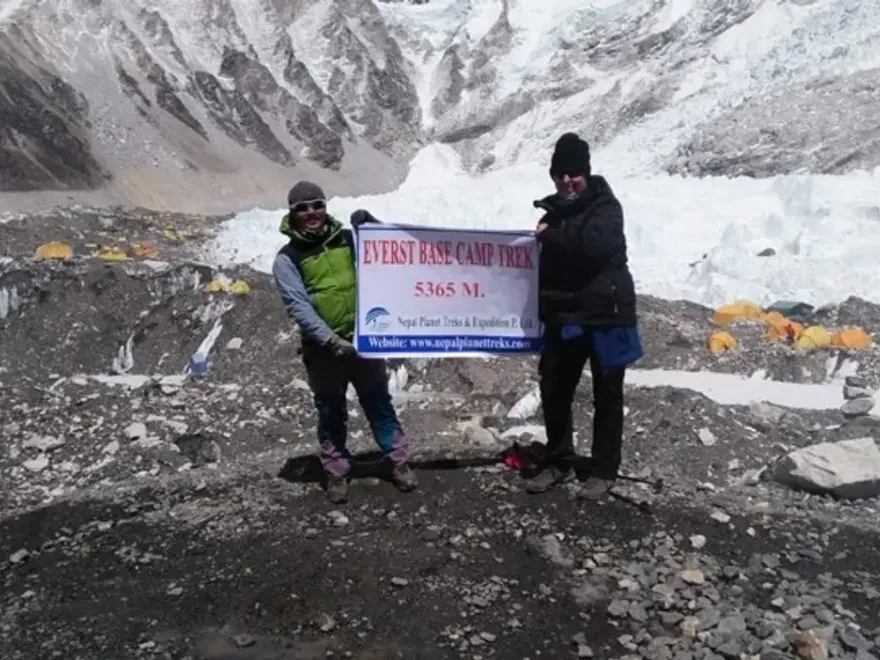
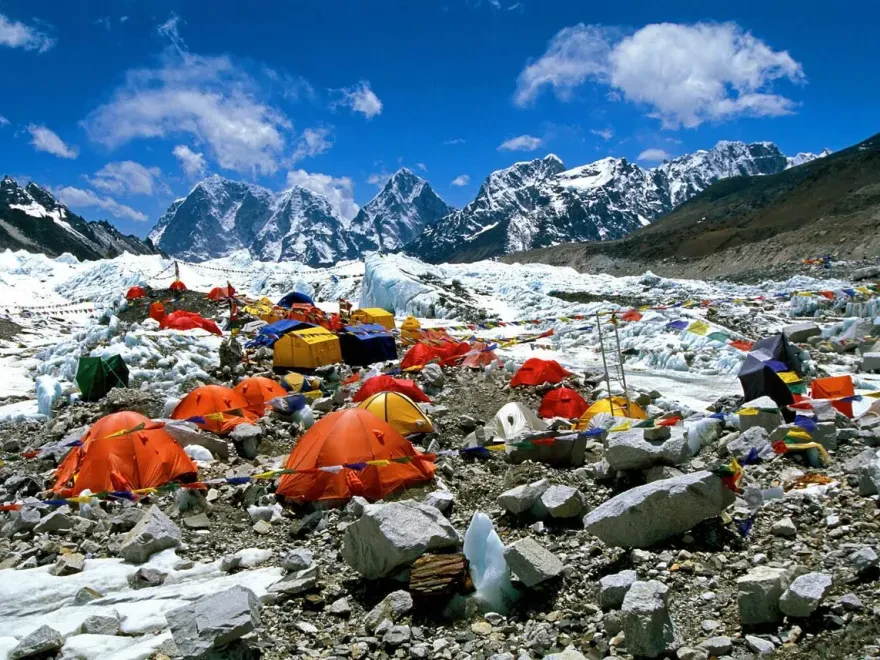
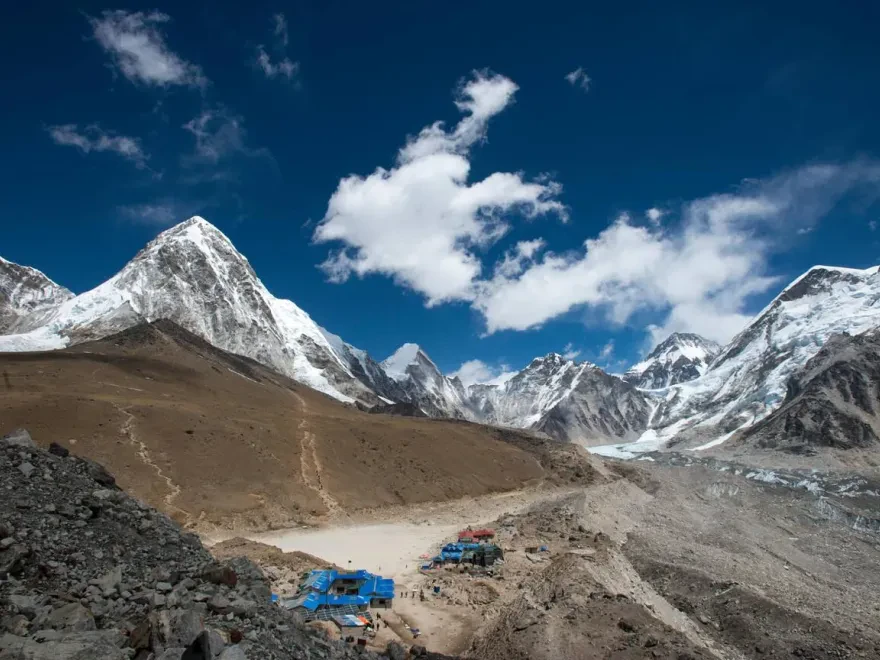
The Everest Base Camp Trek is one of the world’s most iconic trekking adventures, offering an unforgettable journey into the heart of the Himalayas. Operated with care and professionalism by Nepal Planet Treks & Expedition, this 14-day trek follows the legendary trail through the Khumbu region, leading trekkers to the foot of the world’s highest mountain—Mount Everest (8,848.86m). Starting from Kathmandu and a scenic flight to Lukla, the trek gradually ascends through charming Sherpa villages, alpine forests, suspension bridges, and glacial valleys.
This trek is not only about reaching Everest Base Camp (5,320m) but also about experiencing the cultural and natural richness of the region. Ancient monasteries like Tengboche Monastery, prayer wheels, mani walls, and colorful prayer flags reflect deep-rooted Tibetan Buddhist traditions. Along the way, trekkers enjoy panoramic views of towering peaks such as Ama Dablam, Lhotse, Nuptse, Makalu, and Everest itself. The sunrise view from Kala Patthar (5,550m) is a once-in-a-lifetime spectacle.
Nepal Planet Treks & Expedition ensures a safe, well-paced itinerary with proper acclimatization days in Namche Bazaar and Dingboche, reducing the risk of altitude sickness. With experienced local guides, porters, and excellent logistics, your dream of standing at Everest Base Camp becomes both achievable and enjoyable.
Choosing the right season is essential for a successful Everest Base Camp Trek. According to Nepal Planet Treks & Expedition, the best times to trek are spring (March–May) and autumn (September–November). These seasons provide stable weather, clear mountain views, and comfortable trekking conditions.
Spring is particularly popular due to warmer temperatures and blooming rhododendron forests at lower elevations. This season also coincides with Everest climbing expeditions, offering trekkers a lively atmosphere at Base Camp. Autumn, on the other hand, offers crisp air, excellent visibility, and post-monsoon freshness, making it ideal for photography and long-distance mountain views.
Winter (December–February) is colder and less crowded but suitable for experienced trekkers, while the monsoon season (June–August) brings heavy rain and flight delays, making trekking more challenging.
Best Trekking Months
The Everest Base Camp Trek is considered moderate to challenging, mainly due to altitude rather than technical difficulty. No prior mountaineering experience is required, but good physical fitness and mental preparedness are essential. Daily trekking hours range from 4 to 7 hours, with gradual elevation gain and rest days for acclimatization.
Transportation plays a vital role in this adventure. The trek begins with a thrilling 35-minute flight from Kathmandu to Lukla, known for its dramatic mountain landing. All ground transportation, domestic flights, and logistics are managed by Nepal Planet Treks & Expedition, ensuring a smooth and safe journey.
Difficulty Factors
During the trek, accommodation is provided in teahouses, which are clean, comfortable, and run by local families. Rooms are usually twin-sharing with basic facilities. At higher altitudes, facilities become simpler, but warmth and hospitality remain constant.
Meals are freshly prepared and carb-rich to support high-altitude trekking. Typical menus include dal bhat, noodles, pasta, soups, pancakes, eggs, and Tibetan bread. Nepal Planet Treks ensures hygienic food choices and safe drinking water options.
Accommodation & Food Highlights
To trek in the Everest region, two main permits are required. Nepal Planet Treks & Expedition handles all permit arrangements, saving you time and hassle.
Required Permits
These permits support conservation efforts and local community development.
The Everest Base Camp Trek is more than a journey—it’s a life-changing experience. Choosing Nepal Planet Treks & Expedition means trekking with a trusted, locally owned company that prioritizes safety, sustainability, and personalized service.
With years of experience, licensed guides, fair porter practices, and excellent reviews, Nepal Planet Treks stands out as a reliable trekking partner. Whether you’re a solo traveler, couple, or group, they tailor the trek to your pace and preferences.
Why Nepal Planet Treks?
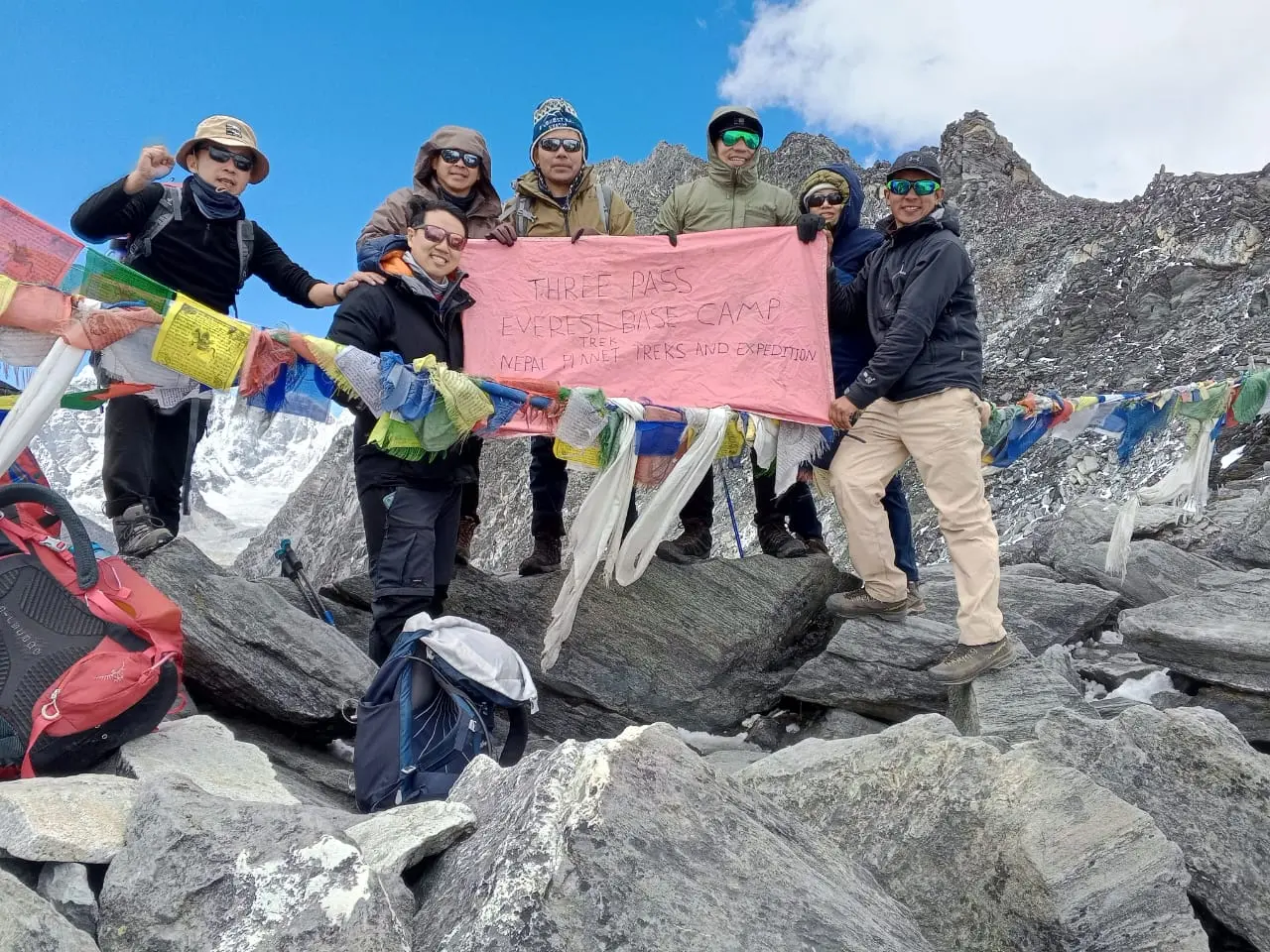
For those seeking more adventure, we offer exciting trekking packages tailored to your preferences. The Everest Panorama Trek features spectacular views and includes a short hike to Tengboche Monastery, Ama Dablam Base Camp, Island Base Camp, and Cho Oyo Base Camp. The Everest Three Passes trek is a more challenging option, taking you past major attractions in a counterclockwise route.
Short on time? Our one-day helicopter tour to Base Camp allows you to explore this incredible location and return in time for your other plans.
For an unforgettable vacation, we highly recommend the Everest Base Camp trek. Join Nepal Planet Treks to make your dream of visiting Everest a reality!
How long does the ascent to Everest Base Camp take?
Did you mean to say that it is possible to reach Everest Base Camp in just 8 days? You can spend the first 2 days acclimatizing and then spend the next 6 days trekking. Your journey will begin in two days, starting from Lukla to Phakding, followed by a trek from Phakding to Namche Bazaar. You will then spend a day at Namche Bazaar for acclimatization and another day hiking to Tengboche. From there, it will take another day of hiking to Dingboche, where you will spend a day adjusting to the altitude. Finally, after that, you may reach Everest Base Camp in just two days of hiking through Lobuche and Gorakshep.
How much does a hike to Everest Base Camp cost?
The cost of your trip to Everest Base Camp will depend on the services you require. It will be approximately 65 USD per day or 1165 USD per person for a total of 14 days. It is recommended that you extend your visa by a few days to account for any flight delays to or from Lukla Airport. The cost includes all other essential services such as accommodation, transportation to and from Lukla, porters, guides, and other necessary services. However, it does not cover any expenses related to sightseeing in the city.
What time of year is ideal for climbs to Everest Base Camp?
It is recommended to research the ideal time to visit each destination. According to Nepal Planet Treks, the best time to travel to Nepal is either before or after the rainy season. The ideal months to visit are from late September to early December and from mid-February to late May. If you want to witness the clear skies and the Everest region, the best time to visit Everest Base Camp is from October to November or from March to May.
What supplies or equipment should I take on my trips to Everest Base Camp?
To ensure a hassle-free trekking trip, it is important to pack appropriate gear and equipment for high-altitude trekking. If you are planning a trek to Everest Base Camp, Nepal Planet Treks offers a free standard-size sleeping bag and a free waterproof trekking backpack. Rentable hiking boots are also available. To make the most out of your trekking experience, we suggest packing the following essential items: a rainproof jacket, a headlamp or torch, a comfortable pair of socks, hiking boots, thermal undergarments, and footwear that will keep small stones out of your shoes. Most of the hiking equipment is available for purchase or rent in Thamel, the main tourist district in Kathmandu.
The 14-day Everest Base Camp trip always starts with a scenic flight to Lukla, which is an airport located on a Himalayan ridge. Upon arrival at this beautiful airport, we proceed to Phakding, where we will spend our first night on this incredible trek through Nepal. This amazing village, situated near a river, is an excellent place to end the first day of our Everest Base Camp tour. The next day, we continue our ascent through a jungle landscape and enter the Sagarmatha National Park. Fun fact: Locally, Everest is known as Sagarmatha. After a successful day of trekking, we reach Namche Bazaar, which is the largest settlement in the area and is primarily inhabited by Sherpas.
There are numerous attractions to explore in this town, ranging from intriguing museums to charming restaurants. It is a fantastic place to visit, particularly when embarking on an Everest Base Camp climb, as the streets are filled with unique handicrafts and Himalayan goods. At Nepal Planet Treks, we prioritize your safety, as acute mountain sickness is a serious matter that should not be taken lightly.
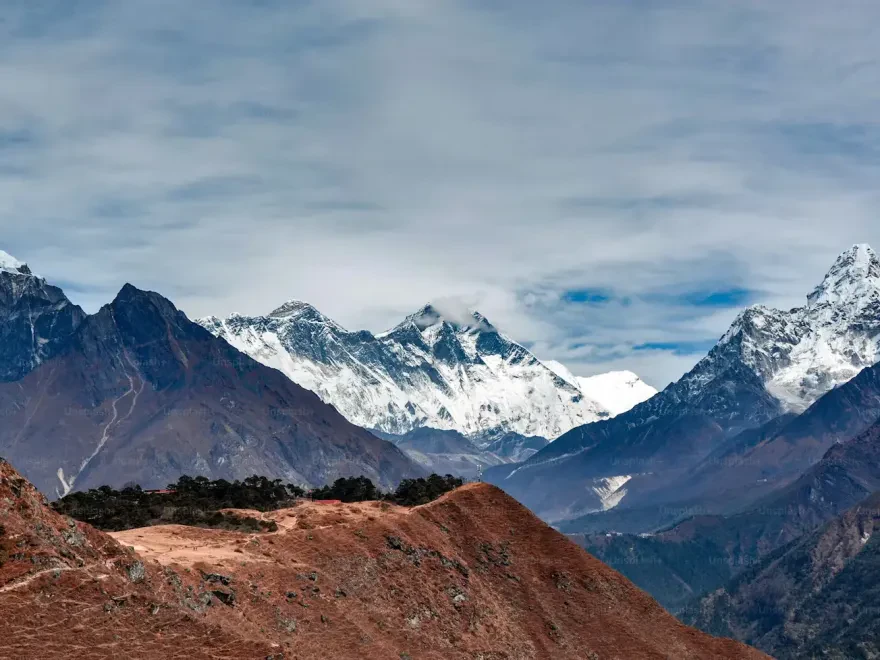
To prepare for higher altitudes, we will spend a day acclimatizing in a beautiful town. One way to do this is to hike up to the Everest View Hotel and Khumjung village. Although not all Everest trekking programs include this excursion, we can arrange it for you. As we continue our Everest Base Camp trek itinerary, we will travel to Tengboche, a famous Buddhist monastery and a great place to experience the local way of life. Talking to Buddhist monks and watching their peaceful meditation can be very inspiring. And of course, you will get to see Mount Everest, Ama-Dablam, and Lhotse while enjoying a hot drink from the Tengboche Western Bakery.
According to our Everest Base Camp trip schedule, on the following day we will head to Dingboche, where we will spend our second acclimatization day. During this time, we will climb up to Nagarjuna Peak to get breathtaking views of Mount Ama-Dablam, Mount Lhotse, Mount Makalu, Island Peak, and more. After a restful night, we will depart for Lobuche, where we will spend our final night before heading to our next destination. Everest Base Camp.
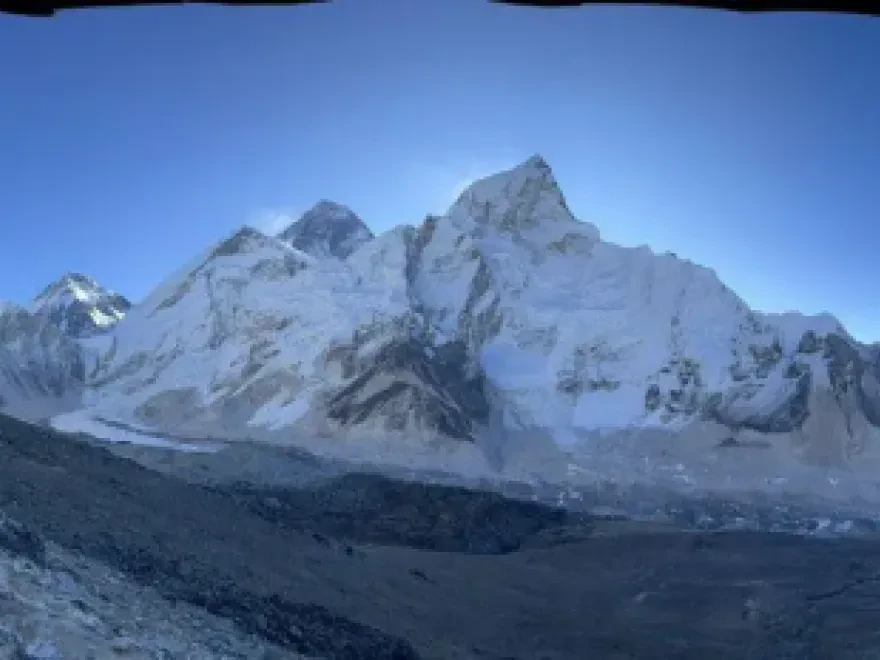
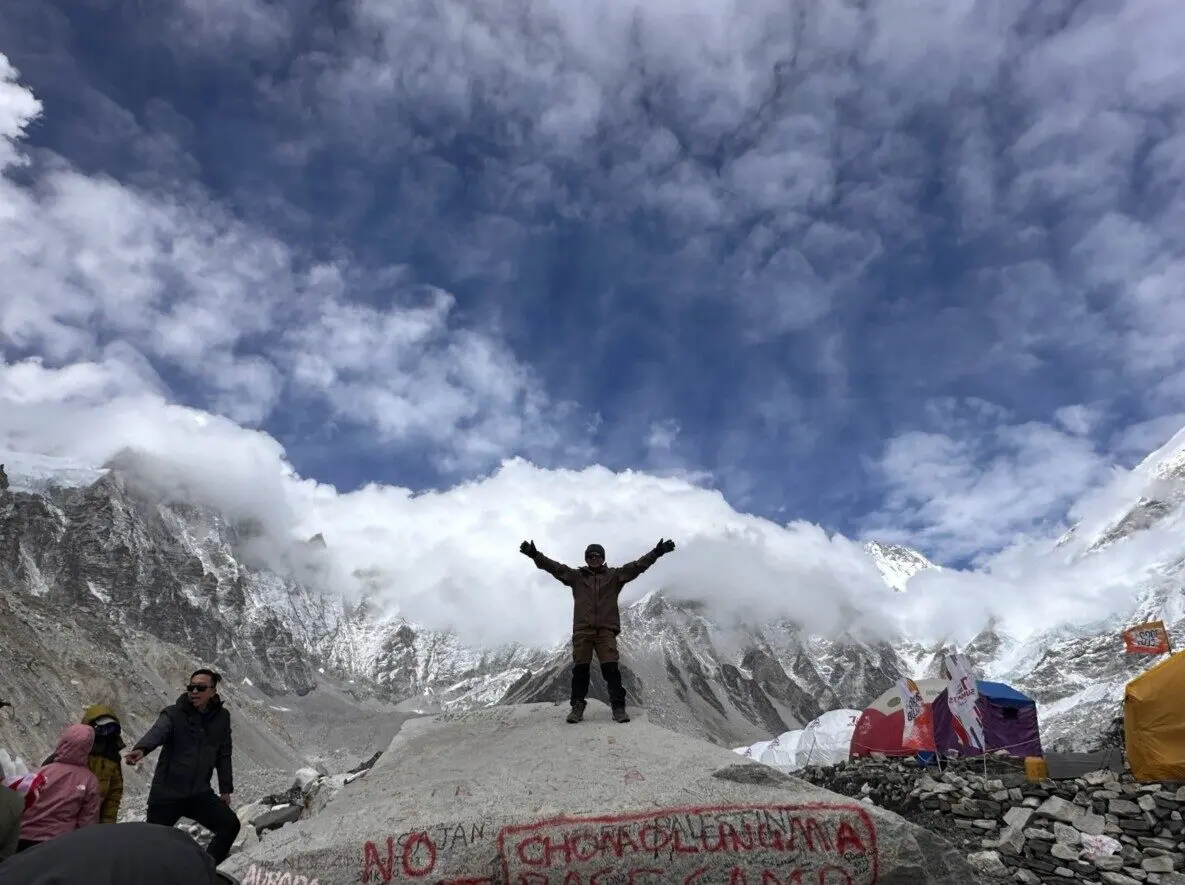
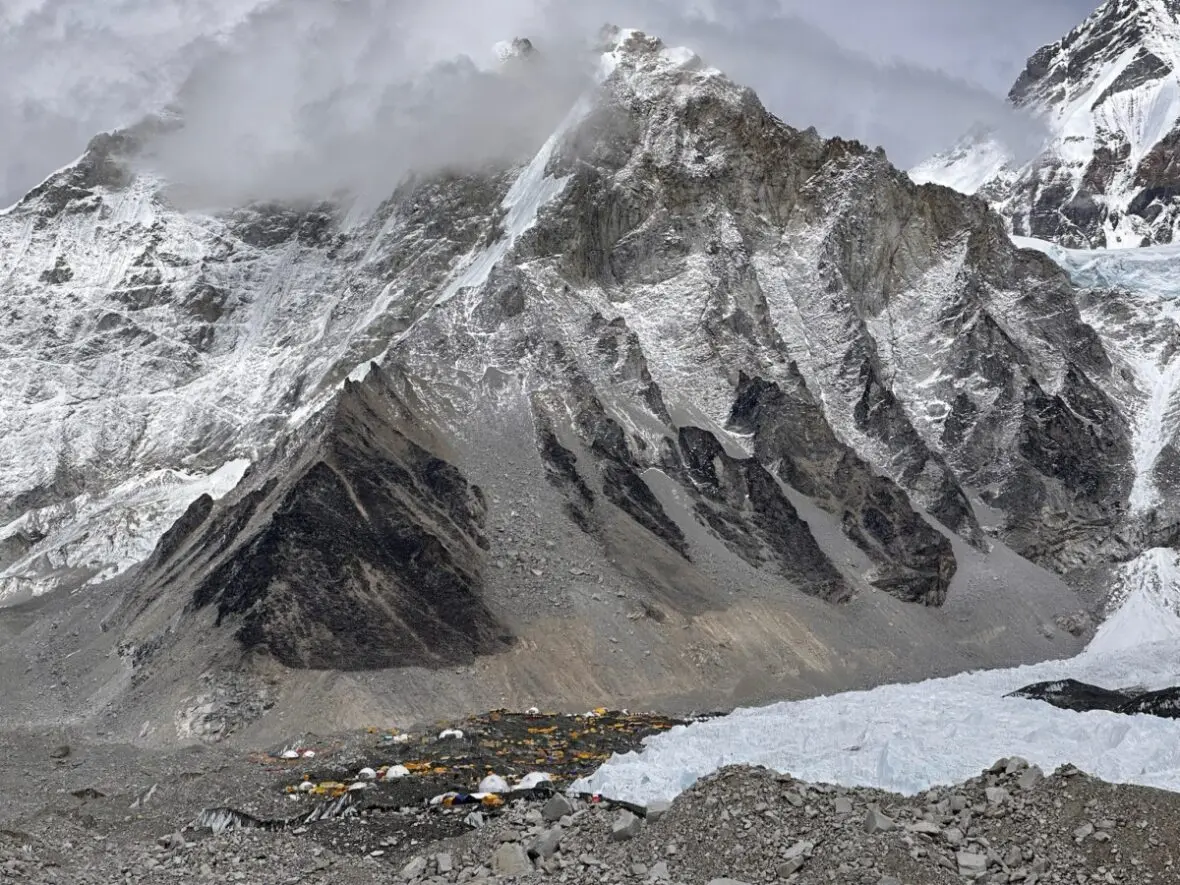
We will need to trek through challenging terrain for a few hours to reach Gorakshep from Lobuche. Once we arrive, we can store our bulky luggage at the guesthouse and proceed directly to Everest Base Camp. The feeling of arriving at this famous location is indescribable, with the Khumbu Glaciers lying beneath and the towering mountains around EBC. As the view of Mount Everest from base camp is not optimal, our guide will take you to Kalapatthar Hill the following morning for the best vista of the mountain and an amazing sunrise.
How much does it cost?
Budget around USD 1,200–$1,800 depending on services, guide, group size, and whether flights, meals, and permits are included.
What makes Nepal Planet Treks different?
They’ve been in the game for years, have solid reviews, use licensed local guides, and go above and beyond to make your trip personalized, safe, and memorable.
Mode of Trekking: The trek is fully lodge- and guesthouse-based (tea-house trekking) from Lukla to Lukla, providing basic but comfortable accommodation and meals throughout the route.
Trekking Grade: Moderate to Adventurous, mainly due to high altitude and long walking days. No technical climbing is required, but good physical fitness and mental preparedness are essential.
Trekking Area: Far North Mid-East Nepal, within the Khumbu–Everest region, offering spectacular Himalayan scenery and close views of Mount Everest and surrounding peaks.
Highest Points:
People & Culture: The region is inhabited by the Sherpa community, renowned for their mountaineering skills. Their culture is deeply influenced by Tibetan Buddhism, reflected in monasteries, prayer flags, mani walls, and daily lifestyle.
Duration:
Acclimatization: Proper acclimatization days at Namche Bazaar and Dingboche are included to reduce the risk of altitude sickness. Walking slowly, staying hydrated, and following the guide’s instructions are crucial.
Best Seasons:
Winter Trekking: Treks during December (Christmas) and January (New Year) are possible. Expect very cold temperatures and shorter daylight hours, but generally clear skies and fewer crowds.
Flights: Lukla flights are weather-dependent and subject to delays or cancellations. Extra buffer days are strongly recommended.
Health & Safety: High altitude can cause Acute Mountain Sickness (AMS). Immediate descent is required if symptoms worsen. Travel insurance covering high-altitude trekking and emergency evacuation is mandatory.
Daily Itinerary Highlights:
This trek is a once-in-a-lifetime Himalayan adventure, combining dramatic landscapes, rich Sherpa culture, and the unforgettable experience of standing at the base of the world’s highest mountain.
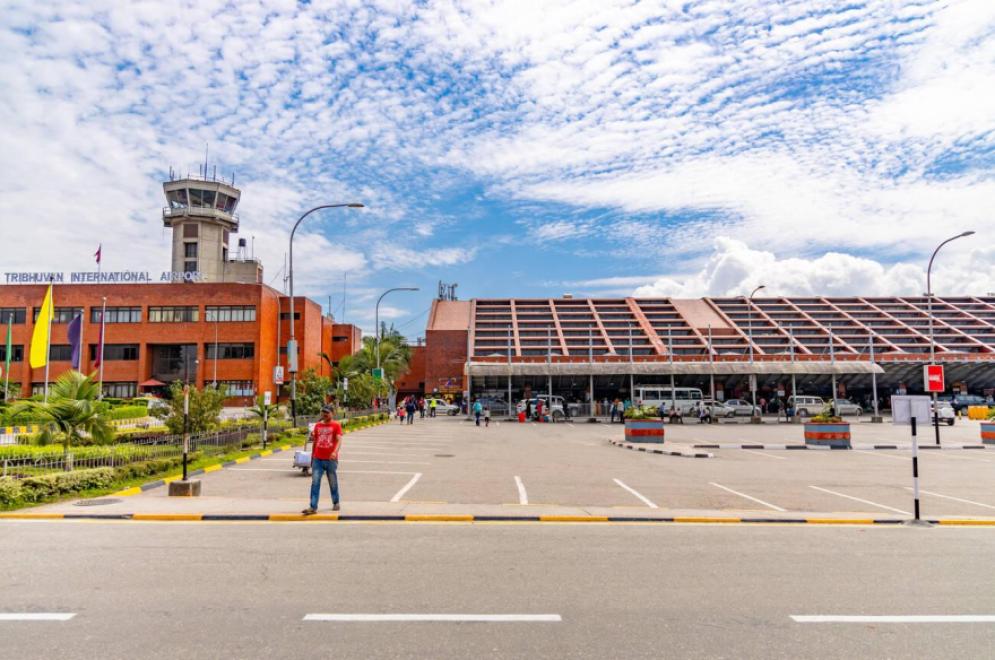
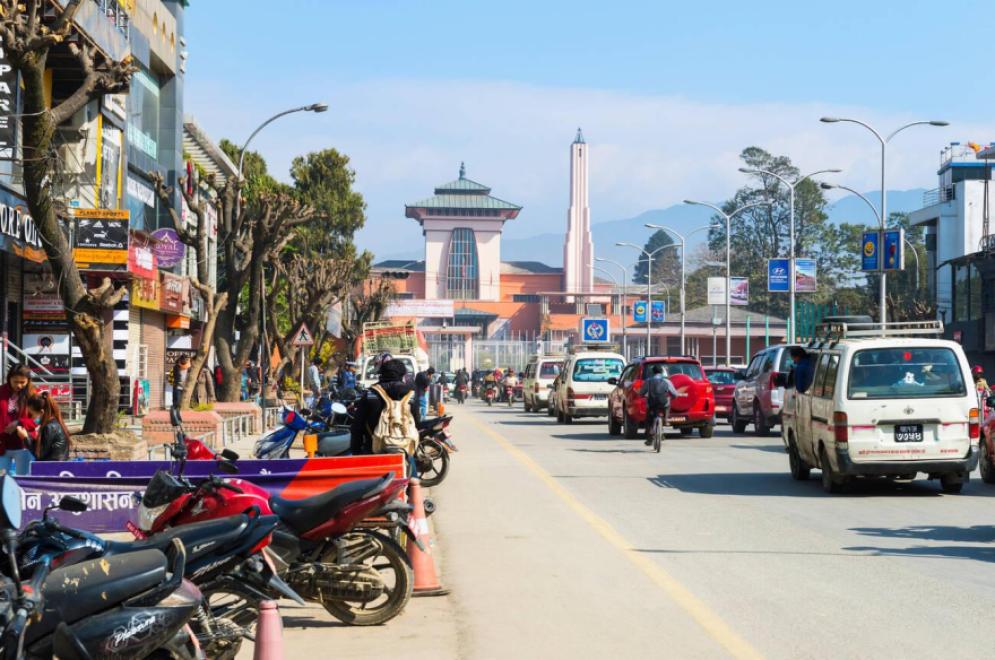
Upon your arrival at Tribhuvan International Airport in Kathmandu, a representative from Nepal Planet Treks & Expedition will warmly welcome you and arrange a comfortable private transfer to your hotel. After check-in, you will have time to rest, refresh, and recover from your journey. Later in the day, you will meet your experienced trekking guide for a comprehensive trek briefing. During this meeting, your guide will explain the Everest Base Camp trek route, daily walking hours, altitude considerations, and safety measures. Necessary trekking permits will be arranged, and assistance will be provided for last-minute equipment checks or rentals. In the evening, enjoy a welcome dinner featuring authentic Nepali cuisine while getting to know your trekking team. Overnight stay at a hotel in Kathmandu.
 Accommodation Hotel
 Max. altitude 1,300m / 4,265ft.
Flight to Lukla: Lukla is a small town located in the Khumbu region of Nepal. It is the gateway to the Everest region and is accessible by air. The flight from Kathmandu to Lukla takes approximately 30 to 40 minutes. However, please note that weather conditions in Lukla can be unpredictable, and flights are sometimes delayed or canceled. It’s advisable to check the weather and flight status in advance.
Trek from Lukla to Phakding: Once you reach Lukla, you can start your trek towards Phakding village. The distance between Lukla and Phakding is around 9 kilometers (5.6 miles). The trail descends gradually through beautiful landscapes, passing through small Sherpa villages and crossing suspension bridges over the Dudh Koshi River. The trek from Lukla to Phakding usually takes around 3 to 4 hours, depending on your pace overnight at Phakding Village.
Accommodation Tea House / Lodge  Meals Breakfast, Lunch, Dinner Max. altitude 2,652m / 8,701ft.
The trek from Phakding to Namche Bazaar is an exciting part of the Everest Base Camp trek. It covers a distance of approximately 9 kilometers (5.6 miles) and takes about 5 to 6 hours to complete. The trail follows the Dudh Koshi River, crossing suspension bridges and passing through picturesque Sherpa villages like Jorsalle and Monjo. As you ascend, the terrain becomes steeper, and you’ll experience a mix of uphill and downhill sections. The highlight of this leg is the challenging climb up the “Namche Hill,” which rewards you with stunning panoramic views of the Everest region. Namche Bazaar, located at an altitude of around 3,440 meters (11,286 feet), is the largest Sherpa town and a bustling hub with numerous teahouses, shops, and facilities for trekkers, overnight Namche Bazar
Accommodation Tea House / Lodge Meals Breakfast, Lunch, Dinner Max. altitude 3,440m / 11,286ft. Acclimatization is a crucial aspect of trekking in the Everest region, and Namche Bazaar provides an ideal location for a rest day to aid in acclimatization. Situated at an altitude of around 3,440 meters (11,286 feet), spending an extra day in Namche allows your body to adjust to the higher elevation. During this day, you can explore the vibrant Sherpa town, visit the Everest View Hotel for breathtaking mountain vistas, or take a short hike to nearby viewpoints like Syangboche or Khumjung. It is essential to take it easy, hydrate well, and listen to your body’s needs to ensure a safe and enjoyable trekking experience. overnight Namche Bazaar.
Accommodation Tea House / Lodge Meals Breakfast, Lunch, Dinner Max. altitude 3,440m / 11,286ft. After breakfast, we are trekkers heading to Everest Base Camp in the Khumbu region of Nepal. Tangboche village, located at an altitude of around 3,867 meters, is 8/9 kilometers (5.7 miles) in a straight line. However, due to the nature of the mountainous terrain, the actual trekking distance can be longer, usually taking around 5–6 hours, and you will be in Tangboche Village.
Accommodation Tea House / Lodge Meals Breakfast, Lunch, Dinner Max. altitude 3,980m / 13,058ft. Today After breakfast, we are trekking to Dingbuche village. Tangboche to Dingboche is a popular trekking route in the Everest region of Nepal. The distance between the two villages is approximately 9 kilometers (5.6 miles). The trail offers stunning views of snow-capped peaks, including Ama Dablam. It usually takes around 3 to 4 hours to complete the trek, depending on individual fitness levels. Dingboche is known for its beautiful landscapes and serves as a popular acclimatization stop for trekkers heading toward Everest Base Camp. overnight Dingboche Village
Accommodation Tea House / Lodge Meals Breakfast, Lunch, Dinner Max. altitude 4,480m / 14,698ft. Dingboche is indeed a common acclimatization stop during treks in the Everest region. On the acclimatization day in Dingboche, trekkers typically stay at the village and engage in activities to help their bodies adjust to the high altitude. It is advisable to take short hikes to higher elevations and then descend back to Dingboche for rest. This process aids in the gradual adaptation to thin air and reduces the risk of altitude-related illnesses. Additionally, it is recommended to hydrate well, eat nutritious meals, and take it easy to allow the body to adjust effectively. overnight Dingboche village.
Accommodation Tea House / Lodge Meals Breakfast, Lunch, Dinner Max. altitude 4,480m / 14,698ft. The trek from Dingboche to Lobuche is an exciting part of the Everest Base Camp trek. The distance between the two villages is approximately 7 kilometers (4.3 miles). The trail takes you through scenic landscapes and rocky terrain and offers breathtaking views of the surrounding mountains. It usually takes around 3 to 4 hours to complete the trek, depending on the pace of the trekker. Lobuche serves as another acclimatization stop before heading towards Everest Base Camp. overnight in Dingboche village
Accommodation Tea House / Lodge Meals Breakfast, Lunch, Dinner Max. altitude 4,928m / 16,168ft. The trek from Lobuche to Gorak Shep to Everest Base Camp is a thrilling leg of the journey. The distance between Lobuche and Gorak Shep is approximately 4 kilometers (2.5 miles). The trail is challenging, with rocky terrain and a higher altitude. It takes around 2 to 3 hours to reach Gorak Shep, a small settlement located at an elevation of 5,164 meters (16,942 feet). we check in the room and have lunch From Gorak Shep, trekkers can continue for another 2 to 3 hours to reach Everest Base Camp, which stands at an elevation of 5,364 meters (17,598 feet). The views along this trek are awe-inspiring, surrounded by towering peaks and glaciers. Back to Gorak Shep, overnight in Gorakshep village,
Accommodation Tea House / Lodge Meals Breakfast, Lunch, Dinner Max. altitude 5,320m / 17,454ft. Early in the morning, in Gorak Shep, trekkers can embark on a journey to Kalapatthar. The distance from Gorak Shep to Kalapatthar is approximately 2.5 kilometers (1.6 miles). It takes around 2 hours to ascend to the viewpoint of Kalapatthar, which offers stunning panoramic views of Mount Everest and the surrounding Himalayan range. After enjoying the breathtaking vistas, trekkers usually descend back to Gorak Shep after breakfast and can continue their trek back to Pheriche village, which is approximately 12 kilometers (7.5 miles) away and takes around 4 to 5 hours. Pheriche is a picturesque village located at an altitude of 4,240 meters (13,910 feet) and serves as a resting point for trekkers. Overnight Pheriche Village.
Accommodation Tea House / Lodge Meals Breakfast, Lunch, Dinner Max. altitude 4,358m / 14,298ft. The trek from Pheriche to Namche Bazaar is a scenic route in the Everest region. The distance between the two villages is approximately 13 kilometers (8 miles). The trail passes through charming Sherpa villages, lush forests, and suspension bridges. It usually takes around 5 to 6 hours to complete the trek, depending on the pace. Namche Bazaar is a bustling town and the gateway to Everest, offering amenities such as accommodation, restaurants, and shops for trekkers. overnight in Namche Bazaar.
Accommodation Tea House / Lodge Meals Breakfast, Lunch, Dinner Max. altitude 3,440m / 11,286ft. The trek from Namche Bazaar to Lukla is the final leg of the Everest Base Camp trek. The distance between the two is approximately 18 kilometers (11 miles). It usually takes around 6 to 8 hours to complete the trek, depending on the pace. Lukla is the starting point and endpoint of most Everest treks, and it has an airport for flights back to Kathmandu. overnight Lukla
Accommodation Tea House / Lodge Meals Breakfast, Lunch, Dinner Max. altitude 2,800m / 9,186ft. After the last mountain breakfast, fly back from Lukla to Kathmandu. The flight from Lukla to Kathmandu takes around 30 to 40 minutes, depending on weather conditions. It offers spectacular aerial views of the Himalayas. Upon reaching Kathmandu, trekkers can relax, celebrate their achievements, and explore the vibrant city before heading home. overnight Kathmandu
Accommodation Tea House / Lodge Meals Breakfast, Lunch, Farewell Dinner Max. altitude 1,300m / 4,265ft. We will drop you off at Kathmandu International Airport three hours prior to your departure, ensuring you have ample time for check-in and other pre-flight procedures. Please let us know if you have any specific requirements or preferences for your drop-off.
Accommodation NA Meals Breakfast Max. altitude 1,300m / 4,265ft. 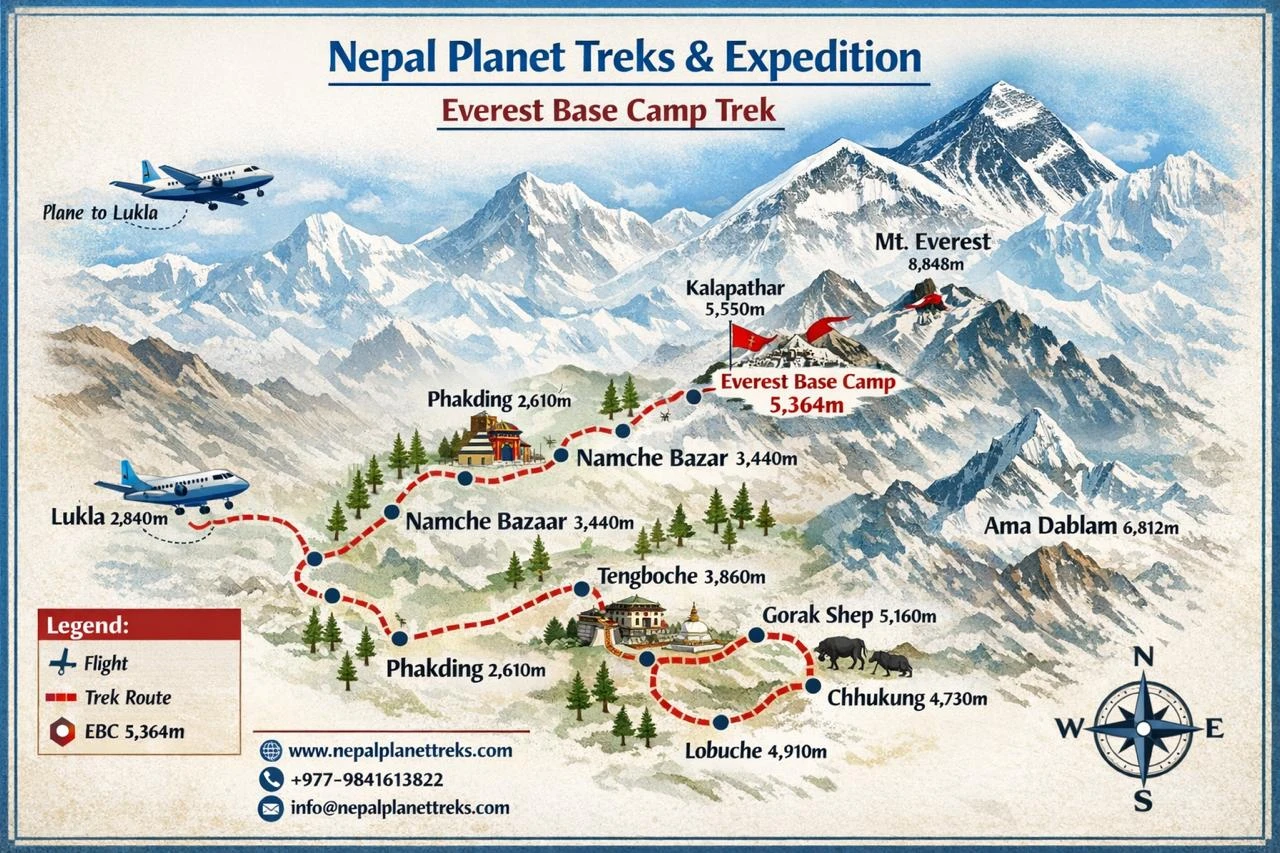
The Everest Base Camp (EBC) Trek is an iconic adventure in the Himalayas, offering stunning views of the world’s highest peaks, Sherpa culture, and an unforgettable trekking experience. Ideal for moderately fit trekkers, this journey combines natural beauty with cultural immersion.
Key Points:
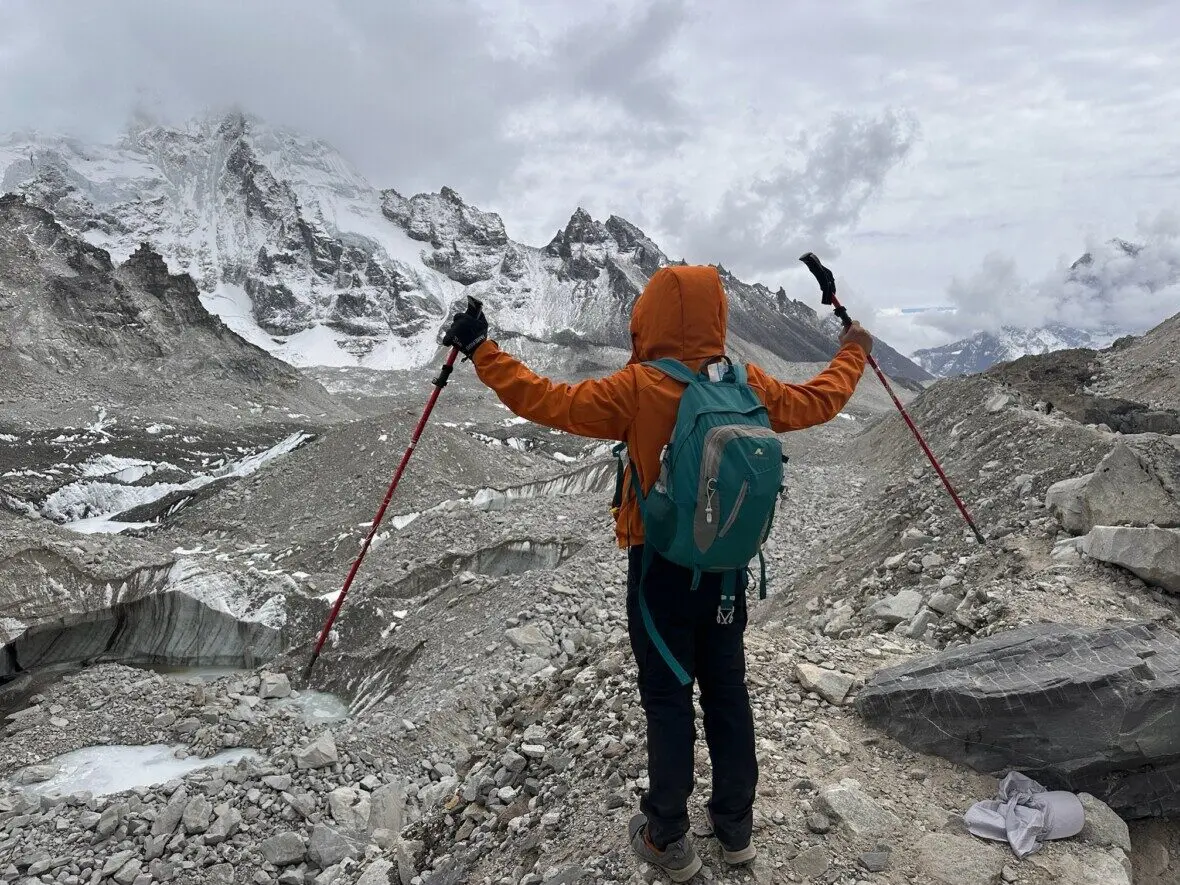
No prior trekking experience is strictly required, but good physical fitness is essential. The trek involves long days of walking, steep ascents, and high-altitude conditions. Nepal Planet Treks & Expedition recommends at least 3-4 months of regular cardio training such as walking, running, or cycling, combined with some strength exercises. Experience in moderate-altitude trekking can help, but with proper acclimatization and guidance, beginners can also successfully complete the trek.
The trek is considered moderate to challenging due to the combination of daily walking hours, altitude gain, and rugged terrain. Hikers will cover 3,000 to 5,500 meters (9,800–18,200 ft) over several days. Nepal Planet Treks & Expedition emphasizes that the difficulty comes more from altitude and long trekking days rather than technical climbing. Proper acclimatization, staying hydrated, and walking at a steady pace significantly reduce difficulty and risk.
Altitude sickness is a real concern on the Everest Base Camp Trek, as trekkers ascend to over 5,500 meters (18,000 ft). Symptoms include headaches, nausea, dizziness, and shortness of breath. Nepal Planet Treks & Expedition follows a strict acclimatization schedule, including rest days at Namche Bazaar and Dingboche. To prevent altitude sickness, trekkers should walk slowly, stay hydrated, avoid alcohol, and never ascend faster than recommended. In severe cases, descent is the safest solution.
Daily walking hours vary between 3 to 8 hours, depending on the section of the trek. The trail is a combination of gradual ascents, steep climbs, and some uneven terrain. Nepal Planet Treks & Expedition structures the itinerary to allow a gradual ascent with rest and acclimatization days, reducing the risk of fatigue and altitude sickness while providing sufficient time to enjoy the scenery and local culture.
Yes, the Everest Base Camp Trek can be combined with other Himalayan experiences, such as helicopter tours, Everest viewpoints, or longer treks like Gokyo Lakes. Nepal Planet Treks & Expedition can create customized packages based on your interests, fitness level, and available time. Whether it’s a short trek, cultural exploration, or adventure trekking, our team ensures a safe, memorable, and well-organized Himalayan experience.
The trek begins with a flight from Kathmandu to Lukla, a scenic but sometimes challenging mountain airport flight. The return is by flight back to Kathmandu from Lukla. Nepal Planet Treks & Expedition coordinates all flights, permits, and airport transfers, ensuring a smooth journey. Flights are weather-dependent, and slight delays are common, so flexibility is important.
Nepal Planet Treks & Expedition offers expert local guides, personalized itineraries, and complete support for Everest Base Camp trekkers. Our team prioritizes safety, comfort, and authentic experiences, including cultural interactions with Sherpa communities. With years of experience organizing Himalayan treks, we ensure you enjoy a once-in-a-lifetime adventure while minimizing risks and maximizing memories.
The Everest Base Camp Trek can be undertaken throughout the year, but the best seasons are pre-monsoon (March to May) and post-monsoon (September to November). During these periods, the weather is generally stable, skies are clear, and the mountain views are breathtaking. March to May also offers beautiful rhododendron blooms, while September to November is ideal for trekking with minimal rainfall and crisp, clear views of the Himalayas. Nepal Planet Treks & Expedition advises avoiding the monsoon months (June to August) due to heavy rainfall, landslides, and slippery trails.
Accommodation along the route consists mainly of teahouses or lodges. These are simple but comfortable, offering twin or triple rooms with shared or private bathrooms, hot showers (for a fee), and basic meals. Nepal Planet Treks & Expedition selects teahouses that maintain good hygiene and offer safe sleeping arrangements. As you climb higher, the facilities become more basic, but the lodges still provide shelter, food, and a cozy place to rest after long days of trekking.
The Everest region teahouses serve a combination of Nepali, Tibetan, and Western dishes. Popular meals include dal bhat (lentil soup with rice), momo (dumplings), noodles, soups, and pasta. While vegetarian options are available, fresh vegetables and fruits are limited at higher altitudes. Nepal Planet Treks & Expedition ensures trekkers have access to nutritious meals that help maintain energy and strength for the trek.
While it is possible to trek independently, Nepal Planet Treks & Expedition strongly recommends hiring a licensed guide and/or porter. Guides provide local knowledge, navigate the trails safely, monitor health for altitude sickness, and enrich the experience with cultural insights. Porters can carry heavy luggage, allowing trekkers to focus on trekking safely and comfortably. Hiring a guide or porter also supports the local economy.
Trekking in the Everest region requires layered clothing to handle fluctuating temperatures. Essentials include thermal base layers, fleece jackets, down jackets, trekking pants, waterproof jackets, gloves, warm hats, sturdy trekking boots, and sunglasses. Nepal Planet Treks & Expedition also recommends packing a sleeping bag rated for cold temperatures, trekking poles, a water bottle, sunscreen, and personal medication. Packing smart ensures comfort and safety during the trek.