Join our fixed departure treks.  4.9 of 528 reviews
  4.8 of 214 reviews
4.9 of 528 reviews 4.8 of 214 reviews 
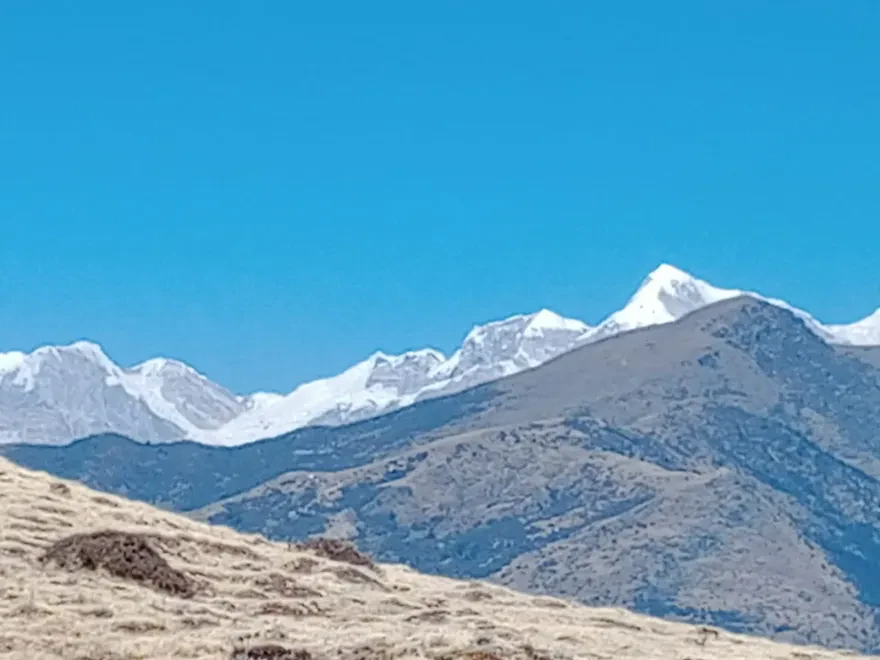
The Pikey Peak Trek is a spectacular trekking experience in the Solukhumbu district of Nepal, offered by Nepal Planet Treks & Expedition. This trek is renowned for its panoramic Himalayan views, including Everest, Kanchenjunga, Makalu, and Annapurna, making it one of the most scenic treks in Nepal. Unlike the popular Everest Base Camp trek, the Pikey Peak Trek remains relatively untouched by large crowds, allowing trekkers to enjoy a serene and authentic cultural experience. The journey passes through charming Sherpa villages, rhododendron and oak forests, and scenic ridges that showcase the natural beauty of the region.
The trek typically begins from Dhap or Phaplu, which are accessible by road from Kathmandu. From the starting point, the trail winds through traditional Sherpa settlements such as Jhaper, Junbesi, and Saleri, providing trekkers a glimpse into the local lifestyle and Buddhist culture. Along the way, you’ll encounter ancient monasteries, prayer flags, and mani walls that reflect the spiritual essence of the region. A highlight of the trek is reaching Pikey Peak (4,065m), famously praised by Sir Edmund Hillary for offering one of the best panoramic views of Mount Everest. The trek usually takes 5-7 days to complete, depending on the chosen route and pace.
Highlights of Pikey Peak Trek:
The best time to trek Pikey Peak is during spring (March to May) and autumn (September to November). These seasons offer clear skies, pleasant weather, and stunning visibility of the Himalayan range. In spring, the hills and forests bloom with vibrant rhododendrons, adding a splash of color to the trail. Autumn is also ideal as the post-monsoon skies are crisp, and the mountain panoramas are unobstructed, making it perfect for photography and enjoying the natural scenery.
Winter (December to February) can be very cold, particularly at higher altitudes, and snowfall may block some paths, while the summer monsoon (June to August) brings heavy rainfall, making trails slippery and prone to landslides. Trekking in these off-seasons is only recommended for experienced trekkers prepared for harsh conditions. By choosing the optimal season, trekkers can ensure a safer, more comfortable, and visually rewarding journey.
Best season key points:
The Pikey Peak Trek is considered a moderate trek, suitable for both beginner and experienced trekkers. The trail involves gradual ascents and descents, with the highest point being Pikey Peak at 4,065 meters. The trek requires basic physical fitness, and trekkers should be prepared for long walking days of 4-6 hours, occasionally climbing steep paths to reach viewpoints. Compared to Everest Base Camp or other high-altitude treks, Pikey Peak offers a more relaxed pace and less strenuous altitude gain, reducing the risk of altitude sickness.
Transportation for Pikey Peak Trek:
Key points:
During the Pikey Peak Trek, accommodation is mostly in teahouses and lodges located in Sherpa villages along the trail. Teahouses provide basic but comfortable rooms with shared or private bathrooms. The lodges often have cozy common areas where trekkers can relax, enjoy meals, and meet fellow travelers. The journey through remote villages ensures authentic cultural experiences while enjoying traditional hospitality.
Food along the trek is simple, nutritious, and caters to the needs of trekkers. You can enjoy local Nepali dishes such as dal bhat (rice with lentil soup), momo (dumplings), noodles, and soups. Many teahouses also offer continental meals and beverages like tea, coffee, and hot chocolate. Trekkers should carry some snacks and energy bars for long walking days, especially when reaching remote sections with limited food options.
Food and accommodation highlights:
To trek in the Solu region where Pikey Peak is located, trekkers are required to obtain specific permits. Nepal Planet Treks & Expedition assists with arranging all permits before or during your trip. Key permits include:
Permits are easy to obtain through licensed trekking agencies, and it is recommended not to attempt trekking without proper documentation. Having permits ensures access to trails, teahouses, and local villages while supporting local conservation efforts.
Key points for permits:
Pikey Peak Trekking is ideal for trekkers seeking off-the-beaten-path adventures in Nepal. Unlike the crowded Everest Base Camp trek, Pikey Peak offers serene trails with fewer tourists, allowing a more personal connection with nature and local culture. Trekkers can witness breathtaking Himalayan panoramas, explore Sherpa villages, and experience Buddhist traditions in a peaceful environment.
The trek is highly recommended for those who appreciate moderate trekking challenges, cultural immersion, and stunning sunrise and sunset views from the peak. Nepal Planet Treks & Expedition ensures a safe, well-organized experience, with expert guides, comfortable teahouse stays, and private transportation, making the journey stress-free and memorable. The combination of natural beauty, cultural richness, and authentic hospitality makes Pikey Peak Trekking a rewarding adventure for all.
Reasons to choose Pikey Peak Trek:
Upon arrival at Tribhuvan International Airport, our team from Nepal Planet Treks & Expedition will warmly welcome you and transfer you to your hotel in Thamel, the bustling tourist hub of Kathmandu. After check-in, take some time to refresh and unwind from your flight. Later, we will discuss your trekking program and answer any questions you may have. In the afternoon, you can stroll around Thamel, exploring its vibrant streets, shops, and cafes. Overnight stay in Kathmandu provides a perfect start to your Himalayan adventure.
After breakfast, we depart Kathmandu by jeep or bus along scenic highways, following the Sunkoshi River valley. The drive offers spectacular views of terraced fields, forested hills, and traditional villages. We stop in Ghurmi for lunch before continuing through dense forests and winding roads. Arriving at Dhap Village in the late afternoon, you will check in at a neat and clean local teahouse. Spend the evening exploring the village, enjoying the serene surroundings, and interacting with locals. Overnight stay is at Dhap Village, where the air is crisp and peaceful.
After a hearty breakfast, the trek begins through forests and traditional villages en route to Jhaper Village. Along the way, enjoy panoramic views of the surrounding Himalayan peaks. The trail gently ascends and descends, giving trekkers the perfect opportunity to immerse themselves in nature and observe local farming and cultural practices. Upon arrival in Jhaper Village, check into a cozy local teahouse and relax. In the evening, witness a breathtaking sunset over the valley with views of Everest, Nuptse, and other majestic peaks. Overnight in Jhaper Village.
After breakfast, the trek begins with a gradual ascent from Jhaper to Bhulbhule Village, offering panoramic views of the Everest region. From there, continue through rhododendron forests that bloom vibrantly in spring, creating a colorful spectacle. The trail winds upward to Pikey Base Camp, providing magnificent vistas of snow-capped peaks along the way. Upon arrival, check into a neat local teahouse, rest, and soak in the serene atmosphere of the mountains. This evening offers a quiet, peaceful experience at base camp, surrounded by untouched natural beauty. Overnight at Pikey Base Camp.
Wake up early for a pre-dawn hike to the summit of Pikey Peak (4,045m). The sunrise from the top is spectacular, offering 360-degree views of Everest, Lhotse, Thamserku, and other Himalayan giants. After capturing these breathtaking moments, descend back to the base for a hearty breakfast. The trek then continues downhill to Junbesi Village, passing through lush forests and small hamlets. The 5-6 hour walk is peaceful and scenic, allowing time to reflect on the mountain vistas. Arrive in Junbesi for an overnight stay in a clean local teahouse.
Today’s trek descends from Junbesi through forests, terraced fields, and charming villages, offering close encounters with local culture. The trail is moderately challenging, with a mix of uphill and downhill sections, perfect for those who enjoy active trekking. As you move along, observe local monasteries, traditional houses, and daily life, capturing the essence of rural Nepal. Upon arrival in Phaplu, relax in a peaceful environment and enjoy the serene mountain air. Overnight stay in Phaplu allows rest and rejuvenation before the return journey to Kathmandu.
After breakfast, we drive back to Kathmandu, descending through scenic hills, forests, and rivers. The 280 km journey takes about 8–9 hours, offering stunning views of Nepal’s diverse landscapes. Along the way, witness traditional villages, terraced fields, and rural life, giving a final glimpse of the Himalayan region. The drive is long but rewarding, providing time to reflect on your trek and savor memories of your adventure. Upon arrival in Kathmandu, check into your hotel and enjoy the lively city atmosphere for your last night in Nepal.
After breakfast, you will be transferred to Tribhuvan International Airport for your onward flight. Arrive at the airport at least three hours before departure to complete check-in and security formalities comfortably. Take a moment to relax, reflect on the incredible trek, and savor your last glimpses of the Himalayan landscapes. Our team ensures a smooth departure, wishing you safe travels and hoping to welcome you back to Nepal for another adventure with Nepal Planet Treks & Expedition.
The Pikey Peak trek is considered moderate, requiring a reasonable level of physical fitness. Trekkers should be comfortable walking 4–6 hours a day on hilly terrain, with some steep ascents and descents. It is suitable for beginners who prepare in advance with light to moderate physical activity, such as hiking, jogging, or stair climbing. Nepal Planet Treks & Expedition ensures the pace of the trek is manageable and offers guidance to help trekkers adjust and rest as needed, making it accessible to most healthy individuals.
No prior trekking experience is required for Pikey Peak. This trek is suitable for first-time trekkers who are physically fit and enjoy nature and Himalayan scenery. While some parts of the trail are steep, Nepal Planet Treks & Expedition provides experienced guides who ensure safety, help with pacing, and assist with acclimatization. Our team also offers advice on walking techniques, altitude adjustment, and proper gear, making the trek enjoyable and safe even for beginners who may be unfamiliar with high-altitude trekking.
Altitude sickness is unlikely on the Pikey Peak trek, as the highest point reaches approximately 4,045 meters. However, Nepal Planet Treks & Expedition advises taking necessary precautions, including ascending gradually, staying hydrated, and avoiding overexertion. Guides monitor trekkers closely for symptoms such as headaches, nausea, or dizziness and can recommend rest days or descent if necessary. Proper acclimatization, regular walking breaks, and a moderate trekking pace help ensure a safe and enjoyable experience. Most trekkers experience little or no altitude issues on this moderate trek.
Mobile connectivity along the Pikey Peak trek is limited. While some villages have partial coverage, signal strength is often weak or intermittent, especially at higher altitudes. Internet access is minimal in remote tea houses, although a few lodges may offer limited Wi-Fi. Nepal Planet Treks & Expedition encourages trekkers to disconnect and enjoy the natural surroundings. For emergencies, guides carry satellite phones or other communication devices to ensure safety and maintain contact with base operations. This limited connectivity helps create a peaceful, immersive trekking experience.
Yes, Nepal Planet Treks & Expedition can customize the Pikey Peak trek to suit your preferences, fitness level, and schedule. Options include adding extra rest days, exploring nearby villages, extending the trek to include viewpoints, or combining it with other Himalayan routes. Our team will work closely with you to design a trek that balances adventure, scenic exploration, and cultural experiences. Customized itineraries allow flexibility for photography, meditation, or even shorter routes for families or groups with varying levels of fitness while ensuring a safe and memorable journey.
The best time to trek Pikey Peak is during the pre-monsoon (March to May) and post-monsoon (September to November) seasons. In spring, rhododendrons bloom along the trail, creating vibrant, colorful scenery, while autumn offers clear skies and panoramic views of the Himalayas, including Everest and Makalu. Nepal Planet Treks & Expedition recommends avoiding the monsoon season (June to August) due to heavy rainfall, slippery trails, and limited visibility. Winter (December to February) is also possible but can be very cold with occasional snow.
The Pikey Peak trek typically starts with a drive from Kathmandu to Dhap Village or Phaplu, depending on your itinerary. The journey involves scenic road travel through valleys, rivers, and rural landscapes, taking approximately 7–9 hours. Nepal Planet Treks & Expedition arranges comfortable transportation with experienced drivers, ensuring safety and multiple stops for rest and refreshments. For trekkers flying into Lukla, alternative routes can be arranged. Once at the trailhead, our guides will lead you through the villages and forests toward Pikey Peak, ensuring a smooth start to your adventure.
Accommodation during the Pikey Peak trek is in clean and comfortable local tea houses or lodges. Nepal Planet Treks & Expedition carefully selects accommodations that provide basic amenities, including beds, blankets, and sometimes hot showers. Facilities are simple but cozy, offering a welcoming environment to relax after a day of trekking. Meals are prepared in the tea houses, giving trekkers a taste of local Nepali cuisine. Despite the rustic setting, the tea houses are well-maintained and provide a culturally immersive experience in the remote Himalayan villages.
Nepal Planet Treks & Expedition provides three meals a day during the Pikey Peak trek. Breakfast usually includes porridge, eggs, bread, and tea or coffee. Lunch is typically dal bhat (rice and lentils), noodles, or sandwiches, while dinner offers hot soups, rice, curry, and seasonal vegetables. Special dietary requirements can be accommodated if informed in advance. Meals are prepared fresh in local tea houses, giving trekkers a chance to enjoy authentic Nepali flavors while maintaining energy levels for daily trekking. Hot drinks and snacks are also available throughout the journey.
Proper clothing and gear are essential for comfort and safety on the Pikey Peak trek. Nepal Planet Treks & Expedition recommends layered clothing, including thermal innerwear, a fleece or down jacket, waterproof outer layers, trekking pants, hats, gloves, and sturdy trekking boots. Sunglasses, sunscreen, and a water bottle are essential, as are trekking poles for steep sections. Lightweight daypacks are ideal for carrying personal items. We also suggest packing a small first aid kit, snacks, and a headlamp. Guides can advise on gear availability and local purchases if needed.
Safety is a top priority for Nepal Planet Treks & Expedition. Guides carry first aid kits, and all staff are trained to handle emergencies, including altitude sickness, injuries, or illnesses. Evacuation plans via helicopter or vehicle are in place for critical situations. Trek leaders constantly monitor the group for signs of fatigue, dehydration, or altitude-related symptoms. Communication devices ensure contact with local medical facilities. This comprehensive approach guarantees that trekkers receive prompt medical attention if needed while ensuring the overall safety and smooth progress of the expedition.
While trekking in the Everest region, mobile networks and Wi-Fi are available in larger villages such as Namche Bazaar, Tengboche, and Dingboche, though connectivity may be intermittent. Nepal Planet Treks & Expedition recommends carrying a local SIM card for emergencies and keeping expectations realistic regarding internet speed. Many teahouses offer Wi-Fi for a small fee, allowing trekkers to stay in touch with family, share photos, or check emails. Away from villages, trekkers should expect minimal connectivity and enjoy the opportunity to fully immerse themselves in nature.
Yes, trekking in the Sagarmatha National Park requires a permit, including the Sagarmatha National Park Entry Permit and TIMS card (Trekkers’ Information Management System). These permits regulate trekking, protect the environment, and ensure safety. Nepal Planet Treks & Expedition assists trekkers with all necessary permits, providing guidance on fees, regulations, and identification requirements. Carrying permits is mandatory throughout the trek, and guides ensure compliance, allowing you to focus on the adventure without worrying about administrative tasks.