Join our fixed departure treks.

Nepal Planet Treks & Expedition

Special Permitted Area Trekking

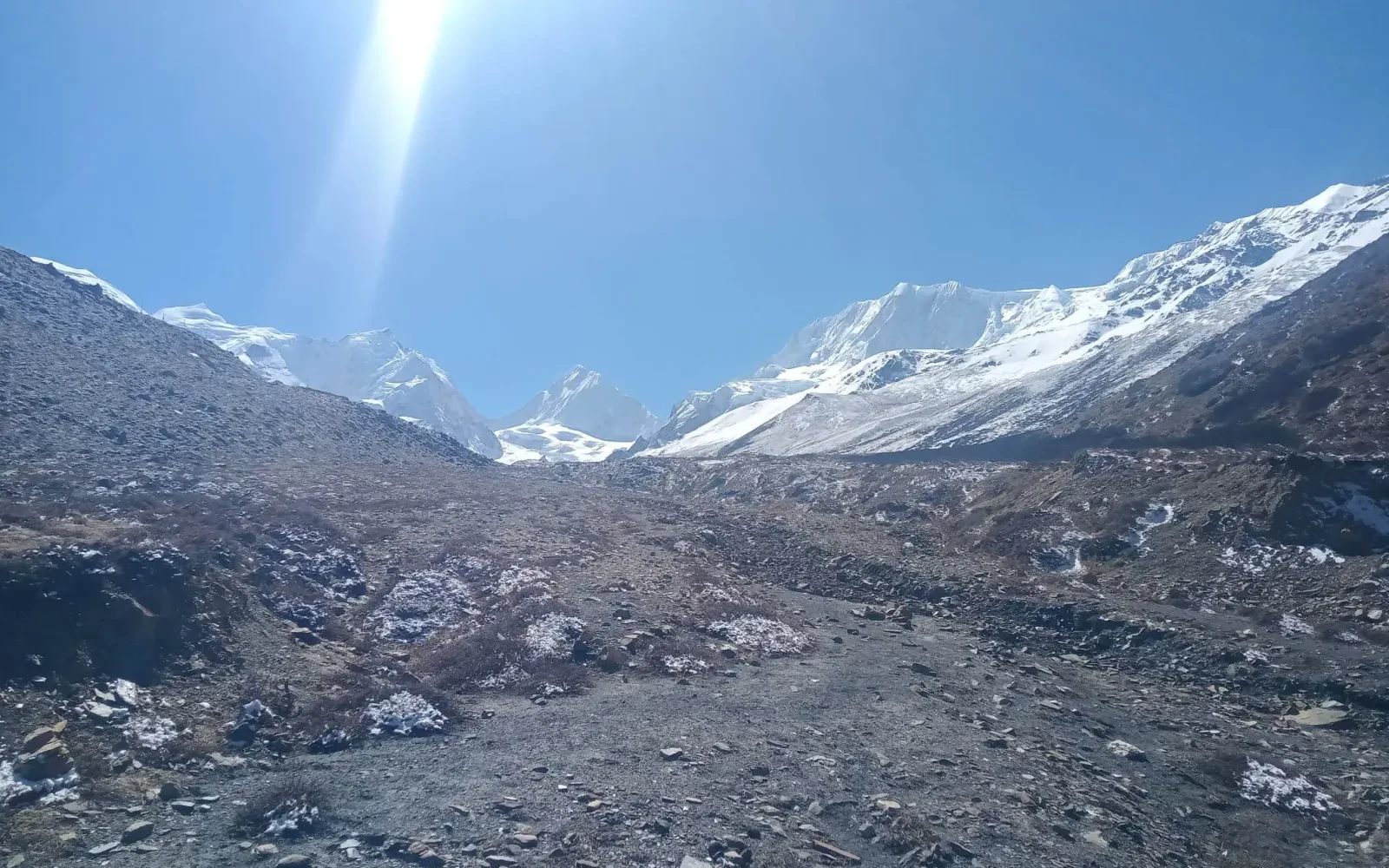
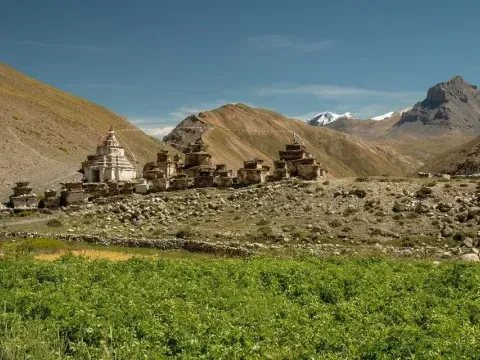
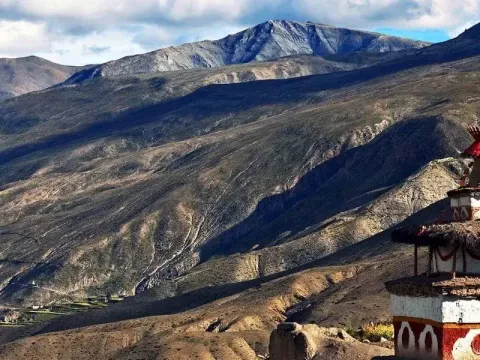
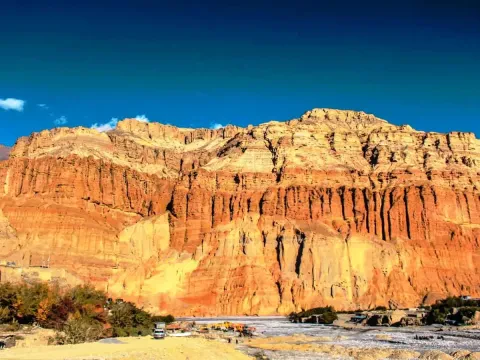
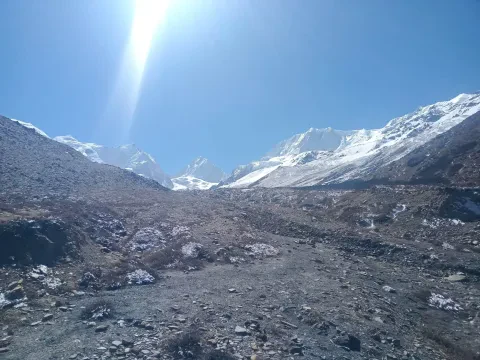
Nepal is renowned for its breathtaking trekking zones, including several Special Permitted Areas that require restricted permits due to their remote and culturally sensitive nature. These areas offer unique experiences, combining pristine landscapes, rich biodiversity, and ancient cultural heritage. Upper Mustang: Often referred to as the "Last Forbidden Kingdom," Upper Mustang is a high-altitude desert region with a landscape resembling Tibet. It is known for its ancient Tibetan Buddhist culture, cave dwellings, and the walled city of Lo Manthang. The restricted permit ensures the preservation of its unique heritage. Kanchenjunga: Home to the world's third-highest peak, the Kanchenjunga region is a remote and less-visited trekking area. It offers stunning views of snow-capped peaks, lush forests, and diverse wildlife. The area is also inhabited by indigenous communities, adding cultural richness to the trek. Manaslu Circuit: This trek circles Mount Manaslu, the eighth-highest peak in the world. The region is known for its dramatic landscapes, ranging from subtropical forests to high-altitude glaciers. The restricted permit helps manage the impact of tourism on this fragile ecosystem. Dolpa: Dolpa is one of the most remote and least developed regions in Nepal. It is famous for the Phoksundo Lake, Shey Phoksundo National Park, and its Tibetan Buddhist culture. The area was popularized by the movie "Himalaya" and remains a hidden gem for trekkers. Tsum Valley: Known as the "Hidden Valley," Tsum Valley is a sacred Himalayan pilgrimage site with ancient monasteries, mani walls, and a rich Tibetan Buddhist culture. The restricted permit ensures the preservation of its spiritual and cultural significance. Narphu Valley: Nestled between the Annapurna and Manaslu regions, Narphu Valley is a hidden treasure with dramatic landscapes, traditional villages, and a blend of Tibetan and Nepalese cultures. The restricted permit limits the number of visitors, maintaining its pristine environment. These Special Permitted Areas in Nepal offer unparalleled trekking experiences, combining natural beauty, adventure, and cultural immersion, while ensuring sustainable tourism practices.
Showing 11 trips
Upper Mustang Trekking
Upper Mustang Trekking 17 days

Upper Mustang Trekking, often called the “Last Forbidden Kingdom,” is one of Nepal’s most unique and culturally rich trekking experiences. Located in the remote northern part of the country, Upper Mustang remains largely untouched by modern tourism, preserving a landscape and culture reminiscent of ancient Tibet. This region was restricted for foreigners until 1992, which has helped maintain its traditional lifestyle, ancient monasteries, and historic walled city of Lo Manthang. Trekking in Upper Mustang is a journey through stark, high-altitude desert terrain with dramatic cliffs, deep gorges, and arid valleys, providing breathtaking views of the Annapurna and Dhaulagiri ranges. The trail connects ancient villages, monasteries, and chortens, allowing trekkers to witness the spiritual and everyday life of the local people.The trek usually starts with a flight from Pokhara to Jomsom, followed by an adventure into Kagbeni and beyond, reaching the medieval capital of Lo Manthang. Each stop along the trail, such as Tsehile, Syangmoche, Tsarang, and Chhusang, offers opportunities to experience local hospitality, traditional mud-brick houses, and intricate Buddhist art in monasteries. Trekkers are immersed in the unique Tibetan-influenced culture, complete with prayer flags fluttering against the dramatic backdrop of barren mountains. Upper Mustang Trekking combines natural beauty, historical significance, and cultural immersion, making it an unforgettable journey for adventurous travelers.Explore the walled city of Lo Manthang with ancient monasteries and a royal palace.Trek through arid desert landscapes and high-altitude valleys.Witness Tibetan Buddhist culture and centuries-old traditions.Experience remote villages such as Kagbeni, Tsarang, and Syangmoche.Enjoy panoramic views of the Annapurna and Dhaulagiri ranges.Best Season for Upper Mustang TrekkingChoosing the right season is crucial for a safe and enjoyable Upper Mustang Trek. The region experiences a high-altitude desert climate, which means temperatures fluctuate dramatically between day and night. The best trekking seasons are spring (March to May) and autumn (September to November). During these months, the skies are mostly clear, providing spectacular views of the mountains, and the weather remains stable with minimal rainfall. Spring offers blooming alpine flowers and lush greenery in the lower valleys, while autumn is known for crisp, clear air and vibrant skies.Winter months (December to February) are less recommended due to extremely cold temperatures, strong winds, and the possibility of snow, especially at higher elevations like Syangmoche and Lo Manthang. Summer (June to August) coincides with the monsoon, which brings heavy rainfall to most parts of Nepal. However, Upper Mustang, being in a rain shadow area, still receives less rain than other regions, though landslides and road disruptions can occur. Planning your trek during the recommended seasons ensures a balance of favorable weather, visibility, and overall trekking comfort, especially since high-altitude desert landscapes can be harsh and unpredictable.Best Season Highlights:Spring (March–May): Pleasant temperatures, blooming flowers, and lively villages.Autumn (September–November): Clear skies, perfect mountain views, and stable weather.Avoid Winter (Dec–Feb): Extreme cold and possible snow hazards.Avoid Monsoon (Jun–Aug): Rainfall risk and trail disruptions.Optimal trekking experience with minimal weather-related challenges.Upper Mustang Trekking Difficulty and TransportationUpper Mustang Trekking is considered moderate to challenging, primarily due to high-altitude exposure and the remote, rugged terrain. Daily trekking distances range from 5 to 8 hours, covering altitudes between 2,700m in Jomsom and 3,850m in Lo Manthang. While the trails are not technically difficult, altitude sickness is a concern, so acclimatization is essential. Trekkers should have a basic fitness level, stamina, and prior experience with high-altitude hiking. Trekking poles, layered clothing, and proper hydration are recommended to navigate the dry, windy trails and rocky paths.Transportation to the starting point usually involves a domestic flight from Pokhara to Jomsom, which saves significant time and avoids long, winding road journeys. From Jomsom, the trek continues on foot through traditional villages like Kagbeni, Chhusang, and Tsarang. Helicopter services are occasionally available for emergencies or sightseeing, but regular trekking follows well-marked trails that provide access to local teahouses and lodges.Difficulty and Transportation Summary:Moderate to challenging trek with daily 5–8 hours of walking.Altitudes range from 2,700m (Jomsom) to 3,850m (Lo Manthang).Fitness and acclimatization are crucial.Pokhara–Jomsom flight reduces travel time and avoids rough roads.Well-marked trails through villages, monasteries, and scenic desert landscapes.Helicopter options available for emergencies or sightseeing.Food and Accommodation for Upper Mustang TrekkingFood and accommodation along the Upper Mustang Trek are generally basic but comfortable, designed to provide trekkers with warmth and local flavor. Most villages have tea houses or lodges offering simple rooms with beds, blankets, and shared bathrooms. Accommodation standards are modest, as the region remains remote, but Nepal Planet Treks & Expedition ensures you stay at the best available lodges along the route. Some places may not have hot showers due to limited water and fuel sources, so trekkers should be prepared for basic amenities.Food on the trek is a mix of Nepali, Tibetan, and Western cuisine, including staples like dal bhat (lentil soup with rice), noodles, soups, and momos (dumplings). Due to the altitude and limited resources, meals may take longer to prepare, and prices are slightly higher than in Kathmandu or Pokhara. Trekkers are advised to carry snacks, energy bars, and hydration packs. Drinking water should always be purified or boiled, as sources may be untreated. Staying well-fed and hydrated is essential for coping with high-altitude conditions and maintaining energy throughout the trek.Food and Accommodation Highlights:Tea houses and lodges with basic but comfortable rooms.Simple bedding; hot showers may be limited.Local Nepali and Tibetan dishes: dal bhat, noodles, momos, soups.Availability of Western meals in some lodges.Snacks, energy bars, and purified water are recommended.Friendly hospitality and cultural immersion in villages.Upper Mustang Trekking PermitsUpper Mustang is a restricted region, and trekkers require a special permit to enter. This permit is part of the Nepalese government’s effort to protect the region’s unique culture and fragile environment. The Restricted Area Permit (RAP) must be obtained before the trek, and the process is usually facilitated by trekking companies like Nepal Planet Treks & Expedition. Permits include strict rules on staying in authorized villages and limiting the number of trekkers per season.In addition to the RAP, international trekkers must also secure a TIMS card (Trekkers’ Information Management System), which ensures safety and tracking of trekkers. Permit fees can be significant, and the cost varies depending on nationality and group size. Because Upper Mustang is sensitive culturally and environmentally, it’s crucial to respect local regulations, avoid littering, and seek guidance from local authorities. Trekking with a reputable company ensures that all permits are obtained in advance, allowing trekkers to enjoy a hassle-free journey while contributing to the conservation of this historic region.Permit Details:Restricted Area Permit (RAP) required for Upper Mustang.Trekkers also need a TIMS card.Permit fees vary based on nationality and group size.Trekking companies facilitate permit processing.Strict rules on staying in authorized villages and environmental protection.Essential for cultural preservation and responsible trekking.Why Choose Upper Mustang TrekkingChoosing Upper Mustang Trekking with Nepal Planet Treks & Expedition offers a once-in-a-lifetime adventure that combines cultural immersion, natural beauty, and historical exploration. Upper Mustang is perfect for trekkers seeking an off-the-beaten-path experience, away from the crowds of popular trekking routes like Annapurna or Everest. The region’s untouched landscapes, the medieval walled city of Lo Manthang, and Tibetan Buddhist heritage provide a unique and spiritual trekking journey.Nepal Planet Treks & Expedition offers expert guidance, well-planned itineraries, and reliable logistical support. With experienced local guides, trekkers gain insight into the rich Mustang culture, history, and traditions while ensuring safety and comfort throughout the journey. From arranging flights, permits, accommodations, and meals to providing cultural explanations and emergency support, the company ensures a seamless and memorable trekking experience. For travelers seeking adventure, solitude, and cultural depth, Upper Mustang Trekking is a destination that leaves an enduring impression.Reasons to Choose Upper Mustang Trekking:Explore the “Last Forbidden Kingdom” with a rich cultural heritage.Witness Tibetan-influenced villages, monasteries, and chortens.Trek through surreal high-altitude desert landscapes.Expert guidance and logistical support from Nepal Planet Treks & Expedition.Safe, well-organized, and immersive trekking experience.An unforgettable journey combining adventure, history, and spirituality.

4.9
(7 reviews)
From US$ 1,865
US$ 1,780
Save US$ 85
Explore
Next Departures
  • Apr 1, 2026 seats: 9
Manaslu Circuit Trekking
Trending
Manaslu Circuit Trekking 14 days

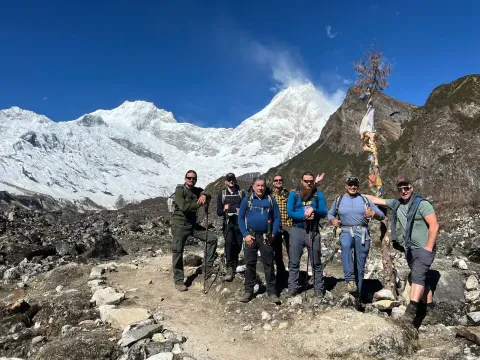
The Manaslu Circuit Trek is one of Nepal’s most spectacular off-the-beaten-path treks, offering trekkers the chance to explore the world’s eighth-highest peak, Mount Manaslu (8,163m). Unlike the more commercialized Everest or Annapurna regions, this trek remains relatively untouched, providing an authentic and serene Himalayan experience. The trek begins with a drive from Kathmandu to Machha Khola, followed by a journey through remote villages, dense forests, and high-altitude landscapes, culminating at the challenging Larkya La Pass (5,160m). Along the way, trekkers witness awe-inspiring views of peaks such as Himlung Himal, Ganesh Himal, Annapurna II, Ngadi Chuli, and Himalchuli, along with deep gorges, suspension bridges, and glacial rivers.This trek is also culturally enriching. Trekkers pass through villages like Samagaon and Samdo, where Tibetan Buddhist traditions, monasteries, and chortens create a spiritual and tranquil atmosphere. The route passes through the Manaslu Conservation Area, home to rare flora and fauna such as snow leopards, red pandas, and Himalayan thar. The trail itself showcases incredible natural diversity—from lush subtropical forests to alpine landscapes with glaciers. Nepal Planet Treks & Expedition ensures a carefully planned itinerary that balances adventure, culture, and nature, making it accessible for moderately experienced trekkers.Larkya La Pass (5,160m) and panoramic Himalayan viewsRemote Tibetan-influenced villages and rich cultural experiencesManaslu Conservation Area with diverse flora and faunaSuspension bridges, waterfalls, and rugged alpine terrainLess commercialized, peaceful trekking environmentBest Season for Manaslu Circuit TrekkingThe best time to trek in the Manaslu region is during spring (March–May) and autumn (September–November). Spring offers lush greenery, rhododendron blooms, and comfortable temperatures in lower and mid-altitude regions. This is ideal for nature lovers who wish to see colorful alpine flowers and enjoy clearer views of the surrounding mountains. Autumn, on the other hand, provides dry weather, crisp skies, and spectacular visibility of peaks, making it perfect for photography and high-altitude trekking. Both seasons avoid heavy monsoon rains, ensuring safer trails and more stable conditions across the high passes.Winter trekking (December–February) is less popular due to snow and extreme cold, particularly around Larkya La Pass, which can make crossing risky. Summer (June–August) is also less recommended because of heavy monsoon rainfall, slippery trails, and potential landslides. Nepal Planet Treks & Expedition tailors the trek based on the season, ensuring optimal safety and comfort for trekkers while still highlighting the natural beauty of the Manaslu Circuit.Best Season Highlights:Spring (Mar–May): Lush greenery, alpine blooms, and moderate temperaturesAutumn (Sep–Nov): Clear skies, excellent peak views, and dry trailsAvoid Winter (Dec–Feb) for harsh cold and heavy snowAvoid Monsoon (Jun–Aug) for rain, slippery trails, and landslidesManaslu Circuit Trekking Difficulty and TransportationThe Manaslu Circuit Trek is rated moderate to hard, primarily due to its length, remote terrain, and the high altitude of Larkya La Pass (5,160m). Trekkers should prepare with regular cardiovascular exercise, endurance training, and acclimatization to reduce the risk of altitude sickness. While the trek involves challenging ascents and descents, Nepal Planet Treks & Expedition ensures gradual altitude gain, including acclimatization days at Samdo (4,000m). The trekking days vary from 4–9 hours, allowing flexibility and sufficient rest.Transportation starts in Kathmandu, where a scenic drive takes trekkers to Machha Khola, the starting point of the trek. The roads are rugged but offer glimpses of Nepal’s rural life, rivers, and terraced fields. After completing the trek, a long drive returns trekkers to Kathmandu. Nepal Planet Treks & Expedition provides reliable vehicles and experienced drivers for these journeys, ensuring safety and comfort even on challenging roads.Key Points on Difficulty and Transport:Moderate to hard trekking, with high-altitude challengesGradual acclimatization and rest days includedTrekking duration: 4–9 hours/day depending on terrainTransportation: Kathmandu ↔ Machha Khola via private vehiclePost-trek return to Kathmandu for departureFood and Accommodation for Manaslu Circuit TrekkingOne of the highlights of the Manaslu Circuit Trek is the teahouse experience. Trekkers stay in traditional lodges run by local families, providing cozy rooms with basic but comfortable amenities. Hot showers and Wi-Fi may be available in larger villages such as Samdo and Bhimtang, while smaller villages offer more rustic accommodations. Nepal Planet Treks & Expedition ensures that all lodges are safe, hygienic, and provide a welcoming atmosphere after long trekking days.Food along the trek is diverse and nourishing. Popular options include Dal Bhat (rice and lentils), noodles, soups, pancakes, and local Tibetan dishes. Tea, coffee, and hot chocolate are commonly available to keep trekkers energized. Nepal Planet Treks also accommodates dietary preferences, ensuring vegetarian, vegan, and non-vegetarian meals are available throughout the journey. Staying in teahouses also allows trekkers to experience local culture, interact with villagers, and enjoy the warmth of Himalayan hospitality.Food & Accommodation Highlights:Teahouse stays with basic but comfortable amenitiesHot showers and Wi-Fi in larger villagesLocal cuisine: Dal Bhat, noodles, Tibetan dishesVegetarian, vegan, and non-vegetarian meals cateredSafe, hygienic lodges for resting after trekkingManaslu Circuit Trekking PermitsSince the Manaslu region is a restricted conservation area, trekking requires special permits. Nepal Planet Treks & Expedition ensures that all necessary permits are obtained, including:Manaslu Conservation Area Permit (MCAP)Annapurna Conservation Area Permit (ACAP)Restricted Area Permit (USD 100 per week)The trek covers the restricted zone from Jagat to Dharapani, and trekkers are legally required to have guides and porters. Permits are essential for environmental conservation, local community protection, and trekking safety. Nepal Planet Treks handles all paperwork, fees, and regulations, making the process stress-free for trekkers. This ensures compliance with local laws while supporting sustainable tourism and local communities.Permit Highlights:Special permits are required for restricted zonesHandled entirely by Nepal Planet TreksSupports conservation and local communitiesMandatory guide and porter for restricted trekkingFees included in the trek packageWhy Choose Manaslu Circuit Trekking with Nepal Planet Treks & ExpeditionChoosing Nepal Planet Treks & Expedition ensures a safe, immersive, and unforgettable Himalayan adventure. With over 25 years of experience in organizing treks across Nepal, Bhutan, and Tibet, the company has built a reputation for reliability, cultural insight, and trekking expertise. Their knowledgeable guides are trained in altitude safety, first aid, and local culture, guaranteeing a rich and secure trekking experience.The Manaslu Circuit Trek with Nepal Planet Treks emphasizes authenticity and sustainability. By trekking in less crowded regions, travelers enjoy solitude, peaceful landscapes, and genuine cultural interactions. The company also takes care of all logistics—including transport, permits, accommodation, meals, and porters allowing trekkers to focus on the journey. Additionally, their commitment to ethical tourism ensures local communities benefit from every trip.Reasons to Choose Nepal Planet Treks:Over 25 years of Himalayan trekking experienceExpert guides with cultural and safety knowledgeComplete logistics: transport, permits, porters, accommodationFocus on authentic, less-crowded trekking experiencesCommitment to sustainable and responsible tourismSome Manaslu Trek FactsManaslu is the 8th-highest mountain in the world at 8,163 meters. The Manaslu Circuit trek in Nepal is a classic trek that offers stunning scenery, suspension bridge crossings, and the Himalayan Pass Larke La. The trail follows the Budi Gandaki River, letting you explore authentic Hindu and Tibetan-style Buddhist villages. The Manaslu teahouses are renowned for their warm hospitality and delicious cuisine. The trek takes you through varied landscapes, ranging from green countryside and lush forests to high-altitude landscapes with glaciers and snow-capped mountains.The Manaslu Circuit Trek begins with an amazing sightseeing tour of the UNESCO World Heritage Sites in Kathmandu, where we go and explore Pashupatinath Temple, Boudhnath Stupa, Royal Kathmandu Durbar Square, and Swayambhunath Temple. After this incredible cultural activity, we begin the journey to Sathi Khola and Machha Khola, the beginning points of our trek to Manaslu. As we pass several villages, we marvel at the captivating views of Mt. Manaslu. Exploring the rich local heritage and biological diversity of this legendary region is amazing! Further along the Manaslu Circuit trek, we head north towards the iconic Larky La Pass at a height of 5,106 meters.What Does The Manaslu Trek Cost?For the Manaslu trek cost, you need to calculate an average of 100 USD t per week. For the Manaslu Circuit trek of 12 days, it will cost a total of 965 USD to 1100 USD per person. Since it’s a remote region and located in a conservation area, trekking there with a trekking company is necessary, and this cost includes domestic transportation, porter and guide services, all permits, and all accommodations during the trek. Nepal Planet Treks has a lot of experience operating in the Manaslu region and takes part in sustainable tourism to further develop this amazing trekking region in Nepal!What Is The Manaslu Trek Difficulty?Considered a bit more difficult than the traditional Everest Base Camp trek, the Manaslu trek’s difficulty is rated moderate to hard. As Larke La is located at a high elevation, we do recommend trekkers at least do some exercise before attempting this incredible Manaslu Circuit trek!Manaslu Trekking Permit Costs?The Manaslu trekking permit costs are, in the offseason, very approximate: USD 28 MCAP and 28 ACAP plus USD 100 per week for the restricted areas from Jagat to Dharapani. But not to worry about Nepal Planet Treks; we take care of everything, and it’s all included in the price of this amazing Manaslu Circuit trek in Nepal.Since the Manaslu region touches the border with Tibet (China), special permits are required for the Manaslu Circuit trek, the Manaslu Base Camp trek, and the Tsum Valley trek. For more detailed and up-to-date information about the Manaslu trekking permit costs, you can always contact our travel team through the quick inquiry message!What Is The Best Time To Trek In Manaslu?According to us, the best time to trek in Manaslu will be in March, April, and May. This is the time when the entire valley is green and full of life! Alternatively, if you’re more of a winter, snowy type of person, we do recommend the best time to trek in Manaslu is from September to November!

5.0
(11 reviews)
From US$ 1,065
US$ 965
Save US$ 100
Explore
Next Departures
  • Mar 13, 2026 seats: 7
  • Apr 13, 2026 seats: 8
Kanchenjunga Circuit Trekking
Kanchenjunga Circuit Trekking 26 days

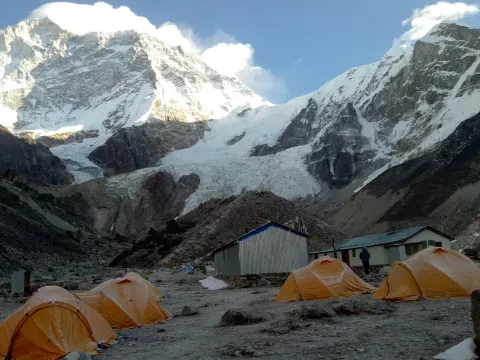
Kanchenjunga Trekking in Nepal is an extraordinary adventure that takes you to the base of the world’s third-highest peak, Mount Kanchenjunga (8,586 meters). Located in the far eastern region of Nepal, this trek offers a remote and less-crowded experience compared to other popular treks like Everest and Annapurna. The journey provides a unique blend of natural beauty, cultural diversity, and challenging terrain, making it a dream destination for avid trekkers.The trek typically starts from Taplejung, a small town accessible by a short flight from Kathmandu to Bhadrapur, followed by a drive. The trail passes through lush green forests, terraced fields, traditional villages, and high-altitude landscapes, offering breathtaking views of Kanchenjunga and other Himalayan peaks. The region is also home to diverse flora and fauna, including rare species like the red panda and snow leopard, as well as vibrant rhododendron forests.One of the highlights of the Kanchenjunga Trek is the opportunity to experience the rich culture of the local communities, including the Limbu, Rai, and Sherpa people. Their unique traditions, festivals, and hospitality add a cultural dimension to the trek. The trail also includes visits to sacred monasteries and high-altitude lakes, adding a spiritual element to the journey.The trek is considered challenging due to its remote location, high altitude, and rugged terrain. It usually takes around 20-25 days to complete, depending on the route chosen. The two main routes are the North Base Camp and the South Base Camp, with some trekkers opting to combine both for a more comprehensive experience. Proper acclimatization and physical fitness are essential for a successful trek.Kanchenjunga Trekking is a perfect choice for those seeking an off-the-beaten-path adventure in Nepal. It offers a rare combination of pristine natural beauty, cultural richness, and the thrill of exploring one of the most remote and stunning regions of the Himalayas.

Makalu Base Camp Trekking
Makalu Base Camp Trekking 20 days

Mount Makalu, standing at 8,463 meters, is the fifth-highest peak in the world, and reaching its base is an unforgettable experience. A trek to Makalu Base Camp offers the chance to see some of the highest peaks on the planet, including Mount Everest, Mount Chamlang, and Mount Lhotse. The trek can be moderately challenging in certain sections, depending on your fitness level. In addition to the breathtaking scenery, the trail to Makalu Base Camp also provides opportunities to explore diverse cultural heritage. The area is part of Makalu Barun National Park, which covers 2,330 square kilometers and spans the Solukhumbu and Sankhuwasabha districts of Nepal, filled with an abundance of wildlife and vegetation.Makalu Base Camp areaThe Makalu Base Camp Trek is located in the Khumbu Valley, primarily inhabited by the Sherpa people. The adventure begins with a short flight from Kathmandu to Tumlingtar in central Nepal, which takes approximately half an hour. The trail to Makalu Base Camp encircles the Arun River basin’s subtropical gorge and leads to stunning mild passes known as Tutu La Pass (4200 m) and Keke La Pass (4230 m).As you trek, you’ll find numerous trails ascending from the desolate Barun River gorge, showcasing a mix of both challenging and scenic routes. This journey offers breathtaking views of towering snowy mountains, vibrant rhododendron forests, and diverse alpine plants, creating unforgettable memories throughout the trek.Thanks to improvements in infrastructure over the past few years, trekking to Makalu Base Camp is now more comfortable. Travelers have the option to stay in tea houses or homestays, which are neat and clean and provide private accommodations.Let us help you design the perfect schedule for your holiday to the Makalu Base Camp Trek in Nepal!

5.0
(1 review)
Explore
Rara Lake Trek
Rara Lake Trek 15 days

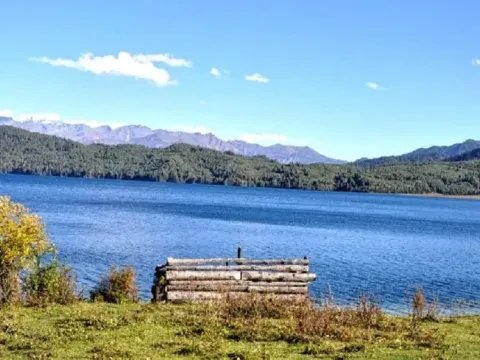
The Rare treks are one of the adventure and most incredible with interesting trekking all the range lie northwest of in Kathmandu in the remote region of the Karnali zone of Nepal.If you are looking wilderness and loneliness journey in Nepal this trek is one of the best choices forever. That,s Treks route is very much beaten track and affords glimpses of cultures and views of different from the rest of Nepal.The clear high altitude lake of Rare .which mirrors the snow-capped Himalayas is ringed whit blue pine, Black juniper forest, and Himalaya’s cypress. Rara lake is popular serenity pilgrim for Nepalese, in summer rainfalls low and ideal for trekking in the wither there is often snow on the ridge surrounding the lake, in the autumn season trekkers are pleased with a profusion of alpine flowers.Rara lake is one of the Biggest lakes with deepest and fresh water with mountiasn cold water from the Himalayas, it is the main feature of Rara National park of Nepal and it is located in Mugu districts in region of the jumala in Nepal.it is surrounded  recover via Rara national and here has many unique floral with faunal and hosting the Rare  a lots species around here, Rara lake is a five-kilo meter long and a two-kilo meter wide.  It is of the best national al park in Nepal to see the lots wildlife animal, as like Ghorals, Tahr Musk dear, Leopards, black beer, and red panda with much more buds and around here during your visit in Rara lake in  Rara National park in Nepal.

Lower Dolpo Trek
Lower Dolpo Trek 18 days

Lower Dolpo trek offers a diverse prospect to trip the far west area which charges visitors to shell out less permit cost. The charming trek to Lower Dolpo will let you mark the exceptional artistic diversity and magnificent know-how of the Himalayas. The Lower Dolpo Trek is arranged by Nepal Planet Treks and Expedition is specially meant for real adventurers who aspire for going around secluded areas. This remote zone in western Nepal was introduced for foreigners only in 1990.The area lies to the northern part from the Dhaulagiri Range in the main shade of the immense Himalayas which falls parallel to the vivid arid slopes of the peaks which appears to be an eternal fascinating scene. Also, you will see the Phoksundo Lake with eye-catching emerald colored water. It is, in fact, one of the deepest Himalayan Lakes. We will also observe the yak fleets that keep up the age-old salt trade with Tibet. From November up to April the region is nearly covered by snowfall so the local citizens for a moment migrate below to avoid cold in the region.The trek will let you go by Shey-Phoksundo National Park with astonishing mountain landscape, Buddhist monasteries as well as yak caravans. The Lower Dolpo trek, in fact, takes you through a wooded area; pass through pebbly canyons in the deserted flat terrain near the edge with Tibet. Letting you acquire the special permit, we Nepal Planet Treks and Expedition will aid you to experience the high lofty tundra and rocks and the micro-climate of Lower Dolpo as well as Phoksundo with the chilly air of the glaciers of Kanjiroba.The best season trekking to  Lower Dolpa is from September to December and from May till July, So let you us for your best time and date, we will degion for your one of the best schedule regarding your Holidays Nepal.

Upper Dolpo Trekking
Upper Dolpo Trekking 28 days

Trekking in Upper Dolpo offers a remote and adventurous journey through one of Nepal’s most isolated regions. Nestled in the rain shadow of the Himalayas, this trek features stark, arid landscapes, rich ancient Tibetan Buddhist culture, and breathtaking views of snow-capped peaks. Highlights include.include Shey Phoksundo Lake, medieval monasteries like Shey Gompa, and encounters with traditional yak caravans. The trail crosses high passes such as Kang La and Saldang La, requiring good fitness and acclimatization. Upper Dolpo remains untouched by modern development, making it a perfect destination for trekkers seeking solitude, cultural depth, and rugged, pristine Himalayan beauty. Special permits are required.The Upper Dolpo trek is a unique and remote journey in the mid-western region of Nepal, nestled within the Shey-Phoksundo National Park. Located behind the mighty Mt. Dhaulagiri and close to the Tibetan border, this region shares deep cultural and spiritual ties with Tibet. Scattered across the landscape are centuries-old Buddhist monasteries that showcase the rich Tibetan heritage preserved in this secluded part of Nepal. If you’re lucky, the trek also offers chances to spot rare and fascinating wildlife, including Snow Leopards, Blue Sheep, Himalayan Tahr, Jackals, Himalayan Mouse Hares, Yellow-throated Martens, Himalayan Black Bears, Himalayan Weasels, Rhesus Monkeys, Musk Deer, Langurs, and many more species.The trekking days typically range from 6 to 7 hours, traversing continuous ascents, rugged hills, and high mountain passes reaching elevations of up to 5,500 meters above sea level. Along the trail, you’ll witness stunning natural wonders, including the majestic Kanjiroba Peak and the breathtaking turquoise waters of Phoksundo Lake.Renowned for its high mountain passes, untouched natural beauty, and deep-rooted Tibetan cultural heritage, the Upper Dolpo region is a protected area. Trekking here requires a special permit, which must be arranged through Nepal government-registered travel agencies.As a licensed and registered travel agency, Nepal Planet Treks & Expedition (P) Ltd is fully authorized to arrange the official permits and guide you to the hidden wonders of the Upper Dolpo Region. With our team’s expertise, in-depth local knowledge, and strong regional connections, we ensure your journey is spirited, fun, meaningful, and truly unforgettable.Upper Dolpo Trekking is one of the most remarkable adventure routes in Nepal, offering raw natural beauty, rich Tibetan culture, and a unique remote experience. The best times for this trek are from mid-April to July, and again from September to mid-December.Let us know your preferred travel dates, and we will customize the perfect itinerary for your Upper Dolpo adventure—designed around your schedule to make your holiday in Nepal truly special

Upper Mustang Jeep Tour
Upper Mustang Jeep Tour 13 days

The Upper Mustang Jeep Tour organized by Nepal Planet Treks & Expedition offers an extraordinary journey into one of Nepal’s most remote and culturally rich regions. Nestled in the rain shadow of the Himalayas, Upper Mustang is a semi-arid desert region often referred to as the “Hidden Kingdom.” The landscape here is strikingly unique, featuring deep gorges, towering cliffs, barren hills, and ancient cave dwellings carved into the mountainsides. Once an independent kingdom, Upper Mustang has preserved its Tibetan Buddhist culture for centuries, with monasteries, chortens, and prayer flags scattered across the valleys.This tour begins with a scenic drive from Kathmandu to Pokhara, followed by a journey to Jomsom, the gateway to Upper Mustang. From Jomsom, a robust 4×4 Jeep navigates rugged mountain roads and high passes, passing through traditional villages like Kagbeni, Ghami, and Lo Manthang—the walled capital of Upper Mustang. Travelers get the rare opportunity to explore the ancient royal palace, monasteries, and local villages, witnessing the timeless culture of the Loba people. The Jeep tour combines adventure and cultural exploration, allowing travelers to cover long distances comfortably while experiencing the dramatic landscapes and rich heritage of Upper Mustang.Explore the walled city of Lo Manthang and its royal palaceVisit ancient monasteries and centuries-old cave dwellingsExperience traditional Loba culture in remote villagesTraverse dramatic mountain passes and desert valleysWitness breathtaking Himalayan landscapes and unique rock formationsBest Season for Upper Mustang Jeep TourThe Upper Mustang region experiences a unique climate due to its location in the rain shadow of the Himalayas, making weather conditions crucial for a successful Jeep tour. The best time to explore Upper Mustang is between March and November, when the skies are clear, the roads are relatively dry, and temperatures are comfortable for travel. March to May offers blooming landscapes and moderate weather, while September to November presents crisp skies, making it ideal for photography and sightseeing. During winter months, temperatures can drop sharply, and roads may become slippery due to snow and ice, making travel more challenging.The tour’s dry season ensures that travelers can comfortably explore Lo Manthang and other villages without worrying about heavy rainfall or road closures. Spring brings blossoming rhododendrons, adding vibrant colors to the arid terrain, while autumn offers clear mountain views, perfect for capturing the rugged beauty of Upper Mustang. Summer monsoons are generally not recommended, as rainfall can make the already rough tracks muddy and dangerous. Traveling with Nepal Planet Treks & Expedition during these ideal months guarantees a safe and scenic experience.Best season highlights:March to May: Spring bloom, moderate temperatures, fewer crowdsSeptember to November: Clear skies, excellent photography conditionsAvoid monsoon season (June–August) due to muddy roads and landslidesWinter is possible but requires warm clothing and careful planningUpper Mustang Jeep Tour Difficulty and TransportationThe Upper Mustang Jeep Tour is designed for adventure enthusiasts who prefer comfort without strenuous trekking. The tour is moderate in difficulty, as travelers spend long hours driving on rough, rugged, and sometimes unpaved mountain roads. While the terrain is challenging, the use of sturdy 4×4 Jeeps ensures a safe and manageable journey. Travelers experience a mix of bumpy tracks, steep ascents, and occasional river crossings, making the ride thrilling but not physically exhausting. This makes the tour accessible to a wide range of travelers, including families and older adventurers who may not be able to trek long distances at high altitudes.Transportation is a key highlight of the Upper Mustang Jeep Tour. Starting from Pokhara or Jomsom, well-maintained 4×4 Jeeps navigate the high-altitude desert terrain. The vehicles are equipped for rough roads, ensuring safety and comfort. While the roads may be narrow and winding, they offer breathtaking views of the Himalayan ranges, deep gorges, and traditional villages. Daily drives are interspersed with stops for photography, cultural interaction, and sightseeing. Travel with Nepal Planet Treks & Expedition guarantees experienced drivers familiar with the region’s tricky mountain routes.Tour transport highlights:4×4 Jeep for rugged mountain roadsModerate difficulty; suitable for most travelersDaily drives with scenic and cultural stopsExperienced drivers familiar with Upper Mustang terrainComfortable seating with room for luggageFood and Accommodation for Upper Mustang Jeep TourFood and accommodation are integral to the Upper Mustang experience. While traveling through remote villages, Nepal Planet Treks & Expedition arranges comfortable local stays that reflect the region’s culture. Travelers typically stay in local tea houses or guesthouses, which provide clean rooms, basic facilities, and hearty meals. In major stops like Lo Manthang or Tatopani, options may include slightly upgraded lodges, while smaller villages offer a more rustic experience. Staying in local tea houses allows travelers to interact closely with the Loba people and experience the region’s traditional hospitality.Food during the tour is a mix of traditional Nepali and Tibetan dishes. Popular items include dal bhat (lentil soup with rice), momos (dumplings), noodles, and seasonal vegetables. Most tea houses also provide soups, bread, and hot beverages to help travelers stay warm in high-altitude regions. Travelers with specific dietary requirements can coordinate with Nepal Planet Treks & Expedition in advance to ensure meals are prepared accordingly. Proper hydration is essential, as the high-altitude desert climate can be dry.Food and accommodation highlights:Stay in local tea houses and lodges along the routeTraditional Nepali and Tibetan cuisine, including dal bhat and momosOpportunity to experience local hospitality and cultureHot beverages and soups are available to combat high-altitude chillClean, safe, and basic facilities for comfortable overnight staysUpper Mustang Jeep Tour PermitsUpper Mustang is a restricted area in Nepal, requiring special permits for entry. The government limits the number of visitors to preserve the region’s unique culture and environment. All travelers must obtain a Restricted Area Permit, which includes entry fees and documentation for trekking or Jeep tours. These permits are mandatory and can be arranged by Nepal Planet Treks & Expedition, ensuring a smooth process for travelers.In addition to the main permit, travelers may need to carry identification documents, passport-sized photos, and a copy of their itinerary. The permit system helps regulate tourism, maintain local traditions, and protect the fragile desert ecosystem. Visitors should plan permits in advance, as entry may be denied without proper documentation. The exclusivity provided by permits ensures that Upper Mustang remains less crowded, offering a serene and authentic experience compared to more accessible regions of Nepal.Permit highlights:Restricted Area Permit mandatory for Upper Mustang entryArranged and facilitated by Nepal Planet Treks & ExpeditionEnsures controlled tourism and cultural preservationRequires a valid ID, passport photos, and itinerary detailsContributes to the conservation of natural and cultural heritageWhy Choose Upper Mustang Jeep TourThe Upper Mustang Jeep Tour with Nepal Planet Treks & Expedition is ideal for travelers seeking a blend of adventure, culture, and natural beauty. Unlike trekking alone, a Jeep tour allows you to cover long distances comfortably while exploring remote villages, high passes, and deserts without physical exhaustion. This makes it accessible for a broader range of travelers, including families and older adventurers, while still offering an authentic Himalayan experience.The tour’s unique appeal lies in its combination of rugged landscapes, Tibetan Buddhist culture, and historic villages. Travelers can explore Lo Manthang’s walled city, ancient monasteries, and cliffside caves, while enjoying breathtaking Himalayan vistas. With the guidance of experienced drivers and local experts, visitors gain deep insight into the Loba culture and the kingdom’s history. The convenience of organized transportation, accommodation, and permit handling by Nepal Planet Treks & Expedition ensures a seamless journey from start to finish.Reasons to choose:Comfortable 4×4 Jeep travel for remote explorationCultural immersion in Loba villages and monasteriesVisit Lo Manthang, caves, and ancient heritage sitesStunning Himalayan and desert landscapesExpert organization by Nepal Planet Treks & Expedition for a stress-free tour

Tsum Valley Trekking
Tsum Valley Trekking 17 days

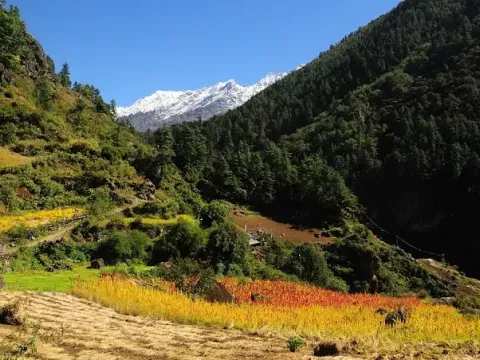
Tsum Valley Trekking, organized by Nepal Planet Treks & Expedition, is one of Nepal’s most enchanting and less-explored trekking destinations. Situated in the northern Gorkha region near the Manaslu Conservation Area, this hidden valley is often called a “Shangri-La,” thanks to its pristine natural beauty and deeply spiritual atmosphere. The valley was officially opened for trekking in 2008, and since then, it has remained relatively untouched by mainstream tourism. The trek offers a unique opportunity to experience ancient Tibetan Buddhist culture, centuries-old monasteries, and traditional villages that have preserved their way of life for generations.The trek begins from Soti Khola, a small village reachable from Kathmandu by road. From there, trekkers gradually ascend through lush forests, rivers, and terraced fields, passing villages like Jagat, Lokpa, Chhokangparo, and Mu Gompa. The highest point of the trek is Mu Gompa at 3,360 meters, the largest monastery in the valley, which serves as a spiritual and cultural hub. Tsum Valley is home to the Tsumbas, direct descendants of Tibetan people, who still practice traditional rituals and follow Buddhist teachings. Along the trek, travelers experience the valley’s rich biodiversity, including rhododendron forests, alpine flora, and a chance to spot Himalayan wildlife such as red pandas and langurs.Explore remote Tibetan Buddhist monasteries and ancient shrines.Discover traditional Tsumbas villages and their culture.Walk through forests, rivers, and terraced farmland.Witness stunning Himalayan views and untouched landscapes.Option to extend the trek to Manaslu or Annapurna region.Best Season for Tsum Valley TrekkingThe best seasons for Tsum Valley Trekking are autumn (September to November), spring (March to May), and winter (December to February). During these months, the weather is generally stable, with clear skies and moderate temperatures, making the trekking experience safe and enjoyable. Autumn is particularly popular because the skies are clear, offering stunning panoramic views of the Himalayas. Spring, on the other hand, transforms the valley into a riot of colors as rhododendrons, primulas, and other alpine flowers bloom. Even in winter, while temperatures drop, the trails remain accessible, and the snow-capped peaks create breathtaking scenery for avid photographers and adventure enthusiasts.The monsoon season (June to August) is not recommended due to heavy rainfall, which causes landslides, slippery trails, and limited visibility. Trekking during the monsoon can be risky and may require additional logistics for safety. For those planning a winter trek, it’s essential to pack adequate warm clothing, as temperatures can drop below freezing, especially at higher altitudes like Mu Gompa and Chhokangparo.Key points about seasons:Autumn (Sept–Nov): Clear skies, moderate temperatures, ideal for photography.Spring (Mar–May): Blooming flowers, vibrant landscapes, moderate weather.Winter (Dec–Feb): Crisp air, snow-capped peaks, fewer trekkers.Monsoon (Jun–Aug): Avoid due to landslides and heavy rainfall.Tsum Valley Trekking Difficulty and TransportationTsum Valley Trekking is considered a moderate-level trek, suitable for trekkers with basic hiking experience and a reasonable fitness level. Daily walks typically range from 4 to 6 hours, gradually ascending from 1,000 meters in Soti Khola to 3,360 meters at Mu Gompa. The trails are well-marked but involve river crossings, stone paths, and occasional steep climbs. The trek is accessible for most people who maintain regular fitness, though high-altitude acclimatization is essential to avoid altitude sickness at higher points like Mu Gompa.Transportation to the Tsum Valley trek starts with a drive from Kathmandu to Soti Khola via Arughat Bazaar. This journey usually takes around 7–8 hours along scenic hilly roads. Some travelers may also take local buses or hire private jeeps for more comfort. During the trek, walking is the primary mode of transportation, allowing trekkers to immerse themselves in the natural and cultural landscapes of the valley. Hiring a local guide or porter through Nepal Planet Treks & Expedition is highly recommended for navigation, safety, and a deeper cultural experience.Difficulty and transportation highlights:Moderate trek, suitable for fit beginners and experienced trekkers.Daily walking time: 4–6 hours.Highest altitude: 3,360m (Mu Gompa).Transportation: Kathmandu → Arughat Bazaar → Soti Khola by jeep/bus.Local guide recommended for navigation and cultural insights.Food and Accommodation for Tsum Valley TrekkingDuring the Tsum Valley Trek, accommodation is basic but comfortable, primarily in lodges and homestays, reflecting the authentic rural lifestyle of the valley. Homestays offer a rare opportunity to live with local families, participate in their daily routines, and enjoy traditional hospitality. Lodges provide simple rooms with beds and shared bathrooms. In some remote sections, especially at higher altitudes, facilities are more rustic, but cleanliness and warmth are always prioritized. Camping is an alternative option for trekkers seeking a more adventurous experience, though it is less common.Food in the Tsum Valley is a highlight of the cultural experience. Local meals include Dal Bhat (rice with lentil soup), Tibetan bread, noodles, and vegetable soups, prepared with fresh ingredients grown in the villages. Some lodges also serve simple Western-style meals such as pasta or omelets. Staying in homestays allows trekkers to enjoy homemade dishes, often cooked on traditional wood-fired stoves, providing both warmth and authenticity. Hydration is crucial at high altitudes, and boiled or bottled water is recommended.Food and accommodation highlights:Lodges and homestays with basic facilities.Option for tent camping in select areas.Traditional meals: Dal Bhat, Tibetan bread, soups, noodles.Western meal options available in some lodges.Immerse in local culture through home-cooked meals and family stays.Tsum Valley Trekking PermitsTo trek in the Tsum Valley, all foreign trekkers must obtain two essential permits: the Manaslu Restricted Area Permit (RAP) and the Trekkers’ Information Management System (TIMS) card. The RAP is mandatory because the valley falls under a restricted area to preserve its unique culture and environment. Nepal Planet Treks & Expedition assists trekkers in obtaining these permits in Kathmandu before departure, ensuring a hassle-free start to the adventure.The permit system helps regulate tourism in the valley, ensuring minimal environmental impact and preserving the traditional lifestyle of the Tsumbas people. Trekkers should carry copies of their permits, passports, and travel insurance at all times during the trek. The cost of permits varies depending on nationality, the number of trekking days, and the season. Guides provided by Nepal Planet Treks & Expedition are well-versed in these regulations and ensure that trekkers comply fully with all requirements.Permit highlights:Required permits: Manaslu Restricted Area Permit (RAP) and TIMS card.Assists in conservation and cultural preservation.Mandatory to carry permit copies throughout the trek.Nepal Planet Treks & Expedition helps arrange permits efficiently.Why Choose Tsum Valley TrekkingTsum Valley Trekking offers an unmatched combination of natural beauty, cultural heritage, and spiritual immersion, making it one of the most rewarding treks in Nepal. Unlike popular trekking destinations, the valley remains less crowded, providing a serene and peaceful environment. Travelers get the chance to witness centuries-old monasteries, sacred caves, and chortens while interacting with locals who maintain traditional Tibetan customs. The trek also provides flexibility to continue into the Manaslu or Annapurna regions, making it ideal for those seeking extended adventures in Nepal.Choosing Nepal Planet Treks & Expedition ensures a seamless and memorable trekking experience. The company specializes in personalized trekking packages, expert guides, and reliable logistics, catering to individual needs and fitness levels. With a focus on safety, cultural sensitivity, and authentic experiences, Nepal Planet Treks & Expedition enhances the Tsum Valley journey by combining adventure with cultural exploration. Whether it’s navigating the remote trails, arranging homestays, or providing insights into Buddhist traditions, the company ensures that every trekker enjoys a fully immersive Himalayan adventure.Why choose Tsum Valley Trekking with Nepal Planet Treks & Expedition:Remote, untouched trekking destination with minimal crowds.Rich Tibetan Buddhist culture and heritage.Beautiful landscapes and Himalayan panoramas.Expert guides and reliable logistics.Option to combine with Manaslu or Annapurna treks.

5.0
(2 reviews)
Explore
Nar Phu Valley Trek
Nar Phu Valley Trek 16 days

The Nar Phu Valley trek only opened in 2003 and still remains a relatively little-trekked area. In fact, this hidden valley requires a special permit to enter. The Nar Phu Valley trek is a fantastic and real adventure mountain Himalaya wilderness experience that is unforgettable, with spectacular views. It is a truly hidden valley trail that offers trekkers a rare opportunity to explore around unspoiled valleys. It is very famous for the Himalayan nature with ancient Tibet culture as  Buddhist.Nar Phu Valley trekking in Nepal is one of the  Best Adventure tripsIt is being from Dharpani the famous route following the Annapurna around the trail and branches off from the Koto village. The Nar Phu Valley trek is a real Himalayan wilderness experience that is as unforgettable as it is spectacular. Tucked between the more visited Annapurna and Manaslu regions, Nar Phu is a true hidden gem that offers trekkers a rare opportunity to explore unspoiled valleys that feature a mix of raw Himalayan nature and ancient Buddhist culture.Nar-Phu Valley Trek Hidden by swirls of mountain mist ahead of us, from Kangla pass at 5200m the magnificent panorama view of Annapurna massif appears remote and forbidding.Our sturdy mountain ponies every few steps, their steaming sweat-soaked bodies heaving. Behind us, Hongde airport, which we left behind early in the morning, is a tiny speck. Our destination is the Nar-Phu valley, above the tree line on the upper limits of cultivation, in the very north of Manang district. It takes five hours to reach the pass that links Nar with Manang and three other Bhotia villages in the Nyershang down the valley. Nowadays, Nar Phu a population of about 300 inhabitants who depend on livestock, unlike most Bhotia people, whose trading patterns changed drastically after the Nepali Government closed borders with Tibet, the people of Nar and Phu valley were the least affected by this change. The tortuous path leading from the valley into Tibet had never made them dependent on the salt trade, and till today yak herding is the basis of their livelihood.Besides the Kangla linking Nar to the Nyeshang valley, the most direct route from Kathmandu to Nar and Phu is along the Marshyangdi River. Travelers trek through the Himalayan foothills and round the eastern end of the Annapurna before they arrive at Cupar, a police check post half an hour before Chame, Manang’s district headquarters. From here a long and steep trail winds up to Nar and Phu whose villagers, laden with goods purchased in Chame and even lower down in Besishhar, the end of the road head leading to Manang, often camp at Dharmashala, a rudimentary wooden hut built by the people from the two villages.The Nepal government’s recent decision to open up Nar and Phu to tourists has evoked little enthusiasm among the villagers, whose pastoral lifestyle continues. Apart from the odd researcher and climbing expeditions permitted to climb Him lung, Ratnachuli, and Gachikang, few foreigners have visited the area and tourism infrastructure is almost non-existent. Since Annapurna Conservation Area Project (ACAP) recently extended its network to include Nar and Phu Valley, it is preparing a suitable tourism development plan at the request of the government for undiscovered valleys.Nar Phu is a restricted region located in the mid-western region of Nepal. It was closed until 2002 when the government decided to open the region for trekking. The valley is entirely culturally Tibetan, and the lifestyle and landscape resemble that of Tibet.Tucked between the popular Annapurna and Manaslu regions, Nar Phu valley is considered a hidden gem that offers trekkers a rare opportunity to explore the exquisite and discreet parts of Nepal.The journey begins from Besi Sahar and ends at Pokhara. The latter part of the trek culminates into the western section of Annapurna circuit trek. The valley is located to the north of Annapurna, and is one of the rain-shadow areas of Nepal. The mud houses, monasteries and landscape may make you feel like visiting Tibet. You will also get to cross the treacherous Kang La Pass and Thorong La Pass during the trek.The Kang La pass links Nar with Manang and three other Mongol villages in the Neyshang valley. The entire trek can be a tough experience. The rising altitude and crossing the two high passes can still prove difficult for most of seasoned trekkers.The Nar Phu valley trek is one of the newly opened trekking routes located in the west north of Kathmandu. This beautiful trekking provides you immense opportunities to get close to local traditions, Culture, and Towering peaks, and in one word it is the Alluring trekking region of Nepal.Nar-Phu valley trek is inhabited by Tibetan people and their culture, however, this trip offers you to visit the Tibetan Village, Unbelievable Landscapes & Rocks, Vast Himalayan terrain, Grazing, Narrow Trekking paths, and a magical Valley.The Nar Phu valley trek begins from Kathmandu with a bus drive to Besisahar then we follow the popular trekking path of Annapurna circuit till we reach The pass then we follow the narrow trekking path which is the less trekked route and passing many wonderful landscapes and rugged roads.On this trek, you will have a delightful time as you will get so many opportunities to know about many new and unknown things regarding the different Nature, Flora, and fauna.This trip has few alternative options to go over the pass and link to Manang but the easiest way is through Thorang-la pass which is the most popular trekking route in Nepal but the if you are more e quiet trekkers who love more natural and don’t like that crowd then follow the trail to Tilicho lake, make the Kang la pass then follow the route of Nar-Phu valley trek.The Nar-Phu valley trek itself is heaven can’t compare to other parts of Nepal, has very old natural caves, the dry and towering mountains, and The Kali Gandaki river valley of them mixed it and Became Nar-Phu Valley Trek.After the ending of Nar Phu valley of the cross the Kang La pass, We have many options for where ever you want to go regarding your timetable.  As you can back from Manag to Chame Village and drive back to  Kathmandu or you can go to Throrong pass, a town heading to  Jomsom, Ghorepani, or Upper mustang, and fly Pokhara or drive to Pokhara.

Tsum Valley and Manaslu Circuit Trek
Tsum Valley and Manaslu Circuit Trek 19 days

The Tsum Valley and Manaslu Circuit Trek is one of Nepal’s most remarkable and off-the-beaten-path trekking adventures. This trek combines two extraordinary regions: the sacred Tsum Valley, known for its spiritual monasteries and Tibetan Buddhist culture, and the rugged Manaslu Circuit, famous for its high mountain passes and panoramic Himalayan views. The journey starts from Kathmandu and takes trekkers through lush forests, terraced farmlands, and remote villages that have preserved their traditional lifestyle for centuries. The trail offers an ideal blend of natural beauty, cultural immersion, and adventure for trekkers looking for an enriching Himalayan experience.Tsum Valley, often called the “Hidden Valley,” is located in the northern part of Gorkha district, near the Tibetan border. This secluded valley is rich in Tibetan heritage, with ancient monasteries, sacred caves, and hospitable local communities. After exploring Tsum Valley, the trek rejoins the Manaslu Circuit, where trekkers encounter dramatic landscapes, deep river gorges, glacial rivers, and snow-capped peaks such as Manaslu (8,163m), Himalchuli, and Ganesh Himal. The trek culminates at Larkya La Pass (5,106m), offering some of the most breathtaking views in Nepal.Explore the untouched Tsum Valley with its monasteries and caves.Cross high passes, including the challenging Larkya La Pass.Panoramic views of Manaslu, Himalchuli, and Ganesh Himal.Experience traditional Tibetan-influenced villages.Immerse yourself in both adventure and spiritual serenity.Best Season for Tsum Valley and Manaslu Circuit TrekThe best time to undertake the Tsum Valley and Manaslu Circuit Trek is during Autumn (September to November) and Spring (March to May). During these months, the skies are usually clear, offering uninterrupted views of the snow-capped peaks. The weather is also more stable, with mild daytime temperatures ideal for trekking, while nights are cool but manageable with proper gear. These seasons provide excellent opportunities for photography, sightseeing, and enjoying the full vibrancy of the valley’s flora and fauna.Winter (December to February) is generally avoided due to extremely low temperatures at higher altitudes, snow accumulation, and closure of some teahouses in the region. Similarly, the Monsoon season (June to August) brings heavy rainfall, slippery trails, and the risk of landslides, making trekking difficult and unsafe. Spring, in particular, offers blooming rhododendron forests in the lower regions, while Autumn provides the clearest views after the monsoon clouds have cleared.Best Season Summary:Autumn (Sep-Nov): Clear skies, stable weather, vibrant landscapes.Spring (Mar-May): Blooming rhododendrons, pleasant trekking conditions.Winter (Dec-Feb): Cold and less favorable; high-altitude areas are risky.Monsoon (Jun-Aug): Avoid due to landslides and heavy rainfall.Tsum Valley and Manaslu Circuit Trek Difficulty and TransportationThe Tsum Valley and Manaslu Circuit Trek is considered a moderate to strenuous trek, suitable for experienced trekkers with good physical fitness. The trek involves long daily hiking hours, steep ascents and descents, and high-altitude trekking, especially while crossing Larkya La Pass (5,106m). Acclimatization days are included at strategic points such as Samagaon to reduce the risk of altitude sickness. Trekkers should be prepared for rugged terrain, river crossings, and variable weather conditions throughout the journey.Transportation for this trek begins with a drive from Kathmandu to Machhakhola, which usually takes around 7-8 hours. The drive passes through hilly roads, rivers, and scenic landscapes, offering a preview of the adventure ahead. After completing the trek at Dharapani, trekkers are transported back to Kathmandu by road, which takes approximately 8-9 hours. Nepal Planet Treks & Expedition ensures safe, comfortable, and timely transport to make the start and end of your trek hassle-free.Key Points:Trek Difficulty: Moderate to StrenuousDaily Hiking: 4–9 hours, depending on altitude and terrainMaximum Altitude: 5,106m at Larkya La PassTransportation: Road transfer from Kathmandu to Machhakhola and return from DharapaniFood and Accommodation for Tsum Valley and Manaslu Circuit TrekThroughout the Tsum Valley and Manaslu Circuit Trek, trekkers will stay in teahouses and lodges, which are simple but comfortable. These accommodations offer a warm bed, basic furniture, and shared bathroom facilities. In the lower regions, teahouses may provide a wide variety of meals, while higher-altitude lodges may have more limited options due to logistical challenges. Nepal Planet Treks & Expedition ensures that trekkers have access to safe and hygienic lodgings throughout the trek.Meals on the trek include traditional Nepali dishes like dal bhat (rice and lentils), momo (dumplings), noodles, soups, and vegetarian options. It is advisable to carry energy snacks such as nuts and chocolate, as well as a reusable water bottle with purification tablets. Tea houses also provide hot drinks, including tea, coffee, and local butter tea, perfect for warming up after a long day on the trail.Food and Accommodation Summary:Accommodation: Teahouses and lodges with basic facilitiesMeals: Dal bhat, noodles, soups, momos, and vegetarian optionsDrinks: Tea, coffee, and local Tibetan butter teaTips: Carry personal snacks, a water purifier, and extra layers for warmthTsum Valley and Manaslu Circuit Trek PermitsTrekking in the Tsum Valley and Manaslu Circuit requires specific permits due to the region’s protected status and restricted entry policy. Trekkers must obtain the Manaslu Restricted Area Permit (RAP), which regulates access to the Manaslu region. Additionally, the Tsum Valley Entry Permit is mandatory for exploring this sacred Himalayan valley. Nepal Planet Treks & Expedition handles all permit arrangements in advance, ensuring a smooth start to your trek without bureaucratic delays.Permit fees vary depending on nationality and duration of stay. The RAP is typically issued in Kathmandu or Arughat, and all trekkers must carry valid identification such as a passport. These permits not only allow access but also help preserve the fragile ecology and culture of the region.Permit Requirements:Manaslu Restricted Area Permit (RAP)Tsum Valley Entry PermitPassport with a valid IDPermit arrangement: Handled by Nepal Planet Treks & ExpeditionWhy Choose Tsum Valley and Manaslu Circuit TrekChoosing the Tsum Valley and Manaslu Circuit Trek offers a unique opportunity to explore one of Nepal’s most remote and culturally rich trekking regions. Unlike the popular Everest or Annapurna routes, this trek is relatively untouched by mass tourism, providing a peaceful and immersive experience. Trekkers witness authentic Tibetan-influenced villages, ancient monasteries, and the spiritual ambiance of the Hidden Valley. The Manaslu Circuit adds an element of adventure with high passes, deep gorges, and snow-capped Himalayan peaks.Nepal Planet Treks & Expedition ensures a professionally guided and well-organized journey. With experienced local guides, porters, and carefully planned itineraries, trekkers can focus on enjoying the stunning landscapes, cultural encounters, and personal achievement of completing a high-altitude trek. The combination of adventure, serenity, and cultural immersion makes this trek perfect for trekkers seeking an enriching Himalayan experience.Key Reasons to Choose This Trek:Remote and peaceful, away from crowded trailsRich Tibetan culture and spiritual monasteriesHigh passes and dramatic Himalayan landscapesExperienced guides and professional trekking support from Nepal Planet Treks & ExpeditionPerfect blend of adventure, culture, and natural beautyWhat Makes This Trek Special?Tsum Valley: Known as the “hidden valley,” it offers a unique blend of Tibetan culture, monasteries, and stunning landscapes that have remained mostly untouched by mainstream tourism.Manaslu Circuit: This trek showcases an incredible range of biodiversity and contrasts from lush subtropical forests to alpine meadows and high-altitude deserts.Remote Villages: Experience an unspoiled side of Nepal, with small, charming villages, Tibetan monasteries, and hospitable locals who will offer a warm ‘Namaste’.What to Pack for the Tsum Valley & Manaslu Circuit TrekClothing: Layered clothing is essential for this trek, including lightweight base layers, mid-layers for warmth, and a heavy-duty down jacket for colder weather.Footwear: Sturdy trekking boots with good ankle support and comfortable socks for long days.Accessories: Sunscreen, sunglasses, trekking poles, water bottles, and a good-quality backpack for your gear.Health: Carry personal medication, a first aid kit, and altitude sickness prevention pills like Diamox.Frequently Asked Questions (FAQs)1. Do I need a permit for the Tsum Valley and Manaslu Circuit Trek?Yes, you will need both the Manaslu Restricted Area Permit and the Tsum Valley Special Permit, along with the TIMS card (Trekking Information Management System). These can be arranged through your trekking agency.2. Is this trek suitable for beginners?While the trek is relatively moderate in difficulty, prior trekking experience at high altitudes is recommended due to the remote nature of the trek and the challenges posed by the altitude.3. How physically demanding is the trek?It’s a moderate to challenging trek, especially as you gain altitude. You’ll be trekking 5–8 hours per day with significant elevation gains.4. Do I need a guide?Yes, the Tsum Valley & Manaslu Circuit is a restricted trekking area, so you are required to have a licensed guide and porter (if needed) to accompany you.

5.0
(3 reviews)
From US$ 1,265
US$ 1,200
Save US$ 65
Explore
Recommended by
5.0 (237)
4.9 (18)
100% recommend (0)
5.0 Excellent (0)
10,000 followers
Associated with
Plan my Trip Whatsapp Contact Us
We use cookies to enhance your experience on our website. By continuing to browse, you agree to our use of cookies.