Join our fixed departure treks.  4.9 of 528 reviews
  4.8 of 214 reviews
4.9 of 528 reviews 4.8 of 214 reviews 
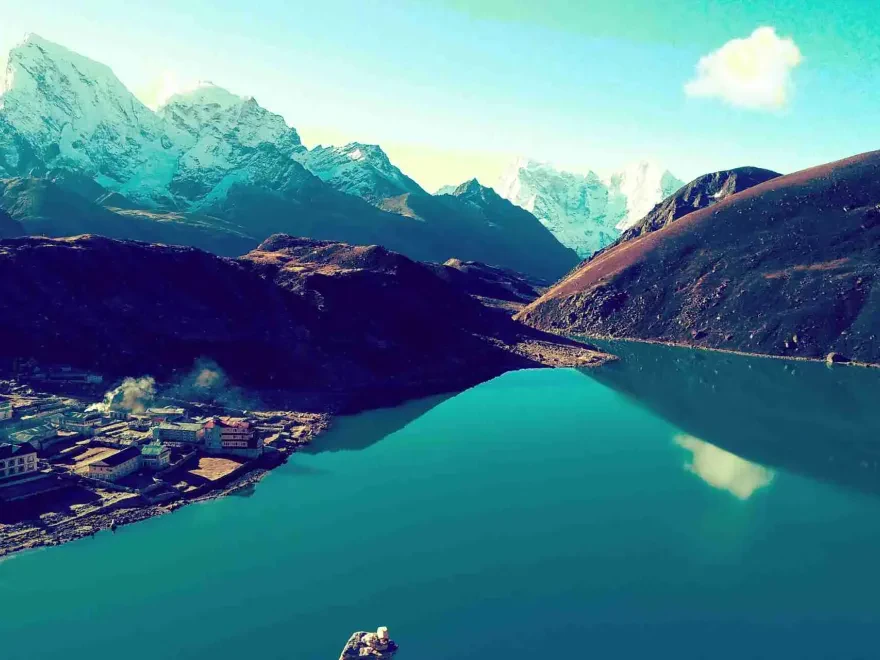
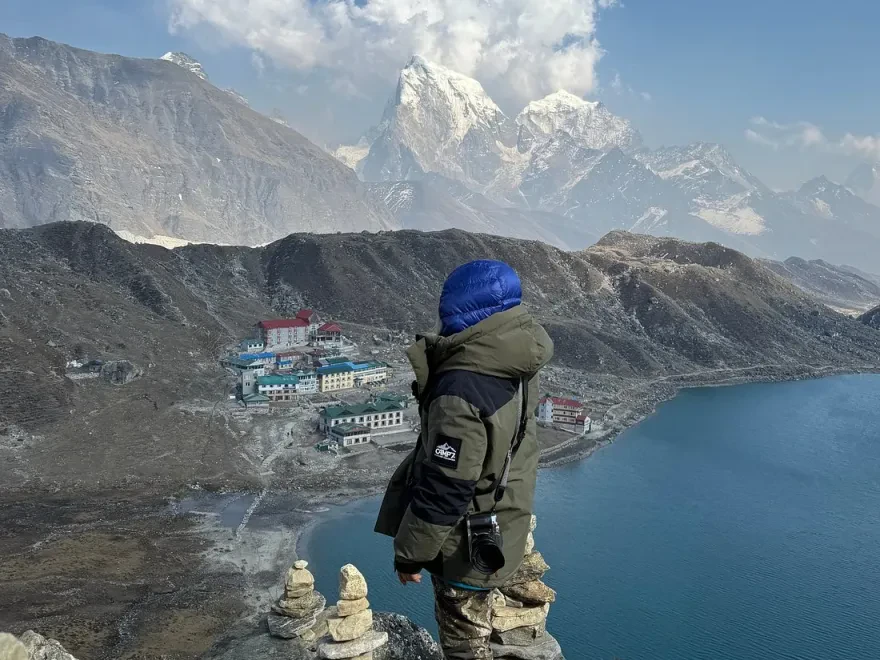
The Gokyo and Cho La Pass Everest Base Camp (EBC) Trek is a remarkable adventure that combines two of the most iconic trekking experiences in the Himalayas. This trek allows adventurers to explore the spectacular beauty of the Everest region, including the serene Gokyo Lakes, the challenging Cho La Pass, and the legendary Everest Base Camp. Unlike the traditional Everest Base Camp trek, this route provides an alternative path, revealing lesser-known trails, remote Sherpa villages, and pristine glacial landscapes. Trekkers witness panoramic views of some of the world’s tallest peaks, including Mt. Everest (8,848 m), Lhotse (8,516 m), Makalu (8,481 m), Cho Oyu (8,201 m), and many surrounding Himalayan giants, all while experiencing the unique culture of the Sherpa people.
This trek spans 16 days, beginning with a flight to Lukla, the gateway to the Everest region, and ending in Kathmandu. The journey includes moderate to challenging trekking days, high-altitude passes, and scenic overnight stops in traditional teahouses. Highlights of the trek include Gokyo Ri, which offers arguably the most breathtaking panoramic view of Everest; Cho La Pass, a high-altitude pass connecting Gokyo with the Everest Base Camp trail; and the serene Gokyo Lakes, renowned for their turquoise beauty and reflections of snow-capped peaks. Along the way, trekkers also encounter picturesque villages such as Namche Bazaar, Tengboche, Dingboche, and Gorakshep, where local culture, Buddhist monasteries, and traditional Sherpa hospitality are on full display.
The best season to trek the Gokyo and Cho La Pass EBC route is during the pre-monsoon (March to May) and post-monsoon (late September to November) periods. During these months, the weather is generally stable, with clear skies, moderate temperatures, and optimal conditions for trekking and photography. In spring, rhododendron forests burst into vibrant colors, creating a striking contrast against the white Himalayan peaks. Summer months, particularly June to August, are not ideal due to the monsoon season, which brings heavy rain, landslides, and slippery trails. Winter, from December to February, is cold with significant snowfall, making high passes like Cho La more challenging and risky.
Trekkers during the spring season benefit from moderate temperatures, ranging from 10°C to 20°C at lower altitudes, while higher camps can drop below freezing at night. Clear skies provide uninterrupted views of Everest, Makalu, Cho Oyu, and Lhotse. Autumn offers similar conditions with cooler weather and minimal rainfall, making it perfect for those seeking more comfortable trekking days. Both seasons offer excellent opportunities for witnessing stunning sunrises over the Himalayan peaks and capturing reflections in the Gokyo Lakes. Nepal Planet Treks & Expedition recommends trekking with proper gear for high-altitude conditions, including layered clothing, sturdy boots, and sun protection, regardless of the season.
Key Points:
The Gokyo and Cho La Pass EBC Trek is considered a challenging to strenuous trek, requiring a good level of physical fitness and high-altitude trekking experience. The trail involves trekking through moderate inclines, rocky paths, and high mountain passes, with Cho La Pass (5,420 m) being the most demanding section. Trekkers face long hiking days of 5–8 hours, potential altitude-related symptoms, and cold weather conditions at higher elevations. Despite the challenges, the route is well-supported with teahouses, acclimatization days, and guidance from experienced local guides, making it achievable for adventurous trekkers who train adequately before the journey.
Transportation for this trek begins with a flight from Kathmandu to Lukla (35 minutes), widely regarded as one of the world’s most thrilling air routes, offering views of snow-capped peaks and the Dudh Koshi River. From Lukla, trekking is done entirely on foot, passing through villages such as Phakding, Namche Bazaar, Tengboche, Dingboche, and Gokyo. Return journeys from Lukla to Kathmandu are also by flight, with spectacular aerial views of Everest and surrounding peaks. Nepal Planet Treks & Expedition ensures that transportation is safe, timely, and coordinated to minimize risk, with contingency plans for weather-related delays.
Key Points:
Accommodation along the Gokyo and Cho La Pass EBC Trek is primarily in teahouses and lodges, offering basic but comfortable rooms with single or shared beds. Facilities improve as trekkers descend from higher altitudes, while the higher camps at Gorakshep or Dole may have limited amenities due to their remote location. Teahouses often provide communal dining areas, hot showers (for a fee), and charging facilities for electronic devices. Although basic, these accommodations offer warmth, shelter, and the opportunity to interact with local Sherpa families.
Food on this trek is diverse and caters to both local and international palates. Trekkers can enjoy traditional Nepalese dishes such as dal bhat (lentil soup with rice), momo (dumplings), and thukpa (noodle soup), alongside Western options like pasta, pancakes, and fried rice. Meals are freshly prepared, though prices may be higher at extreme altitudes due to logistical challenges. Adequate hydration is essential; boiled water, tea, and electrolyte drinks are recommended to prevent altitude sickness. Nepal Planet Treks & Expedition ensures trekkers are guided to safe food options and encourages packing essential snacks such as energy bars, nuts, and chocolates to maintain energy levels during long trekking days.
Key Points:
Trekking in the Everest region requires several permits to ensure legal entry and support conservation efforts. The main permits include the Sagarmatha National Park Permit (SNP) and the Trekkers’ Information Management System (TIMS) card. The Sagarmatha National Park Permit is required for all trekkers entering the national park area, helping maintain the park’s ecosystems and wildlife. The TIMS card tracks trekkers’ movements, ensuring safety and accountability. Both permits can be obtained in Kathmandu or at the Salleri/Monjo check-post, but it is recommended to arrange them in advance through Nepal Planet Treks & Expedition to avoid delays.
Additional permits may be required if trekking through restricted areas or during specific conservation projects, such as local entry permits for villages near Gokyo Lakes or high passes. Nepal Planet Treks & Expedition provides full assistance in securing all necessary permits, guiding trekkers through the documentation, and ensuring compliance with local regulations. This comprehensive approach ensures a smooth trekking experience, allowing trekkers to focus on the adventure rather than administrative hurdles. Permits also support local communities, contribute to sustainable tourism, and help maintain the pristine beauty of the Everest region for future generations.
Key Points:
The Gokyo and Cho La Pass EBC Trek is ideal for trekkers seeking a less crowded, adventurous, and visually stunning alternative to the traditional Everest Base Camp route. By combining the EBC trail with the Gokyo Lakes and high-altitude Cho La Pass, this trek offers some of the most dramatic Himalayan landscapes, including glaciers, serene alpine lakes, and towering peaks. It is perfect for photography enthusiasts, adventure seekers, and those eager to experience authentic Sherpa culture in remote villages.
Nepal Planet Treks & Expedition stands out as a trusted partner for this trek. With years of experience in the Everest region, the company provides expert guides, logistical support, safe accommodations, and customised itineraries. Their team prioritises safety, acclimatisation, and a balanced trekking pace, ensuring that clients enjoy the journey without unnecessary stress. Choosing this trek with Nepal Planet Treks & Expedition guarantees a well-rounded experience, combining adventure, culture, natural beauty, and the thrill of crossing a challenging high-altitude pass. For anyone dreaming of standing in the shadow of the world’s highest peaks while exploring the hidden gems of the Khumbu region, this trek is an unforgettable Himalayan adventure.
Key Points:
Upon arrival at Tribhuvan International Airport in Kathmandu, a representative from Nepal Planet Treks & Expedition will greet you and transfer you to your hotel in the heart of the city. After checking in, take some time to rest and freshen up from your journey. In the late afternoon, enjoy a leisurely walk around the nearby streets, exploring the bustling local markets and observing the vibrant city life. In the evening, savor a traditional Nepali dinner at the hotel or a nearby restaurant. Overnight stay is at the hotel, allowing you to acclimate and prepare for your adventure ahead.
We start early with a scenic flight from Kathmandu to Lukla, landing at the famous Tenzing-Hillary Airport. From Lukla, our trek begins along the Dudh Koshi River, passing through small Sherpa villages and terraced fields. Marvel at the views of towering peaks like Nupla and Kusum Kangru while walking through pine and rhododendron forests. The trek is gentle today, helping your body adjust to the altitude. We reach the village of Phakding in the late afternoon, where tea houses and lodges offer warm hospitality. Overnight stay is in Phakding.
Today we trek through rhododendron and magnolia forests, crossing suspension bridges over rushing rivers and passing through quaint Sherpa villages. As we ascend toward Namche Bazaar, the gateway to the Everest region, the views of towering Himalayan peaks become increasingly breathtaking. Namche Bazaar is a bustling mountain town with tea houses, lodges, and markets, offering a glimpse into Sherpa culture and local life. Upon arrival, take time to stroll around the town, visit local shops, and enjoy the panoramic scenery of Everest, Lhotse, and Ama Dablam. Overnight stay is in Namche Bazaar.
We dedicate today to acclimatization, hiking to nearby villages such as Syangboche, Khumjung, and Khunde. Syangboche offers an incredible view of Everest and the surrounding peaks, while Khumjung and Khunde provide insight into Sherpa culture, local monasteries, and traditional life. At Khumjung, we may visit the Hillary School and enjoy lunch in a local teahouse. The gentle hike allows your body to adjust to higher altitudes while soaking in cultural and natural beauty. Return to Namche Bazaar for dinner and an overnight stay, preparing for the next day’s trek.
The trail from Namche to Tengboche winds through lush forests and charming villages. Tengboche is famous for its magnificent monastery, the largest in the Khumbu region, offering panoramic views of Ama Dablam, Thamserku, Kangtega, and other Himalayan giants. Take time to explore the monastery, observe the monks’ daily rituals, and soak in the spiritual atmosphere. The surrounding landscapes provide fantastic photo opportunities, with rolling valleys and towering peaks. In the evening, enjoy dinner at the lodge, watching the sun cast golden light over the mountains. Overnight stay is in Tengboche.
The journey from Tengboche to Dingboche follows the Imja Khola River, through rhododendron forests, Mani walls, and small villages. Dingboche is a serene village surrounded by barley and potato fields, offering breathtaking views of Island Peak, Ama Dablam, and other Himalayan peaks. The walk is moderately challenging due to the gradual ascent, but the scenery makes every step worthwhile. Spend the evening resting in your lodge, acclimatizing to the higher altitude, and enjoying the tranquil Himalayan environment. Overnight stay is in Dingboche.
Today we focus on acclimatization with a hike to Nangkartshang Gompa, a high vantage point offering panoramic views of Makalu and the surrounding Himalayan range. The gentle climb allows your body to adjust to the altitude while enjoying breathtaking scenery. Return to Dingboche in the afternoon to relax and prepare for the more challenging sections ahead. Take time to explore the village, interact with locals, and enjoy the peaceful Himalayan surroundings. Overnight stay is in Dingboche.
The trail to Lobuche passes through high alpine terrain, with sweeping views of Nuptse, Pumori, Cholatse, and other Himalayan peaks. Along the way, we pass Pheriche village and the memorials of climbers who have lost their lives in the mountains, providing a reflective moment in the journey. Lobuche is a small village at the base of towering peaks, offering a peaceful retreat and stunning landscapes. Overnight stay is in Lobuche, preparing for the trek to Everest Base Camp the following day.
After breakfast, we trek toward the legendary Everest Base Camp, crossing rocky terrain and the Khumbu Glacier. The journey is challenging but rewarding, with views of Pumori, Nuptse, and the Khumbu Icefall. At Base Camp, take time to admire the surrounding peaks and capture unforgettable photos. After soaking in the grandeur, we descend slightly to Gorakshep for an overnight stay. This day tests endurance and acclimatization, so walking slowly, hydrating, and resting are crucial. Overnight stay is in Gorakshep.
Early in the morning, we ascend Kalapathar, a small rocky peak offering one of the best panoramic views of Everest, Lhotse, and the surrounding Himalayas. Enjoy the breathtaking scenery and photograph the sunrise over the mountains. After descending, we continue trekking to Dzongla, passing through high-altitude landscapes, glacial moraines, and pristine mountain terrain. Dzongla is a small settlement where you can relax and enjoy the evening’s peaceful surroundings. Overnight stay is in Dzongla.
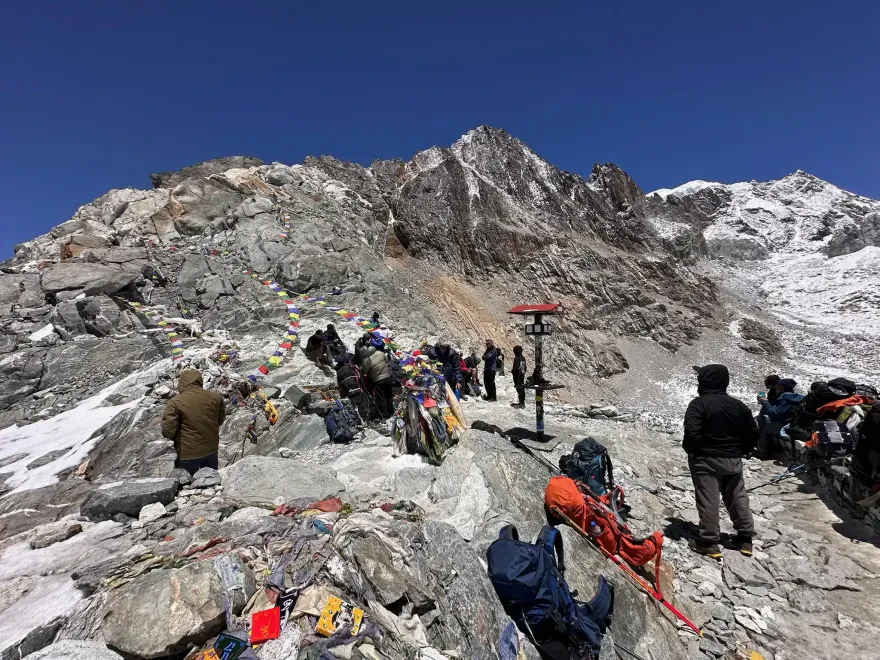
Today’s trek involves crossing the challenging Cho La Pass. The ascent requires careful navigation over glaciers and rocky terrain, but the stunning high-altitude landscapes make it a memorable experience. After crossing the pass, we descend toward Thangnak, a small village nestled among rugged peaks. The descent offers opportunities to rest and enjoy the panoramic views, reflecting on the accomplishment of crossing one of the Himalayas’ famous passes. Overnight stay is in Thangnak.
We trek into the beautiful Gokyo Valley, renowned for its serene turquoise lakes and stunning views of the surrounding peaks. The route passes through small settlements and offers spectacular panoramas of Ngozumpa Glacier, the largest glacier in Nepal. Gokyo is a tranquil village that provides a perfect setting to relax and take in the high-altitude scenery. Enjoy the evening exploring the lakeshore and photographing the Himalayan reflections in the pristine water. Overnight stay is in Gokyo.
Early in the morning, we hike to Gokyo Ri for breathtaking 360-degree views of Everest, Makalu, Lhotse, and Cho Oyu. The sunrise here is spectacular, making it a photographer’s paradise. After descending, we trek toward Machhermo or Dole, passing serene valleys and glacial terrain. This descent allows for acclimatization at a lower altitude while enjoying the peaceful village atmosphere. Overnight stay is in Machhermo or Dole, providing comfort and rest before continuing the journey back to Namche Bazaar.
Our return trek to Namche Bazaar is mostly downhill, passing through the picturesque Imja Khola Bridge and lush forests. The trail is relatively easier, allowing you to enjoy the scenery without much strain. Namche Bazaar offers a welcoming atmosphere, with teahouses, shops, and cafés where you can relax and interact with fellow trekkers. Spend the evening strolling through the town, appreciating the local culture, and savoring a delicious dinner. Overnight stay is in Namche Bazaar.
The final trekking day leads us back to Lukla. The trail descends through forests, rivers, and charming Sherpa villages, giving a sense of accomplishment and reflection on the journey. Stop for lunch at a lodge along the way, and arrive in Lukla by late afternoon. Spend the evening relaxing, sharing stories with fellow trekkers, and preparing for your flight to Kathmandu. Overnight stay is in Lukla.
After a scenic morning flight from Lukla to Kathmandu, we transfer to the hotel for check-in. Spend the afternoon exploring Thamel, Kathmandu’s vibrant shopping district, perfect for souvenirs, trekking gear, and local handicrafts. In the evening, enjoy a traditional Nepali dinner at one of the city’s finest restaurants, reflecting on the incredible adventure. Overnight stay is at the hotel in Kathmandu, providing comfort and relaxation after your high-altitude trek.
On your final day, Nepal Planet Treks & Expedition ensures a smooth transfer to Tribhuvan International Airport according to your flight schedule. Depending on your departure time, enjoy a final breakfast at the hotel and take a moment to reflect on your journey through the Himalayas. Our team ensures you reach the airport with ample time for check-in, security, and boarding, making your departure from Nepal seamless and stress-free.
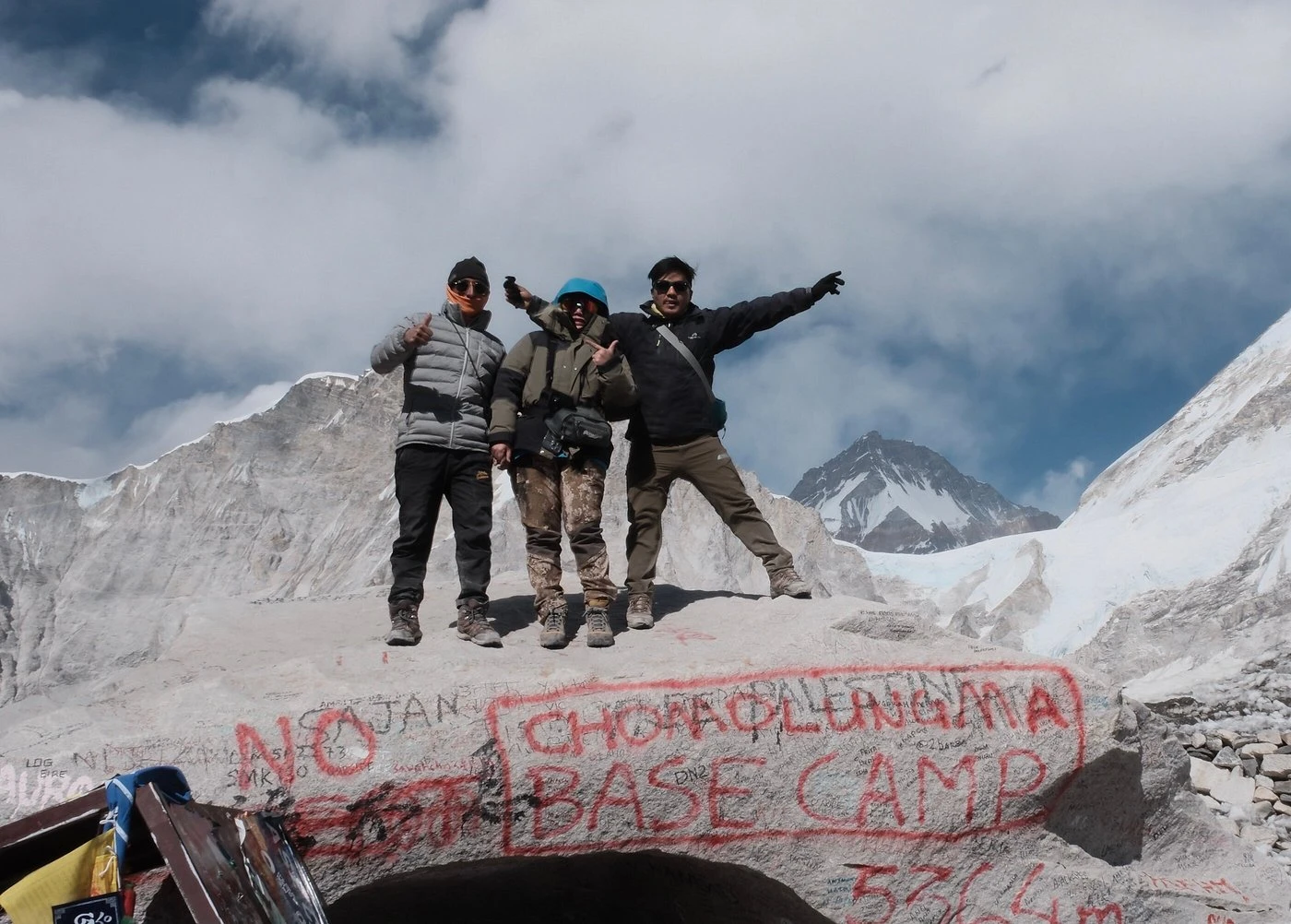
The Gokyo and Cho La Pass trek is considered challenging due to the high altitude, long walking hours, and the technical nature of Cho La Pass. Trekkers need a good level of fitness, stamina, and prior trekking experience is helpful. Daily hikes can range from 4–8 hours, often on steep or rocky terrain. Nepal Planet Treks & Expedition ensures proper acclimatization days and experienced guides to assist trekkers, providing tips, pacing strategies, and safety measures to make this adventure challenging yet achievable for those prepared physically and mentally.
While previous trekking experience is not mandatory, having a moderate level of fitness and experience with long walks or hill trekking will make the journey easier and more enjoyable. The trek involves crossing high-altitude passes, walking on glaciers, and navigating uneven terrain. Nepal Planet Treks & Expedition provides professional guides who assist beginners and experienced trekkers alike, offering guidance on pacing, altitude adjustment, and trail navigation, ensuring a safe and memorable experience regardless of your previous trekking background.
Proper acclimatization is crucial to avoid altitude sickness. The trek gradually ascends with planned acclimatization days at Namche Bazaar, Dingboche, and Gokyo. During these days, trekkers are encouraged to hike nearby peaks and drink plenty of water while resting and monitoring their health. Nepal Planet Treks & Expedition emphasizes education on altitude sickness symptoms, proper hydration, and pacing strategies. Our guides are trained to recognize signs of Acute Mountain Sickness (AMS) and can adjust itineraries or arrange emergency evacuations if necessary, ensuring a safe trekking experience for all participants.
The trek package typically includes domestic flights (Kathmandu–Lukla–Kathmandu), experienced English-speaking guides, porters, accommodation during the trek, all meals while trekking, trekking permits, TIMS card, and first aid kits. We also provide itinerary planning, logistical support, and emergency backup. Nepal Planet Treks & Expedition ensures a seamless experience from the moment you arrive in Kathmandu until your departure. Flights, teahouse reservations, and all trekking arrangements are professionally handled, allowing trekkers to focus entirely on enjoying the Himalayan adventure safely and comfortably.
The trek involves 4–8 hours of walking daily on varied terrain, including steep ascents, descents, and occasional rocky or icy paths. Some days, such as the Everest Base Camp hike and Cho La Pass crossing, are more physically demanding and require endurance and mental focus. Nepal Planet Treks & Expedition structures the itinerary to allow gradual altitude gain, regular rest stops, and acclimatization days to reduce fatigue. While the trek is challenging, with proper preparation, pacing, and guidance from our expert team, trekkers can manage the physical demands successfully and enjoy breathtaking Himalayan scenery.
Mobile coverage and internet access are limited on the trek. Some villages and lodges in Namche, Tengboche, Dingboche, and Gokyo have Wi-Fi, usually for a small fee, and sporadic mobile network coverage is available with certain providers. Nepal Planet Treks & Expedition advises trekkers to inform family and friends about limited connectivity and use it sparingly. The trek is an opportunity to disconnect, enjoy the stunning natural scenery, and immerse yourself in the Himalayan environment. We also provide emergency communication options for safety during the journey.
The best time to trek to Gokyo and cross Cho La Pass is during the pre-monsoon (spring: March to May) and post-monsoon (autumn: late September to November) seasons. During these months, the weather is relatively stable, the skies are clear, and the mountain views are spectacular. Spring offers blooming rhododendrons and vibrant valleys, while autumn provides crisp, clear skies and ideal trekking conditions. Nepal Planet Treks & Expedition recommends avoiding the monsoon and winter months due to heavy rainfall, landslides, and snow, which can make the trail more dangerous and difficult.
Accommodation on the Gokyo and Cho La Pass trek is mainly in tea houses or lodges. These facilities offer basic amenities such as warm meals, shared or private rooms, and hot showers in some locations. At higher altitudes, amenities may be limited, and heating may be provided with traditional stoves. Nepal Planet Treks & Expedition carefully selects clean and safe lodges, ensuring comfort while maintaining authenticity. We also provide detailed guidance on packing essential items, like sleeping bags and personal hygiene kits, to make your stay cozy and pleasant.
Meals are included in most tea houses and lodges along the trek. Traditional Nepali cuisine, including dal bhat (rice and lentils), noodles, soups, and momo dumplings, is commonly served. Western options such as pasta, omelets, and sandwiches are often available as well. Nepal Planet Treks & Expedition ensures that trekkers receive nutritious meals to maintain energy during high-altitude trekking. Vegetarians and special dietary needs can be accommodated, but it’s recommended to inform us beforehand. Hot drinks, including tea, coffee, and soups, are available throughout the trek to keep warm and hydrated.
Crossing Cho La Pass is safe for physically fit trekkers, but it requires caution. The pass involves walking over glaciers, snowfields, and rocky terrain at high altitude. Weather conditions can change quickly, adding risks of ice or slippery sections. Nepal Planet Treks & Expedition provides experienced guides who assess conditions daily, carry safety equipment, and advise on pacing and crossing techniques. Proper preparation, including acclimatization, trekking poles, crampons, and trekking experience, greatly enhances safety, making the Cho La Pass crossing an achievable and memorable highlight of the trek.
Packing for the trek requires clothing suitable for extreme altitude and cold weather, including thermal layers, a down jacket, trekking pants, gloves, hat, and sturdy trekking boots. Essential items include a sleeping bag, trekking poles, sunglasses, sunscreen, and a first aid kit. Nepal Planet Treks & Expedition provides a detailed packing list and advises on lightweight, functional gear that balances comfort and mobility. Proper packing is key to enjoying the trek safely and comfortably, especially in high-altitude areas where weather can be unpredictable and temperatures drop significantly.
| No of people | Price per person |
|---|---|
| 1 - 1 | $1,565 |
| 2 - 4 | $1,265 |
| 5 - 9 | $1,095 |
| 10 - 20 | $1,065 |