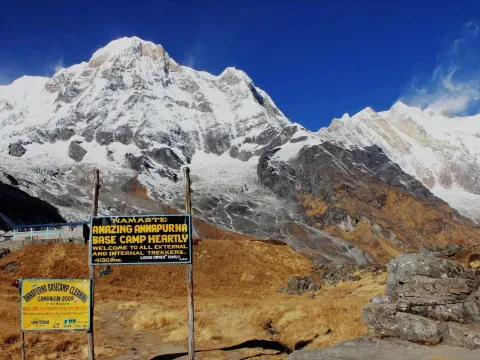
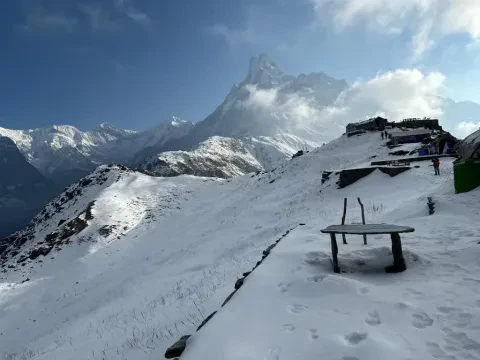
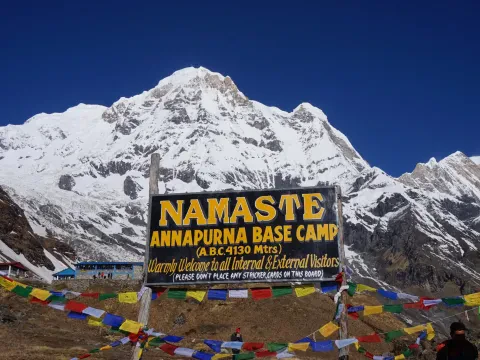
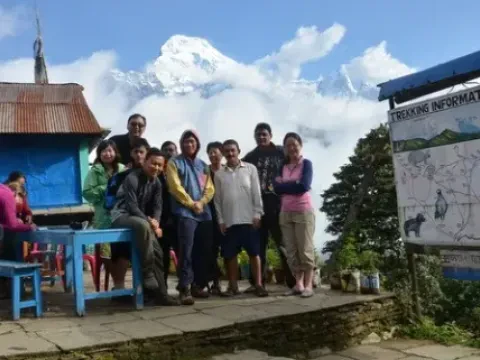
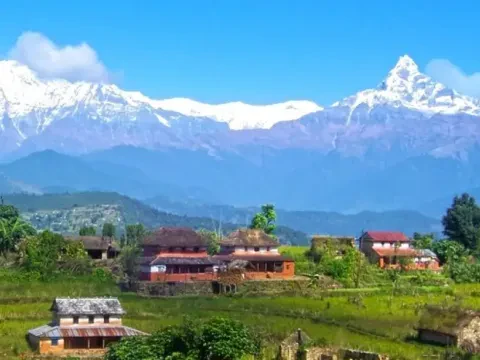
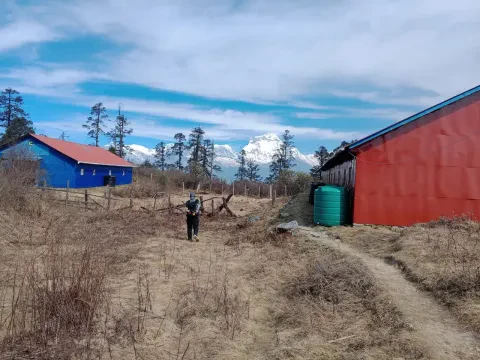
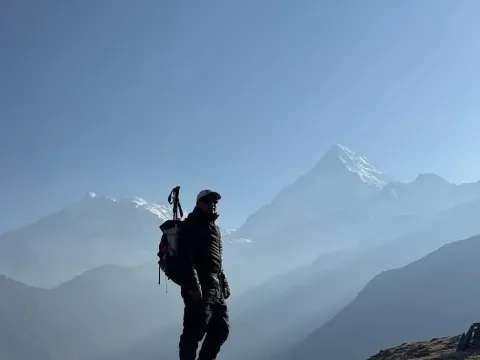
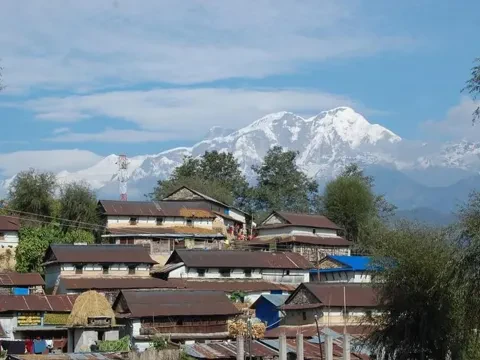
Annapurna Region has been widely known as bliss for both veteran and novice trekkers. In fact, there are number of fascinating treks in Annapurna region like- Annapurna Base Camp Trek, Jomsom Muktinath Trek, Ghorepani Trek Annapurna Round, Annapurna circuit and many more. Also, the area offers a variety of shorter trekking routes such as Tatopani, Ghandruk, and others. Plus, the trek to the ancient kingdom, Lho situated in upper Mustang, Muktinath temple, settlement of Manang, the deepest gorge of world- Kaligandaki are some other mesmerizing part in the Annapurna region.
Human populace in Nepal has escalated out of the blue and has worsened the procedure of environmental conservation. So, with the purpose of saving the environment and prospering the tourism part in Nepal, King Mahendra Trust for Nature Conservation founded the Annapurna Conservation Area Project in 1968. The conservation region which we can glance while trekking in Annapurna region includes several of the richest lovely rhododendron forest on the earth and 100 varieties of orchids. Mainly, the upper alpine spot is dwelling areas for snow leopards, blue sheep etc. Likewise, other areas are the home for bird species like multi-coloured impeyan, kokla, blood pheasant, amongst an enormous numbers of varieties of birds, and also consist of butterflies as well as insects. Most significantly, the Annapurna region embraces peaks like Annapurna I, Annapurna II, Annapurna III, Annapurna IV and Annapurna south peaks. Nepal Planets Treks and Expedition will prepare a perfect trek itinerary for you as per your desire which will let you experience the speckled terrain and diverse cultures which make the region the most idyllic destination for trekking in the country.
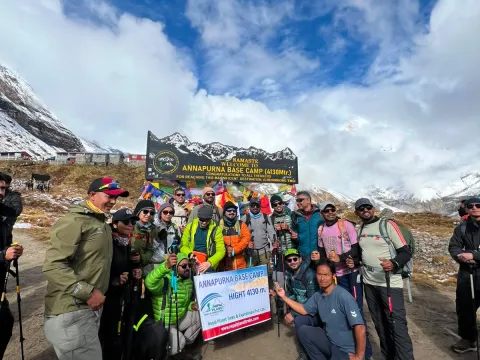
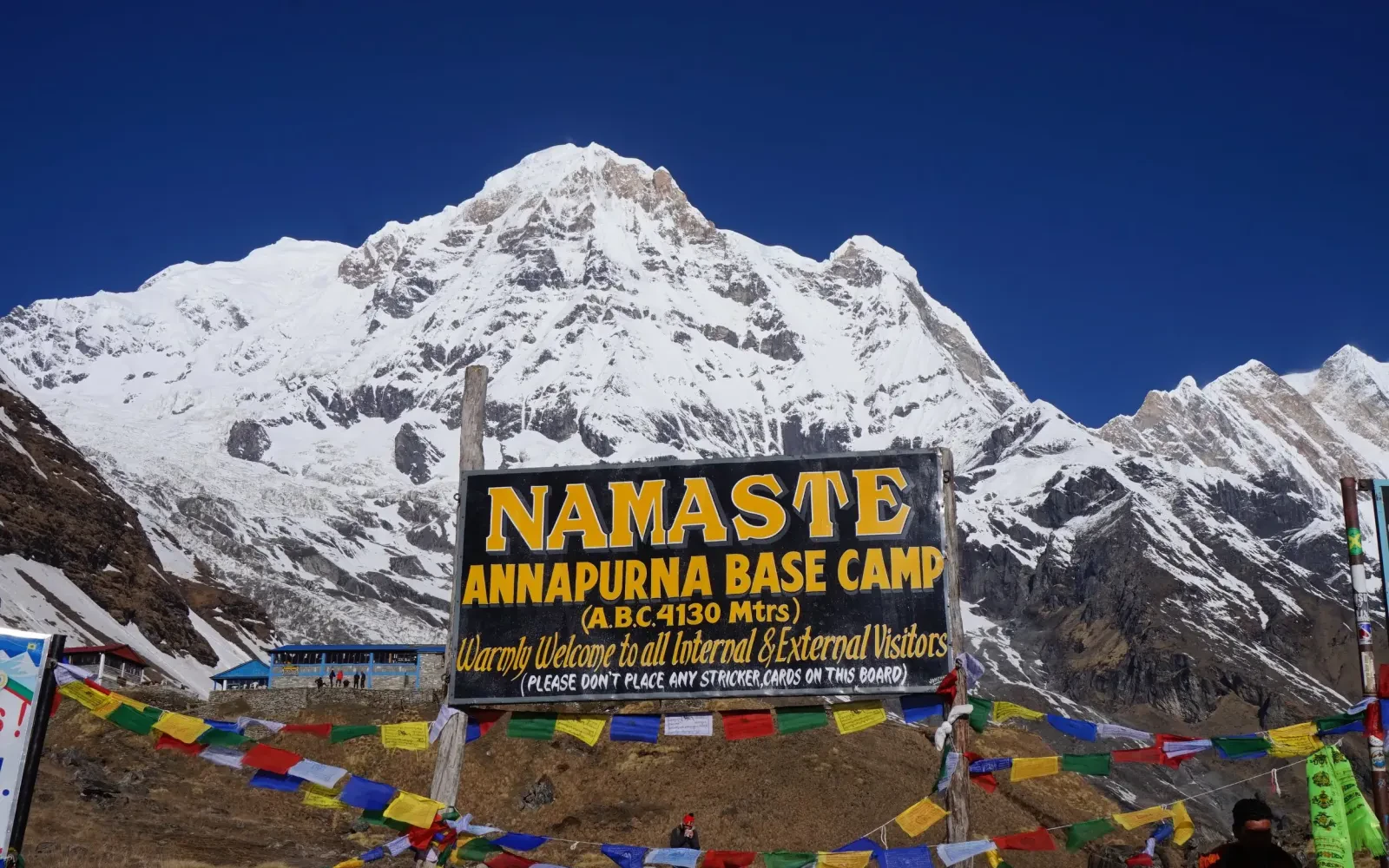
The Annapurna Base Camp (ABC) Trek is one of the most iconic trekking routes in Nepal, offering an unparalleled experience in the heart of the Himalayas. Starting from the vibrant city of Kathmandu, trekkers travel to Pokhara, a serene lakeside city, before beginning the journey through terraced fields, dense forests, and quaint villages. The trek covers a wide variety of landscapes, from subtropical valleys to alpine meadows, leading up to the dramatic Annapurna and Machhapuchhre (Fishtail) Base Camps.One of the highlights of the trek is Poon Hill, which provides a panoramic sunrise view over the Annapurna and Dhaulagiri ranges. The trail is peppered with waterfalls, turquoise lakes, and hot springs, offering natural beauty at every step. Trekkers are treated to encounters with local Gurung and Magar communities, who have maintained their unique culture and traditions for centuries. Wildlife enthusiasts may spot over 100 species of mammals, including elusive snow leopards, Himalayan tahr, and blue sheep.Close-up views of Mt. Annapurna I (8,091m) and Mt. Dhaulagiri (8,167m)Visit Machhapuchhre Base Camp, the starting point for climbersExplore terraced villages and alpine forestsScenic rivers, waterfalls, and hot springs along the wayNepal Planet Treks & Expedition ensures that this 14-day adventure is safe, comfortable, and unforgettable, giving trekkers the chance to immerse themselves fully in the majestic Annapurna region.Best Season for Annapurna Base Camp TrekThe Annapurna Base Camp trek can be undertaken almost year-round, but the best seasons are pre-monsoon (March–May) and post-monsoon (September–November). During these periods, the weather is generally clear, making it ideal for breathtaking views of the Himalayan peaks. Spring offers a spectacular display of rhododendron blooms in shades of red, pink, and white, while autumn presents crisp, clear skies with excellent visibility of Annapurna and surrounding peaks.Winter (December–February) brings cold temperatures and occasional snow, particularly at higher altitudes. Though the trail is quieter, trekkers must be prepared for icy paths and sub-zero temperatures. Monsoon season (June–August) is not recommended due to heavy rainfall, landslides, and slippery trails, which make trekking more dangerous.Seasonal Highlights:Spring: Blooming rhododendrons and moderate temperaturesAutumn: Clear skies and perfect Himalayan vistasWinter: Fewer trekkers, serene landscapes, but colder conditionsMonsoon: Avoid due to rain and landslide riskNepal Planet Treks & Expedition customizes itineraries based on your preferred season, ensuring the best combination of safety, scenery, and cultural experiences.Annapurna Base Camp Trek Difficulty and TransportationThe ABC Trek is classified as moderate to strenuous, making it suitable for individuals with a reasonable fitness level. The trek involves daily walks of 4–7 hours, with altitude gain reaching 4,130m at Annapurna Base Camp. While the trail is well-marked and supported by teahouses, trekkers should be aware of altitude sickness and pace themselves accordingly.Transportation is straightforward: travelers typically fly or drive from Kathmandu to Pokhara, which is the starting point of the trek. From Pokhara, a short drive takes you to Nayapul, the trekking gateway. The trail alternates between stone-paved paths, forested trails, and suspension bridges crossing rushing rivers. Nepal Planet Treks & Expedition provides experienced guides, porters, and logistics support to ensure smooth navigation and safety throughout the journey.Difficulty & Transportation Highlights:Moderate to strenuous trek with altitude gain up to 4,130mDaily walking: 4–7 hoursStarting point: Nayapul, accessible from PokharaTrail type: Forested paths, stone stairways, and suspension bridgesExpert guides and porters from Nepal Planet Treks & ExpeditionThis trek requires endurance and preparation, but the combination of adventure, nature, and culture makes every step worthwhile.Food and Accommodation for Annapurna Base Camp TrekAlong the ABC trail, accommodation is primarily in tea houses and lodges, which provide basic but comfortable amenities. Rooms usually consist of twin or triple beds with blankets; private bathrooms may be limited at higher altitudes. Nepal Planet Treks & Expedition carefully selects lodges that maintain cleanliness and offer a cozy atmosphere, ensuring trekkers get rest after long hiking days.Food along the trail includes traditional Nepali dishes such as dal bhat (rice and lentils), momo (dumplings), and vegetable curry. Western options like pasta, noodles, and sandwiches are also available in most tea houses. Hot drinks such as tea, coffee, and hot chocolate help keep trekkers warm, particularly at higher elevations. Hydration is important, and purified water is available, though it is advisable to carry water purification tablets as a precaution.Food & Accommodation Highlights:Comfortable tea houses and lodges along the trailLocal Nepali cuisine and Western options availablePrivate or shared bathrooms depending on lodgeHot drinks and purified water readily accessibleLodges selected for cleanliness and comfortNepal Planet Treks & Expedition ensures that trekkers enjoy nutritious meals and comfortable lodging to recharge for each trekking day, keeping energy levels high and spirits elevated.Annapurna Base Camp Trek PermitsTo trek in the Annapurna region, travelers need to obtain specific permits. The Annapurna Conservation Area Permit (ACAP) and the Trekkers’ Information Management System (TIMS) card are mandatory. ACAP protects the natural and cultural heritage of the region, while TIMS ensures the safety of trekkers and allows tracking in case of emergencies.Permit Details:ACAP Permit: Protects Annapurna Conservation Area, costs around USD 30–50TIMS Card: Ensures trekkers’ safety, costs around USD 20Permits are checked at checkpoints along the trailNepal Planet Treks & Expedition assists in obtaining all necessary permitsHaving permits ensures a hassle-free trekking experience, and the responsible collection of fees supports conservation and local communities.Why Choose Annapurna Base Camp TrekThe Annapurna Base Camp Trek is a once-in-a-lifetime journey combining breathtaking landscapes, rich culture, and thrilling adventure. The trek offers some of the best Himalayan panoramas, from the iconic Machhapuchhre (Fishtail) to the towering Annapurna I and Dhaulagiri. The mix of subtropical forests, terraced villages, and alpine meadows makes this trek diverse and visually stunning.Nepal Planet Treks & Expedition provides a fully guided experience, including experienced guides, porters, transport arrangements, and accommodations. Their team ensures safety, comfort, and a rich cultural experience, allowing trekkers to focus on the journey without worrying about logistics. The company is known for its personalized service, local expertise, and dedication to making each trek memorable.Reasons to Choose ABC Trek:Incredible views of the Annapurna and Dhaulagiri rangesVisit Machhapuchhre Base Camp and scenic villagesExplore diverse flora, fauna, and cultural heritageGuided by the experienced Nepal Planet Treks & Expedition teamPerfect balance of adventure, nature, and cultural immersionChoosing this trek guarantees an experience of Himalayan adventure, cultural discovery, and personal achievement, all with the trusted support of Nepal Planet Treks & Expedition.
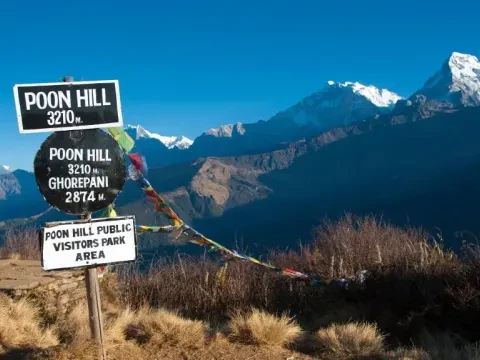
The Ghorepani Poon Hill Trek is one of Nepal’s most popular and accessible treks, located in the scenic Annapurna region. This trek offers a perfect blend of natural beauty, cultural immersion, and adventure, making it ideal for first-time trekkers or travelers with limited time. The trail begins at Nayapul, a short drive from Pokhara, and winds through lush forests, terraced fields, and traditional villages such as Tikhedhunga, Ulleri, Ghorepani, Tadapani, and Ghandruk. Each stop provides unique experiences, from interacting with local Gurung and Magar communities to witnessing the tranquil mountain landscapes.The highlight of this trek is the early morning hike to Poon Hill (3,210m), where trekkers can enjoy breathtaking panoramic views of some of the world’s most iconic peaks, including Annapurna South, Machhapuchhre (Fishtail), Dhaulagiri, and Hiunchuli. The sunrise from Poon Hill is renowned for its vibrant hues reflecting off the snow-capped mountains, creating a memory that lasts a lifetime. The trek generally takes 4–5 days to complete, depending on pace and itinerary, making it a perfect choice for travelers who want an enriching Himalayan experience without committing to a long expedition.Duration: 4–5 daysStarting point: Nayapul (accessible from Pokhara)Main highlight: Poon Hill sunriseVillages visited: Tikhedhunga, Ulleri, Ghorepani, Tadapani, GhandrukBest Season for Ghorepani Poon Hill TrekThe Ghorepani Poon Hill Trek can be undertaken year-round, but the spring (March to May) and autumn (September to November) seasons are widely regarded as the best times. During spring, rhododendron forests along the trail are in full bloom, adding a riot of colors to your trek. The weather during this period is moderate, and skies are typically clear, offering unobstructed views of the Annapurna range. Autumn, on the other hand, brings crisp air and stable weather, making it ideal for photography and panoramic vistas.Winter (December to February) is less crowded and offers serene landscapes, though temperatures drop significantly, especially at higher elevations. Monsoon season (June to August) is generally not recommended due to heavy rainfall, landslides, and slippery trails, although the region becomes lush and green. Choosing the right season is crucial to fully enjoy the scenic beauty, cultural experiences, and comfortable trekking conditions that Ghorepani Poon Hill has to offer.Key points:Spring: March–May, blooming rhododendronsAutumn: September–November, clear skies and crisp airWinter: December–February, less crowded but coldMonsoon: June–August, not recommended due to rainfallGhorepani Poon Hill Trek Difficulty and TransportationThe Ghorepani Poon Hill Trek is considered a moderate trek, suitable for beginners and intermediate trekkers. The trail features gradual ascents and descents, with a few steep sections, especially from Tikhedhunga to Ulleri, which involves climbing over 3,000 stone steps. Overall, the trek is manageable for individuals with average fitness levels, though preparation with cardiovascular exercises and short hikes before arrival is recommended. The highest point, Poon Hill, reaches 3,210 meters, which is generally safe from severe altitude sickness, but acclimatization and proper hydration are still important.Transportation for the trek is convenient. Most itineraries begin with a drive from Kathmandu to Pokhara (6–7 hours by tourist bus), followed by a 1–2 hour drive from Pokhara to Nayapul, the trekking starting point. For return, trekkers can walk back to Nayapul from Ghandruk and take the bus back to Pokhara, before returning to Kathmandu. This combination of road travel and trekking allows a seamless and comfortable journey for travelers who want to explore the Annapurna region efficiently.Key points:Trek difficulty: Moderate, suitable for beginnersMaximum elevation: 3,210m (Poon Hill)Transport: Tourist bus Kathmandu–Pokhara, drive Pokhara–NayapulTrek duration: 4–5 daysFood and Accommodation for Ghorepani Poon Hill TrekAlong the Ghorepani Poon Hill Trek, accommodation is primarily in teahouses, which are small lodges run by local families. Teahouses provide basic amenities such as a bed, blanket, and hot shower (often for a small extra fee). While not luxurious, these lodges offer a warm and welcoming environment, allowing trekkers to experience local hospitality and interact with villagers.Food on the trek is simple but satisfying, with menus featuring local Nepali dishes such as dal bhat (lentil soup with rice), momo (dumplings), noodles, and soups. Most teahouses also offer Western meals such as pasta, omelets, and sandwiches. It’s advisable to carry some snacks and water purification tablets to ensure comfort during the trek. Overall, the food and accommodation options strike a balance between comfort and authenticity, making the trek accessible for all types of travelers.Key points:Accommodation: Teahouses with basic amenitiesMeals: Nepali and Western dishesHot showers: Available in most teahouses (extra cost)Cultural experience: Stay with local familiesGhorepani Poon Hill Trek PermitsTrekking in the Annapurna region requires two main permits: the Annapurna Conservation Area Permit (ACAP) and the Trekkers’ Information Management System (TIMS) card. The ACAP permit helps protect the environment and wildlife of the Annapurna Conservation Area, while the TIMS card is used to monitor trekkers’ safety and maintain records. Both permits can be obtained in Kathmandu or Pokhara, and your trekking company, Nepal Planet Treks & Expedition, can assist with all the necessary paperwork to make the process smooth and hassle-free.These permits are mandatory for anyone trekking in the Annapurna region, and carrying them throughout the trek is essential as they may be checked by park officials or local authorities. Ensuring valid permits not only complies with regulations but also contributes to conservation efforts that protect Nepal’s natural beauty and cultural heritage for future travelers.Key points:Mandatory permits: ACAP and TIMSIssued in: Kathmandu or PokharaRequirement: Carry permits during the trekAssistance: Provided by Nepal Planet Treks & ExpeditionWhy Choose Ghorepani Poon Hill TrekThe Ghorepani Poon Hill Trek is an excellent choice for travelers seeking a short but rewarding Himalayan adventure. Its combination of breathtaking mountain views, rhododendron forests, and traditional villages provides a well-rounded experience without the need for extensive trekking experience or high-altitude preparation. This trek also allows visitors to witness Nepal’s rich cultural diversity through interactions with Gurung and Magar communities, offering insight into local traditions, architecture, and lifestyles.Choosing this trek with Nepal Planet Treks & Expedition ensures a seamless and memorable journey. Our experienced guides, personalized itineraries, and attention to safety and comfort allow trekkers to focus entirely on enjoying the scenery and experiences. From arranging transportation and permits to providing local insights and support throughout the trek, we make sure every aspect is handled professionally. The Ghorepani Poon Hill Trek is not just a hike; it’s a chance to immerse yourself in the beauty, culture, and magic of the Annapurna region.Key points:Accessible for beginners and short on timeStunning sunrise at Poon HillCultural immersion in Gurung and Magar villagesExpert guidance and support from Nepal Planet Treks & Expedition
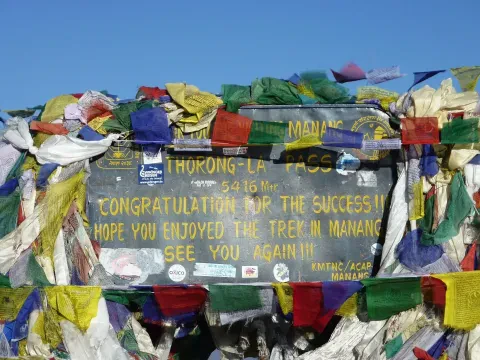
The Annapurna Circuit Trek, organized by Nepal Planet Treks & Expedition, is one of the most iconic trekking experiences in the world. The trek takes adventurers through the diverse landscapes of the Annapurna region, beginning in the lush, subtropical valleys and climbing gradually into high alpine terrain. Trekkers pass through terraced farmlands, dense rhododendron forests, and scenic villages inhabited by ethnic communities such as the Gurung and Thakali people. The trail follows the Marsyangdi River in its lower reaches, where its rapids and waterfalls create mesmerizing sights and soundscapes.The trek covers approximately 160–230 kilometers depending on the route, with Thorong La Pass (5,416m / 17,768 ft.) as the highest point. Along the way, trekkers experience unparalleled views of towering snow-capped peaks, including Annapurna I, Annapurna II, Gangapurna, Machhapuchhre (Fishtail), and Nilgiri. Wildlife is abundant, from deer and langurs in the lower forests to blue sheep and Himalayan marmots at higher elevations. Birdwatchers will find themselves in paradise, spotting species like blood pheasants, Himalayan monals, and migratory Siberian birds. A highlight of the trek is Manang, a central village offering breathtaking alpine vistas and insight into Gurkha heritage. Another key destination is Muktinath Temple, a sacred site for both Hindus and Buddhists, renowned for its eternal flame that has burned for centuries.Scenic Marsyangdi River valley and waterfallsViews of Annapurna, Gangapurna, and MachhapuchhreRich biodiversity and birdwatching opportunitiesCultural experiences in Gurung and Thakali villagesMuktinath Temple pilgrimage siteBest Season for Annapurna Circuit TrekThe best season to trek the Annapurna Circuit is typically spring (March–May) and autumn (September–November). These periods offer the clearest skies, pleasant temperatures, and ideal conditions for high-altitude trekking. Spring is particularly famous for blooming rhododendrons, which create a spectacular colorful landscape along the trail. Autumn offers stable weather, crisp air, and excellent views of snow-capped peaks, making it the most popular trekking season.The monsoon season (June–August) brings heavy rainfall, landslides, and leeches in lower regions, making trekking difficult and sometimes unsafe. Winter (December–February) is suitable only for experienced trekkers due to freezing temperatures, snow accumulation, and potential trail closures around Thorong La Pass. Trekkers attempting the circuit in winter will need additional gear such as down jackets, insulated boots, and crampons.Season Highlights:Spring (Mar–May): Blooming rhododendrons, moderate temperatures, clear mountain viewsAutumn (Sep–Nov): Stable weather, crisp air, stunning sunsets and sunrisesWinter (Dec–Feb): Snow-capped trails, fewer tourists, extreme coldMonsoon (Jun–Aug): Lush greenery, fewer trekkers, high rainfall risksNepal Planet Treks & Expedition advises planning the trek during spring or autumn to enjoy safe trekking and the most spectacular Himalayan vistas.Annapurna Circuit Trek Difficulty and TransportationThe Annapurna Circuit is considered moderate to challenging, suitable for trekkers with reasonable physical fitness and stamina. Trek duration ranges from 12 to 18 days, depending on the exact route and acclimatization days. The trail gradually ascends from 1,100 meters in Jagat/Syange to 5,416 meters at Thorong La Pass, giving trekkers time to acclimatize and reduce the risk of altitude sickness.Trekking is typically done on foot, but transportation options include:Kathmandu to Syange/Jagat: 8–10 hours by private jeep or tourist busJomsom to Pokhara: 25-minute scenic flight over the Annapurna rangePokhara to Kathmandu: 6–8 hours by road or 25-minute flightDifficulty Factors:Long walking hours (3–8 hours/day)Altitude gain of over 4,000 metersUneven and rocky trails in high alpine regionsCold temperatures at higher elevationsNepal Planet Treks & Expedition provides experienced guides, porters, and acclimatization plans to ensure safety and comfort for trekkers of all levels.Food and Accommodation for Annapurna Circuit TrekFood and accommodation on the Annapurna Circuit are comfortable and varied, especially along popular trekking routes. Traditional tea houses (lodges) offer warm beds, local cuisine, and hot showers at most stops. Higher-altitude lodges may have limited electricity, and rooms can be basic but cozy.Popular trekking meals include:Dal Bhat (lentil soup with rice): Nutritious and fillingMomos (dumplings): Chicken, vegetable, or cheese optionsThukpa (noodle soup): Perfect for colder high-altitude daysWestern dishes: Pasta, omelets, and pancakes are available in busier villagesNepal Planet Treks & Expedition ensures trekkers enjoy:Hygienic and comfortable accommodationsNutritious meals suitable for trekking energy needsHot beverages and packed snacks for long trekking daysAnnapurna Circuit Trek PermitsTrekking the Annapurna Circuit requires several permits to ensure safety and conservation:Annapurna Conservation Area Permit (ACAP): Mandatory for all trekkersTrekkers’ Information Management System (TIMS) Card: Required for monitoring and rescue servicesNepal Planet Treks & Expedition assists with all permit arrangements before the trek, so trekkers can focus entirely on their adventure. Carrying these permits is necessary at all checkpoints, and guides help ensure compliance with local regulations.Permit Highlights:Protects the environment and local wildlifeEnsures trekkers’ safety and access to rescue servicesSupports sustainable tourism and local communitiesWhy Choose Annapurna Circuit Trek with Nepal Planet Treks & ExpeditionChoosing Nepal Planet Treks & Expedition for the Annapurna Circuit Trek guarantees an authentic, safe, and well-organized experience. The company has years of experience in Himalayan trekking and provides professional guides, porters, and support staff to ensure a hassle-free journey.Reasons to choose Nepal Planet Treks & Expedition:Expert local guides with in-depth knowledge of culture and wildlifeComprehensive trek planning, including acclimatization schedulesComfortable accommodations and quality food along the routeAssistance with permits and transportation logisticsFocus on safety, including emergency evacuation supportWith Nepal Planet Treks & Expedition, trekkers not only experience the breathtaking landscapes of the Annapurna region but also immerse themselves in local culture, making the journey memorable for life.
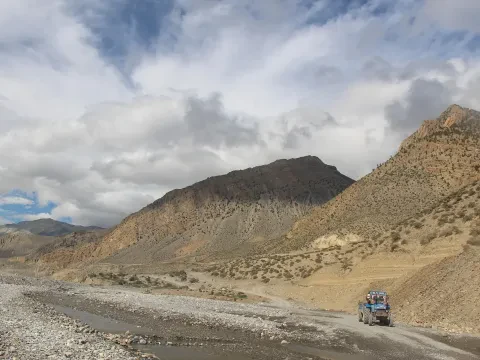
The Jomsom Muktinath Trek is one of Nepal’s most cherished pilgrim-adventure journeys, set in the awe-inspiring Annapurna region and Lower Mustang, often referred to as “Mini Tibet.” This trek seamlessly combines cultural exploration with spectacular Himalayan landscapes, offering travelers an opportunity to experience traditional Tibetan Buddhist and Hindu cultures alongside breathtaking natural beauty. The trek starts either from Pokhara or Jomsom and includes iconic stops at Kagbeni, Muktinath Temple, Marpha, Ghasa, Tatopani Hot Springs, and Ghorepani, including the famous Poon Hill viewpoint. The route offers panoramic views of the Annapurna and Dhaulagiri ranges, with snow-capped peaks towering over deep valleys and terraced fields.At the heart of this journey is the Muktinath Temple, an ancient sacred site revered by both Hindus and Buddhists. Pilgrims come to see the eternal blue flame that has been burning for centuries and the 108 water taps, which are believed to have spiritual and healing properties. The trek also passes through quaint villages where traditional lifestyles remain intact, offering trekkers a glimpse of local customs, architecture, and spiritual practices.Stunning views of Annapurna I, Dhaulagiri, and Nilgiri peaksPilgrimage at the sacred Muktinath TempleExperiencing Tibetan Buddhist and Hindu culturesRelaxing at Tatopani hot springsHiking through diverse landscapes: deserts, riversides, and lush forestsThis trek is ideal for travelers seeking a mix of adventure, culture, and spirituality in the heart of the Himalayas. Nepal Planet Treks & Expedition ensures a well-planned itinerary, comfortable accommodations, and expert guidance to make the journey unforgettable.Best Season for Jomsom Muktinath TrekThe Jomsom Muktinath Trek can be undertaken almost year-round, but the most favorable periods are spring (March to May) and autumn (September to November). During these months, the weather is clear, and the skies are often free from clouds, providing uninterrupted panoramic views of the Annapurna and Dhaulagiri ranges. The moderate temperatures during these periods make trekking comfortable, while the colorful rhododendron forests in spring and the golden terraced fields in autumn enhance the scenic beauty.Winter (December to February) offers a quieter, less crowded trekking experience but comes with colder temperatures, especially at higher altitudes like Muktinath (3850m). Summer (June to August) is the monsoon season, making the trails slippery and the views frequently obscured by clouds, which can affect the overall trekking experience. However, some adventurers enjoy the lush greenery and flowing rivers during this period.Seasonal considerations for the trek include:Spring: Clear skies, moderate temperatures, blooming rhododendronsAutumn: Dry weather, crisp air, golden landscapes, great photography opportunitiesWinter: Fewer crowds, cold nights, risk of snow at higher altitudesMonsoon: Lush green scenery, slippery trails, higher risk of landslidesNepal Planet Treks & Expedition guides on the best time to trek based on your preferences for scenery, climate, and crowd levels, ensuring a safe and enjoyable experience.Jomsom Muktinath Trek Difficulty and TransportationThe Jomsom Muktinath Trek is generally categorized as moderate, making it suitable for beginners with a reasonable fitness level as well as experienced trekkers seeking cultural immersion. Trekking altitudes range from 850m in Pokhara to 3850m at Muktinath, with gradual ascents that help in acclimatization. Daily trekking durations vary between 4–7 hours, and most paths are well-marked, though some sections can be rocky or steep.Transportation to the trailhead is flexible. Many trekkers prefer to fly from Pokhara to Jomsom to save time, while others opt for a scenic drive from Kathmandu to Pokhara, enjoying the Trisuli River canyon and waterfalls. After the trek, travelers can return to Pokhara by flight or road. The combination of flights, road trips, and trekking makes this journey convenient while offering maximum exposure to Himalayan landscapes.Key aspects of difficulty and transportation:Moderate trekking with daily 4–7 hours walkingAltitudes range from 850m to 3850mTrails are well-maintained but include some steep sectionsTransportation: Flights (Pokhara–Jomsom) or road tripsSuitable for beginners with moderate fitnessNepal Planet Treks & Expedition ensures all logistics, including airport pickups, flights, and road transfers, are seamlessly arranged so trekkers can focus entirely on enjoying the journey.Food and Accommodation for Jomsom Muktinath TrekDuring the Jomsom Muktinath Trek, trekkers can enjoy a mix of traditional Nepali meals, Tibetan cuisine, and international dishes at teahouses along the route. Typical meals include dal bhat (lentil rice), momo (dumplings), noodles, and soups, which are nutritious and suitable for trekking energy requirements. Hot drinks such as tea, coffee, and local butter tea help maintain warmth in higher altitudes.Accommodation along the trek is primarily teahouses, offering simple yet comfortable rooms with basic amenities. Higher-altitude villages like Muktinath and Kagbeni have cozy guesthouses that provide warm beds and home-cooked meals. The lower villages, such as Tatopani and Marpha, may offer slightly more modern accommodations with shared bathrooms. Despite the simplicity, the hospitality is remarkable, and trekkers often enjoy interacting with local families and learning about their way of life.Food and lodging highlights:Teahouses provide basic but clean accommodationHot meals and drinks are available in all major stopsTibetan and Nepali cuisine dominate the menusWarm hospitality from local hostsOptions for vegetarian and non-vegetarian mealsNepal Planet Treks & Expedition ensures that all accommodations meet safety and hygiene standards while providing comfort and local flavor to enhance the trekking experience.Jomsom Muktinath Trek PermitsTo trek in the Jomsom and Lower Mustang regions, travelers are required to obtain specific permits. Annapurna Conservation Area Permit (ACAP) is mandatory for all trekkers in this region, and it helps protect the fragile environment of the Annapurna region. Trekkers may also need a Trekkers’ Information Management System (TIMS) card, which ensures safety and monitoring. If the trek extends into restricted areas of Mustang, a Special Restricted Area Permit may also be required.Obtaining these permits is straightforward, and Nepal Planet Treks & Expedition facilitates the process to ensure travelers have all documentation ready before the trek. Carrying valid identification and passport copies is necessary for permit applications.Permit requirements include:ACAP (Annapurna Conservation Area Permit)TIMS card (Trekkers’ Information Management System)Special Restricted Area Permit for Mustang, if applicablePassport and ID copies for processingThis streamlined permit assistance reduces stress for trekkers and ensures compliance with Nepalese regulations, allowing the journey to focus entirely on adventure and cultural exploration.Why Choose Jomsom Muktinath TrekThe Jomsom Muktinath Trek is a unique blend of adventure, culture, and spirituality. Unlike high-altitude Himalayan treks that focus solely on climbing, this journey allows trekkers to explore sacred temples, historic villages, and panoramic landscapes without extreme physical demands. The trek is ideal for anyone seeking a moderate, culturally rich, and visually stunning experience.Travelers will encounter a rare combination of Hindu and Buddhist spiritual sites, including the famous Muktinath Temple with its eternal flame and holy water taps. The diverse landscapes from arid Mustang plateaus to lush rhododendron forests offer exceptional photographic opportunities. With short daily trekking hours and well-placed accommodations, this trek balances adventure with relaxation, making it suitable for families, solo travelers, and first-time trekkers alike.Reasons to choose this trek include:Moderate difficulty suitable for beginners and experienced trekkersSpiritual and cultural immersion in Tibetan Buddhist and Hindu traditionsSpectacular Himalayan scenery, including Annapurna and DhaulagiriAccess to the Tatopani hot springs for relaxationProfessional guidance and seamless logistics by Nepal Planet Treks & ExpeditionNepal Planet Treks & Expedition specializes in crafting personalized itineraries with expert guides, ensuring a safe, comfortable, and memorable experience throughout the Jomsom Muktinath Trek. It’s more than a trek; it’s a journey into the heart of the Himalayas and centuries-old traditions.
Sarangkot Dhampus Short Hiking is a perfect introduction to trekking in Nepal, designed for travelers who want to experience the Himalayas without committing to a long or strenuous trek. This short and scenic hike takes you through the beautiful hills surrounding Pokhara, offering breathtaking views of the Annapurna and Dhaulagiri mountain ranges. Starting near Pokhara, the trail passes through lush forests, terraced farmland, and traditional villages before reaching the charming Gurung settlement of Dhampus and the famous viewpoint of Sarangkot.One of the highlights of this trek is the incredible sunrise and sunset views from Sarangkot, where snow-capped peaks glow in golden and pink hues. The trek also provides a close cultural encounter, allowing trekkers to observe rural Nepali life, local farming practices, and warm village hospitality. With comfortable walking hours and stunning scenery, this trek is ideal for families, first-time trekkers, and travelers with limited time.Spectacular views of Annapurna I, Machhapuchhre, and DhaulagiriSunrise and sunset from Sarangkot viewpointTraditional Gurung village experience in DhampusShort and easy trekking daysIdeal add-on to Kathmandu–Pokhara travelBest Season for Sarangkot Dhampus Short HikingThe Sarangkot Dhampus Short Hiking can be enjoyed throughout most of the year, but certain seasons offer clearer mountain views and more pleasant weather. The best seasons are spring (March to May) and autumn (September to November). During these months, the skies are generally clear, temperatures are mild, and the Himalayan panorama is at its best. Spring also brings blooming rhododendrons, adding vibrant colors to the trails.Winter (December to February) is another good option for travelers who prefer quieter trails and crisp mountain air. Although mornings can be cold, the trek remains accessible due to the low altitude. Summer and monsoon season (June to August) offer lush green landscapes, but occasional rain and cloudy skies may limit mountain views. However, this season is still suitable for those who enjoy greenery and fewer crowds.Season Overview:Spring: Clear views, flowers, ideal weatherAutumn: Best visibility, stable conditionsWinter: Quiet trails, cool temperaturesMonsoon: Green scenery, fewer trekkersSarangkot Dhampus Short Hiking Difficulty and TransportationSarangkot Dhampus Short Hiking is classified as an easy trek, making it suitable for beginners, senior travelers, and families with children. The daily walking time ranges from 2 to 6 hours, depending on the route and pace. While the trail includes some stone steps, especially on the way to Dhampus village, no technical skills or previous trekking experience are required.Transportation plays a key role in making this trek comfortable and flexible. From Kathmandu to Pokhara, travelers can choose between a scenic flight, luxury tourist bus, or private vehicle. After reaching Pokhara, a short drive to Phedi marks the starting point of the trek. At the end of the hike, you can walk down to Pokhara from Sarangkot or return by vehicle.Difficulty & Transport Highlights:Easy and beginner-friendly trekNo altitude sickness riskFlight or drive options Kathmandu–PokharaShort drives to trailheadsFood and Accommodation for Sarangkot Dhampus Short HikingDuring the trek, accommodation is provided in local teahouses and lodges, which are clean, comfortable, and welcoming. These lodges offer basic yet cozy rooms, often with beautiful mountain or village views. Evenings are peaceful, allowing trekkers to relax and enjoy the calm hill environment.Meals are freshly prepared and include both Nepali and international options. You can enjoy traditional Dal Bhat, noodles, fried rice, soups, momos, pancakes, and seasonal vegetables. Tea, coffee, and light snacks are available throughout the trek. Sitting on a lodge veranda with a warm cup of tea while gazing at the Himalayas is a memorable part of the experience.Food & Stay Features:Comfortable local lodgesFreshly cooked mealsVegetarian options widely availableWarm hospitality and village atmosphereSarangkot Dhampus Short Hiking PermitsAlthough this is a short and low-altitude trek, official permits are still required to ensure safe and regulated trekking in the Annapurna region. Trekkers need the Annapurna Conservation Area Permit (ACAP). This permit helps support conservation efforts and local communities.Nepal Planet Treks & Expedition takes care of all necessary paperwork, making the process smooth and hassle-free for travelers. You only need to provide basic documents such as a passport copy and photos before the trek begins.Required Permit:Annapurna Conservation Area Permit (ACAP)Permit arranged by the companyWhy Choose Sarangkot Dhampus Short HikingSarangkot Dhampus Short Hiking is the perfect choice for those who want a genuine Himalayan experience in a short time frame. It combines stunning mountain scenery, cultural immersion, easy trails, and comfortable logistics. Whether you are a first-time trekker or a seasoned traveler looking for a relaxed hike, this trek offers incredible value and unforgettable moments.Choosing Nepal Planet Treks & Expedition ensures professional guidance, personalized service, and deep local knowledge. Our experienced team focuses on safety, comfort, and authentic experiences, allowing you to fully enjoy the beauty of the Annapurna region without stress.Why This Trek?Short yet rewarding Himalayan trekIdeal for all age groupsStunning views with minimal effortCultural insight and village lifeTrusted service by Nepal Planet Treks & Expedition
The Annapurna Base Camp Short Trek is one of Nepal’s most rewarding Himalayan adventures, perfectly designed for trekkers who want a high-altitude mountain experience within a limited timeframe. This trek leads you deep into the heart of the Annapurna Sanctuary, surrounded by towering peaks such as Annapurna South, Hiunchuli, Gangapurna, and the iconic Machhapuchhre (Fishtail). With a well-planned itinerary, trekkers can reach Annapurna Base Camp (4,130m) in just a few days while still enjoying diverse landscapes and rich cultural encounters.The journey begins with a scenic flight from Kathmandu to Pokhara, followed by a drive to Nayapul and a trek through charming Gurung villages like Ghandruk and Chhomrong. Along the trail, trekkers pass through lush rhododendron forests, terraced farmlands, cascading waterfalls, and alpine terrain. Each day offers a new perspective of the Himalayas, making the trek visually captivating and emotionally fulfilling.Organized by Nepal Planet Treks & Expedition, this short trek is ideal for adventurers seeking comfort, safety, and authentic local experiences without committing to a long expedition.Stunning views of Annapurna and MachhapuchhreTraditional Gurung and Magar villagesNatural hot springs, forests, and glaciersWell-paced itinerary suitable for short holidaysBest Season for Annapurna Base Camp Short TrekChoosing the right season is essential for an enjoyable Annapurna Base Camp Short Trek. The best seasons are spring (March–May) and autumn (September–November), when the weather is stable and mountain views are crystal clear. During these months, temperatures are moderate, trails are dry, and visibility is at its best.Spring is especially beautiful due to blooming rhododendron forests that paint the hillsides in red, pink, and white. Wildlife sightings are also more common during this time. Autumn, on the other hand, offers crisp air, vibrant landscapes, and excellent trekking conditions after the monsoon season. Festivals like Dashain and Tihar add cultural richness to the journey.Winter trekking is possible but colder, particularly at higher altitudes, while the monsoon season brings rain and leeches, making trails slippery. Nepal Planet Treks & Expedition carefully plans departures during optimal seasons for safety and comfort.Best Time Summary:Spring: Clear views, flowers in bloomAutumn: Stable weather, best visibilityWinter: Fewer crowds, cold temperaturesMonsoon: Not recommended due to rainAnnapurna Base Camp Short Trek – Difficulty and TransportationThe Annapurna Base Camp Short Trek is considered a moderate-level trek, suitable for trekkers with good physical fitness and a positive attitude. Daily walking hours range from 5 to 7 hours on stone steps, forest trails, and gradual ascents. While no technical climbing is required, altitude gain and steep staircases can be physically demanding.Acclimatization is naturally managed due to gradual elevation increases, but trekkers should still be mindful of altitude-related symptoms. Our experienced guides from Nepal Planet Treks & Expedition monitor trekkers closely and adjust pacing when necessary.Transportation is well-organized and includes a domestic flight between Kathmandu and Pokhara, followed by a private drive to Nayapul. This saves time and ensures a smooth travel experience.Difficulty & Transport Highlights:Moderate trekking difficultyNo mountaineering experience requiredScenic domestic flights includedProfessional guides and portersFood and Accommodation for Annapurna Base Camp Short TrekAccommodation during the trek is mainly in comfortable tea houses, which provide basic yet cozy rooms with twin beds, blankets, and shared bathrooms. At lower elevations, facilities are more developed, while higher up, accommodation becomes simpler due to remoteness.Meals are freshly prepared and nutritious, focusing on energy-rich foods such as Dal Bhat, noodles, soups, rice, potatoes, and Tibetan bread. Vegetarian options are widely available and recommended at higher altitudes. Hot drinks like ginger tea and lemon honey are popular and helpful for acclimatization.Nepal Planet Treks & Expedition carefully selects lodges known for cleanliness, good food, and warm hospitality.Food & Stay Highlights:Hygienic tea house accommodationLocal and international meal optionsFreshly cooked, energy-rich foodWarm dining areas in cold regionsAnnapurna Base Camp Short Trek – PermitsTo trek in the Annapurna region, trekkers must obtain two mandatory permits, which are arranged by Nepal Planet Treks & Expedition to ensure a hassle-free journey.The Annapurna Conservation Area Permit (ACAP) supports environmental protection and local community development. The TIMS Card (Trekkers’ Information Management System) helps authorities track trekkers for safety and security.Our team handles all permit paperwork in Kathmandu, allowing trekkers to focus entirely on their adventure.Required Permits:Annapurna Conservation Area Permit (ACAP)TIMS CardPassport copy and photos requiredWhy Choose Annapurna Base Camp Short Trek with Nepal Planet Treks & ExpeditionThe Annapurna Base Camp Short Trek is perfect for travelers seeking a high-altitude Himalayan experience in a short time. It combines natural beauty, cultural immersion, and physical challenge in a well-balanced itinerary.Choosing Nepal Planet Treks & Expedition ensures professional service, experienced local guides, flexible itineraries, and personalized care. We prioritize safety, comfort, and responsible tourism while delivering unforgettable trekking experiences.Why Trek With Us:Experienced, English-speaking guidesCustomizable itinerariesFair pricing with quality serviceStrong focus on safety and sustainability
The Royal Family Trek, also known as the Royal Trek, is one of Nepal’s most charming short treks, located north of the Annapurna region near Pokhara. This trek gained its name from the 1980s when Prince Charles and his entourage of 90 people traveled along this route. Unlike the more crowded trekking trails in the Annapurna region, the Royal Trek offers a quieter, more intimate trekking experience. It winds through lush valleys, terraced hillsides, and picturesque villages such as Bijayapur, Kalikasthan, and Shaklung, providing a unique glimpse into the local Gurung, Magar, and other ethnic communities.Trekking along this route allows you to witness the stunning Annapurna Himalayan range, rice terraces, and traditional hillside farms. The trek is ideal for beginners, families, and those who prefer a short and comfortable trekking experience without compromising the beauty of the Himalayan scenery. The journey concludes at the tranquil Begnas Lake, about 30 kilometers from Pokhara, offering serene landscapes that are perfect for relaxation and photography.Cultural interactions with Gurung and Magar communitiesViews of snow-capped Annapurna peaksLess crowded, peaceful trailsTraditional villages and terraced farmlandBest Season for Royal Family TrekThe Royal Trek can be enjoyed almost year-round, but the best trekking seasons are spring (March to May) and autumn (September to November). During these months, the weather is clear, allowing unobstructed views of the Annapurna and Dhaulagiri ranges. Spring is especially beautiful, as the rhododendrons bloom along the trail, adding vibrant reds and pinks to the green hillsides.Autumn provides stable weather with crisp air and ideal temperatures for trekking, making it perfect for photography and outdoor activities. While winter (December to February) is colder and less crowded, the trail is still accessible. Monsoon season (June to August) is less recommended due to slippery paths and possible landslides, but some adventurers enjoy the lush green landscapes that this season brings.Key points for seasons:Spring: Rhododendron blooms, mild weatherAutumn: Clear skies, best visibilityWinter: Cold but quiet, fewer trekkersMonsoon: Lush green scenery, trail may be slipperyRoyal Family Trek Difficulty and TransportationThe Royal Family Trek is considered an easy to moderate trek, making it suitable for beginners, families, and trekkers with limited time. The trek involves short daily walking distances (3–6 hours) with gradual ascents and descents, making altitude sickness less of a concern compared to higher Himalayan treks. The highest point of the trek, Shaklung, is 1,730 meters, which is relatively low for Himalayan trekking.Transportation for the trek is flexible. You can start from either Kathmandu or Pokhara, with daily drives connecting the cities and the trailheads. Roads are mostly paved or well-maintained, and private vehicles, tourist buses, or taxis can be arranged through Nepal Planet Treks & Expedition for comfort and convenience.Highlights of difficulty and transport:Easy to moderate trekking levelShort daily walking hoursMinimal risk of altitude sicknessAccessible by road from Kathmandu or PokharaFood and Accommodation for Royal Family TrekAlong the Royal Trek, trekkers will find a range of food and lodging options in traditional tea houses and local lodges. Meals often include Nepali staples such as dal bhat (lentil soup with rice), momo (dumplings), and seasonal vegetables. Tea houses along the trail are simple but comfortable, offering basic amenities like clean rooms, bedding, and bathrooms.In Pokhara and Kathmandu, Nepal Planet Treks & Expedition can arrange hotels ranging from budget to luxury, ensuring that trekkers have a comfortable start and finish to their journey. Some accommodations along the trail may have limited electricity and Wi-Fi, but this enhances the authentic trekking experience and allows you to disconnect and enjoy nature.Food and accommodation highlights:Traditional Nepali meals along the trekComfortable tea house lodgesHotels in Pokhara and Kathmandu arranged by the companyBasic amenities available along the trailRoyal Family Trek PermitsTrekking in the Royal Trek region requires certain permits, which Nepal Planet Treks & Expedition can arrange for you. The main permits include:Annapurna Conservation Area Permit (ACAP): Required for trekking in the Annapurna regionTrekkers’ Information Management System (TIMS) card: Essential for all registered trekkersThese permits help support local conservation efforts and ensure safe trekking practices. They are typically issued within a few hours in Kathmandu or Pokhara, and having them arranged in advance avoids unnecessary delays during your journey.Key points:ACAP permit requiredTIMS card mandatoryCompany handles permit arrangementsWhy Choose Royal Family TrekThe Royal Family Trek is perfect for trekkers who want a short, culturally rich, and scenic Himalayan adventure. Unlike the more crowded Annapurna Base Camp or Ghorepani Poon Hill treks, this route offers a peaceful and immersive experience with opportunities to witness traditional lifestyles, interact with local communities, and capture incredible photographic memories.Nepal Planet Treks & Expedition ensures a smooth, comfortable, and safe trekking experience with professional guides, well-planned accommodations, and flexible itineraries tailored to your preferences. This trek is especially ideal for beginners, families, photographers, and anyone wanting a taste of the Himalayas without the extreme altitude or strenuous effort.Reasons to choose the Royal Trek:Easy and beginner-friendly routeLess crowded, authentic cultural experienceStunning Annapurna Himalayan viewsProfessional support from Nepal Planet Treks & Expedition
The Mohare Danda Trek is a relatively new and eco-friendly trekking route in Nepal’s Annapurna region. It is an ideal choice for travelers who have limited time but wish to explore the Himalayas in a short span of days. Starting from Kathmandu, the trek takes you through picturesque rural villages, dense forests, terraced fields, and panoramic viewpoints that provide breathtaking views of the Annapurna and Dhaulagiri ranges. Unlike more crowded trekking routes such as Ghorepani Poon Hill, Mohare Danda offers serenity, fewer tourists, and an authentic local experience.The trek is particularly known for its community-based eco-tourism model, where tourists stay in homestays and community lodges. This not only supports the local economy but also gives visitors a chance to experience Nepali culture, traditional cuisine, and village life first-hand. Along the route, trekkers witness majestic sunrises and sunsets over snow-capped peaks, cloud formations swirling around deep valleys, and the winding Kali Gandaki River.Spectacular panoramic views of Annapurna, Dhaulagiri, Machapuchare, and Hiunchuli.Serene village walks and interaction with local communities.Eco-friendly accommodations in homestays and community lodges.A compact 7-day itinerary perfect for short vacations.Less crowded trails compared to popular Annapurna routes.Nepal Planet Treks & Expedition ensures that the trek is safe, enjoyable, and environmentally responsible, making it an excellent choice for both beginners and seasoned trekkers who wish to experience the Himalayas in a sustainable and immersive way.Best Season for Mohare Danda TrekThe best time to trek Mohare Danda is during the autumn (September to November) and spring (March to May) seasons. During autumn, the skies are usually clear after the monsoon, offering crisp views of the surrounding mountains. Spring brings blooming rhododendrons and lush greenery, making the trail even more picturesque. Winter trekking is possible, but temperatures can drop significantly, especially at higher altitudes like Deurali (3,119 m), requiring proper gear. Monsoon trekking is generally discouraged due to slippery trails and leeches.Autumn (Sep–Nov): Clear skies, perfect for photography, ideal trekking conditions.Spring (Mar–May): Blooming flowers, green landscapes, moderate temperatures.Winter (Dec–Feb): Cold, fewer tourists, snow on higher trails.Monsoon (Jun–Aug): Rainy, muddy trails, increased risk of landslides.The trek’s accessibility in these seasons ensures that travelers get both comfort and maximum scenic enjoyment. Nepal Planet Treks & Expedition carefully plans the itinerary to match the seasonal highlights, including sunrise and sunset viewpoints, ensuring trekkers get the best experience without crowding or safety issues.Mohare Danda Trek Difficulty and TransportationThe Mohare Danda Trek is considered a moderate-level trek, suitable for beginners with a reasonable fitness level as well as experienced trekkers. Daily trekking hours range from 3 to 7 hours, depending on the stage, with some ascents like Mohare Danda and Deurali requiring steady effort. The trails are a mix of forest paths, village roads, and terraced farming areas. While altitude is moderate, trekkers should be aware of gradual acclimatization to avoid altitude sickness.Transportation to the starting points is simple and comfortable:Kathmandu to Pokhara: 6–7 hours by private car or tourist bus (200 km).Pokhara to Galeshwor: Local jeep or vehicle for trailhead access.Return: Trek from Nayapul to Pokhara, then drive back to Kathmandu.Nepal Planet Treks & Expedition provides professional drivers and well-maintained vehicles for all road transfers. The combination of trekking, driving, and short hiking hours makes it manageable for travelers who want a balance of adventure and comfort. Trekking days are designed to allow sufficient rest, sightseeing, and photography stops without overexertion.Food and Accommodation for Mohare Danda TrekThe Mohare Danda trek offers a unique homestay experience, combining comfort with a cultural immersion. Trekkers stay in local guesthouses or community lodges along the trail. Accommodations are basic but clean, often with shared bathrooms, and provide hot water where possible. Staying in villages also allows tourists to experience Nepali hospitality and learn about traditional lifestyles.Food options along the trek include:Local Nepali dishes such as dal bhat (rice & lentils), momos (dumplings), thukpa (noodle soup).Vegetarian and limited western food are available at most lodges.Tea, coffee, and local snacks are served during breaks.Nepal Planet Treks & Expedition ensures hygienic meals and sufficient nutrition for trekking days. Trekkers can enjoy freshly cooked meals prepared by host families, enhancing the community-based eco-tourism experience. The combination of home-cooked meals and homestay accommodations allows visitors to connect with locals while enjoying nature, making the journey memorable beyond the mountain views.Mohare Danda Trek PermitsLike most trekking routes in Nepal, the Mohare Danda Trek requires official permits, which are easy to obtain with the help of Nepal Planet Treks & Expedition. The two primary permits are:Annapurna Conservation Area Permit (ACAP): Mandatory for trekking in Annapurna region.Trekkers’ Information Management System (TIMS) Card: Required for all trekkers for safety tracking.Permit fees are affordable and support local conservation and development projects.Nepal Planet Treks & Expedition handles all permit processing, so trekkers don’t have to worry about paperwork.The permits contribute to environmental sustainability and community welfare, ensuring the trek remains eco-friendly.Carrying these permits is crucial for legal trekking in Nepal, and guides usually check them before entering villages and conservation areas. This also allows trekkers to travel with peace of mind while supporting local communities.Why Choose Mohare Danda TrekChoosing the Mohare Danda Trek with Nepal Planet Treks & Expedition is an excellent decision for several reasons. First, the trek offers breathtaking views of the Annapurna and Dhaulagiri ranges while remaining relatively uncrowded. It’s perfect for travelers who want a Himalayan experience without the bustle of popular trekking routes. The eco-friendly homestays and community lodges promote sustainable tourism and support local villages, making your adventure socially responsible.Moderate difficulty suitable for beginners and experienced trekkers.Authentic cultural experiences in rural Nepali villages.Short duration trek (7–10 days) ideal for limited vacation time.Eco-tourism initiatives, contributing to community development.Professional guidance, safe transportation, and logistical support by Nepal Planet Treks & Expedition.Nepal Planet Treks & Expedition provides experienced guides, trained porters, and organized itineraries to ensure safety, comfort, and maximum enjoyment. The trek balances adventure, scenic beauty, cultural immersion, and sustainability, making it an unforgettable Himalayan journey. For anyone seeking a compact yet authentic trekking experience, Mohare Danda is truly a hidden gem in the Annapurna region.
The Mardi Himal Trek, offered by Nepal Planet Treks & Expedition, is a hidden gem in Nepal’s Annapurna region. Unlike the more crowded Annapurna Base Camp or Everest Base Camp treks, Mardi Himal offers a serene, off-the-beaten-path experience for nature lovers and adventure seekers. Starting from the vibrant city of Pokhara, this trek takes you through pristine landscapes, traditional villages, and dense forests before opening up to breathtaking alpine views.The trek passes through small villages like Dhampus, Pothana, and Siding, where trekkers can experience authentic Nepali culture, interact with local communities, and enjoy traditional hospitality. The journey transitions from terraced farmlands to lush rhododendron and oak forests, eventually leading to high-altitude meadows near the Mardi Himal Base Camp. From here, panoramic views of the Annapurna South, Hiunchuli, Machhapuchhre (Fishtail), and Mardi Himal itself await.Less crowded trails for a peaceful trekking experiencePanoramic mountain views including Annapurna South and MachhapuchhreRich cultural encounters in remote villagesOpportunity to explore alpine meadows and rugged landscapesBest Season for Mardi Himal TrekThe best time to trek Mardi Himal is during the spring (March to May) and autumn (September to November) seasons. During spring, the forests and meadows are in full bloom, with vibrant rhododendron flowers creating a picturesque landscape. Autumn offers clear skies and stable weather, ideal for capturing breathtaking photographs of the Annapurna and Fishtail peaks.While winter treks are possible, temperatures drop significantly at higher altitudes, and some trails may be covered with snow. Monsoon season (June to August) is not recommended due to heavy rainfall, slippery trails, and the risk of landslides. Choosing the right season ensures both safety and an unforgettable trekking experience.Short Points:Spring (Mar-May): Blooming flowers, moderate weather, excellent visibilityAutumn (Sep-Nov): Clear skies, stable weather, colorful landscapesWinter: Cold, snow-covered trails, less crowdedMonsoon: Heavy rainfall, slippery paths, and potential hazardsMardi Himal Trek Difficulty and TransportationThe Mardi Himal Trek is considered moderate in difficulty, making it accessible for both novice and experienced trekkers with a good level of fitness. The trek gradually ascends from Pokhara (850m) to the High Camp (3,565m) and optional Mardi Himal Base Camp (4,500m). Daily trekking durations vary from 4 to 6 hours, with some challenging uphill sections, especially above Low Camp.Transportation is typically organized by Nepal Planet Treks & Expedition. Trekkers are picked up from Kathmandu and driven to Pokhara (6-7 hours). Return journeys to Kathmandu are equally comfortable by road. Private vehicles or tourist buses are used depending on group size and preference, ensuring a smooth start and end to the trek.Key Points:Moderate difficulty, suitable for trekkers with basic fitnessDaily trekking hours: 4–6 hoursGradual altitude gain reduces risk of altitude sicknessComfortable transportation from Kathmandu to Pokhara and backFood and Accommodation for Mardi Himal TrekDuring the trek, accommodation is available in teahouses and lodges along the trail. Facilities are basic but comfortable, providing warm beds, blankets, and shared bathrooms. The higher you go, amenities may become simpler, but cleanliness and hospitality remain consistent.Meals typically consist of Nepali and international dishes, including dal bhat (rice and lentils), noodles, pasta, soups, and eggs. Freshly brewed tea, coffee, and hot chocolate are readily available to keep trekkers energized. Nepal Planet Treks & Expedition ensures that trekkers are well-fed and comfortable throughout the journey, even in remote locations.Short Points:Teahouse and lodge accommodationsBasic yet comfortable facilities at higher altitudesTraditional Nepali meals and international optionsWarm beverages to combat cold mountain weatherMardi Himal Trek PermitsTrekking in the Mardi Himal region requires the following permits, all of which are arranged by Nepal Planet Treks & Expedition:Annapurna Conservation Area Permit (ACAP) – Required for entry into the Annapurna region.Trekkers’ Information Management System (TIMS) Card – Ensures the safety of trekkers and tracking within Nepal.These permits support the conservation of Nepal’s natural and cultural heritage while ensuring a safe trekking environment. Carrying proper identification and following local regulations is mandatory.Key Points:ACAP and TIMS are mandatoryPermits arranged by trekking companySupports environmental conservation and trekkers’ safetyWhy Choose Mardi Himal TrekThe Mardi Himal Trek is ideal for those seeking a quieter, more intimate trekking experience in Nepal. Unlike other popular treks, it combines cultural immersion with stunning mountain vistas without the crowds. The gradual ascent makes it manageable, yet the scenery is breathtaking, including the sacred Machhapuchhre peak, lush forests, and remote villages.Nepal Planet Treks & Expedition ensures a seamless experience with professional guides, quality accommodations, safe transportation, and a well-planned itinerary. Whether you are a beginner or an experienced trekker, Mardi Himal provides an unforgettable adventure blending nature, culture, and adventure.Short Points:Less crowded, off-the-beaten-path trekkingPanoramic mountain views and alpine meadowsCultural interaction with local villagesProfessional guidance, transportation, and logistics support
The Annapurna Base Camp (ABC) Short Trek – 9 Days with Nepal Planet Treks & Expedition is an incredible journey into the heart of the Himalayas. This trek allows travelers to experience the grandeur of Nepal’s most iconic peaks, including Annapurna I, Machapuchare (Fishtail), Hiunchuli, and Gangapurna. Unlike the classic trek, this condensed version is designed for those with limited time but still offers an authentic Himalayan adventure. The route combines cultural encounters, natural hot springs, lush rhododendron forests, and breathtaking mountain panoramas.Starting from Kathmandu, the journey begins with a scenic drive to Pokhara, followed by trekking from Nayapul through charming Gurung villages like Jhinu Danda and Dovan. Trekkers pass through terraced farmlands, dense forests, and vibrant local communities before reaching Machhapuchhare Base Camp. The highlight is reaching Annapurna Base Camp (4,130m), where panoramic views of the Annapurna range create an unforgettable experience. The trek then descends through Sinuwa and Ghandruk, returning to Pokhara and eventually Kathmandu.Stunning panoramic views of Annapurna, Machhapuchare, and Hiunchuli.Traditional Gurung and Magar villages along the trail.Natural hot springs at Jhinu Danda for relaxation.Diverse landscapes from subtropical forests to alpine terrain.Ideal for trekkers with limited time but high Himalayan ambitions.With the guidance of experienced local staff, Nepal Planet Treks & Expedition ensures a safe, comfortable, and memorable journey into one of the most spectacular trekking regions in the world.Best Season for Annapurna Base Camp Short Trek 9 DaysThe best time to trek to Annapurna Base Camp depends largely on weather conditions, mountain visibility, and overall trail experience. The two primary trekking seasons are autumn (September to November) and spring (March to May). Autumn is particularly popular due to clear skies, stable weather, and colorful landscapes after the monsoon. Spring brings blooming rhododendrons and milder temperatures, making it ideal for nature lovers and photographers.Winter (December to February) is colder with snow at higher elevations, but the trails are less crowded, and the skies are usually clear, offering sharp views of the mountains. Summer (June to August) coincides with the monsoon, which brings heavy rainfall, slippery trails, and potential landslides, making trekking more challenging.Seasonal Highlights:Autumn (Sep–Nov): Clear skies, stable weather, peak trekking season.Spring (Mar–May): Blooming rhododendrons, pleasant temperatures, moderate crowds.Winter (Dec–Feb): Crisp air, quiet trails, snow-capped peaks.Monsoon (Jun–Aug): Heavy rainfall, dense forests, lush green scenery, but slippery trails.Choosing the right season ensures maximum enjoyment of the spectacular landscapes and cultural experiences along the ABC trek. Nepal Planet Treks & Expedition provides personalized guidance on the best time for each traveler based on preferences and trekking experience.Annapurna Base Camp Short Trek 9 Days Difficulty and TransportationThe ABC Short Trek – 9 Days is considered moderate to challenging, suitable for travelers with a basic level of fitness. The trek involves multiple days of uphill and downhill walking, long trekking hours, and altitude gain up to 4,130 meters. Proper acclimatization and pacing are essential to avoid altitude sickness. While it is shorter than the classic ABC trek, trekkers should be prepared for 6–8 hours of trekking daily on uneven terrain.Transportation is convenient and comfortable. Travelers start with a tourist bus from Kathmandu to Pokhara (6–7 hours, ~200 km), followed by local jeep or bus transfers to Nayapul. After the trek, the return journey follows a combination of trekking and road travel back to Pokhara and Kathmandu. Nepal Planet Treks & Expedition ensures smooth transfers and well-coordinated logistics to minimize stress and maximize trekking time.Trek Difficulty and Transportation Highlights:Moderate to challenging trek: 6–8 hours/day trekking.Highest point: Annapurna Base Camp, 4,130m.Combination of uphill, downhill, and mixed terrain.Road travel via tourist buses and local transfers.Professional guides to ensure safety, pacing, and altitude management.With proper fitness, mental preparation, and expert guidance from Nepal Planet Treks & Expedition, even first-time trekkers can confidently complete this Himalayan adventure.Food and Accommodation for Annapurna Base Camp Short Trek 9 DaysDuring the ABC Short Trek, trekkers enjoy traditional Nepali hospitality combined with comfortable accommodations. Lodges and teahouses along the trail offer basic yet cozy rooms, usually with attached or shared bathrooms. At higher elevations like Machhapuchhare Base Camp, accommodations are simpler due to limited infrastructure, but warmth and hospitality remain exceptional. Travelers experience staying in local teahouses surrounded by stunning Himalayan landscapes.Food along the trail is diverse and caters to both local tastes and international preferences. Typical meals include Dal Bhat (rice and lentils), momo (dumplings), noodles, pasta, soups, and fresh vegetables. Hot drinks like tea, coffee, and hot chocolate help trekkers maintain energy levels during long trekking days. Nepal Planet Treks & Expedition prioritizes hygiene and nutritious meals to support trekkers’ endurance and overall well-being.Food & Accommodation Highlights:Comfortable lodges and teahouses along the trail.Simple yet cozy rooms, often with scenic views.Local and international cuisine, including vegetarian options.Warm beverages and soups for high-altitude trekking.Personalized support from guides to accommodate dietary preferences.This combination of food, accommodation, and local hospitality ensures a pleasant trekking experience, making the journey both safe and enjoyable.Annapurna Base Camp Short Trek 9 Days PermitsTrekking to the Annapurna region requires specific permits to ensure safety, conservation, and regulated tourism. For the ABC Short Trek, trekkers need the Annapurna Conservation Area Permit (ACAP) and a Trekkers’ Information Management System (TIMS) card. ACAP fees contribute to the protection of wildlife, forests, and local communities, while TIMS ensures trekkers are registered for safety and tracking purposes.Permit Details:ACAP Permit: Mandatory for trekking in the Annapurna Conservation Area.TIMS Card: Required for all trekkers; provides trekking information and emergency tracking.Permits are checked at entry points and local checkpoints along the trek.Nepal Planet Treks & Expedition handles all permit arrangements, ensuring trekkers do not face bureaucratic delays.Carry a copy of permits at all times, as checkpoints may ask for verification.Obtaining permits in advance is crucial for a smooth trekking experience. Nepal Planet Treks & Expedition ensures all paperwork is completed efficiently so trekkers can focus solely on enjoying the Himalayas.Why Choose Annapurna Base Camp Short Trek 9 DaysChoosing the ABC Short Trek – 9 Days with Nepal Planet Treks & Expedition offers a perfect blend of adventure, natural beauty, and cultural immersion. This trek is ideal for those who want a condensed Himalayan experience without compromising on scenery or cultural encounters. From panoramic views of snow-capped peaks to tranquil Gurung villages, every step of the journey provides unforgettable memories.Reasons to Choose This Trek:Expertly organized itinerary, ensuring safety and comfort.Scenic landscapes, from lush forests to alpine terrain.Short trek suitable for limited vacation time.Experienced guides providing cultural insights and trekking support.Opportunities to enjoy natural hot springs and local cuisine.With a focus on both adventure and relaxation, the ABC Short Trek is perfect for solo travelers, couples, and small groups. Nepal Planet Treks & Expedition combines professionalism, local expertise, and personalized service, making the trek a seamless and memorable Himalayan experience. Whether you are seeking adventure, photography opportunities, or cultural exploration, this trek delivers it all in just 9 days.
The Khopra Danda Ridge Trek, organized by Nepal Planet Treks & Expedition, is a hidden gem in the Annapurna region of Nepal. Unlike the busier trails like Ghorepani Poon Hill or Annapurna Base Camp, this trek takes travelers on a quieter, off-the-beaten-path adventure, showcasing the region’s unspoiled beauty. The trek begins from Nayapul or Ghandruk and winds through terraced farmlands, dense rhododendron forests, and traditional Magar and Gurung villages. Along the way, trekkers experience authentic Nepali culture and the warm hospitality of local communities.One of the trek’s highlights is the panoramic viewpoint of Khopra Ridge (Khopra Danda), which offers breathtaking vistas of some of the world’s highest peaks, including Dhaulagiri (8,167 m), Annapurna South, Nilgiri, and Machhapuchhre. Another remarkable experience is the day hike to Khayer Lake (4,660 m), a serene alpine lake situated beneath Annapurna South, known for its spiritual significance and stunning reflection views. Trekkers also pass through remote villages like Swanta and Chistibung, where traditional homestays provide an authentic cultural experience.Off-the-beaten-path route with fewer touristsStunning sunrise views from Khopra RidgeVisit to the sacred Khayer LakeImmersion in Gurung and Magar village cultureScenic rhododendron forests and terraced farmlandsThis trek is ideal for travelers seeking both adventure and cultural immersion, offering a peaceful alternative to crowded trails while providing rewarding Himalayan landscapes. Nepal Planet Treks & Expedition ensures expert guides, local support, and a personalized experience throughout the journey.Best Season for Khopra Danda Ridge TrekThe best time to undertake the Khopra Danda Ridge Trek is during the spring (March to May) and autumn (September to November) seasons. In spring, the rhododendron forests are in full bloom, painting the trail with vibrant colors of red, pink, and white, while the weather remains mild and pleasant. Autumn offers crystal-clear skies and stable weather, making it ideal for capturing the majestic Himalayan peaks in photographs. These seasons also coincide with the most favorable trekking conditions, ensuring clear mountain views and comfortable walking temperatures.Winter (December to February) can be challenging due to cold temperatures, occasional snow, and limited lodge availability, while the monsoon season (June to August) brings heavy rainfall, slippery trails, and obstructed views, making trekking less enjoyable and sometimes unsafe. Choosing spring or autumn ensures not only safety and comfort but also enhances the trekking experience with vibrant landscapes and optimal visibility of Annapurna, Dhaulagiri, and Machhapuchhre peaks.Best seasons highlights:Spring: Blooming rhododendron forests, mild weatherAutumn: Clear skies, panoramic Himalayan viewsAvoid monsoon: Rain and landslidesWinter: Cold, snow, and limited facilitiesFor travelers seeking both adventure and breathtaking scenery, Nepal Planet Treks & Expedition recommends planning the trek in these ideal months for an unforgettable journey along the Khopra Ridge.Khopra Danda Ridge Trek Difficulty and TransportationThe Khopra Danda Ridge Trek is considered moderate, suitable for fit beginners as well as seasoned hikers. The trek involves daily walking durations of 4 to 7 hours, with gradual ascents and occasional steep climbs, especially when approaching Khopra Danda (3,660 m) and Khayer Lake (4,660 m). While the altitude is moderate compared to higher Himalayan treks, proper acclimatization is recommended to avoid altitude sickness.Transportation is straightforward and comfortable. The trek begins with a drive or tourist bus from Kathmandu to Pokhara (6–7 hours), followed by a short drive to Nayapul (approx. 1–2 hours). After the trek, trekkers can return to Pokhara by road, and from there, either drive or take a short flight to Kathmandu. The roads are mostly well-maintained, and the combination of road and trekking ensures a smooth travel experience.Key points:Trekking duration: 7–10 daysModerate difficulty, suitable for fit beginnersHighest elevation: Khayer Lake (4,660 m)Transportation: Kathmandu–Pokhara by bus/flight, Pokhara–Nayapul by vehicleNepal Planet Treks & Expedition provides expert guidance on daily trekking pace, acclimatization schedules, and ensures reliable transportation, making the trek safe and enjoyable for all participants.Food and Accommodation for Khopra Danda Ridge TrekDuring the Khopra Danda Trek, trekkers enjoy a mix of traditional Nepali meals and comfortable tea house accommodations. The villages along the route, such as Ghandruk, Tadapani, Dobato, Khopra Danda, Swanta, and Ghorepani, are equipped with community-run lodges and tea houses. Although these lodges are simple, they provide clean rooms, warm bedding, and hearty meals. Guests can savor local delicacies, including dal bhat (lentil soup with rice), vegetable curry, momo (dumplings), and soups, which are both nutritious and suitable for trekking.One of the joys of this trek is experiencing homestay culture, where local families often host trekkers, offering insight into their daily life, traditions, and cuisine. Drinking water is generally available but can also be purified using tablets or filters for safety. At higher elevations like Khopra Danda, facilities are basic but sufficient, and trekkers are rewarded with breathtaking sunset and sunrise views from the lodges.Food and accommodation highlights:Community-run lodges and tea housesHomestay experiences in Gurung and Magar villagesLocal cuisine: dal bhat, momo, soups, and moreClean rooms with bedding and basic amenitiesNepal Planet Treks & Expedition ensures that all meals are prepared hygienically, and accommodations are comfortable, allowing trekkers to relax and enjoy the natural beauty surrounding them.Khopra Danda Ridge Trek PermitsTrekking in the Annapurna region requires proper permits, which are mandatory for the Khopra Danda Ridge Trek. These permits include the Annapurna Conservation Area Permit (ACAP) and the Trekkers’ Information Management System (TIMS) card. The ACAP permit is issued to protect the natural and cultural heritage of the Annapurna region, while the TIMS card ensures trekkers’ safety and provides registration with local authorities.Obtaining these permits is straightforward. Nepal Planet Treks & Expedition arranges all necessary documentation before the trek, saving time and avoiding unnecessary hassles for trekkers. The permits also contribute to the preservation of local communities and environmental conservation, ensuring that tourism benefits the area sustainably.Permit essentials:Annapurna Conservation Area Permit (ACAP)Trekkers’ Information Management System (TIMS) cardRequired for all trekkers in Annapurna regionFacilitated by Nepal Planet Treks & ExpeditionBy securing these permits in advance, trekkers can focus on enjoying the scenic landscapes and cultural encounters without worrying about administrative processes.Why Choose Khopra Danda Ridge TrekThe Khopra Danda Ridge Trek is an ideal choice for travelers seeking solitude, scenic beauty, and cultural immersion. Unlike more crowded routes, this trek provides a peaceful Himalayan experience where trekkers can connect with nature, local communities, and themselves. The off-the-beaten-path route offers stunning panoramic views, including Dhaulagiri, Annapurna South, Nilgiri, and Machhapuchhre, and the rewarding hike to Khayer Lake is perfect for adventure enthusiasts.Choosing this trek with Nepal Planet Treks & Expedition ensures professional guidance, safe trekking, and personalized experiences. The company emphasizes responsible tourism, supporting local communities through homestays and community lodges. This trek is suitable for both novice trekkers seeking adventure and experienced hikers looking for quiet trails, providing a balance of physical challenge, cultural exposure, and natural splendor.Reasons to choose Khopra Danda Trek:Off-the-beaten-path, fewer crowdsAuthentic cultural experiences in Gurung and Magar villagesPanoramic Himalayan views and sunrise at Khopra RidgeChallenging yet moderate trek with proper acclimatizationExpert guidance and support from Nepal Planet Treks & ExpeditionThis trek offers a unique, immersive, and memorable Himalayan experience, making it a must-do for anyone looking to explore the Annapurna region in its truest form.
If you’re looking for an authentic cultural experience in the heart of Nepal, Ghale Gaun Homestay Trek offers a unique opportunity to explore the natural beauty and culture of the Ghale Gaun village, nestled in the foothills of the Annapurna Region. It’s a journey into the heart of Nepali hospitality, where visitors can enjoy the warmth of local Sherpa families, experience rural life, and discover the untouched landscapes of this beautiful region.The trek is an ideal way to immerse yourself in Nepal’s rich culture, savor traditional meals, and spend a night in cozy local homes. Whether you’re looking for adventure, cultural exploration, or a break from city life, Ghale Gaun Homestay provides an experience that combines it all.Why Choose Ghale Gaun Homestay?The Ghale guan Village is on the way Annapurna circuit and Northwest of the Kathmandu Valley of Nepal.it is very famous village because from here you can see one of the panoramic views with sunrise and sunset, includes in the all the Himalayas as like, Annapurna1, Annapurna 2, Annapurna 3, Himalchuli, Machepuchare, Buddha Himal, other much more mountain you can enjoy from Ghale village. Also, they are very much welcomed with greetings by wearing their traditional customs for all the tourist even local tourist and provide the local meals, and youWhat Makes Ghale Gaun Homestay Special?Unmatched Views: Located in the Annapurna Conservation Area, Ghale Gaun offers stunning views of Mount Annapurna, Machapuchare, Dhaulagiri, and Manaslu. The sunrise and sunset views over these majestic peaks are unforgettable.Authentic Sherpa Culture: Stay with friendly Sherpa families and experience their traditional lifestyle. Participate in local customs, and enjoy freshly prepared meals made from locally sourced ingredients.Eco-Tourism at Its Best: Ghale Gaun is a community-based homestay initiative. The locals benefit directly from tourism, ensuring that your stay contributes to the local economy and promotes sustainable development in rural Nepal.Peaceful Retreat: The village is peaceful, far from the hustle of crowded trekking routes, making it a perfect place to unwind, connect with nature, and enjoy the tranquility of rural Nepal.It is 3 night 4 day or 2 night 3 days trip as well. it depends on your holidays, we can make shorter or longer regarding your request. for go to Ghale guan village, you can go by bus or jeep whatever you want. it is up to your budget and request,For further please you can email or Phone, WhatsApp, any time, we will reply as soon as regarding your queries for your beautiful day Holidays with a suitable schedule for the Ghale Gaun homestay in Nepal.What to Expect During Your StayLocal Experience: Stay with a Sherpa family and learn about their culture, traditions, and customs. The hosts will welcome you into their home and share stories about their way of life.Traditional Nepali Cuisine: Enjoy home-cooked Nepali meals like dal bhat (lentils and rice), momo (dumplings), and gundruk (fermented leafy greens). Everything is prepared with fresh, locally sourced ingredients.Cultural Activities: Participate in cultural activities like traditional music, dances, and local handicraft demonstrations. You might even get a chance to join the locals for a festival if you’re there at the right time!Ready to explore Ghale Gaun and experience traditional Nepali village life? Nepal Planet Treks & Expedition Pvt. Ltd. is here to organize your entire journey with experienced guides and local insights.The Ghale Gaun Homestay Trek offers an amazing opportunity to experience the best of Nepali culture, tradition, and hospitality. Whether you’re looking for a short trek, family adventure, or a cultural immersion, this trek has something for everyone. Don’t miss out on this hidden gem of Nepal!