Join our fixed departure treks.  4.9 of 528 reviews
  4.8 of 214 reviews
4.9 of 528 reviews 4.8 of 214 reviews 
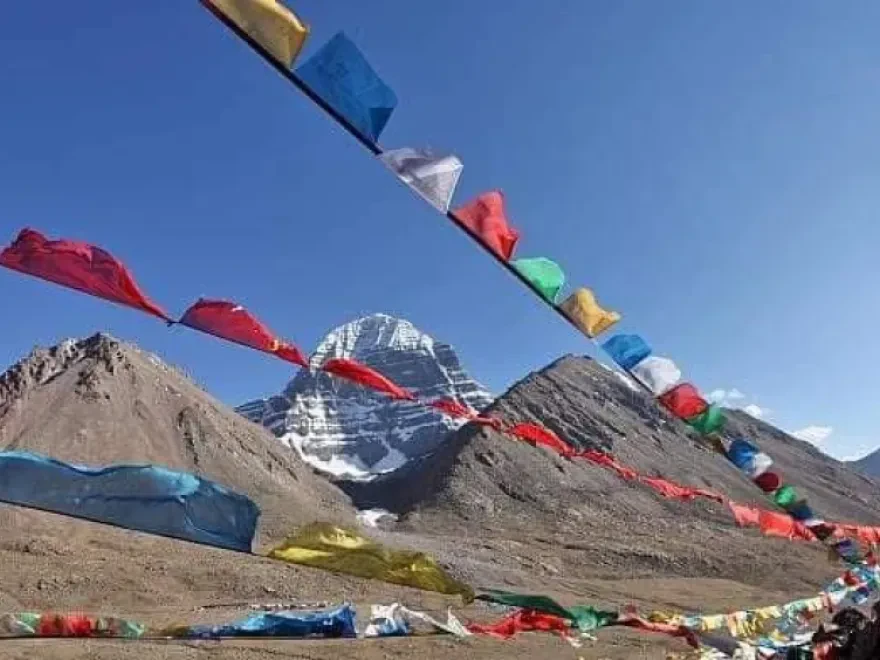
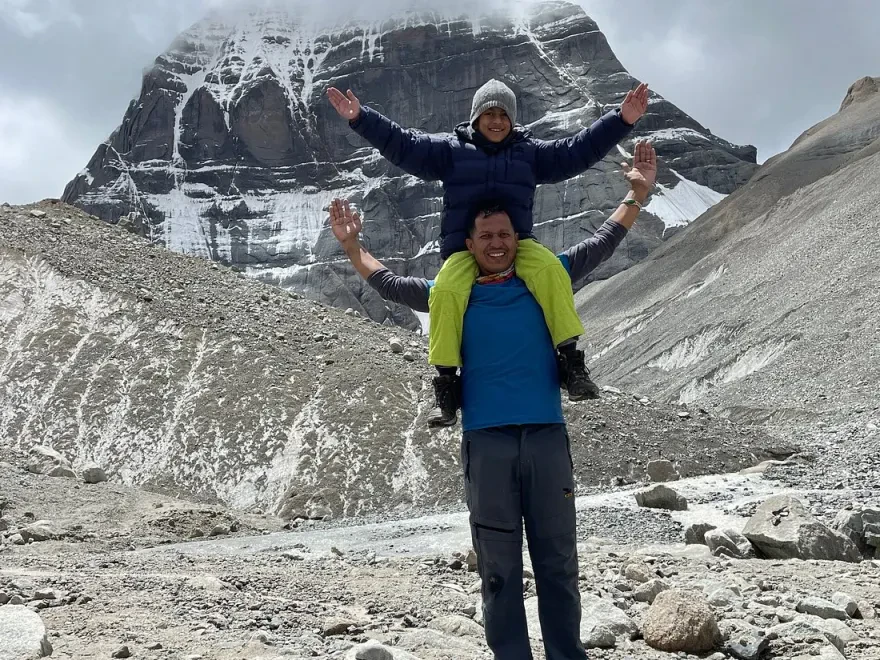
The Mount Kailash Mansarovar Overland Tour is a once-in-a-lifetime journey that combines adventure, spirituality, and cultural exploration in one of the most remote and sacred regions of Tibet. The tour begins in Kathmandu, the vibrant capital of Nepal, where travelers can explore spiritual landmarks such as Pashupatinath Temple and the historic Boudhanath Stupa before heading on the overland expedition to Tibet. The journey passes through the rugged landscapes of the Himalayas, lush valleys, and traditional Tibetan villages, providing both scenic beauty and cultural immersion.
The highlight of the tour is the Kailash Kora, a three-day circumambulation of Mount Kailash, considered the spiritual heart of Hinduism, Buddhism, Jainism, and Bon. Pilgrims and travelers alike embark on this challenging trek to experience the sacred aura of the mountain, the unique culture of Tibetan monasteries, and the serene presence of Lake Mansarovar, believed to cleanse the soul. The overland journey also includes stops at key sites such as Gyantse, Shigatse, and remote Tibetan villages, offering a glimpse into centuries-old traditions.
This journey is not just a physical expedition but a deeply transformative spiritual experience, leaving travelers with lasting memories of natural beauty, cultural richness, and spiritual fulfillment.
The best time to undertake the Mount Kailash-Mansarovar Overland Tour is during the spring (April to June) and autumn (September to October) seasons. During these months, the weather is relatively stable, the skies are clear, and the landscapes are at their most vibrant. Spring brings blooming flowers and moderate temperatures, making the trek and sightseeing more enjoyable. Autumn offers crisp air and clear views of the snow-capped peaks, ideal for photography and spiritual reflection.
Winter months are extremely cold, with temperatures dropping well below freezing, making the high-altitude regions around Kailash difficult to traverse. Monsoon season, from July to August, brings heavy rainfall, slippery roads, and occasional landslides, which can make travel and trekking unsafe. Therefore, Nepal Planet Treks & Expedition recommends planning your trip during the spring or autumn windows for the safest and most rewarding experience.
Short Highlights:
Travelers can enjoy comfortable weather while visiting sacred sites, trekking the Kora, and experiencing Lake Mansarovar’s tranquility without extreme weather challenges.
The Mount Kailash Mansarovar Overland Tour is a physically challenging journey due to the high altitude and long-distance overland travel. Travelers reach elevations of over 5,000 meters, with the Drolma-La Pass at approximately 5,630 meters being the highest point. Acclimatization days are incorporated into the itinerary to reduce the risk of altitude sickness. A moderate level of fitness is required, especially for the Kailash Kora trek, which involves walking 18–20 km daily on rocky and uneven terrain.
Transportation is primarily via private overland vehicles, including SUVs or coaches suitable for mountainous roads. The journey from Kathmandu to Kerung, and then across the Tibetan plateau to Kailash and Mansarovar, is long but scenic, offering stunning views of Himalayan landscapes, remote Tibetan villages, and the high-altitude plateau. Trekking sections are short but physically demanding, so travelers should prepare for uneven terrain, cold winds, and changing weather.
Short Highlights:
Nepal Planet Treks & Expedition ensures safety and comfort by providing professional guides, oxygen support if needed, and well-planned routes to manage both altitude and terrain challenges.
During the Mount Kailash-Mansarovar Overland Tour, food and accommodation are tailored to high-altitude conditions while maintaining comfort and hygiene. Accommodation varies from hotels and guesthouses in Kathmandu and Kerung to basic Tibetan lodges and tea houses near Darchen and along the Kora route. While simple, these lodgings provide clean rooms, bedding, and basic facilities to ensure a safe stay in remote areas.
Food is a mix of local Tibetan, Nepali, and Chinese cuisine. Travelers can enjoy noodle soups, tsampa (roasted barley), steamed buns, rice dishes, and sometimes limited Western options. Nepal Planet Treks & Expedition ensures that food is prepared hygienically and provides options for dietary restrictions when requested. High-energy meals are recommended during the Kora trek and high-altitude drives to maintain stamina and energy levels.
Short Highlights:
Travelers should prepare for rustic conditions in remote areas, but the combination of local flavors, warm hospitality, and safe accommodations ensures a comfortable and authentic Himalayan experience.
Visiting Mount Kailash and Mansarovar requires special permits due to its location in Tibet and its religious and geopolitical significance. Travelers need a Tibet Travel Permit, an Alien Travel Permit, and a Kailash Travel Permit to enter and trek around the sacred sites. Nepal Planet Treks & Expedition assists with all permit arrangements, ensuring travelers comply with Chinese regulations and avoid delays at border checkpoints.
Permits typically require passport copies, visa details, and an approved tour itinerary. The company also coordinates with local Tibetan authorities to secure travel approvals for restricted areas like Mansarovar Lake and the Kailash Kora route. This careful planning ensures that travelers can complete the journey without administrative issues.
Short Highlights:
With permits arranged in advance, travelers can focus on the spiritual and cultural experiences rather than administrative concerns.
Choosing the Mount Kailash Mansarovar Overland Tour with Nepal Planet Treks & Expedition ensures a safe, organized, and spiritually fulfilling journey. The company brings years of experience in high-altitude travel, cultural tours, and pilgrimage support. Professional guides, experienced drivers, and logistical support allow travelers to focus on the journey rather than worry about road conditions, accommodations, or paperwork.
The tour is designed to balance adventure, spirituality, and cultural immersion. From the bustling streets of Kathmandu to the remote Tibetan plateau, from meditation at Lake Mansarovar to trekking around Mount Kailash, travelers experience an unmatched combination of natural beauty and spiritual depth. Nepal Planet Treks & Expedition prioritizes safety, comfort, and meaningful experiences, making this journey accessible to both seasoned trekkers and spiritual seekers.
Short Highlights:
This tour is not just a travel adventure but a deeply transformative journey, leaving participants with memories, spiritual insights, and cultural experiences that last a lifetime.
Welcome to Kathmandu, the vibrant capital of Nepal! Upon arrival at Tribhuvan International Airport, a representative from Nepal Planet Treks & Expedition will warmly greet you and assist with your transfer to the hotel. Take the rest of the day to relax, settle into your accommodations, and prepare for the adventure ahead. Depending on your arrival time, you may take a short walk around the hotel area, soak in the Himalayan ambiance, or simply rest and acclimatize to the new environment. Overnight stay in Kathmandu.
After a hearty breakfast, we embark on a half-day sightseeing tour of Kathmandu’s cultural highlights. You will visit the sacred Pashupatinath Temple, a UNESCO World Heritage Site, where the sacred Bagmati River flows past ancient ghats and temples. Next, visit Budhanilakantha, the famous reclining Vishnu statue. After sightseeing, return to the hotel for lunch, then begin your scenic drive to Trisuli Bazaar, passing through lush valleys and terraced fields. The evening is free to rest and enjoy the local hospitality. Overnight stay at a hotel in Trisuli.
Today marks the beginning of our overland journey toward Tibet. After breakfast, we drive in a comfortable 4WD jeep along the blacktopped road to the Nepal-China Friendship Bridge at Rasuwagadhi. The route passes through picturesque hills, traditional villages, and terraced landscapes, offering scenic views at every turn. Crossing the border into Tibet, we reach Kerung, the first Tibetan village, after approximately two hours. Here, you will experience the unique Tibetan culture, architecture, and hospitality. Overnight stay in a guest house in Kerung.
After breakfast, we continue our drive deeper into Tibet on a high-altitude blacktopped road, gradually climbing through the passes of Thong La and La Lung. Along the way, enjoy breathtaking landscapes of barren hills, yak and sheep pastures, and the shimmering Lake Peikuto. Saga Village, our destination, offers a serene setting and a glimpse into local Tibetan life. Take time to explore the village surroundings, interact with locals, and prepare for the challenging high-altitude journey ahead. Overnight stay in Saga Village at a guest house.
Saga lies at a high altitude, so today is dedicated entirely to acclimatization. Short hikes around the village will help your body adjust to the thin air and prevent altitude sickness during the upcoming journey through the world’s highest passes. Spend the day observing the Tibetan way of life, local monasteries, and yak grazing traditions. This day also offers quiet moments to meditate, enjoy the pristine scenery, and mentally prepare for the spiritual journey to Mount Kailash. Overnight stay at Saga Guest House.
Today is the longest driving day, taking us across rugged terrains to the sacred Lake Mansarovar. As we approach, the first majestic views of Mount Kailash appear, a truly awe-inspiring sight. Mansarovar Lake, one of the highest freshwater lakes in the world, glimmers with turquoise waters and is home to swans and fish. The surrounding region is rich with natural hot springs, wildlife, and spiritual energy. Our overnight stop is near the lake at Chui Gompa, where we can rest, meditate, and absorb the holiness of this sacred area.
After an early morning puja and holy bath in Lake Mansarovar, we drive towards Darchen, the base camp for the Kailash Parikrama. En route, visit Chui Gompa, if time allows, and enjoy the stunning views of Mount Kailash and the surrounding peaks. Darchen is a small yet spiritually significant town bustling with pilgrims, especially during auspicious seasons. Spend the afternoon preparing for the Parikrama (circumambulation) of Kailash, attending local rituals, or simply resting and soaking in the sacred ambiance. Overnight at a hotel in Darchen.
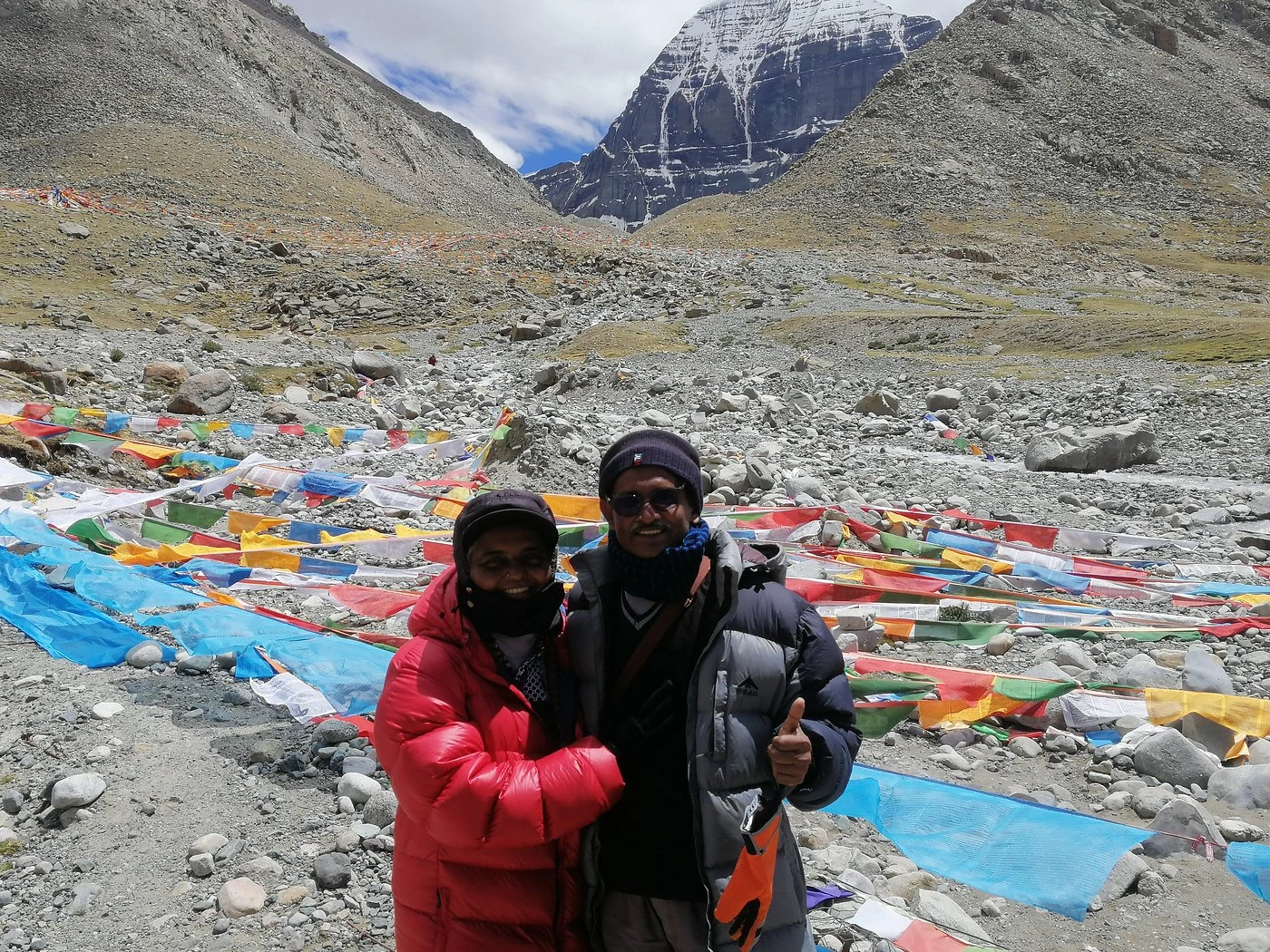
After breakfast, we drive to Tarboche, the starting point of the Kailash Parikrama. This marks the beginning of an exhilarating trek along rocky cliffs and picturesque waterfalls, with Mount Kailash appearing majestically at intervals. The path is dotted with prayer flags, and the serenity of the landscape invites meditation and reflection. Trekking for approximately seven kilometers, we reach Dirapuk, a small settlement renowned for its stunning location and spiritual significance. The day is physically rewarding and spiritually uplifting. Overnight stay in a government guest house in Dirapuk.
Today is the most challenging yet spiritually profound day of the journey. We ascend to Drolma-la Pass at 5,200 meters (18,600 ft), the highest point of the Parikrama. Along the way, pass Yamasthal and Shivasthal, sacred sites that evoke reflection and reverence. Reaching the summit, take a moment for meditation and spiritual offerings. The descent leads to Zuthulpuk (Cave of Miracles), where the ascetic Milerappa is said to have performed miracles. The day’s trek of 18 km tests endurance but rewards with immense spiritual fulfillment. Overnight at government accommodation in Zuthulpuk.
We start with a gentle trek from Zuthulpuk to Darchen (10 km, 4–5 hours), retracing the last segment of the Parikrama. After reaching Darchen, we drive back to Lake Mansarovar and continue to Dongba, marking the completion of the Kailash Parikrama. The route offers breathtaking mountain vistas and a final opportunity to reflect on the spiritual journey. Dongba provides comfortable hotel accommodations for the night, allowing travelers to rest and celebrate the successful completion of the sacred pilgrimage.
After breakfast, we drive back toward Kerung Village, crossing the Tibetan plateau and experiencing its vast, dramatic landscapes. The journey takes approximately a full day, with stops for photography, refreshments, and short walks. This day offers insight into the remote Tibetan lifestyle, with opportunities to observe nomadic herders, grazing yaks, and pristine rivers. Overnight stay in Kerung Village at a guest house, reflecting on the remarkable journey through sacred lands.
The final overland leg brings us back to Nepal. Driving from Kerung to Kathmandu, we pass winding mountain roads, lush valleys, and cascading waterfalls, capturing the essence of the Himalayan scenery one last time. Upon arrival in Kathmandu, check into the hotel and enjoy a farewell dinner. Take the evening to shop for souvenirs, explore the bustling Thamel district, or simply rest after the long and transformative journey. Overnight stay in Kathmandu.
After breakfast, a Nepal Planet Treks & Expedition representative will transfer you to Tribhuvan International Airport for your departure flight. Leaving Nepal is bittersweet, as the memories of towering peaks, sacred rituals, and warm local hospitality remain etched in your heart. Reflect on the transformative spiritual journey to Mount Kailash and Lake Mansarovar as you fly home, carrying with you unforgettable experiences and a renewed sense of awe for the Himalayas.
The tour involves high-altitude trekking, long drives, and multiple days above 4,500 meters. Travelers should have moderate physical fitness, good stamina, and the ability to walk for several hours on uneven terrain. Although the Kailash Parikrama can be assisted with yaks for baggage, walking at high altitudes requires preparation. Short hikes before the trip and cardiovascular exercises like swimming or jogging are recommended. Acclimatization days are built into the itinerary to reduce altitude sickness risk.
The Kailash Parikrama is approximately 52 kilometers in total, spread over three days. Walking is highly recommended for the spiritual experience, but travelers can also use yaks or ponies to carry luggage or assist with part of the trek. Our team from Nepal Planet Treks & Expedition provides yaks and experienced yak-men, ensuring safety and comfort. Pilgrims can choose to walk fully, partially, or ride, depending on their physical condition and personal preference.
Yes, altitude sickness is a significant concern because travelers will reach elevations above 5,200 meters at Drolma-la Pass. To reduce risks, the itinerary includes acclimatization days, gradual ascents, and the availability of oxygen cylinders throughout the trip. Travelers are advised to stay hydrated, avoid alcohol, and monitor their health. Mild symptoms can often be managed, but anyone experiencing severe symptoms should inform the guide immediately. Proper preparation and a gradual pace make this journey safer.
Yes, Nepal Planet Treks & Expedition provides yaks and yak-men to carry baggage, food, and fuel during the Kailash Parikrama. Travelers can ride yaks for part of the trek if needed, or carry only essential items while yaks carry the rest. Yak charges are not included in the basic package and cost approximately US$280–$325 for three days per yak/pony and driver. Booking in advance is recommended, especially during peak pilgrimage season, to ensure availability.
Connectivity is limited in Tibet, especially in remote areas like Saga, Mansarovar, and along the Kailash Parikrama. Mobile networks may not work consistently, and internet access is often unavailable in guesthouses. In Kathmandu and Kerung, connectivity is more reliable. Travelers are advised to inform family or friends about limited communication and focus on the spiritual and cultural experience. Satellite phones or local SIM cards can be arranged in advance if emergency communication is necessary.
Traveling to remote high-altitude regions always carries risks like landslides, road closures, or health emergencies. Nepal Planet Treks & Expedition prepares for such scenarios with contingency plans, including oxygen cylinders, medical kits, and experienced guides. Any extra expenses due to delays, weather, or natural calamities are not included in the package. Travelers are advised to maintain travel insurance covering high-altitude trekking, medical evacuation, and trip interruption for safety and peace of mind.
The best time to undertake the Mount Kailash Mansarovar Overland Tour is from May to October. During these months, the weather is generally stable, the roads are accessible, and the high-altitude passes are less likely to be blocked by snow. Early spring (April-May) and late autumn (September-October) offer clear skies and moderate temperatures, ideal for photography and trekking. Winter months are not recommended due to extreme cold and heavy snowfall in Tibet.
Accommodation varies throughout the journey. In Kathmandu, you stay in 3–4 star hotels on a twin-sharing basis with meals. In Tibet, most nights are spent in guesthouses, also on group-sharing arrangements. While guesthouses provide basic facilities and warm beds, comfort is limited due to the remote high-altitude locations. Overnight stays during the Kailash Parikrama are often simple, with shared rooms or dormitory-style facilities. Hot showers may be unavailable at high-altitude stops, so travelers should be prepared.
Yes, vegetarian meals are included throughout the trip, especially in Tibet, with three freshly cooked meals per day. In Kathmandu, breakfast is included at the hotel, while lunch and dinner are generally at your discretion. Special dietary needs or non-vegetarian meals can be accommodated if informed in advance, but vegetarian meals are recommended for high-altitude travel to ease digestion and reduce the risk of altitude sickness.
Traveling to Tibet and performing the Kailash Parikrama requires multiple permits. Nepal Planet Treks & Expedition arranges the Tibet (Chinese) visa, Kailash permit, and Mansarovar permit, as well as approvals from the Tibet Tourism Board (TTB). Travelers must provide passport copies, visa photos, and personal details in advance. Original passports are required for visa stamping at the border. It is important to note that all permits are subject to Tibetan government rules and can sometimes take time for approval.
Transportation is arranged for both the Nepal and Tibet portions. In Nepal, travelers use non-AC buses or vans for group transfers. In Tibet, the tour uses 4500 Land Cruisers (4 people per vehicle) for comfort on rugged roads. Drivers are experienced in high-altitude conditions and mountainous terrains. Daily transfers include sightseeing, drive to high passes, and connecting remote villages. All vehicles are maintained for safety, and the journey includes scenic stops for rest, photography, and refreshments.
Packing for Mount Kailash requires preparation for cold, wind, and high-altitude conditions. Essentials include warm clothing layers, a down jacket (provided on returnable basis if needed), sleeping bag, trekking shoes, gloves, sunglasses, sunscreen, and a hat. A duffle bag is provided for keeping clothes and equipment. Personal medications, a basic first-aid kit, and high-energy snacks are also recommended. Travelers should pack light but be prepared for temperature fluctuations from 1,300 meters in Kathmandu to over 5,200 meters at Drolma-la Pass.