Join our fixed departure treks.  4.9 of 528 reviews
  4.8 of 214 reviews
4.9 of 528 reviews 4.8 of 214 reviews 
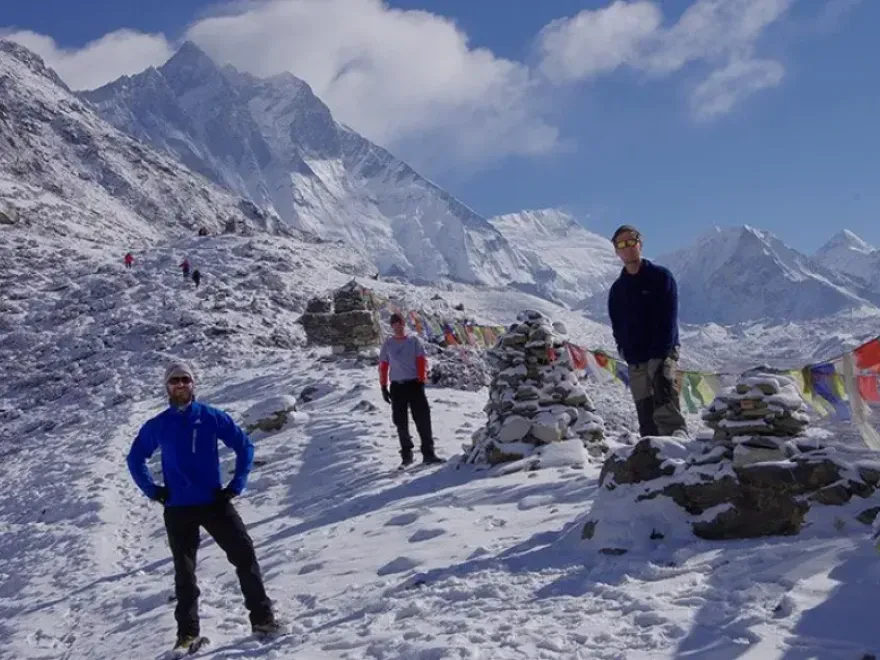
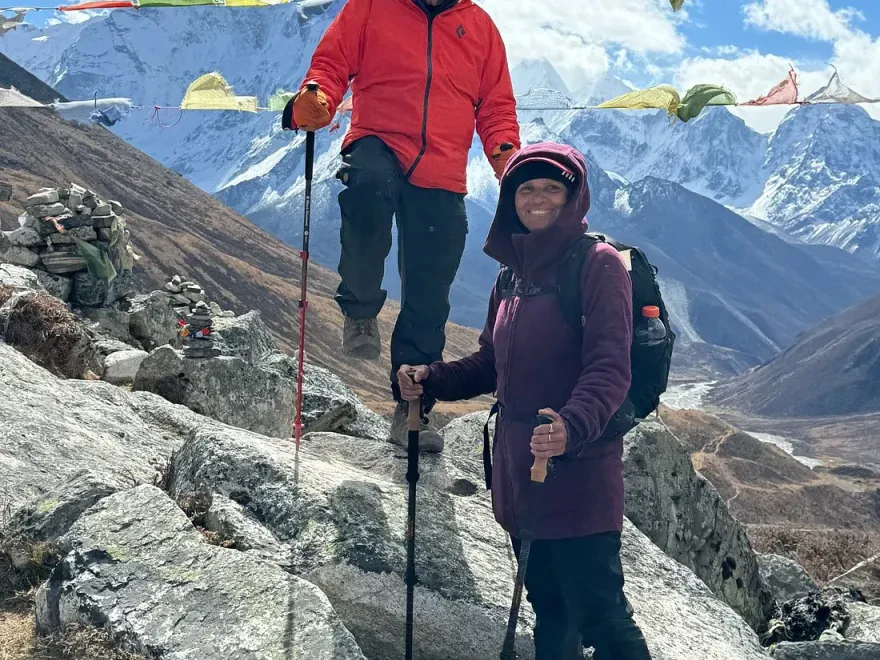
The Everest Base Camp Trek Without Flight offered by Nepal Planet Treks & Expedition provides adventurers a unique way to experience the Khumbu region without the need for a Lukla flight. This overland trek begins with a scenic drive from Kathmandu to Phaplu or Salleri, passing through lush valleys, terraced farmlands, and small Sherpa villages. This route not only allows trekkers to bypass the often unpredictable flights to Lukla but also provides an immersive introduction to the culture and landscapes of eastern Nepal. Travelers get to witness rural life, meet local families, and enjoy the tranquility of villages untouched by mass tourism.
Once on the trekking trail, the journey gradually ascends through Nunthala, Bupsa, Surke, and other lower Solukhumbu villages, allowing trekkers to acclimatize naturally. The trek then merges with the traditional Everest trail at Phakding, continuing through Namche Bazaar, Tengboche, Dingboche, and Gorak Shep, before reaching the iconic Everest Base Camp (5,364m). An optional sunrise hike to Kala Patthar (5,545m) offers spectacular panoramic views of Mount Everest, Lhotse, Nuptse, and Ama Dablam.
This trek is ideal for adventurers seeking a slower, culturally immersive approach to the Everest region while avoiding the risk of flight delays or cancellations. The route also allows travelers extra days for acclimatization, making it safer and more enjoyable for those not in a rush.
The Everest Base Camp Trek Without Flight can be undertaken in multiple seasons, but the best periods are pre-monsoon (March to May) and post-monsoon (late September to November). During these months, the weather is relatively stable, the skies are clear, and visibility of the majestic Himalayan peaks is at its peak. Spring brings vibrant rhododendron blooms and lush greenery in lower regions, creating a picturesque trek filled with colors. Autumn offers crisp air, stunning sunrises, and the iconic views of Everest and surrounding peaks without the haze that can occur in summer.
Traveling in the off-season (June to August) is less common due to the monsoon rains, which make trails slippery and increase the risk of landslides, especially on the drive from Kathmandu to Phaplu. Winter (December to February) offers clear skies and minimal crowds but temperatures drop significantly, especially above 4,000 meters, and snow may block higher sections of the trail.
Best season highlights:
Choosing the right season ensures not only safety but also maximizes your chances of experiencing the majestic Himalayan scenery in all its glory, making the journey unforgettable.
The difficulty level of the Everest Base Camp trek without flight is moderate to challenging, making it suitable for physically fit trekkers with prior trekking experience. The overland route allows for gradual acclimatization, reducing the risk of altitude sickness. Trekkers typically start at lower elevations after the scenic drive from Kathmandu, which provides a gentle introduction to the higher altitudes. The trek involves walking 5–8 hours per day, with some steep ascents in areas like Namche Bazaar, Tengboche, and the approach to Gorak Shep and Kala Patthar.
Transportation for this route is a significant feature. The journey begins with a jeep or bus drive from Kathmandu to Phaplu or Salleri, covering approximately 266 km and taking 8–9 hours. These drives pass through hills, forests, and terraced villages, offering a glimpse of rural Nepali life. Using road transport instead of flying makes the trek more predictable, as Lukla flights are frequently delayed or canceled due to weather.
Key points on difficulty and transportation:
The combination of road travel and trekking provides a unique balance of adventure, cultural exploration, and manageable physical challenge for those looking to reach Everest Base Camp safely.
During the Everest Base Camp Trek Without Flight, food and accommodation are simple yet comfortable, with most stays in tea houses and lodges along the route. These family-run lodges offer warm hospitality, basic amenities, and hearty meals to refuel after long days of trekking. In lower villages like Nunthala, Bupsa, and Surke, the lodges are cozy with shared bathrooms and traditional Nepali-style dinners. As trekkers ascend, facilities become simpler due to the remoteness of the higher Khumbu region, with smaller tea houses providing basic rooms and limited electricity.
Food is typically a combination of Nepali and Western dishes, including dal bhat (lentil soup with rice), momo (dumplings), soups, noodles, and porridge. Meals are nutritious and filling, designed to keep energy levels high during high-altitude trekking. Hot drinks like tea, coffee, and chocolate are readily available, and trekkers are advised to drink plenty of water to aid acclimatization.
Highlights of food and accommodation:
The combination of warm meals and welcoming accommodation ensures trekkers remain comfortable, well-fed, and energized while trekking through the challenging yet stunning landscapes of the Everest region.
Trekking to Everest Base Camp without a flight requires proper permits to ensure safety and legality. The key permits for this route include the TIMS (Trekkers’ Information Management System) Card and the Sagarmatha National Park Permit. The TIMS card is mandatory for all trekkers in the Khumbu region and acts as identification for trekkers, while the Sagarmatha National Park Permit allows entry into the protected areas around Everest and supports conservation efforts.
These permits are typically arranged by trekking companies like Nepal Planet Treks & Expedition, which handles all documentation before the journey. Permit fees vary depending on nationality and season, and trekkers must carry copies along the route. Additionally, guides and porters also require permits to accompany trekkers safely through the high-altitude regions.
Key permit details:
Proper permits not only ensure compliance with Nepali law but also enhance safety and access to official trekking routes, making the Everest Base Camp journey smooth and stress-free.
Choosing the Everest Base Camp Trek Without Flight with Nepal Planet Treks & Expedition offers several unique advantages over the traditional Lukla flight route. First, it eliminates the risk of flight cancellations, which are common due to unpredictable weather in the Everest region. By traveling overland, trekkers have a safer and more predictable start to their adventure. Additionally, this route provides extra days for acclimatization, reducing the risk of altitude sickness and increasing comfort during the trek.
The overland journey also allows trekkers to explore off-the-beaten-path villages, interact with local Sherpa families, and experience authentic Nepali culture. The gradual ascent through lower Solukhumbu villages such as Nunthala, Bupsa, and Surke gives trekkers a deeper connection to the region and its people. The trek combines adventure, culture, and natural beauty, culminating in the iconic Everest Base Camp and panoramic views from Kala Patthar.
Why choose this option:
For adventurers seeking a safe, scenic, and culturally enriching trek, this overland Everest Base Camp option is the ideal choice. It blends the thrill of reaching Everest Base Camp with the serenity and authenticity of rural Nepal.
Upon your arrival at Kathmandu’s Tribhuvan International Airport, our friendly representative from Nepal Planet Treks & Expedition will meet you and provide private transportation to your hotel in the heart of Thamel. After check-in, we will offer an overview of your trek, including tips about Kathmandu’s bustling streets and local culture. You can explore the vibrant neighborhood on foot, enjoy a traditional Nepali dinner, and prepare your gear for the journey ahead. Overnight stay is arranged at a comfortable hotel in Kathmandu.
We start the day early, leaving Kathmandu at around 4:30 or 5:00 a.m. for an adventurous drive to Phaplu and Salleri. The journey takes 8–9 hours through winding eastern highways, offering scenic mountain panoramas and glimpses of rural Nepali life. Breakfast and lunch stops are planned en route, allowing you to rest and enjoy the scenery. Upon arrival in Salleri, dinner is served at the local lodge, and you’ll spend the night in this charming village, immersed in the serenity of the Himalayas.
After breakfast, we begin our trek by passing the small Phaplu airport and entering lush pine forests. Along the way, we reach Ringmo village, a charming mix of Sherpa and Rai settlements, known for its apple orchards. The trail continues uphill to Taksindo Hill, where spectacular views of the Himalayan range, including Mt. Everest, await. We then descend through dense forests to reach Nunthala village. The evening is free to relax, enjoy the local hospitality, and prepare for the next day’s adventure. Overnight in Nunthala.
After a hearty breakfast, we start our trek by walking downhill to the Dudh Koshi River, crossing traditional Rai villages and terraced fields along the way. The trail gradually ascends through Jubing village, allowing you to enjoy the serene landscapes and rural lifestyle of the locals. After passing Khairkhola, one of the largest villages in the region, we continue uphill to reach Bupsa Dada village. The evening is spent resting, sharing stories with fellow trekkers, and enjoying a home-cooked dinner in the guesthouse.
Following breakfast, we trek uphill through a serene pine forest, where you may spot monkeys and colorful Himalayan birds. The trail flattens, leading us past Paiya village and finally arriving at Surke village, located at the base of Lukla. Surke offers spectacular views of surrounding hills and peaks. You can choose to stay overnight in Surke or continue a short 30-minute trek to Chauri Kharka. The evening is for relaxation and enjoying the peaceful Himalayan ambiance, followed by dinner and overnight stay.
After breakfast, we follow the Dudh Koshi River and cross several suspension bridges adorned with Buddhist prayer flags. Passing Chauri Kharka village and village chortens, we enter the heart of the Khumbu region. The trek continues through scenic villages and forests before reaching Phakding Village, a quiet settlement where trekkers gather before heading deeper into the mountains. Dinner is served at the guesthouse, and you can spend the evening exploring the village or simply resting for the days ahead.
After breakfast, our trek follows the Dudh Kosi River, crossing multiple suspension bridges while taking in panoramic Himalayan views. The trail becomes steep as we enter Sagarmatha National Park, a UNESCO World Heritage site. The path winds through rhododendron forests, offering glimpses of wild Himalayan wildlife. Finally, we reach Namche Bazaar, the bustling gateway to Everest. Here, you can explore local markets, visit cafes, and interact with Sherpas. Dinner and overnight stay are arranged at a guesthouse, providing comfort after a challenging but rewarding day.
Today is dedicated to acclimatization. After a leisurely breakfast, we hike to the Everest View Hotel for panoramic views of Everest, Lhotse, and Ama Dablam. Continuing to Khumjung village, we visit the local monastery and school established by Sir Edmund Hillary, immersing ourselves in Sherpa culture. After a relaxed lunch, we return to Namche Bazaar. The afternoon allows for free time to explore vibrant streets, shop for souvenirs, or enjoy local cafes. In the evening, a warm dinner is served at the guesthouse, preparing us for higher altitudes.
After breakfast, we trek uphill through scenic forest trails towards Tengboche. Along the way, we pass rhododendron and pine forests while enjoying views of towering Himalayan peaks. Arriving at Tengboche, we visit the iconic Tengboche Monastery, the spiritual center of the Khumbu region. Check-in at the guesthouse, followed by leisure time to explore the monastery or simply enjoy the breathtaking surroundings. Dinner is served at the guesthouse, and overnight stay allows you to rest and rejuvenate at this spiritual Himalayan hub.
Today’s trek begins after breakfast, descending briefly to Deboche before gradually ascending to Pangboche village. The trail is scenic, dotted with mani walls, prayer flags, and panoramic views of Ama Dablam. Continuing further, we arrive at Dingboche, an alpine village surrounded by towering peaks and moraine landscapes. Dinner and overnight stay are arranged in a cozy guesthouse, allowing time to rest and acclimatize for the higher altitude ahead. The crisp mountain air and serene environment make Dingboche a perfect place to recharge.
We dedicate today to acclimatization. After breakfast, we hike towards Nagarjuna Peak, which provides spectacular panoramic views of surrounding peaks and the Imja Valley. The moderate hike helps the body adjust to high altitude, preparing for the challenging days ahead. Returning to Dingboche, you have the afternoon free to relax, explore nearby trails, or interact with local villagers. Dinner is served at the guesthouse, and an early night ensures you are well-rested for tomorrow’s trek to Lobuche.
After breakfast, we head north along gradual ascending trails, passing Thukla village. The landscape shifts to rocky terrain with sparse vegetation, offering dramatic views of the Khumbu Glacier. We reach Lobuche village, a high-altitude settlement serving as the last stop before Everest Base Camp. Check-in at the guesthouse, followed by dinner and overnight stay. The crisp, thin air reminds us of the challenging yet rewarding trek ahead. Guests are encouraged to rest early, ensuring proper acclimatization for the next day’s adventure.
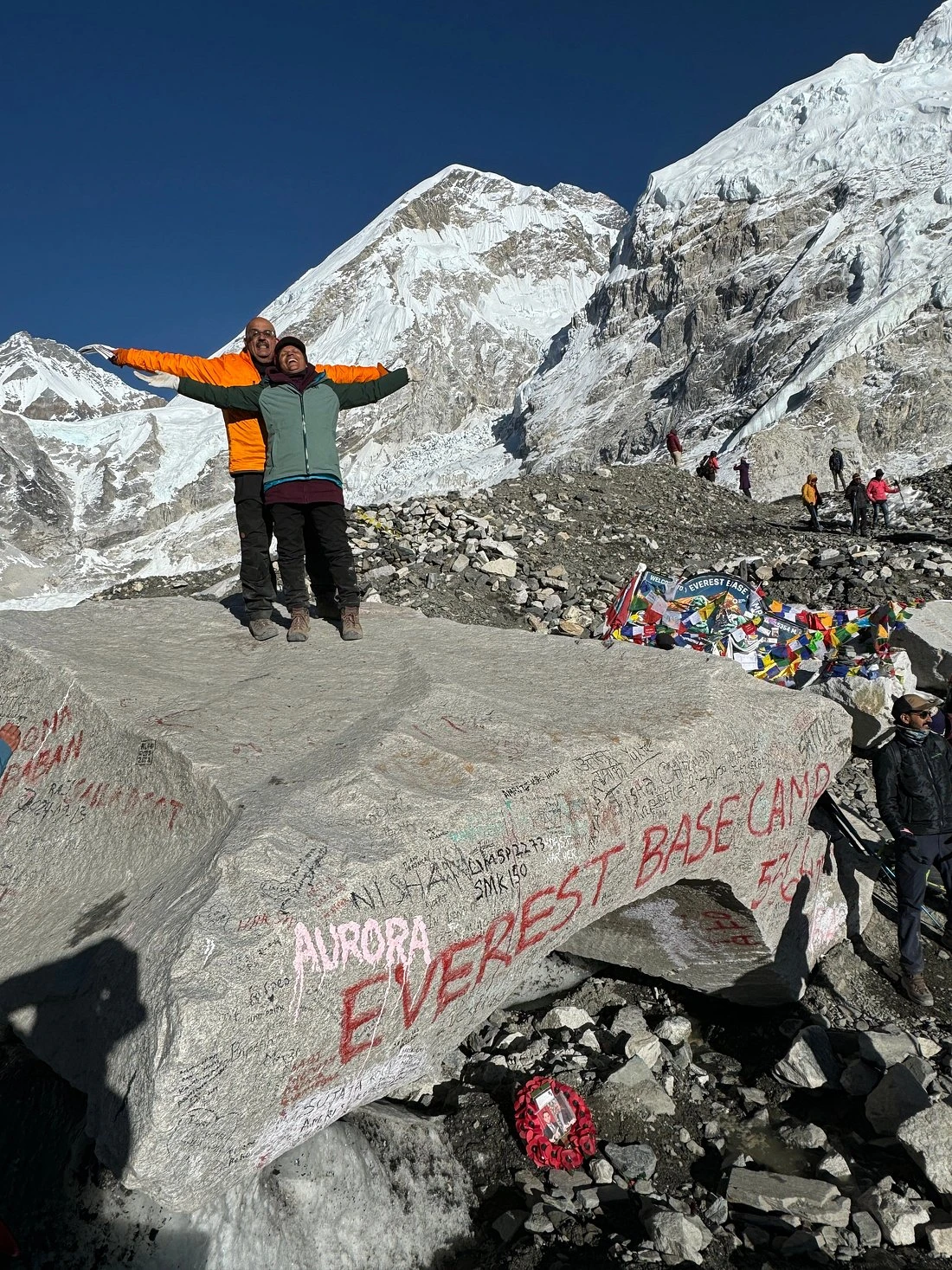
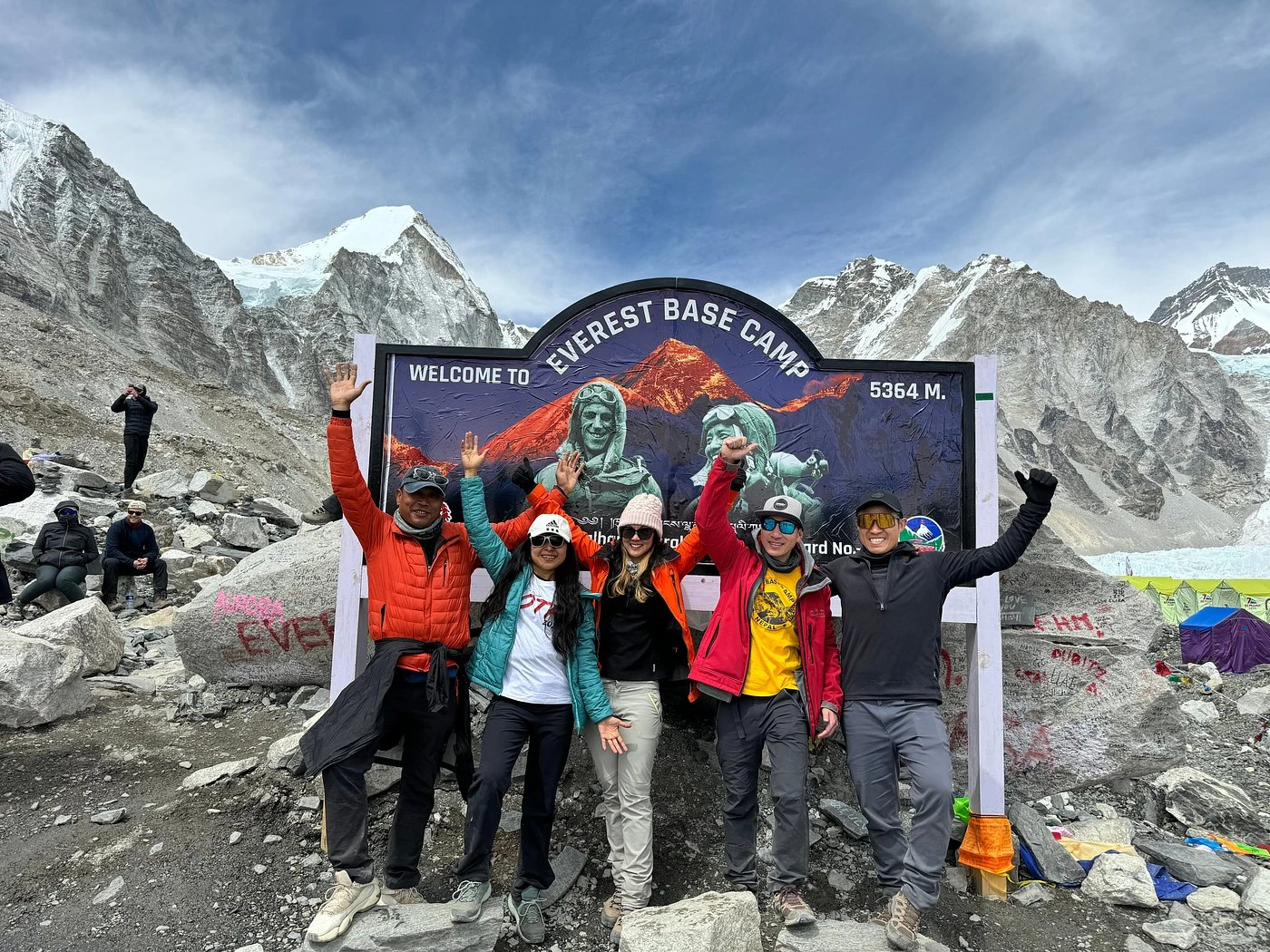
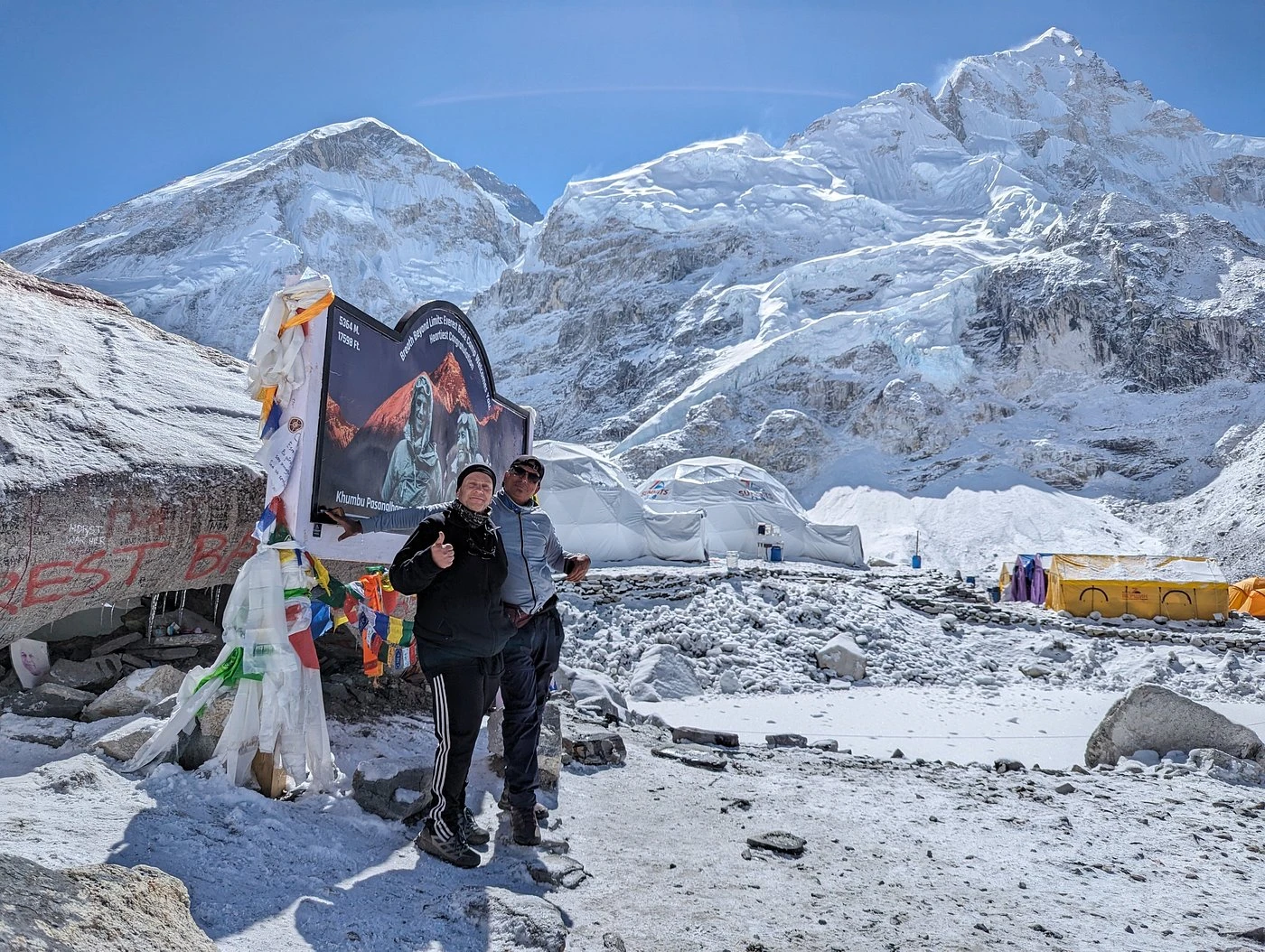
After breakfast, we trek from Lobuche to Gorakshep, crossing rocky moraines and observing breathtaking Himalayan views. Upon arrival, we check-in at the guesthouse and enjoy lunch. The highlight of the day is the trek to Everest Base Camp, walking on the same path as legendary mountaineers. At base camp, we take photos, soak in the majestic surroundings, and celebrate reaching the world’s highest peak. We then return to Gorakshep for dinner and overnight stay, reflecting on the day’s incredible accomplishments.
We wake early at 4:30 a.m. for a sunrise hike to Kalapatthar, offering spectacular views of Everest, Lhotse, and Nuptse. After witnessing the breathtaking sunrise, we return to Gorakshep for breakfast and begin the descent towards Pheriche. The long day’s walk is rewarding, passing through dramatic landscapes and high-altitude terrains. Check-in at the guesthouse in Pheriche, enjoy dinner, and rest for the night. The descent allows our bodies to adjust gradually while reliving the memories of Everest Base Camp.
After breakfast, we retrace our steps along familiar trails, passing through Dingboche, Pangboche, and Tengboche before reaching Namche Bazaar. The journey offers opportunities to revisit favorite viewpoints and enjoy final moments amidst the Himalayas. Upon arrival, check-in at a guesthouse, followed by free time to explore the market, purchase souvenirs, or relax at a café. Dinner is served at the guesthouse, and the night is spent reflecting on the incredible journey and the friendships made along the trek.
After breakfast, we continue our descent, passing through familiar villages, terraced fields, and pine forests. The trail allows us to enjoy panoramic views of the mountains one last time before returning to lower altitudes. Upon arrival at Surke Village, we check in at the guesthouse, enjoy a hearty dinner, and spend the night reflecting on the memorable experiences and scenic beauty witnessed during the trek.
Today we trek downhill to Paiya Village, through pine forests and vibrant rhododendron blooms. The trail continues downhill to Bupsa, followed by the descent to Khari River. Crossing the iron bridge, we reach Khair Khola village, where dinner and overnight stay are arranged. The day offers peaceful trekking amidst rural settlements, providing insight into the daily lives of local communities while enjoying scenic landscapes and views of distant Himalayan peaks.
After breakfast, we walk downhill to Jubhing village and cross the Dudh Koshi River before ascending uphill to Nunthala village. After a lunch break, we continue our trek to Takshindo village (3,140m). The journey combines both downhill and uphill trails, passing through dense forests, terraced fields, and local villages. Upon arrival, check-in at the guesthouse, enjoy dinner, and overnight stay. This segment marks the near conclusion of our trekking adventure, offering both scenic beauty and cultural immersion.
After breakfast, we embark on the final trekking day. From Takshindo, we walk downhill to Ringmo village, passing terraced farmlands, pine forests, and small streams. Continuing through rural landscapes, we arrive at Salleri village. Dinner and overnight stay are arranged in a cozy lodge. This final trekking day offers a sense of accomplishment and allows reflection on the incredible journey through the heart of the Everest region.
After breakfast, we begin the scenic drive back to Kathmandu by jeep or bus. The journey takes 8–9 hours along winding mountain roads, offering panoramic views of hills, forests, and rivers. Upon arrival, check-in at a hotel in Kathmandu, where you can rest and freshen up. In the evening, enjoy a farewell dinner at a traditional Nepalese restaurant with live cultural performances, celebrating the completion of your epic Everest Base Camp trek.
Today marks the end of your Himalayan adventure. After breakfast, we provide a private transfer to Tribhuvan International Airport, approximately three hours before departure. You may also have time for last-minute shopping for souvenirs or gifts. Our team at Nepal Planet Treks & Expedition hopes you enjoyed the Everest Base Camp trek and invites you to explore more adventures in Nepal in the future. Safe travels and farewell!
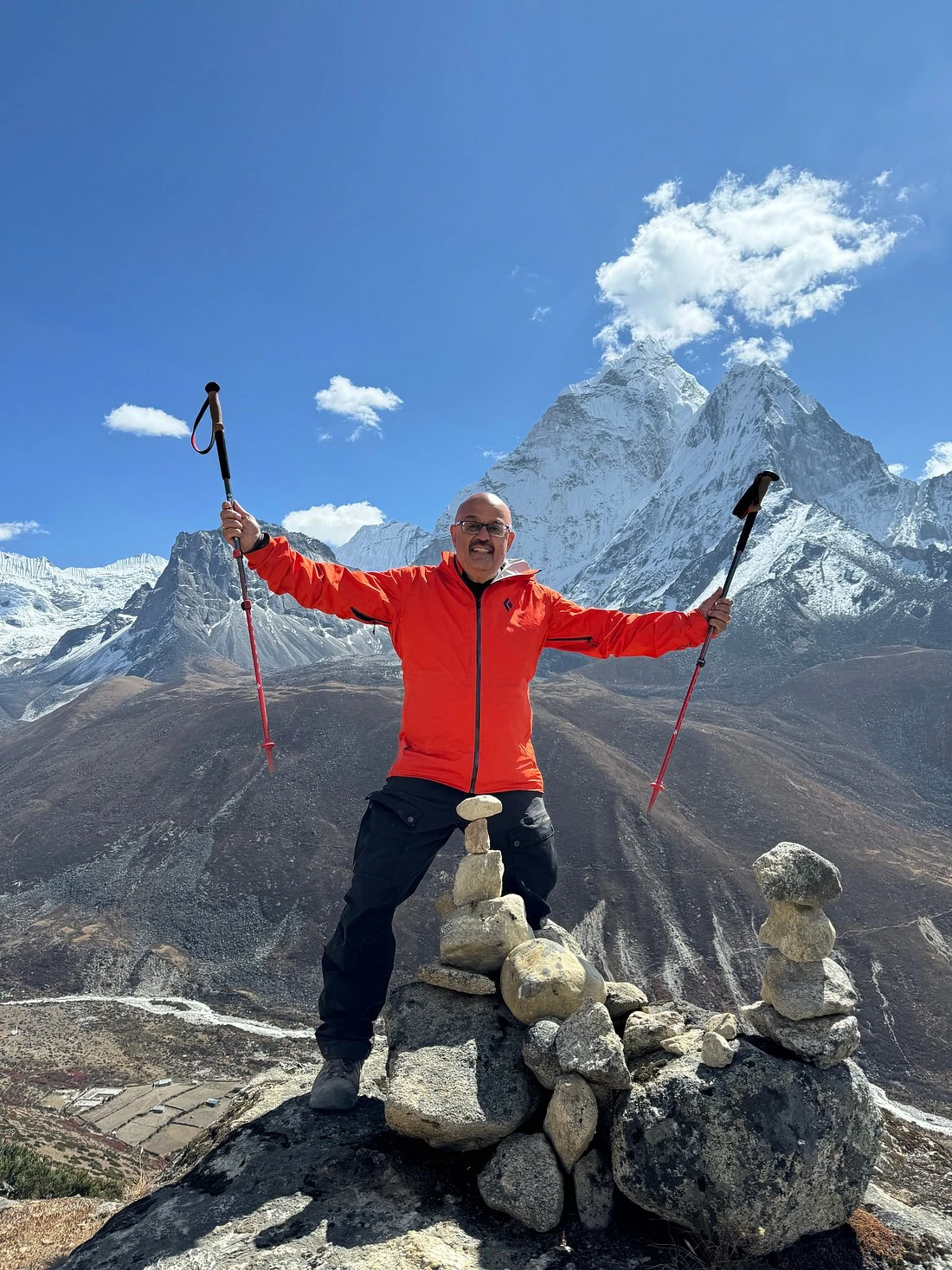
The Everest Base Camp trek is considered moderately to highly challenging due to its high altitude and long daily treks. Even without flying to Lukla, the trek involves long hours of walking, uphill climbs, and descending trails over varied terrain, including forests, rivers, and rocky paths. Proper preparation, physical fitness, and acclimatization are essential. Nepal Planet Treks & Expedition recommends at least three months of cardio, trekking, or endurance exercises before attempting this journey. With proper pacing, guidance, and breaks, the trek is achievable for anyone reasonably fit and determined.
When traveling overland from Kathmandu to the Everest region without a flight, the trek generally extends to about 20–21 days, including acclimatization days and the return journey. The road journey to Salleri or Phaplu adds several days, allowing travelers to experience rural Nepalese culture along the way. Nepal Planet Treks & Expedition organizes this route meticulously, balancing trekking distances and rest periods to ensure proper acclimatization and a safe, rewarding journey. This extended itinerary also allows trekkers to enjoy hidden villages, lush forests, and stunning Himalayan views not seen on the standard Lukla flight route.
Acclimatization is crucial to prevent altitude sickness, especially since Everest Base Camp reaches 5,364 meters. Nepal Planet Treks & Expedition builds in scheduled rest days at Namche Bazaar and Dingboche, along with short hikes to nearby peaks for altitude training. Hydration, balanced meals, and gradual ascent are emphasized. Guides closely monitor each trekker for symptoms of altitude sickness, and adjustments to the itinerary can be made if necessary. Following these protocols ensures that trekkers can safely enjoy the trek and reach Everest Base Camp with minimal risk.
Yes, beginners with good fitness levels can attempt the trek, but they must commit to preparation and gradual acclimatization. Nepal Planet Treks & Expedition structures the itinerary with moderate daily trekking distances, rest days, and flexible schedules to accommodate various fitness levels. Guides provide guidance on pacing, altitude adjustment, and emergency protocols. While prior trekking experience is helpful, determination, proper preparation, and adherence to the guide’s advice are sufficient for beginners to complete this challenging yet rewarding adventure.
The ideal trekking seasons are pre-monsoon (March to May) and post-monsoon (late September to November). During these months, the weather is relatively stable, skies are clear, and mountain views are at their peak. Temperatures are moderate for trekking, and chances of encountering heavy rainfall or snow are minimal. Nepal Planet Treks & Expedition advises avoiding the monsoon season (June to August) due to slippery trails and frequent landslides. Winter (December to February) is possible but extremely cold, and some high-altitude passes may be inaccessible.
Accommodations along the route are primarily teahouses and guesthouses offering basic but comfortable lodging. Rooms may include twin or shared beds, shared bathrooms, and simple heating facilities. In villages like Namche Bazaar, Tengboche, and Dingboche, lodges offer slightly better amenities, including hot showers, Wi-Fi, and cozy dining spaces. Nepal Planet Treks & Expedition carefully selects reputable lodges that provide warmth, cleanliness, and good meals, ensuring trekkers have comfortable overnight stays while immersing themselves in local hospitality and Sherpa culture.
Meals on the Everest Base Camp trek include a mix of Nepali, Tibetan, and continental dishes. Dal Bhat (lentil rice), noodles, soups, momos (dumplings), and porridge are commonly served. Breakfasts often include eggs, toast, or porridge, while lunches and dinners provide warm, hearty meals to sustain energy levels. Nepal Planet Treks & Expedition ensures that all meals are hygienic and nourishing. Special dietary requirements, including vegetarian or vegan options, can be accommodated with advance notice. Eating local meals not only fuels trekkers but also enriches the cultural experience.
Yes, trekking without a flight is very safe, provided proper planning and guidance are followed. Road travel to Salleri or Phaplu is well-maintained, though it may involve long drives on winding mountain roads. Once trekking begins, routes are well-marked and regularly frequented by locals and trekkers. Nepal Planet Treks & Expedition provides experienced guides, porters, and support staff who monitor safety, weather conditions, and altitude risks throughout the journey, ensuring a secure and enjoyable trek.
Trekkers should pack layered clothing suitable for high-altitude trekking, including thermal base layers, fleece jackets, waterproof outer layers, trekking boots, gloves, hats, and sunglasses. A sturdy backpack, trekking poles, water bottles, and a sleeping bag rated for cold temperatures are essential. Nepal Planet Treks & Expedition provides a detailed gear list before departure, helping trekkers prepare for variable weather conditions and long daily hikes. Proper gear ensures comfort, safety, and protection from cold, wind, and sun exposure along the trail.