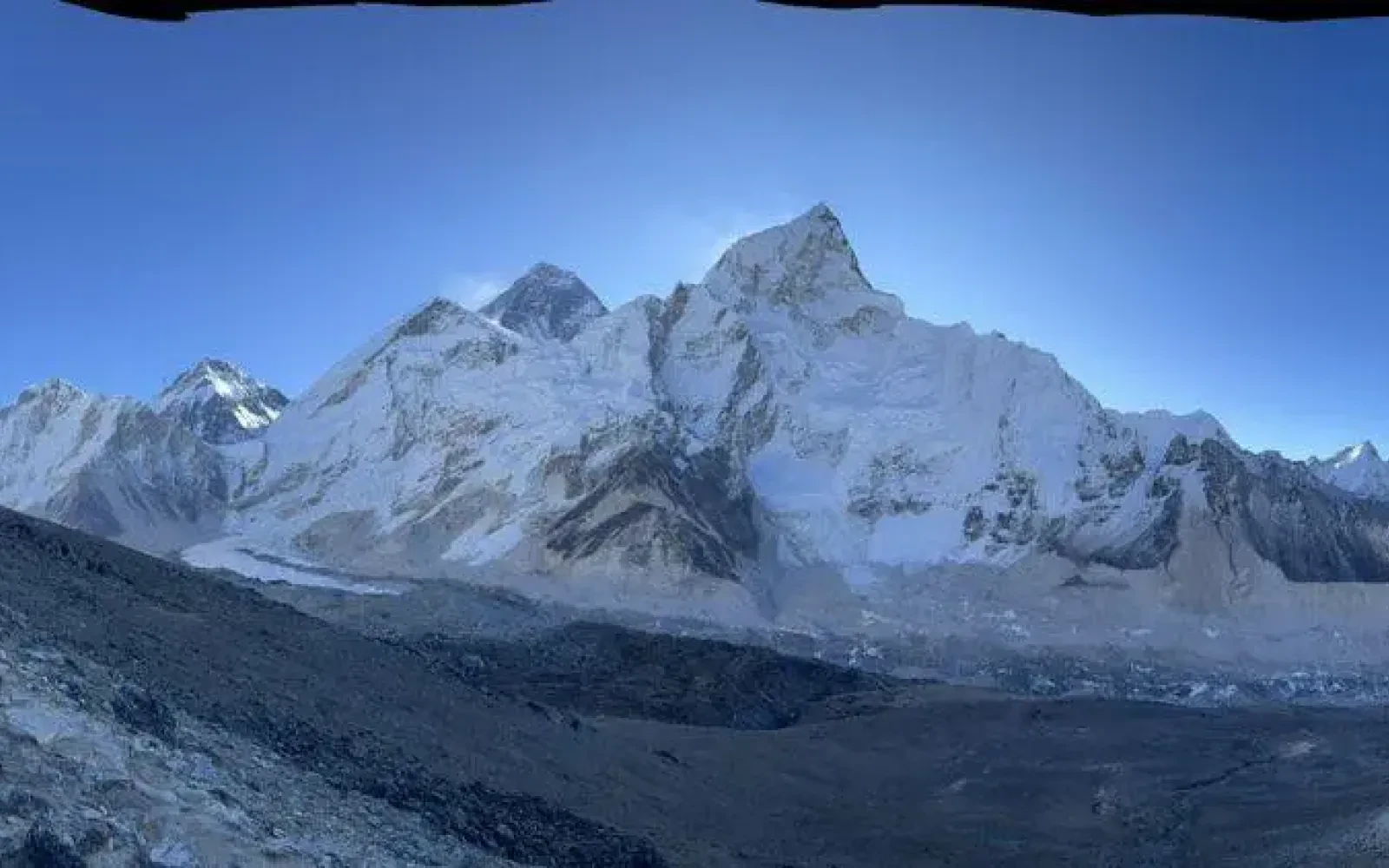
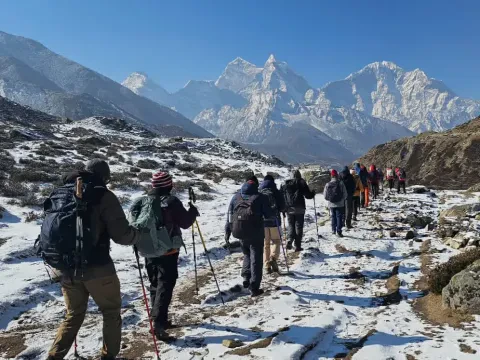
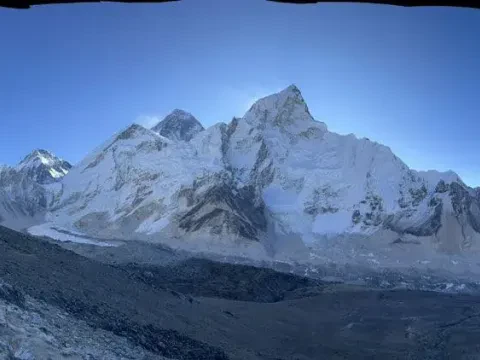
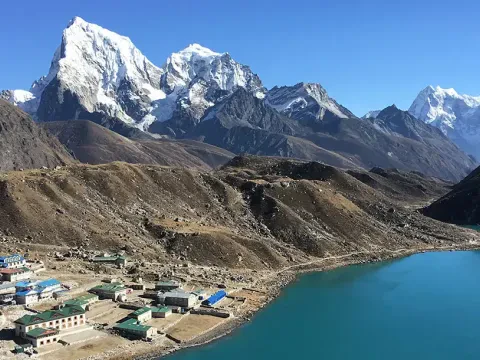
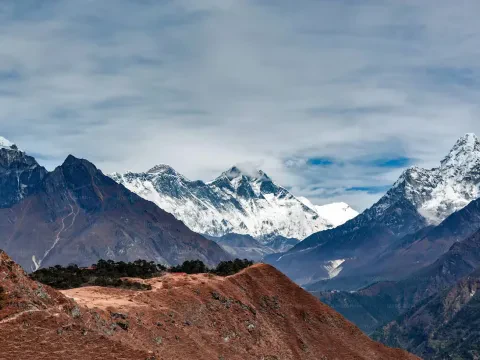
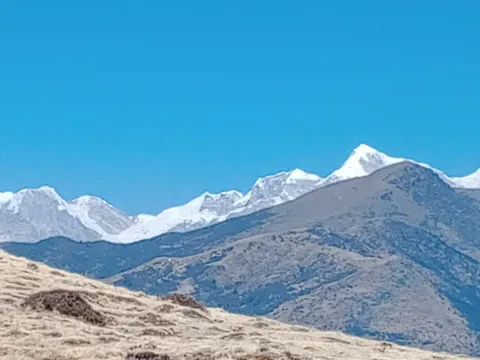
Everest Region Trekking in Nepal The Everest region situated in eastern region of Nepal is one of the most well-known trek destinations in Nepal and presents a reverie experience. The Everest region is located in the east region of Nepal which is secluded by the Sagarmatha National Park, began in 1976 and occupies region of 1148 sq km. The park is generally is poised of the uneven scenery and ravines of the elevated Himalayas. Everest Base Camp Trekking one of the most popular trekking destinations of the region will let you stand on the base of the Mt. Everest (8848m), the highest mountain in the world. The peak is also renowned as Sagarmatha which exactly means the goddess mother of the earth. Providing the most awe-inspiring lifetime experience, Everest region trek will present a chance to take a trip through long-established Sherpa communities and Gombas meaning monasteries. Apart from the highest peak of the earth, there are other 8,000 meter striking peaks in the area such as Lhotse, Makalu (8,463m), Cho Oyu (8,153m), Ama Dablam (6,856m and many more. Plants we can see here are pine, hemlock, fir, birch, rhododendron, juniper, and it is home to the thar, serow, ghoral, musk deer, impeyan pheasant, blood pheasant, the yellow-billed chough, red-billed chough etc. In addition, Solukhumbu, the center of the Everest Region is a vital part of the Himalayan allure and thus makes the spot an ideal one to visit. With Nepal Planet Treks and Expedition you can go for a trip to Everest Region Trek, tent or tea house trek planned for those trekking fans with physically fit body. Apart from the magnificence of the great Mount Everest located in the surroundings, other enormous peaks can be spotted.
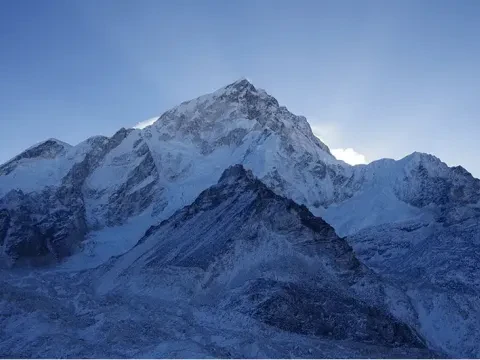
The Everest Base Camp Trek is one of the world’s most iconic trekking adventures, offering an unforgettable journey into the heart of the Himalayas. Operated with care and professionalism by Nepal Planet Treks & Expedition, this 14-day trek follows the legendary trail through the Khumbu region, leading trekkers to the foot of the world’s highest mountain—Mount Everest (8,848.86m). Starting from Kathmandu and a scenic flight to Lukla, the trek gradually ascends through charming Sherpa villages, alpine forests, suspension bridges, and glacial valleys.This trek is not only about reaching Everest Base Camp (5,320m) but also about experiencing the cultural and natural richness of the region. Ancient monasteries like Tengboche Monastery, prayer wheels, mani walls, and colorful prayer flags reflect deep-rooted Tibetan Buddhist traditions. Along the way, trekkers enjoy panoramic views of towering peaks such as Ama Dablam, Lhotse, Nuptse, Makalu, and Everest itself. The sunrise view from Kala Patthar (5,550m) is a once-in-a-lifetime spectacle.Nepal Planet Treks & Expedition ensures a safe, well-paced itinerary with proper acclimatization days in Namche Bazaar and Dingboche, reducing the risk of altitude sickness. With experienced local guides, porters, and excellent logistics, your dream of standing at Everest Base Camp becomes both achievable and enjoyable.Scenic flight from Kathmandu to LuklaWalk through Sagarmatha National ParkVisit Everest Base Camp and Kala PattharSherpa culture and Himalayan monasteriesProfessional guides from Nepal Planet TreksBest Season for Everest Base Camp TrekChoosing the right season is essential for a successful Everest Base Camp Trek. According to Nepal Planet Treks & Expedition, the best times to trek are spring (March–May) and autumn (September–November). These seasons provide stable weather, clear mountain views, and comfortable trekking conditions.Spring is particularly popular due to warmer temperatures and blooming rhododendron forests at lower elevations. This season also coincides with Everest climbing expeditions, offering trekkers a lively atmosphere at Base Camp. Autumn, on the other hand, offers crisp air, excellent visibility, and post-monsoon freshness, making it ideal for photography and long-distance mountain views.Winter (December–February) is colder and less crowded but suitable for experienced trekkers, while the monsoon season (June–August) brings heavy rain and flight delays, making trekking more challenging.Best Trekking MonthsSpring: March, April, MayAutumn: September, October, NovemberEverest Base Camp Trek Difficulty and TransportationThe Everest Base Camp Trek is considered moderate to challenging, mainly due to altitude rather than technical difficulty. No prior mountaineering experience is required, but good physical fitness and mental preparedness are essential. Daily trekking hours range from 4 to 7 hours, with gradual elevation gain and rest days for acclimatization.Transportation plays a vital role in this adventure. The trek begins with a thrilling 35-minute flight from Kathmandu to Lukla, known for its dramatic mountain landing. All ground transportation, domestic flights, and logistics are managed by Nepal Planet Treks & Expedition, ensuring a smooth and safe journey.Difficulty FactorsHigh altitude (above 5,000m)Long walking daysCold temperatures at higher elevationsTransportation IncludedKathmandu–Lukla–Kathmandu flightsAirport transfers in KathmanduFood and Accommodation for Everest Base Camp TrekDuring the trek, accommodation is provided in teahouses, which are clean, comfortable, and run by local families. Rooms are usually twin-sharing with basic facilities. At higher altitudes, facilities become simpler, but warmth and hospitality remain constant.Meals are freshly prepared and carb-rich to support high-altitude trekking. Typical menus include dal bhat, noodles, pasta, soups, pancakes, eggs, and Tibetan bread. Nepal Planet Treks ensures hygienic food choices and safe drinking water options.Accommodation & Food HighlightsCozy mountain teahousesNutritious trekking mealsVegetarian-friendly options availableEverest Base Camp Trek PermitsTo trek in the Everest region, two main permits are required. Nepal Planet Treks & Expedition handles all permit arrangements, saving you time and hassle.Required PermitsSagarmatha National Park Entry PermitKhumbu Pasang Lhamu Rural Municipality PermitThese permits support conservation efforts and local community development.Why Choose Everest Base Camp Trek with Nepal Planet Treks?The Everest Base Camp Trek is more than a journey—it’s a life-changing experience. Choosing Nepal Planet Treks & Expedition means trekking with a trusted, locally owned company that prioritizes safety, sustainability, and personalized service.With years of experience, licensed guides, fair porter practices, and excellent reviews, Nepal Planet Treks stands out as a reliable trekking partner. Whether you’re a solo traveler, couple, or group, they tailor the trek to your pace and preferences.Why Nepal Planet Treks?Experienced local guidesCompetitive pricing (USD 1,200–1,800)Free sleeping bag & duffel bagStrong focus on safety and acclimatizationWhat’s New in 2025?Improved mobile network access with Everest Link 4G in most villagesEco-travel focus: solar-powered teahouses, waste management rulesDigital permits are now available online (TIMS, Sagarmatha entry) in select agenciesHealth stations in Namche and Pheriche with better altitude supportFor those seeking more adventure, we offer exciting trekking packages tailored to your preferences. The Everest Panorama Trek features spectacular views and includes a short hike to Tengboche Monastery, Ama Dablam Base Camp, Island Base Camp, and Cho Oyo Base Camp. The Everest Three Passes trek is a more challenging option, taking you past major attractions in a counterclockwise route.Short on time? Our one-day helicopter tour to Base Camp allows you to explore this incredible location and return in time for your other plans.For an unforgettable vacation, we highly recommend the Everest Base Camp trek. Join Nepal Planet Treks to make your dream of visiting Everest a reality!Side Trips Worth TakingEverest View Hotel Hike: the highest-altitude hotel in the world—great acclimatization stopKhunde & Khumjung Villages: see the Hillary School and local life up closeChhukung Valley: epic views, fewer crowdsGokyo Lakes Extension: glacial lakes + views from Gokyo Ri rival Kala Patthar.How long does the ascent to Everest Base Camp take?Did you mean to say that it is possible to reach Everest Base Camp in just 8 days? You can spend the first 2 days acclimatizing and then spend the next 6 days trekking. Your journey will begin in two days, starting from Lukla to Phakding, followed by a trek from Phakding to Namche Bazaar. You will then spend a day at Namche Bazaar for acclimatization and another day hiking to Tengboche. From there, it will take another day of hiking to Dingboche, where you will spend a day adjusting to the altitude. Finally, after that, you may reach Everest Base Camp in just two days of hiking through Lobuche and Gorakshep.How much does a hike to Everest Base Camp cost?The cost of your trip to Everest Base Camp will depend on the services you require. It will be approximately 65 USD per day or 1165 USD per person for a total of 14 days. It is recommended that you extend your visa by a few days to account for any flight delays to or from Lukla Airport. The cost includes all other essential services such as accommodation, transportation to and from Lukla, porters, guides, and other necessary services. However, it does not cover any expenses related to sightseeing in the city.What time of year is ideal for climbs to Everest Base Camp?It is recommended to research the ideal time to visit each destination. According to Nepal Planet Treks, the best time to travel to Nepal is either before or after the rainy season. The ideal months to visit are from late September to early December and from mid-February to late May. If you want to witness the clear skies and the Everest region, the best time to visit Everest Base Camp is from October to November or from March to May.What supplies or equipment should I take on my trips to Everest Base Camp?To ensure a hassle-free trekking trip, it is important to pack appropriate gear and equipment for high-altitude trekking. If you are planning a trek to Everest Base Camp, Nepal Planet Treks offers a free standard-size sleeping bag and a free waterproof trekking backpack. Rentable hiking boots are also available. To make the most out of your trekking experience, we suggest packing the following essential items: a rainproof jacket, a headlamp or torch, a comfortable pair of socks, hiking boots, thermal undergarments, and footwear that will keep small stones out of your shoes. Most of the hiking equipment is available for purchase or rent in Thamel, the main tourist district in Kathmandu.The trek schedule to Everest Base Camp in 2025 and 2026The 14-day Everest Base Camp trip always starts with a scenic flight to Lukla, which is an airport located on a Himalayan ridge. Upon arrival at this beautiful airport, we proceed to Phakding, where we will spend our first night on this incredible trek through Nepal. This amazing village, situated near a river, is an excellent place to end the first day of our Everest Base Camp tour. The next day, we continue our ascent through a jungle landscape and enter the Sagarmatha National Park. Fun fact: Locally, Everest is known as Sagarmatha. After a successful day of trekking, we reach Namche Bazaar, which is the largest settlement in the area and is primarily inhabited by Sherpas.There are numerous attractions to explore in this town, ranging from intriguing museums to charming restaurants. It is a fantastic place to visit, particularly when embarking on an Everest Base Camp climb, as the streets are filled with unique handicrafts and Himalayan goods. At Nepal Planet Treks, we prioritize your safety, as acute mountain sickness is a serious matter that should not be taken lightly.To prepare for higher altitudes, we will spend a day acclimatizing in a beautiful town. One way to do this is to hike up to the Everest View Hotel and Khumjung village. Although not all Everest trekking programs include this excursion, we can arrange it for you. As we continue our Everest Base Camp trek itinerary, we will travel to Tengboche, a famous Buddhist monastery and a great place to experience the local way of life. Talking to Buddhist monks and watching their peaceful meditation can be very inspiring. And of course, you will get to see Mount Everest, Ama-Dablam, and Lhotse while enjoying a hot drink from the Tengboche Western Bakery.According to our Everest Base Camp trip schedule, on the following day we will head to Dingboche, where we will spend our second acclimatization day. During this time, we will climb up to Nagarjuna Peak to get breathtaking views of Mount Ama-Dablam, Mount Lhotse, Mount Makalu, Island Peak, and more. After a restful night, we will depart for Lobuche, where we will spend our final night before heading to our next destination. Everest Base Camp.We will need to trek through challenging terrain for a few hours to reach Gorakshep from Lobuche. Once we arrive, we can store our bulky luggage at the guesthouse and proceed directly to Everest Base Camp. The feeling of arriving at this famous location is indescribable, with the Khumbu Glaciers lying beneath and the towering mountains around EBC. As the view of Mount Everest from base camp is not optimal, our guide will take you to Kalapatthar Hill the following morning for the best vista of the mountain and an amazing sunrise.EBC Treks Short ItineraryDay 1 The Day Of Arrival In Kathmandu (1,300 M | 4,264 Ft.)Day 2 Travel By Plane To Phakding (2,652 M | 8,700 Ft) From Lukla (2,800 M | 9,186 Ft).Day 3 Hike To Namche Bazaar (3,440 Meters | 11,283 Feet).Day 4 Acclimatization Day At Namche BazaarDay 5 Trek To Tengboche (12,884 feet/3,980 meters).Day 6 Hike to Dingboche (4,480 meters | 14,776 feet).Day 7 Acclimatization Day In DingbocheDay 8 Travel To Lobuche (4,928 M/16,164 Ft).Day 9 Hike to Everest Base Camp (5,320m | 17,450ft) And Then Trek To Gorakshep (5,160m | 16,929ft).Day 10 Trek To Pheriche (4,358m | 14,295ft) And Climb Kalapatthar (5,550m | 18,204ft) Early In The Morning.\Day 11 Trek (3,440 M | 11,283 Ft) To Namche Bazaar.Day 12 Trek To Lukla (2,800 Meters | 9,186 Feet).Day 13 Take A Plane To Return To Kathmandu (1,300 M/4,264 Ft).Day 14 Departure From NepalHow much does it cost?Budget around USD 1,200–$1,800 depending on services, guide, group size, and whether flights, meals, and permits are included.What makes Nepal Planet Treks different?They’ve been in the game for years, have solid reviews, use licensed local guides, and go above and beyond to make your trip personalized, safe, and memorable.
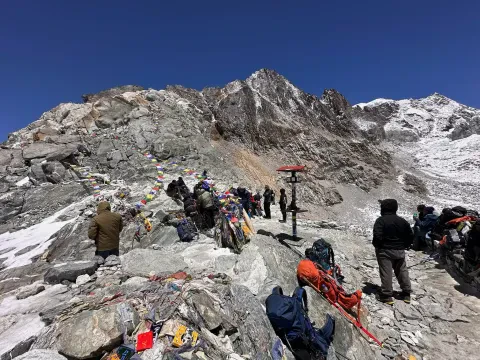
The Everest Three Passes Trekking is one of the most complete and adventurous trekking journeys in the Khumbu region of Nepal. Designed for trekkers who want more than the classic Everest Base Camp route, this trek combines extreme altitude passes, iconic Sherpa villages, sacred monasteries, glacial valleys, and breathtaking Himalayan panoramas. Operated with professionalism and safety by Nepal Planet Treks & Expedition, this trek delivers an immersive Himalayan experience that tests endurance while rewarding trekkers with unmatched mountain scenery.The journey begins with a thrilling flight from Kathmandu to Lukla, the gateway to the Everest region. From here, the trail winds through traditional villages such as Phakding, Namche Bazaar, Tengboche, Dingboche, and Lobuche. The trek’s defining feature is the crossing of three high mountain passes: Kongma La (5,535m), Cho La (5,420m), and Renjo La (5,345m). Each pass offers dramatic views of Everest, Lhotse, Makalu, Cho Oyu, and Ama Dablam, making the effort worthwhile.Beyond high passes, the trek includes visits to Everest Base Camp, Kala Patthar, and the stunning Gokyo Valley, famous for its emerald glacial lakes. The route is carefully planned with acclimatization days to minimize altitude risks. Nepal Planet Treks & Expedition ensures experienced guides, proper logistics, and personalized service, allowing trekkers to fully enjoy the adventure.Three legendary Himalayan high passesEverest Base Camp & Kala Patthar viewpointsGokyo Lakes and Renjo La panoramaAuthentic Sherpa culture and monasteriesGuided by expert local professionalsBest Season for Everest Three Passes TrekkingChoosing the right season is crucial for successfully completing the Everest Three Passes Trek. Due to the extreme altitude and technical nature of the passes, weather conditions play a significant role in safety and visibility. Nepal Planet Treks & Expedition recommends trekking during stable seasons when the skies are clear, temperatures are manageable, and trail conditions are safe.The best seasons are spring (March to May) and autumn (September to November). Spring offers warmer temperatures, blooming rhododendron forests, and longer daylight hours. This season is especially attractive for photographers due to clear mornings and vibrant landscapes. Snow may still be present on high passes, adding adventure without excessive risk.Autumn is considered the prime trekking season. After the monsoon rains, the mountains appear exceptionally clean and sharp. Weather conditions are stable, with crisp air and excellent visibility. This is the most popular season for high-pass trekking, and Nepal Planet Treks & Expedition carefully manages logistics to avoid overcrowded trails while maintaining comfort and safety.Winter treks are possible for highly experienced trekkers, while summer is generally avoided due to monsoon rains and flight disruptions.Best Seasons at a Glance:Spring (Mar–May): Mild temperatures, blooming landscapesAutumn (Sep–Nov): Best visibility and stable weatherWinter: Very cold, for experts onlyMonsoon: Not recommendedEverest Three Passes Trekking Difficulty and TransportationThe Everest Three Passes Trek is categorized as a challenging and strenuous trek, suitable for trekkers with prior high-altitude experience and strong physical fitness. The route involves long trekking days, steep ascents, rocky terrain, glacier crossings, and high passes exceeding 5,500 meters. Mental endurance is just as important as physical strength.Altitude is the primary challenge. Despite well-planned acclimatization days at Namche Bazaar and Dingboche, trekkers must be prepared for thin air and rapid elevation changes. Nepal Planet Treks & Expedition prioritizes safety by maintaining slow ascent rates, providing altitude awareness briefings, and carrying first-aid and emergency protocols.Transportation begins with a scenic flight from Kathmandu to Lukla, one of the world’s most adventurous airstrips. During peak seasons, flights may operate from Ramechhap. All ground logistics, porter arrangements, and return flights are handled professionally by Nepal Planet Treks & Expedition to ensure smooth travel.Difficulty & Transport Overview:Strenuous trekking with high mountain passesRequires good fitness and prior trekking experienceLukla flights included and managedEmergency evacuation support availableExperienced guides for safety and navigationFood and Accommodation for Everest Three Passes TrekkingThroughout the Everest Three Passes Trek, trekkers stay in traditional tea houses and mountain lodges, offering basic yet comfortable accommodation. Rooms typically include twin beds, blankets, and shared bathrooms. At higher altitudes, facilities become simpler, but warmth, hospitality, and cleanliness remain a priority under the guidance of Nepal Planet Treks & Expedition.Meals are freshly prepared and designed to provide high energy essential for high-altitude trekking. The menu includes Nepali, Tibetan, and international dishes such as dal bhat, noodles, soups, pasta, rice, eggs, and potatoes. Dal bhat is especially recommended as it is nutritious, filling, and refillable in most lodges.As altitude increases, food variety decreases, and prices rise due to transportation challenges. Nepal Planet Treks & Expedition advises trekkers on proper food choices and hydration practices to maintain energy levels and prevent altitude sickness.Food & Lodging Highlights:Tea house accommodation throughout the trekNutritious, freshly cooked mealsVegetarian options widely availableHygienic dining recommendationsWarm communal dining areasEverest Three Passes Trekking PermitsTo trek legally in the Everest region, several permits are required. Nepal Planet Treks & Expedition manages all permit arrangements, allowing trekkers to focus entirely on their journey. These permits contribute to conservation, local development, and trail maintenance.The primary permits include the Sagarmatha National Park Entry Permit, which allows access to the protected Everest region, and the Khumbu Pasang Lhamu Rural Municipality Permit, a local trekking permit replacing the TIMS card in this area.All permits are checked at various checkpoints along the trail. Trekking without proper documentation is not allowed. With Nepal Planet Treks & Expedition, all paperwork is handled efficiently, ensuring compliance with Nepalese trekking regulations.Required Permits:Sagarmatha National Park PermitKhumbu Pasang Lhamu Municipality PermitPermit management included in packageHassle-free and legally compliantWhy Choose Everest Three Passes Trekking with Nepal Planet Treks & ExpeditionChoosing the Everest Three Passes Trek means choosing the ultimate Himalayan adventure, and choosing Nepal Planet Treks & Expedition ensures it is done safely, professionally, and memorably. With years of experience in high-altitude trekking, the company provides expert guides, well-planned itineraries, and personalized care throughout the journey.This trek is ideal for adventurers who want to go beyond standard trekking routes and experience solitude, raw mountain landscapes, and authentic Sherpa culture. Nepal Planet Treks & Expedition focuses on responsible tourism, fair porter treatment, and environmentally conscious trekking practices.Above all, this trek offers a life-changing experience—crossing legendary passes, standing at Everest Base Camp, and witnessing Himalayan sunrises that remain etched in memory forever.Why Trek With Us:Experienced local guides and portersSafety-focused acclimatization planEthical and sustainable trekkingPersonalized service and supportOnce-in-a-lifetime Himalayan experience
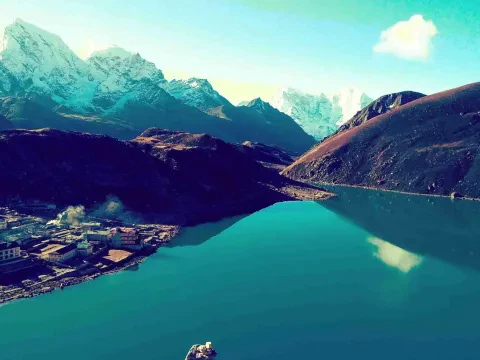
The Gokyo and Cho La Pass Everest Base Camp (EBC) Trek is a remarkable adventure that combines two of the most iconic trekking experiences in the Himalayas. This trek allows adventurers to explore the spectacular beauty of the Everest region, including the serene Gokyo Lakes, the challenging Cho La Pass, and the legendary Everest Base Camp. Unlike the traditional Everest Base Camp trek, this route provides an alternative path, revealing lesser-known trails, remote Sherpa villages, and pristine glacial landscapes. Trekkers witness panoramic views of some of the world’s tallest peaks, including Mt. Everest (8,848 m), Lhotse (8,516 m), Makalu (8,481 m), Cho Oyu (8,201 m), and many surrounding Himalayan giants, all while experiencing the unique culture of the Sherpa people.This trek spans 16 days, beginning with a flight to Lukla, the gateway to the Everest region, and ending in Kathmandu. The journey includes moderate to challenging trekking days, high-altitude passes, and scenic overnight stops in traditional teahouses. Highlights of the trek include Gokyo Ri, which offers arguably the most breathtaking panoramic view of Everest; Cho La Pass, a high-altitude pass connecting Gokyo with the Everest Base Camp trail; and the serene Gokyo Lakes, renowned for their turquoise beauty and reflections of snow-capped peaks. Along the way, trekkers also encounter picturesque villages such as Namche Bazaar, Tengboche, Dingboche, and Gorakshep, where local culture, Buddhist monasteries, and traditional Sherpa hospitality are on full display.16-day trek covering Everest Base Camp, Gokyo Lakes, and Cho La Pass.Panoramic views of Everest, Lhotse, Makalu, and Cho Oyu.Experience Sherpa culture and high-altitude Himalayan villages.Scenic trekking through forests, glaciers, and alpine meadows.Best Season for Gokyo and Cho La Pass EBC TrekThe best season to trek the Gokyo and Cho La Pass EBC route is during the pre-monsoon (March to May) and post-monsoon (late September to November) periods. During these months, the weather is generally stable, with clear skies, moderate temperatures, and optimal conditions for trekking and photography. In spring, rhododendron forests burst into vibrant colors, creating a striking contrast against the white Himalayan peaks. Summer months, particularly June to August, are not ideal due to the monsoon season, which brings heavy rain, landslides, and slippery trails. Winter, from December to February, is cold with significant snowfall, making high passes like Cho La more challenging and risky.Trekkers during the spring season benefit from moderate temperatures, ranging from 10°C to 20°C at lower altitudes, while higher camps can drop below freezing at night. Clear skies provide uninterrupted views of Everest, Makalu, Cho Oyu, and Lhotse. Autumn offers similar conditions with cooler weather and minimal rainfall, making it perfect for those seeking more comfortable trekking days. Both seasons offer excellent opportunities for witnessing stunning sunrises over the Himalayan peaks and capturing reflections in the Gokyo Lakes. Nepal Planet Treks & Expedition recommends trekking with proper gear for high-altitude conditions, including layered clothing, sturdy boots, and sun protection, regardless of the season.Key Points:Best months: March–May (spring) and late September–November (autumn).Avoid monsoon (June–August) and harsh winter (December–February).Spring offers blooming rhododendrons; autumn ensures clear skies and cooler temperatures.Weather at high altitudes can be unpredictable; proper gear is essential.Gokyo and Cho La Pass EBC Trek Difficulty and TransportationThe Gokyo and Cho La Pass EBC Trek is considered a challenging to strenuous trek, requiring a good level of physical fitness and high-altitude trekking experience. The trail involves trekking through moderate inclines, rocky paths, and high mountain passes, with Cho La Pass (5,420 m) being the most demanding section. Trekkers face long hiking days of 5–8 hours, potential altitude-related symptoms, and cold weather conditions at higher elevations. Despite the challenges, the route is well-supported with teahouses, acclimatization days, and guidance from experienced local guides, making it achievable for adventurous trekkers who train adequately before the journey.Transportation for this trek begins with a flight from Kathmandu to Lukla (35 minutes), widely regarded as one of the world’s most thrilling air routes, offering views of snow-capped peaks and the Dudh Koshi River. From Lukla, trekking is done entirely on foot, passing through villages such as Phakding, Namche Bazaar, Tengboche, Dingboche, and Gokyo. Return journeys from Lukla to Kathmandu are also by flight, with spectacular aerial views of Everest and surrounding peaks. Nepal Planet Treks & Expedition ensures that transportation is safe, timely, and coordinated to minimize risk, with contingency plans for weather-related delays.Key Points:Trek Difficulty: Moderate to strenuous with high-altitude challenges.High point: Cho La Pass (5,420 m).Average trekking time: 4–8 hours per day.Transportation: Kathmandu-Lukla-Kathmandu flights; trekking on foot for the rest.Food and Accommodation for Gokyo and Cho La Pass EBC TrekAccommodation along the Gokyo and Cho La Pass EBC Trek is primarily in teahouses and lodges, offering basic but comfortable rooms with single or shared beds. Facilities improve as trekkers descend from higher altitudes, while the higher camps at Gorakshep or Dole may have limited amenities due to their remote location. Teahouses often provide communal dining areas, hot showers (for a fee), and charging facilities for electronic devices. Although basic, these accommodations offer warmth, shelter, and the opportunity to interact with local Sherpa families.Food on this trek is diverse and caters to both local and international palates. Trekkers can enjoy traditional Nepalese dishes such as dal bhat (lentil soup with rice), momo (dumplings), and thukpa (noodle soup), alongside Western options like pasta, pancakes, and fried rice. Meals are freshly prepared, though prices may be higher at extreme altitudes due to logistical challenges. Adequate hydration is essential; boiled water, tea, and electrolyte drinks are recommended to prevent altitude sickness. Nepal Planet Treks & Expedition ensures trekkers are guided to safe food options and encourages packing essential snacks such as energy bars, nuts, and chocolates to maintain energy levels during long trekking days.Key Points:Accommodation: Teahouses/lodges with basic amenities, communal dining.Hot showers and charging available at select lodges.Food: Local and international cuisine, including dal bhat, momo, and pasta.Tips: Carry snacks, stay hydrated, and prefer boiled water to avoid illness.Gokyo and Cho La Pass EBC Trek PermitsTrekking in the Everest region requires several permits to ensure legal entry and support conservation efforts. The main permits include the Sagarmatha National Park Permit (SNP) and the Trekkers’ Information Management System (TIMS) card. The Sagarmatha National Park Permit is required for all trekkers entering the national park area, helping maintain the park’s ecosystems and wildlife. The TIMS card tracks trekkers’ movements, ensuring safety and accountability. Both permits can be obtained in Kathmandu or at the Salleri/Monjo check-post, but it is recommended to arrange them in advance through Nepal Planet Treks & Expedition to avoid delays.Additional permits may be required if trekking through restricted areas or during specific conservation projects, such as local entry permits for villages near Gokyo Lakes or high passes. Nepal Planet Treks & Expedition provides full assistance in securing all necessary permits, guiding trekkers through the documentation, and ensuring compliance with local regulations. This comprehensive approach ensures a smooth trekking experience, allowing trekkers to focus on the adventure rather than administrative hurdles. Permits also support local communities, contribute to sustainable tourism, and help maintain the pristine beauty of the Everest region for future generations.Key Points:Mandatory permits: Sagarmatha National Park Permit & TIMS card.Optional/restricted area permits for Gokyo and other remote villages.Nepal Planet Treks & Expedition handles permit arrangements.Supports conservation, local communities, and trekking safety.Why Choose Gokyo and Cho La Pass EBC TrekThe Gokyo and Cho La Pass EBC Trek is ideal for trekkers seeking a less crowded, adventurous, and visually stunning alternative to the traditional Everest Base Camp route. By combining the EBC trail with the Gokyo Lakes and high-altitude Cho La Pass, this trek offers some of the most dramatic Himalayan landscapes, including glaciers, serene alpine lakes, and towering peaks. It is perfect for photography enthusiasts, adventure seekers, and those eager to experience authentic Sherpa culture in remote villages.Nepal Planet Treks & Expedition stands out as a trusted partner for this trek. With years of experience in the Everest region, the company provides expert guides, logistical support, safe accommodations, and customised itineraries. Their team prioritises safety, acclimatisation, and a balanced trekking pace, ensuring that clients enjoy the journey without unnecessary stress. Choosing this trek with Nepal Planet Treks & Expedition guarantees a well-rounded experience, combining adventure, culture, natural beauty, and the thrill of crossing a challenging high-altitude pass. For anyone dreaming of standing in the shadow of the world’s highest peaks while exploring the hidden gems of the Khumbu region, this trek is an unforgettable Himalayan adventure.Key Points:Combines Everest Base Camp, Gokyo Lakes, and Cho La Pass for a unique route.Less crowded trails, serene landscapes, and remote Sherpa villages.Expert guidance and support from Nepal Planet Treks & Expedition.Ideal for adventure seekers, photographers, and cultural explorers.
The Everest Base Camp (EBC) Luxury Trek offered by Nepal Planet Treks & Expedition is a premium trekking experience that combines adventure with comfort, allowing trekkers to explore the majestic Himalayas without compromising on modern amenities. This trek takes you through some of Nepal’s most iconic landscapes, including rolling hills, dense pine forests, and the high-altitude Khumbu region, where the legendary Mount Everest rises majestically at 8,848 meters (29,029 feet). The journey begins in Kathmandu, where trekkers are briefed and prepared for the adventure ahead. From Kathmandu, a scenic flight to Lukla offers stunning aerial views of snow-capped peaks before the trek begins in earnest.Throughout the trek, trekkers will pass through traditional Sherpa villages such as Phakding, Namche Bazaar, Tengboche, Dingboche, and Lobuche, each offering a unique insight into Himalayan culture and daily life. Notably, the trek includes an acclimatization day in Namche Bazaar and Dingboche, essential for adjusting to the high altitude while exploring local monasteries, the Sherpa museum, and surrounding trails. The highlight of the journey is reaching Everest Base Camp (5,365 m/17,601 ft) and ascending Kala Patthar (5,555 m/18,225 ft) for panoramic views of Everest, Lhotse, Nuptse, and the Khumbu Glacier.Short highlights:Scenic flight from Kathmandu to LuklaVisits to traditional Sherpa villages and monasteriesAcclimatization days at Namche Bazaar and DingbocheSummit Kala Patthar for sunrise or sunset views over EverestReturn trek to Lukla with luxury accommodations along the wayThis luxury trek is designed to offer adventure without compromising comfort, with well-appointed lodges, professional guides, and meticulous planning to ensure safety and a memorable experience.Best Season for Everest Base Camp Luxury TrekThe best season for the Everest Base Camp Luxury Trek is primarily during pre-monsoon (March to May) and post-monsoon (late September to November). During these periods, the weather is generally stable, offering clear skies and spectacular views of the Himalayan peaks. Spring, from March to May, is ideal for witnessing rhododendron forests in full bloom, while the post-monsoon season provides crisp air and excellent visibility, perfect for photography and panoramic views of Everest and surrounding peaks.Summer, during the monsoon months (June to August), brings heavy rainfall and the trails can become slippery, with limited visibility due to clouds. Winter (December to February) is less crowded but significantly colder, especially above 4,000 meters, making nights freezing and requiring high-quality thermal gear. Trekking in the optimal seasons allows trekkers to enjoy comfortable trekking conditions while minimizing the risk of altitude sickness.Short points:Spring (March–May): Rhododendron blooms, moderate temperature, clear skiesAutumn (late Sept–Nov): Stable weather, excellent visibility, ideal for photographyWinter (Dec–Feb): Cold, fewer crowds, requires extra gearMonsoon (June–Aug): Slippery trails, heavy rain, limited visibilityChoosing the right season is critical for a luxury trek, as it ensures safety, comfort, and the opportunity to fully appreciate the Himalayan panorama. Nepal Planet Treks & Expedition carefully plans departures to coincide with these optimal periods.Everest Base Camp Luxury Trek Difficulty and TransportationThe Everest Base Camp Luxury Trek is considered a moderate to challenging trek, suitable for individuals in good physical condition. While technical climbing skills are not required, trekkers must be prepared for long hiking days at high altitudes, uneven trails, and potential altitude-related issues. The gradual ascent profile, with acclimatization days at Namche Bazaar and Dingboche, helps mitigate altitude sickness. Trekking for 4–8 hours per day is typical, depending on the itinerary, with shorter days in early stages and longer ones near Everest Base Camp.Transportation begins with an international flight to Kathmandu and a domestic flight to Lukla, the gateway to the Everest region. The flight to Lukla is one of the world’s most scenic and adventurous flights, offering breathtaking views of Everest, Lhotse, and other Himalayan peaks. On the trek itself, transportation relies entirely on trekking with support from porters and guides, ensuring luggage and camping gear are carried while trekkers enjoy a light and comfortable experience. In luxury packages, lodges with hot showers, private rooms, and occasionally helicopter transfer options to Base Camp can further ease the journey.Short points:Moderate to challenging trek with high-altitude hikingDaily trekking: 3–8 hours depending on the stageGradual acclimatization to minimize altitude sicknessScenic flight to Lukla, trekking with porter supportOptional helicopter transfers for luxury packagesNepal Planet Treks & Expedition ensures every stage is carefully planned to balance adventure with safety, making the journey both exhilarating and accessible.Food and Accommodation for Everest Base Camp Luxury TrekThe luxury trek focuses on combining adventure with comfort. Accommodation is arranged in well-appointed lodges and tea houses, offering private rooms, heated rooms, and attached bathrooms where available. While trekking in the lower Khumbu region, lodges are cozy and modern, with amenities such as Wi-Fi, hot showers, and charging facilities. At higher altitudes like Lobuche and Gorak Shep, lodges are simpler but still comfortable, with warm sleeping arrangements essential for the cold nights.Food during the trek is a highlight, with menus designed to cater to both energy needs and taste preferences. Trekkers can enjoy Nepali traditional meals such as dal bhat (lentil rice), momo (dumplings), and thukpa (noodle soup), as well as international dishes including pasta, soups, and omelets. Staying hydrated is crucial at high altitudes, so tea, coffee, and bottled water are widely available. Luxury packages often include private dining arrangements and freshly prepared meals to ensure a comfortable, high-quality trekking experience.Short points:Comfortable lodges with private rooms and hot showersModern amenities: Wi-Fi, charging, and cozy common areasTraditional Nepali meals and international cuisine availableHigh-altitude nutrition focus for energy and acclimatizationOptional private dining for luxury trekkersNepal Planet Treks & Expedition ensures food and accommodation standards remain high, combining authentic Himalayan experiences with the comfort expected in luxury trekking.Everest Base Camp Luxury Trek PermitsTrekking to Everest Base Camp requires specific permits to ensure legal and safe travel in Nepal’s high-altitude regions. The primary permits include:Sagarmatha National Park Entry Permit: Required for all trekkers entering the Everest region.Khumbu Pasang Lhamu Rural Municipality Permit (K.P. Permit): Required for trekking in the Khumbu region.TIMS (Trekkers’ Information Management System) Card: Ensures trekkers are registered and helps maintain safety on popular trekking routes.Permits are obtained before or during the initial stages of the trek, often in Kathmandu or at Monjo near the park entrance. Nepal Planet Treks & Expedition handles all permit arrangements for luxury trekkers, ensuring hassle-free processing. Guides carry copies and ensure trekkers’ documents are always valid during the journey.Short points:Sagarmatha National Park Entry PermitKhumbu Pasang Lhamu Rural Municipality PermitTIMS Card for trek registrationManaged and processed by Nepal Planet Treks & ExpeditionHaving all permits arranged in advance is part of the luxury trekking experience, allowing trekkers to focus fully on the adventure without administrative concerns.Why Choose Everest Base Camp Luxury TrekThe Everest Base Camp Luxury Trek is the perfect choice for those who want to experience the Himalayas in comfort while still challenging themselves with high-altitude trekking. Unlike standard treks, the luxury version focuses on comfort, convenience, and safety, offering well-appointed lodges, private rooms, professional guides, and personalized service. Trekkers can enjoy the breathtaking beauty of Everest, Lhotse, and Ama Dablam without compromising on warmth, hygiene, or quality meals.Moreover, Nepal Planet Treks & Expedition brings expertise, experience, and personalized care to every trek. From airport transfers and domestic flights to local guides, porter support, and carefully selected accommodations, every detail is meticulously planned. The trek also provides cultural enrichment, with visits to Sherpa villages, monasteries, and museums, allowing travelers to connect with local traditions. For adventure seekers, the trek includes challenging sections like Kala Patthar, providing the ultimate sense of accomplishment against the backdrop of the world’s highest peaks.Short points:Luxury lodges, private rooms, and hot showersProfessional guides and porter supportCultural experiences in Sherpa villages and monasteriesSpectacular Himalayan views from Everest Base Camp and Kala PattharExpertly organized, stress-free trekking experienceChoosing Nepal Planet Treks & Expedition for the Everest Base Camp Luxury Trek ensures a safe, comfortable, and unforgettable Himalayan adventure, combining the thrill of trekking with the ease of a luxury experience.
The Everest Base Camp (EBC) Trek with Helicopter Return offered by Nepal Planet Treks & Expedition is a unique blend of adventure, culture, and convenience. This trek allows adventurers to experience the grandeur of the Khumbu region, home to the world’s tallest peak, Mount Everest, without the need for retracing their steps back to Lukla. The journey begins with a scenic flight from Kathmandu to Lukla, known as one of the most thrilling short flights in the world, offering panoramic views of the Himalayan ranges. From Lukla, trekkers follow the classic EBC route, passing through iconic Sherpa villages such as Phakding, Namche Bazaar, Tengboche, Dingboche, and Gorak Shep. Along the way, you will experience a perfect balance of adventure and cultural immersion, from the bustling Sherpa markets to ancient monasteries and prayer wheels.The trek culminates at the iconic Everest Base Camp (5,364 meters), where trekkers can witness the awe-inspiring Khumbu Icefall and stand in the shadow of the world’s highest mountains. For a more dramatic experience, the next morning includes a hike to Kala Patthar (5,545 meters), offering unparalleled panoramic views of Everest, Lhotse, and Nuptse. Instead of returning along the same route, participants enjoy a scenic helicopter ride back to Lukla, offering a bird’s-eye perspective of glaciers, high peaks, and remote Himalayan villages. This helicopter return not only saves several days of trekking but adds a luxurious and exhilarating element to the adventure.Scenic flight from Kathmandu to LuklaTrek through Sherpa villages and Buddhist monasteriesEverest Base Camp and Kala Patthar hikeHelicopter return to Lukla for time-saving and aerial viewsIdeal for travelers with limited time or those seeking a comfortable yet adventurous trekBest Season for Everest Base Camp Trek with Helicopter ReturnThe best time to undertake the Everest Base Camp Trek with Helicopter Return is during the pre-monsoon spring season (March to May) and the post-monsoon autumn season (late September to early November). During these periods, the weather is relatively stable, skies are clear, and the mountain views are spectacular. Spring is particularly magical, as rhododendrons bloom in the lower valleys, adding vibrant colors to your journey, while autumn offers crisp air, excellent visibility, and festive cultural experiences in Sherpa villages.The winter months (December to February) are much colder, and heavy snowfall can make trekking more challenging and the helicopter flights less predictable. The monsoon season (June to August) is generally avoided due to frequent rains, landslides, and slippery trails. However, Nepal Planet Treks & Expedition provides thorough planning and flexible itineraries to adjust for any seasonal changes, ensuring a safe and rewarding experience.Best Season Advantages:Clear mountain views and sunrise/sunset panoramasComfortable temperatures for trekkingVibrant local festivals and cultural exposureReduced risk of landslides and trail disruptionsOptimal conditions for helicopter flightsBy planning your trek in these recommended windows, you will maximize both your safety and the visual splendor of the Himalayas, making your Everest adventure unforgettable.Everest Base Camp Trek with Helicopter Return Difficulty and TransportationThe Everest Base Camp Trek with Helicopter Return is considered a moderate to challenging trek, primarily due to high altitude, long trekking days, and variable weather conditions. While the helicopter return reduces the overall trekking time, trekkers still need to be physically prepared for daily walks ranging from 4 to 8 hours at elevations reaching over 5,000 meters. The gradual acclimatization days in Namche Bazaar and Dingboche help minimize the risk of altitude sickness, ensuring a safer and more enjoyable experience.Transportation for this trek begins with a 35-minute domestic flight from Kathmandu to Lukla, widely regarded as one of the most scenic flights in the world. The trekking journey is entirely on foot, traversing rugged paths, suspension bridges, and rocky trails. At the end of the trek, instead of retracing your steps through multiple days of walking, a helicopter flight back to Lukla is included, taking approximately 15 minutes. The helicopter route provides spectacular aerial views of Everest, Nuptse, Ama Dablam, and the Khumbu Icefall, offering a unique perspective that cannot be experienced from the ground.Difficulty & Transportation Summary:Moderate to challenging trek with daily hiking of 4–8 hoursGradual acclimatization days included to reduce altitude sickness riskFlight from Kathmandu to Lukla (35 minutes)Trekking through Phakding, Namche Bazaar, Tengboche, Dingboche, Gorak ShepHelicopter return to Lukla (15 minutes) with aerial views of Himalayan peaksFood and Accommodation for Everest Base Camp Trek with Helicopter ReturnDuring the Everest Base Camp Trek, accommodation is primarily in tea houses and lodges. These are cozy guesthouses offering basic yet comfortable rooms with beds, blankets, and shared or private bathrooms depending on availability. In larger villages like Namche Bazaar and Dingboche, accommodation options are slightly more modern with better heating, offering hot showers and Wi-Fi in some cases. Nepal Planet Treks & Expedition ensures that all lodgings meet safety and hygiene standards, providing trekkers with a comfortable rest after long days on the trail.Meals along the trek typically include Nepali, Tibetan, and Western cuisine, with popular options like dal bhat (lentil rice), momo (dumplings), noodles, and soups. Vegetarians and special dietary requirements are also well-catered for by most tea houses. Staying hydrated is crucial, so boiled water and electrolyte drinks are readily available. Snacks such as chocolate, energy bars, and dried fruits are recommended for long trekking days, especially before reaching high-altitude destinations like Gorak Shep or Everest Base Camp.Food & Accommodation Highlights:Lodging in cozy tea houses and lodgesShared or private bathrooms depending on the villageLocal and Western cuisine, including vegetarian optionsHot water and Wi-Fi available in larger villagesEmphasis on hygiene and safety standards by Nepal Planet Treks & ExpeditionThis combination of accommodation and nutrition ensures trekkers maintain energy, stay healthy, and can fully enjoy the breathtaking Himalayan scenery.Everest Base Camp Trek with Helicopter Return PermitsTrekking in the Everest region requires official permits, which are strictly enforced. For the Everest Base Camp Trek with Helicopter Return, the following permits are required:TIMS Card (Trekkers’ Information Management System): Mandatory for all foreign trekkers to ensure safety and monitor trekking in Nepal.Sagarmatha National Park Permit: Required to enter and trek within the Everest region. This permit helps protect the environment and wildlife of the Khumbu region.Nepal Planet Treks & Expedition assists in arranging all necessary permits before your trek, ensuring a smooth start without delays. Permits are usually checked at the start of the trek and at park entrances along the route, making compliance essential. Having these permits also guarantees that trekkers are covered under official trekking regulations and rescue protocols.Permit Highlights:TIMS Card for all foreign trekkersSagarmatha National Park Permit for entry into EBC regionAssistance provided by Nepal Planet Treks & ExpeditionEnsures legal compliance and safety supportBy securing the correct permits, trekkers can focus on the adventure and natural beauty of the Himalayas without administrative hurdles.Why Choose Everest Base Camp Trek with Helicopter ReturnChoosing the Everest Base Camp Trek with Helicopter Return with Nepal Planet Treks & Expedition is an excellent option for travelers seeking a perfect balance of adventure, efficiency, and comfort. Traditional EBC treks require several days of returning to Lukla, which can be exhausting and time-consuming. With the helicopter return, trekkers save valuable time, conserve energy, and gain a unique aerial perspective of the Himalayas, including Everest, Lhotse, Nuptse, and Ama Dablam.This trek is ideal for both first-time and experienced trekkers. The itinerary includes acclimatization days in Namche Bazaar and Dingboche, ensuring safety and comfort at high altitudes. Combined with expert local guides from Nepal Planet Treks & Expedition, who are knowledgeable about the region, culture, and mountain safety, trekkers can enjoy a worry-free experience. The trek also offers cultural immersion in Sherpa villages, breathtaking landscapes, and the once-in-a-lifetime opportunity to stand at Everest Base Camp and Kala Patthar.Reasons to Choose This Trek:Efficient itinerary with helicopter returnSafe and moderate-high altitude trekking experienceExpert local guides and support teamImmersive cultural and scenic Himalayan journeyPerfect for travelers with limited time or seeking added comfortBy combining trekking, cultural exploration, and helicopter adventure, this trek ensures a memorable, once-in-a-lifetime Himalayan experience.
The Gokyo Valley Trek, organized by Nepal Planet Treks & Expedition, is one of the most stunning and culturally immersive trekking experiences in the Everest region. This trek takes you through a breathtaking landscape of snow-capped peaks, turquoise glacial lakes, and traditional Sherpa villages. Unlike the busier Everest Base Camp route, the Gokyo Valley trail provides a quieter and more serene trekking experience while still offering incredible views of some of the world’s highest mountains, including Mount Everest (8,848 m), Cho Oyu (8,201 m), and Makalu (8,463 m).The trek typically begins with a flight from Kathmandu to Lukla, a gateway to the high Himalayas. From there, trekkers follow scenic trails through Phakding, Namche Bazaar, Dole, Machhermo, and finally Gokyo Village, where the stunning Gokyo Lakes await. A highlight of the trek is Gokyo Ri (5,357 m), offering panoramic views of Everest and the surrounding Himalayan peaks. Along the way, you will encounter charming mountain villages, traditional monasteries like Dingboche Monastery, and terraced farms that reflect centuries-old Sherpa culture.Trek through the serene and less crowded Gokyo ValleyPanoramic view from Gokyo Ri, one of the best viewpoints in Everest regionVisit the highest Buddhist monastery, Dingboche MonasteryOpportunity to experience Sherpa culture, hospitality, and local cuisineAccess to glacial lakes, Everest Base Camp, Chola Pass, and Renjo La Pass (optional)Best Season for Gokyo Valley TrekThe Gokyo Valley Trek is ideal during the pre-monsoon (spring) and post-monsoon (autumn) seasons, when weather conditions are most favorable.Spring (March to May) is an excellent time for trekking because the rhododendron forests bloom, creating vibrant landscapes with colorful flowers along the trail. Temperatures are moderate, and skies are generally clear, offering uninterrupted views of the Himalayan peaks. During this season, trekkers can enjoy longer daylight hours and more stable weather conditions.Autumn (September to November) is considered the peak trekking season. After the monsoon, the air is fresh, and skies are typically clear, providing spectacular visibility of the surrounding mountains. This is the best time for photography enthusiasts, as the crisp air and clear blue skies enhance the views of the Gokyo Lakes and Everest.Winter trekking is possible but challenging due to heavy snowfall and extremely cold temperatures, especially at high-altitude points like Gokyo Ri. Summer (monsoon) trekking is not recommended because the trails can be slippery, and visibility may be poor due to clouds and rain.Best Season Highlights:Spring: Rhododendron bloom, moderate temperaturesAutumn: Clear skies, best mountain visibility, ideal for photographyWinter: Cold, challenging, less crowdedSummer/Monsoon: Risk of landslides and slippery trailsGokyo Valley Trek Difficulty and TransportationThe Gokyo Valley Trek is classified as moderate to challenging, suitable for those with good fitness and a willingness to walk long distances at high altitudes. The trek reaches elevations over 5,300 m, so proper acclimatization is essential to prevent altitude sickness. Nepal Planet Treks & Expedition includes rest and acclimatization days at Namche Bazaar and Machhermo, allowing trekkers to adjust to the high-altitude environment gradually.The trekking days typically range from 3 to 6 hours, with a mix of uphill climbs, gradual slopes, and occasional steep sections. While the trail is well-marked and maintained, it includes some rocky and uneven sections, particularly when approaching Gokyo Ri. Fitness, stamina, and a spirit of adventure are key for completing the trek comfortably.Transportation is straightforward. Most treks start with a scenic 30-40 minute flight from Kathmandu to Lukla, which offers breathtaking views of the Himalayan range. From Lukla, trekking is the primary mode of transport. On return, trekkers fly back from Lukla to Kathmandu.Key Difficulty & Transport Points:Trek Duration: 9 trekking days, 12-day itineraryMaximum Altitude: 5,357 m (Gokyo Ri)Trekking Hours: 3-6 hours/dayTransportation: Kathmandu–Lukla flight (round trip)Moderate to challenging terrain with acclimatization daysFood and Accommodation for Gokyo Valley TrekDuring the Gokyo Valley Trek, accommodation is generally provided in tea houses and lodges along the trail. These are simple yet comfortable, with warm bedding and basic amenities. Rooms are usually twin or triple-sharing, and some lodges offer hot showers for an additional fee. In higher altitudes like Machhermo and Gokyo, facilities are more basic, but they provide a cozy and safe place to rest after a day of trekking.The food on the trek is mostly Nepali, Tibetan, and Western cuisine. Popular dishes include dal bhat (rice and lentils), noodles, momos (dumplings), and soups. Tea houses also serve snacks like biscuits, chocolate, and instant noodles. Nepal Planet Treks & Expedition ensures meals are prepared hygienically, and vegetarian or dietary-specific options are also available. Staying hydrated is critical, so trekkers are advised to drink boiled water or use water purification tablets.Food & Accommodation Highlights:Tea houses/lodges with twin or triple roomsHot showers (availability varies at higher altitudes)Local Nepali and Tibetan cuisineVegetarian and dietary-specific meals availableWarm and cozy atmosphere for acclimatizationGokyo Valley Trek PermitsTrekking in the Everest region requires two key permits: the TIMS (Trekkers’ Information Management System) card and the Sagarmatha National Park Permit.TIMS Card: This is mandatory for all trekkers in Nepal. It tracks your trekking activity and ensures safety and security.Sagarmatha National Park Permit: Required for entry into the Sagarmatha National Park, which includes the Gokyo Valley. This permit helps maintain the park’s conservation and protect its unique flora and fauna.Nepal Planet Treks & Expedition takes care of all necessary permits before the trek begins, ensuring a hassle-free experience. It is important to carry copies of the permits during the trek, as park officials may check at different entry points.Permit Highlights:TIMS Card (individual or group)Sagarmatha National Park PermitHandled and arranged by Nepal Planet Treks & ExpeditionRequired for trekking beyond Lukla and Namche BazaarEnsures safe and legal trekking experienceWhy Choose Gokyo Valley Trek with Nepal Planet Treks & ExpeditionChoosing Nepal Planet Treks & Expedition for the Gokyo Valley Trek ensures a safe, organized, and unforgettable trekking experience. With years of expertise in Himalayan trekking, the company provides professional guides, porters, and logistical support to make your journey smooth and enjoyable. Guides are knowledgeable about high-altitude trekking, Sherpa culture, local history, and environmental conservation practices.The company also prioritizes trekker safety and acclimatization, arranging rest days and proper planning to avoid altitude sickness. Meals, accommodations, transportation, and permits are fully managed, allowing trekkers to focus solely on the incredible landscapes, local interactions, and personal adventure.By trekking with Nepal Planet Treks & Expedition, you not only witness the unparalleled beauty of the Gokyo Valley but also support a company that values sustainable tourism and cultural preservation in Nepal. Their team ensures that every trekker experiences the magic of the Himalayas while respecting the environment and local communities.Reasons to Choose Nepal Planet Treks & Expedition:Professional guides and experienced support staffFull logistics: accommodation, meals, permits, and transportFocus on safety, acclimatization, and high-altitude preparednessAccess to lesser-known trails and authentic cultural experiencesCommitment to sustainable and responsible trekking
Everest Panorama Trekking, organized by Nepal Planet Treks & Expedition, is one of the most popular and accessible trekking routes in the Everest region of Nepal. Unlike the longer and more physically demanding Everest Base Camp trek, this panorama trek offers travelers a shorter yet equally breathtaking experience of the high Himalayas. The trek typically spans 7–9 days, starting and ending in Kathmandu, and provides panoramic views of some of the world’s tallest peaks, including Mount Everest (8,848 m), Lhotse, Nuptse, Ama Dablam, and Thamserku.The journey begins with a scenic flight from Kathmandu to Lukla (2,860 m), a small mountain town that serves as the gateway to the Everest region. From Lukla, trekkers walk along the Dudh Koshi River, passing through Phakding, a picturesque village with traditional Sherpa culture, and continue to Namche Bazaar (3,440 m), the largest settlement in the Khumbu region. An acclimatization day at Namche allows trekkers to adjust to higher altitudes and explore the local market, museums, and traditional tea houses. The trek then continues to Tengboche (3,870 m), home to the famous Tengboche Monastery, which offers stunning views of Ama Dablam and the surrounding peaks.This trek is ideal for first-time trekkers, families, and those with limited time, as it allows participants to experience the majesty of the Himalayas without the extreme physical demands of high-altitude mountaineering. The route also includes comfortable lodges, Himalayan hospitality, and cultural immersion into Sherpa traditions.Duration: 7–9 daysHighest point: Namche Bazaar / Everest View Hotel (~3,850 m)Starting point: Kathmandu → Lukla flightHighlights: Mt. Everest, Ama Dablam, Tengboche MonasteryIdeal for: Families, beginners, time-limited travelersBest Season for Everest Panorama TrekkingThe Everest Panorama Trekking is accessible year-round, but the best seasons are pre-monsoon (March–May) and post-monsoon (late September–November). During these periods, the weather is generally stable, skies are clear, and the mountain views are at their most spectacular. The spring season brings blooming rhododendrons along the trekking trail, adding vibrant color to the landscape, while autumn offers crisp air and dry trails, perfect for photography and sightseeing.Winter (December–February) trekking is also possible, but temperatures drop significantly at night, and some trails may be icy, requiring extra preparation. The monsoon season (June–early September) is less ideal due to heavy rainfall, slippery trails, and limited visibility of the snow-capped peaks. However, trekking during this time can offer a quieter and more secluded experience for those willing to brave the wet conditions.Weather and altitude can affect trekking itineraries, so Nepal Planet Treks & Expedition emphasizes proper planning, including acclimatization days and monitoring health at high altitudes. The company also provides guidance on clothing, gear, and essentials for the season to ensure trekkers stay safe and comfortable.Short Points:Best seasons: Spring (March–May), Autumn (Sept–Nov)Winter trekking: Cold, but possible with proper gearMonsoon trekking: Rainy, slippery trails, fewer touristsHighlights in Spring: Rhododendron bloomsHighlights in Autumn: Clear skies and vibrant viewsEverest Panorama Trekking Difficulty and TransportationEverest Panorama Trekking is classified as an easy to moderate trek, making it suitable for beginners, older adults, and families. While trekking at high altitudes always carries some risk of acute mountain sickness (AMS), the gradual ascent, acclimatization day at Namche Bazaar, and relatively short trekking hours (3–6 hours per day) make it manageable. The trails are well-trodden and often pass through Sherpa villages, monasteries, and rhododendron forests, providing both cultural and scenic variety.Transportation begins with a domestic flight from Kathmandu to Lukla, widely regarded as one of the most scenic flights in the world. After trekking, the return journey is also via flight, allowing travelers to enjoy views of the Himalayas without retracing every step. Within the trekking route, transportation is entirely on foot, with porters available for hire through Nepal Planet Treks to carry luggage, making the journey more comfortable.Short Points:Trekking level: Easy to moderateDaily trekking: 3–6 hoursHighest altitude: 3,850–3,900 mMain transportation: Flight Kathmandu ↔ Lukla, walking on trailAssistance: Porters available for luggageFood and Accommodation for Everest Panorama TrekkingDuring Everest Panorama Trekking, accommodation is primarily in tea houses or lodges along the trail. These lodges are simple but clean, offering basic amenities such as a bed, blankets, and hot showers in some locations. Notably, Nepal Planet Treks & Expedition ensures trekkers are placed in reputable lodges with proper hygiene standards and comfortable dining options.Food along the trail is a mix of local Nepali dishes and international cuisine. Common offerings include dal bhat (lentil soup with rice), momo (dumplings), noodles, soups, and continental dishes. Hot beverages like tea and coffee are widely available, as are snacks such as energy bars for trekking energy. Nepal Planet Treks recommends staying hydrated and consuming high-energy meals to adapt to altitude changes.Short Points:Accommodation: Tea houses/lodges along trailAmenities: Bed, blankets, sometimes hot showersFood: Local Nepali and international cuisineRecommended: Eat high-energy meals and hydrate frequentlyOrganized by: Nepal Planet Treks ensures safety and comfortEverest Panorama Trekking PermitsTrekking in the Everest region requires two essential permits: Sagarmatha National Park Permit and Khumbu Pasang Lhamu Rural Municipality (Solu-Khumbu) Permit. These permits are mandatory for all foreign trekkers and are strictly monitored.The Sagarmatha National Park Permit (SNP) is issued to protect the natural environment and wildlife of the Everest region. The Khumbu Pasang Lhamu Rural Municipality Permit is specific to local administration and helps support village infrastructure. Nepal Planet Treks & Expedition assists with obtaining these permits, ensuring all documentation is processed smoothly before departure, which saves trekkers time and stress. Carrying these permits during the trek is necessary, as local authorities may check at village checkpoints.Short Points:Mandatory permits: SNP Permit + Khumbu Pasang Lhamu PermitPurpose: Environmental protection and local developmentAssistance: Nepal Planet Treks handles permit arrangementsCarry permits at all times during trekRequired for all foreign trekkersWhy Choose Everest Panorama TrekkingChoosing Everest Panorama Trekking with Nepal Planet Treks & Expedition guarantees a balance of adventure, comfort, and safety. The trek allows travelers to experience the breathtaking Himalayas without the extreme demands of longer treks, making it ideal for first-time trekkers, families, and older adults. With a mix of scenic viewpoints, cultural experiences in Sherpa villages, and visits to iconic monasteries, this trek provides a rich Himalayan experience in just a week.Nepal Planet Treks prioritizes safety, well-planned itineraries, and local support, including experienced guides, porters, and emergency response measures. The company also provides trekking gear guidance, lodging arrangements, and altitude sickness monitoring, ensuring that even novice trekkers can complete the journey safely. With their professional support, travelers can focus on enjoying the stunning views of Everest, Ama Dablam, Lhotse, and Nuptse while immersing themselves in the local culture and traditions of the Khumbu region.Short Points:Suitable for beginners, families, older adultsStunning Himalayan scenery with panoramic viewsCultural immersion: Sherpa villages, monasteriesSafety-focused: Experienced guides, altitude monitoringProfessional support: Nepal Planet Treks ensures smooth trekking experienceHow Long Does It Take To Climb Everest Panorama Treks?Complete the panorama treks in just 7 days, starting and ending in Kathmandu! This includes 5 days of trekking and 1 acclimatization day. Begin by trekking from Lukla to Phakding and then from Phakding to Namche Bazaar over 2 days. Spend a day acclimatizing in Namche Bazaar, followed by another trekking day to Tengboche. From Tengboche, trek for an additional day, then return to Lukla in 2 days before flying to Kathmandu.How Long Does It Take To Climb Everest Panorama Treks?Complete the panorama treks in just 7 days, starting and ending in Kathmandu! This includes 5 days of trekking and 1 acclimatization day. Begin by trekking from Lukla to Phakding and then from Phakding to Namche Bazaar over 2 days. Spend a day acclimatizing in Namche Bazaar, followed by another trekking day to Tengboche. From Tengboche, trek for an additional day, then return to Lukla in 2 days before flying to Kathmandu.What gear or equipment should I bring to the Everest panorama treks?For high-altitude trekking, it’s essential to pack the right gear to ensure a smooth experience. If you’re heading to Everest, Nepal Planet Treks offers a complimentary standard-sized sleeping bag and a waterproof trekking backpack. Trekking shoes can be rented. To enhance your Everest Panorama trek, we recommend bringing comfortable socks, sturdy trekking shoes, a rainproof jacket, a headlamp, thermal underwear, and gaiters to prevent small stones from entering your shoes. Most trekking gear is also available for purchase or rental in Thamel, Kathmandu’s main tourist hub.The following day, we trek through jungle terrain into Sagarmatha National Park—Sagarmatha being the local name for Everest. After a rewarding day, we reached Namche Bazaar, the largest village in the region, predominantly inhabited by Sherpas. Namche offers charming restaurants, informative museums, and a vibrant street scene filled with unique handicrafts and Himalayan products. At Nepal Planet Treks, your safety is our priority, especially regarding acute mountain sickness.
The Pikey Peak Trek is a spectacular trekking experience in the Solukhumbu district of Nepal, offered by Nepal Planet Treks & Expedition. This trek is renowned for its panoramic Himalayan views, including Everest, Kanchenjunga, Makalu, and Annapurna, making it one of the most scenic treks in Nepal. Unlike the popular Everest Base Camp trek, the Pikey Peak Trek remains relatively untouched by large crowds, allowing trekkers to enjoy a serene and authentic cultural experience. The journey passes through charming Sherpa villages, rhododendron and oak forests, and scenic ridges that showcase the natural beauty of the region.The trek typically begins from Dhap or Phaplu, which are accessible by road from Kathmandu. From the starting point, the trail winds through traditional Sherpa settlements such as Jhaper, Junbesi, and Saleri, providing trekkers a glimpse into the local lifestyle and Buddhist culture. Along the way, you’ll encounter ancient monasteries, prayer flags, and mani walls that reflect the spiritual essence of the region. A highlight of the trek is reaching Pikey Peak (4,065m), famously praised by Sir Edmund Hillary for offering one of the best panoramic views of Mount Everest. The trek usually takes 5-7 days to complete, depending on the chosen route and pace.Highlights of Pikey Peak Trek:Spectacular sunrise views from Pikey PeakPanoramic views of Everest, Kanchenjunga, Makalu, and other Himalayan peaksImmersive cultural experience in traditional Sherpa villagesModerate trekking suitable for various experience levelsLess crowded and off-the-beaten-path trekking routeBest Season for Pikey Peak TrekkingThe best time to trek Pikey Peak is during spring (March to May) and autumn (September to November). These seasons offer clear skies, pleasant weather, and stunning visibility of the Himalayan range. In spring, the hills and forests bloom with vibrant rhododendrons, adding a splash of color to the trail. Autumn is also ideal as the post-monsoon skies are crisp, and the mountain panoramas are unobstructed, making it perfect for photography and enjoying the natural scenery.Winter (December to February) can be very cold, particularly at higher altitudes, and snowfall may block some paths, while the summer monsoon (June to August) brings heavy rainfall, making trails slippery and prone to landslides. Trekking in these off-seasons is only recommended for experienced trekkers prepared for harsh conditions. By choosing the optimal season, trekkers can ensure a safer, more comfortable, and visually rewarding journey.Best season key points:Spring (March-May): Blooming flowers, moderate temperatureAutumn (September-November): Clear skies, post-monsoon mountain viewsAvoid monsoon: Risk of landslides and slippery trailsWinter trekking: Cold and snowy, suitable for experienced trekkersPikey Peak Trekking Difficulty and TransportationThe Pikey Peak Trek is considered a moderate trek, suitable for both beginner and experienced trekkers. The trail involves gradual ascents and descents, with the highest point being Pikey Peak at 4,065 meters. The trek requires basic physical fitness, and trekkers should be prepared for long walking days of 4-6 hours, occasionally climbing steep paths to reach viewpoints. Compared to Everest Base Camp or other high-altitude treks, Pikey Peak offers a more relaxed pace and less strenuous altitude gain, reducing the risk of altitude sickness.Transportation for Pikey Peak Trek:Kathmandu to Dhap: Approximately 8-hour drive (240 km) via private vehicle or jeepPhaplu to Kathmandu: 8–9 hour drive (280 km)Local jeeps and buses are available, but Nepal Planet Treks & Expedition provides private transportation for comfort and flexibility.Key points:Moderate trekking difficulty, suitable for most fitness levelsLong walking days (4–6 hours) with gradual elevation gainPrivate transport recommended for comfort and convenienceTrek includes a combination of forest trails, ridges, and village pathsFood and Accommodation for Pikey Peak TrekkingDuring the Pikey Peak Trek, accommodation is mostly in teahouses and lodges located in Sherpa villages along the trail. Teahouses provide basic but comfortable rooms with shared or private bathrooms. The lodges often have cozy common areas where trekkers can relax, enjoy meals, and meet fellow travelers. The journey through remote villages ensures authentic cultural experiences while enjoying traditional hospitality.Food along the trek is simple, nutritious, and caters to the needs of trekkers. You can enjoy local Nepali dishes such as dal bhat (rice with lentil soup), momo (dumplings), noodles, and soups. Many teahouses also offer continental meals and beverages like tea, coffee, and hot chocolate. Trekkers should carry some snacks and energy bars for long walking days, especially when reaching remote sections with limited food options.Food and accommodation highlights:Teahouse and lodge accommodation in villagesBasic, clean, and comfortable facilitiesLocal Nepali cuisine (dal bhat, momo, soups)Some lodges offer continental dishes and beveragesIdeal for immersing in Sherpa culture while trekkingPikey Peak Trekking PermitsTo trek in the Solu region where Pikey Peak is located, trekkers are required to obtain specific permits. Nepal Planet Treks & Expedition assists with arranging all permits before or during your trip. Key permits include:TIMS Card (Trekkers’ Information Management System): Required for all trekkers in Nepal to track trekking activity and ensure safety.Solu-Khumbu Restricted Area Permit: This is necessary as Pikey Peak lies in a restricted region, ensuring conservation and regulated tourism.Permits are easy to obtain through licensed trekking agencies, and it is recommended not to attempt trekking without proper documentation. Having permits ensures access to trails, teahouses, and local villages while supporting local conservation efforts.Key points for permits:TIMS Card mandatory for all trekkersRestricted Area Permit for Solu-Khumbu regionPermits can be arranged by Nepal Planet Treks & ExpeditionEnsures safety, conservation, and legal trekking accessWhy Choose Pikey Peak TrekkingPikey Peak Trekking is ideal for trekkers seeking off-the-beaten-path adventures in Nepal. Unlike the crowded Everest Base Camp trek, Pikey Peak offers serene trails with fewer tourists, allowing a more personal connection with nature and local culture. Trekkers can witness breathtaking Himalayan panoramas, explore Sherpa villages, and experience Buddhist traditions in a peaceful environment.The trek is highly recommended for those who appreciate moderate trekking challenges, cultural immersion, and stunning sunrise and sunset views from the peak. Nepal Planet Treks & Expedition ensures a safe, well-organized experience, with expert guides, comfortable teahouse stays, and private transportation, making the journey stress-free and memorable. The combination of natural beauty, cultural richness, and authentic hospitality makes Pikey Peak Trekking a rewarding adventure for all.Reasons to choose Pikey Peak Trek:Less crowded and off-the-beaten-path trekking routePanoramic Himalayan views including EverestAuthentic Sherpa village experiences and Buddhist cultureModerate difficulty suitable for most trekkersExpert guidance and support from Nepal Planet Treks & Expedition