Join our fixed departure treks.  4.9 of 528 reviews
 4.8 of 214 reviews
4.9 of 528 reviews 4.8 of 214 reviews 
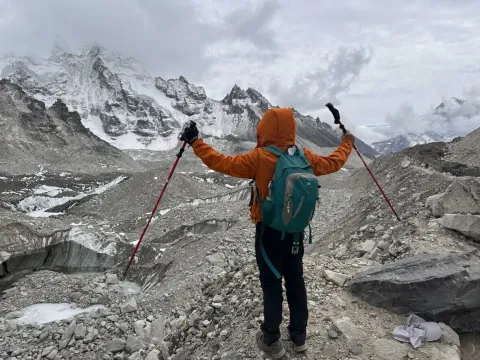
The Everest Three Passes Trekking in Nepal is one of the most adventurous and rewarding trekking experiences in the Himalayas. This spectacular journey takes trekkers through the heart of the Everest region, combining dramatic mountain landscapes, traditional Sherpa villages, ancient Buddhist monasteries, glacial valleys, and three challenging high-altitude mountain passes: Kongma La Pass (5,535m), Cho La Pass (approximately 5,420m), and Renjo La Pass (5,345m). Along the way, trekkers enjoy breathtaking views of Mount Everest, Lhotse, Nuptse, Ama Dablam, Makalu, and the beautiful Gokyo Lakes.
Organized by Nepal Planet Treks & Expedition, this incredible 20-day adventure is designed for trekkers seeking a more challenging and comprehensive exploration of the Everest region. The route includes iconic destinations such as Namche Bazaar, Tengboche, Dingboche, Chhukung, Everest Base Camp, Kala Patthar, Dzongla, and Gokyo Valley. Beyond its spectacular scenery, the trek offers meaningful cultural encounters with the Sherpa people, opportunities to visit Buddhist monasteries, and a chance to experience the traditional mountain lifestyle of the Khumbu region.
The Everest Three Passes Trek is more than a journey through high mountains; it is an unforgettable adventure that combines physical challenge, natural beauty, cultural discovery, and personal achievement. With careful acclimatization, appropriate preparation, and experienced trekking support, Nepal Planet Treks & Expedition helps trekkers experience the highlights of the Everest region while prioritizing safety and responsible travel.
The Everest Three Passes Trek is one of Nepal's most demanding and scenic teahouse trekking routes, offering a complete adventure through the magnificent Khumbu region. Unlike the standard Everest Base Camp Trek, this route explores a wider area of the Everest region by crossing three high mountain passes and visiting both the Everest Base Camp area and the beautiful Gokyo Valley. The journey passes through forests, suspension bridges, alpine settlements, rugged mountain trails, glacial moraines, and remote high-altitude landscapes that showcase the extraordinary diversity of the Himalayas.
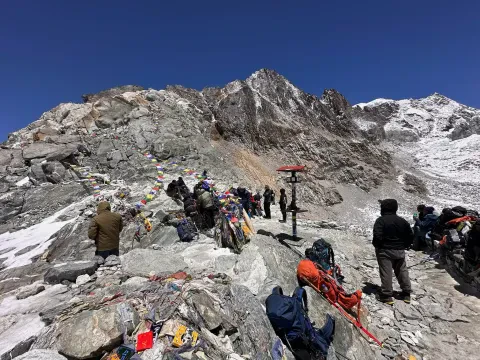
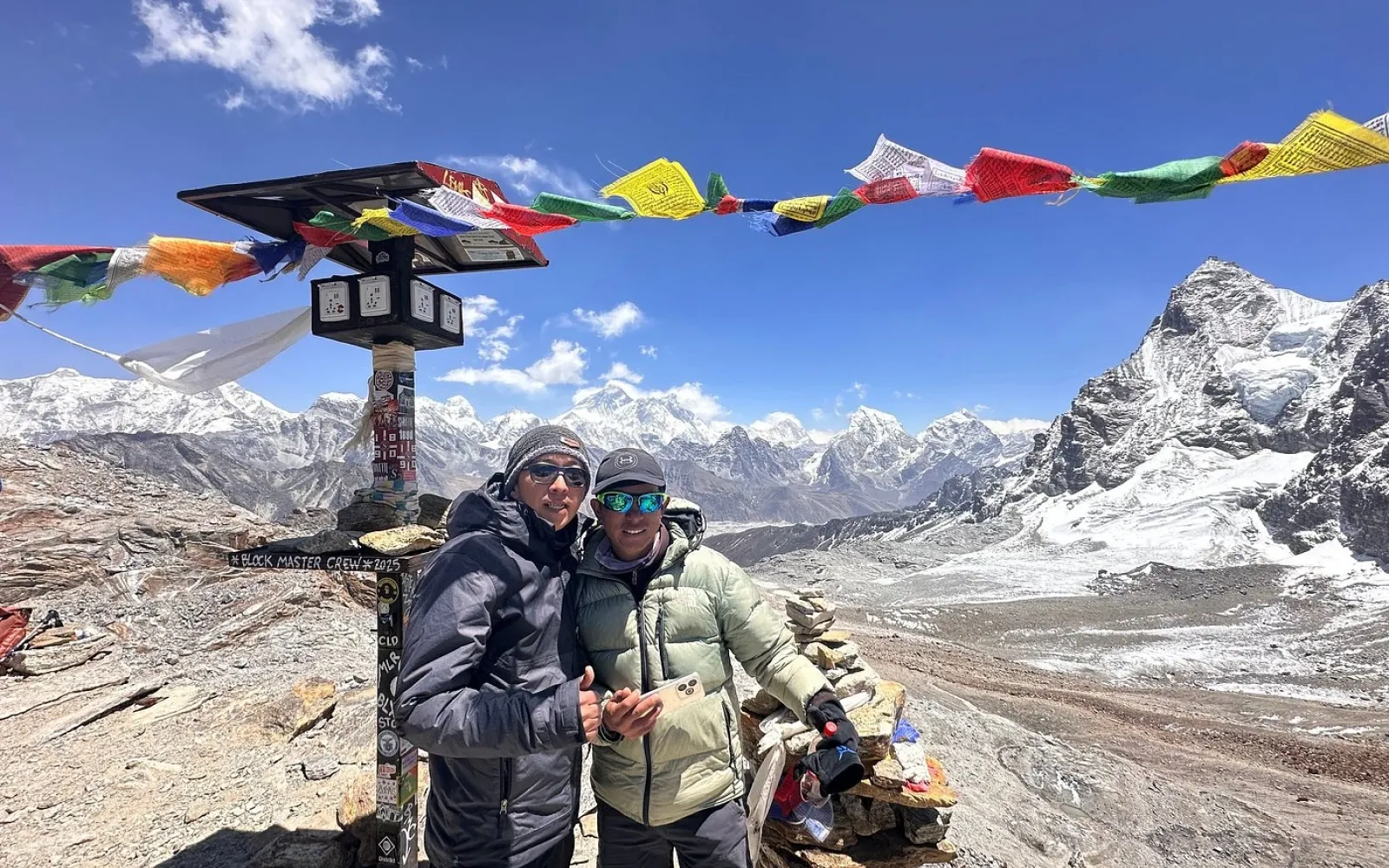
Beginning in Kathmandu, the adventure continues with a scenic flight to Lukla, the gateway to the Everest region. From there, trekkers follow the Dudh Koshi Valley toward Phakding and Namche Bazaar before continuing through Tengboche, Dingboche, and Chhukung. The route then crosses Kongma La Pass toward Lobuche and Everest Base Camp, followed by an early-morning ascent of Kala Patthar. After exploring this famous viewpoint, trekkers continue toward Dzongla, cross Cho La Pass to reach the Gokyo Valley, and later traverse Renjo La Pass before descending through Lungden, Thame, Namche Bazaar, and Lukla.
Throughout the trek, visitors encounter the rich traditions of the Sherpa community, whose culture and mountaineering heritage are closely connected with the world's highest mountains. Colorful prayer flags, mani walls, chortens, monasteries, and traditional stone houses provide insight into local life and Tibetan Buddhist influences. With Nepal Planet Treks & Expedition, trekkers can explore this remarkable region with itinerary planning, experienced trekking guides, and logistical support tailored to the challenges of high-altitude travel.
What makes this trek special?
Choosing the Everest Three Passes Trek means experiencing the Everest region beyond its most popular trekking trail. While the standard Everest Base Camp route focuses primarily on reaching the base camp area and returning along a similar path, the Three Passes Trek creates a more extensive circuit through remote valleys, high mountain passes, and spectacular viewpoints. Each section presents a different perspective of the Himalayas, from the bustling mountain town of Namche Bazaar to the rugged terrain surrounding Kongma La, the icy landscapes of Cho La, and the expansive views from Renjo La.
Another reason to choose this adventure is the opportunity to experience both natural wonders and local culture. Trekkers can explore Gokyo's turquoise lakes, visit Tengboche Monastery, observe traditional Sherpa lifestyles, and enjoy the welcoming atmosphere of mountain teahouses. The route also offers remarkable photographic opportunities, particularly around Everest Base Camp, Kala Patthar, and the Gokyo Valley. These experiences make the trek an excellent choice for adventurous travelers who want to combine mountain scenery, cultural exploration, and a significant physical challenge.
With Nepal Planet Treks & Expedition, trekkers can plan their journey with an itinerary that includes acclimatization days at Namche Bazaar and Dingboche. These rest and acclimatization days are essential parts of a high-altitude trekking plan, helping the body adjust to decreasing oxygen levels. An experienced guide can also provide information about trail conditions, local customs, weather changes, and the practical challenges of crossing the passes. Because the route reaches elevations above 5,500 meters, preparation and flexibility remain essential, and crossing each pass should depend on current conditions and the trekker's health.
Top reasons to choose this adventure:
The Everest Three Passes Trek is best suited to physically fit trekkers with good endurance and, ideally, previous experience with long mountain hikes or high-altitude trekking. The route is considerably more demanding than the standard Everest Base Camp Trek, so proper preparation, suitable equipment, gradual acclimatization, and adequate travel insurance are important.
The Everest Three Passes Trek follows an extensive circuit through the Khumbu region of northeastern Nepal. The adventure begins in Kathmandu, where trekkers prepare for the journey before flying to Lukla. From Lukla, the trail descends toward Phakding and then follows the Dudh Koshi River through forests, suspension bridges, and traditional settlements before reaching Namche Bazaar. This lively Sherpa trading town is an important acclimatization stop and a gateway to the upper Everest region.
After acclimatizing in Namche Bazaar, the route continues to Tengboche, known for its famous Buddhist monastery and impressive mountain scenery, before ascending through Pangboche and other settlements toward Dingboche. Another acclimatization day allows trekkers to rest and explore the surrounding high-altitude landscape. The trail then moves toward Chhukung, a small settlement surrounded by dramatic peaks and glaciers. From Chhukung, trekkers cross Kongma La Pass, the first and highest of the three passes on this itinerary, before descending toward Lobuche.
The journey continues from Lobuche to Gorakshep and Everest Base Camp, where trekkers can experience the extraordinary glacial environment beneath the world's highest mountain. An early-morning hike to Kala Patthar offers outstanding panoramic views of Everest and neighboring peaks. The itinerary then leads toward Dzongla and across Cho La Pass to Thangnak before reaching Gokyo, a beautiful settlement beside the turquoise Gokyo Lakes. Following an exploration day in Gokyo, trekkers cross Renjo La Pass and descend toward Lungden and Thame before returning to Namche Bazaar and Lukla. A flight back to Kathmandu completes the trekking adventure.
20-Day Everest Three Passes Trekking Itinerary
This 20-day itinerary combines the Everest region's major trekking highlights with three high mountain passes. Walking hours and actual trail conditions vary, particularly during the pass-crossing days, which may require long periods of trekking over rough, rocky, snowy, or icy terrain. The itinerary should therefore remain flexible enough to accommodate weather, altitude-related concerns, and flight disruptions.
Important route-planning note: The altitude figures above follow the proposed itinerary where possible. Published elevations vary by source, and some listed values refer to viewpoints or nearby settlements rather than sleeping locations. Cho La Pass is commonly listed at approximately 5,420 meters, while Kala Patthar is commonly cited at around 5,545 meters. A trekking operator should confirm the final route, daily overnight stops, and pass conditions before departure.
Choosing the right season is an important part of planning the Everest Three Passes Trek. Because the route crosses three high mountain passes, trekkers need reasonably stable weather, clear visibility, and manageable trail conditions. Although the Everest region can be visited during different times of the year, spring and autumn are generally considered the most favorable trekking seasons. These periods often provide a good balance of mountain views, suitable daytime temperatures, and conditions for crossing the high passes.
Spring, from March to May, is a popular time for trekking in the Everest region. Temperatures gradually become warmer, lower-elevation forests may display colorful rhododendron blooms, and the days offer increasing opportunities for mountain views. However, snow can remain on the higher passes, particularly early in the season, and conditions around Kongma La, Cho La, and Renjo La can change quickly. Trekkers planning a spring departure should be prepared for cold nights and possible delays caused by snow or unfavorable weather.
Autumn, from late September to November, is another excellent season for the Everest Three Passes Trek. After the summer monsoon, the atmosphere often becomes clearer, creating outstanding opportunities to photograph Everest, Lhotse, Ama Dablam, and the surrounding mountains. Daytime trekking conditions are frequently pleasant, although temperatures fall considerably at higher elevations and nighttime conditions can be very cold. October and early November are popular, so booking flights, guides, and teahouse accommodation in advance is advisable.
Winter and the monsoon season present additional challenges. Winter brings extreme cold, snowfall, and a greater possibility of blocked high passes, while the summer monsoon can produce rain, clouds, slippery trails, and flight disruptions around Lukla. These seasons are generally less suitable for a standard Three Passes itinerary, especially for trekkers without substantial experience in demanding mountain conditions.
Seasonal Highlights
For most trekkers, spring and autumn are the preferred seasons for the Everest Three Passes Trek. Nevertheless, no season guarantees safe pass crossings. Nepal Planet Treks & Expedition can help travelers select suitable dates and prepare for the expected conditions, but final decisions about crossing each pass should always be based on the actual weather, snow conditions, local advice, and the health of the trekking group.
The defining feature of the Everest Three Passes Trek is the opportunity to cross three remarkable high mountain passes: Kongma La, Cho La, and Renjo La. Each pass presents its own combination of physical challenge, rugged terrain, and spectacular Himalayan scenery. Together, they connect the Chhukung and Imja valleys, the Everest Base Camp area, and the Gokyo Valley, creating a demanding circuit through some of the most impressive landscapes in Nepal.
Crossing these passes requires more than physical fitness. Trekkers must be prepared for thin air, cold temperatures, steep ascents and descents, loose rocks, and potentially snow-covered or icy trails. Depending on conditions, the route may involve crossing glacial terrain and navigating sections where careful footing is essential. Good acclimatization, suitable footwear, warm layered clothing, sufficient drinking water, and an early start are important. A qualified guide and a flexible itinerary are particularly valuable when weather or trail conditions change.
Kongma La Pass (5,535m)
Kongma La Pass is commonly regarded as the highest of the three passes and one of the most physically demanding sections of the itinerary. The route from Chhukung toward Lobuche crosses remote, rugged terrain with impressive views of the surrounding Himalayan peaks and glacial valleys. The ascent can be steep, and the descent toward the Lobuche side may involve rocky or snow-covered sections depending on the season. Because there are limited facilities along much of this section, trekkers should start early and carry enough water, food, and appropriate clothing for a long day at high altitude.
The crossing provides a sense of wilderness that differs from the busier sections of the Everest Base Camp trail. The dramatic mountain setting, expansive views, and demanding terrain make Kongma La a major achievement for trekkers completing the Three Passes circuit. Careful pacing is essential, as the combination of altitude and sustained effort can make even experienced hikers feel tired.
Kongma La highlights:
Cho La Pass (approximately 5,420m)
Cho La Pass connects the Dzongla side of the Everest Base Camp region with the Thangnak and Gokyo side of the route. It is known for its steep approaches, rocky trails, and the possibility of snow or ice near the pass. Depending on recent weather, some sections may require extra care and slower progress. Trekkers should follow their guide's advice, avoid rushing, and use appropriate equipment for the actual conditions.
The Cho La crossing is a key transition between two of the Everest region's most famous trekking areas. After visiting Everest Base Camp and Kala Patthar, trekkers leave the main route and continue toward the Gokyo Valley, where turquoise lakes and dramatic glacial scenery offer a different perspective of the Himalayas. The crossing can be challenging, but it rewards prepared trekkers with a memorable high-mountain experience.
Cho La highlights:
Renjo La Pass (5,345m)
Renjo La Pass is the final major pass on this itinerary and offers some of the most celebrated panoramic views in the Everest region. The ascent from Gokyo involves a sustained climb to the pass, where trekkers may be rewarded with sweeping views of Everest, Lhotse, Makalu, Cho Oyu, and the surrounding mountain ranges when visibility is clear. The descent toward Lungden leads into a quieter part of the Khumbu region, creating a memorable transition from the busy Gokyo area to more traditional settlements.
Although Renjo La is often admired for its views, it remains a demanding high-altitude crossing. Cold winds, steep terrain, snow, and fatigue can affect progress, especially after several days of trekking above 4,000 meters. Trekkers should maintain a steady pace, stay hydrated, and be prepared to change plans if conditions deteriorate. Once across the pass, the trail toward Lungden and Thame offers further opportunities to appreciate the region's mountain scenery and Sherpa heritage.
Renjo La highlights:
Preparing for All Three Passes
Successfully crossing Kongma La, Cho La, and Renjo La depends on preparation, acclimatization, and sound decisions in the mountains. Trekkers should build cardiovascular endurance before the trip, practice walking for several consecutive days, and become comfortable carrying a daypack over uneven terrain. Warm layers, waterproof outerwear, sturdy trekking boots, sun protection, gloves, a headlamp, and a suitable sleeping system are important items to discuss with the trekking operator.
Altitude awareness is equally essential. The itinerary includes sleeping elevations above 4,000 meters and pass crossings above 5,300 meters, where altitude-related illness can develop. Trekkers should communicate symptoms promptly to their guide and never continue ascending when experiencing signs of serious altitude illness. Acclimatization days help, but they do not eliminate the risk. Appropriate travel insurance should cover high-altitude trekking and emergency helicopter evacuation where available.
With thoughtful planning and experienced support from Nepal Planet Treks & Expedition, the Everest Three Passes Trek can become an extraordinary journey through Nepal's high mountain landscapes and Sherpa culture. By combining the three legendary passes with Everest Base Camp, Kala Patthar, and Gokyo Valley, this adventure offers an exceptionally diverse Himalayan experience for well-prepared trekkers who are ready to take on one of the region's great trekking challenges.
The Everest Three Passes Trek is an extraordinary Himalayan adventure that combines challenging mountain crossings, iconic Everest landmarks, and authentic Sherpa cultural experiences. Organized by Nepal Planet Treks & Expedition, this 20-day journey takes trekkers through the beautiful Khumbu region of Nepal, exploring traditional mountain villages, Buddhist monasteries, glacial valleys, and breathtaking viewpoints. The itinerary is designed to provide a gradual ascent, with acclimatization days in Namche Bazaar and Dingboche to help trekkers adjust to the increasing altitude.
The adventure begins in Kathmandu, followed by a scenic flight to Lukla and a trek through Phakding to Namche Bazaar. As the trail continues toward Tengboche, Dingboche, and Chhukung, the landscape gradually changes from green forests and river valleys to rugged alpine terrain. Trekkers then cross Kongma La Pass before visiting Everest Base Camp and Kala Patthar. The journey continues over Cho La Pass to the beautiful Gokyo Valley and across Renjo La Pass before descending through Lungden, Thame, Namche Bazaar, and Lukla.
Each day offers a different experience, from walking across suspension bridges to enjoying spectacular mountain panoramas and learning about traditional Sherpa life. The high passes demand good fitness, proper acclimatization, and careful attention to weather conditions. With the support of Nepal Planet Treks & Expedition, trekkers can prepare for this challenging adventure with a well-organized itinerary and guidance throughout the journey.
Day-by-Day Itinerary Highlights
Important note: The itinerary is subject to weather, trail conditions, altitude-related concerns, and flight availability. The high-pass days may require long hours of walking, so the guide and trekking team should make final decisions based on safety.
The Everest region is famous not only for its spectacular mountains but also for the rich cultural heritage of the Sherpa people. For generations, Sherpa communities have lived in the high valleys of the Khumbu, developing traditions shaped by mountain life, Buddhist beliefs, agriculture, livestock herding, and trade. During the Everest Three Passes Trek, travelers have opportunities to experience this distinctive culture through traditional villages, monasteries, prayer flags, mani walls, and the warm hospitality of local families.
Buddhism plays an important role in everyday life throughout many Sherpa communities. Along the trekking route, visitors encounter colorful prayer flags carrying blessings across the mountain winds, stone walls engraved with Buddhist prayers, and chortens that reflect the region's spiritual traditions. Tengboche Monastery is one of the most recognized religious landmarks in the Khumbu and provides an opportunity to learn about Buddhist practices and the cultural significance of monasteries in Himalayan communities. Trekkers should observe local customs, walk respectfully around religious monuments, and ask permission before photographing people or ceremonies.
Traditional Sherpa hospitality is another memorable aspect of the journey. Teahouses and lodges provide places to rest, enjoy local meals, and interact with people who live and work in the mountains. Visitors may encounter regional foods such as dal bhat, noodle soups, Tibetan-style bread, potatoes, and butter tea. These everyday experiences offer a deeper understanding of how communities adapt to cold temperatures, remote locations, and the challenges of life at high altitude.
With Nepal Planet Treks & Expedition, travelers can explore the Everest region while learning about its cultural traditions and supporting local communities through responsible tourism. Respectful interactions, purchasing local products, following monastery etiquette, and minimizing environmental impact all help preserve the heritage that makes this region so special.
Cultural Experiences Along the Trek
The Everest Three Passes Trek is an opportunity to discover more than the natural beauty of the Himalayas. By taking time to understand Sherpa traditions and local life, trekkers gain a richer appreciation of the people who have shaped the cultural identity of the Everest region.
Namche Bazaar is one of the most important destinations on the Everest Three Passes Trek and serves as the principal trading and acclimatization center of the Khumbu region. Located at approximately 3,440 meters, this picturesque mountain town sits along a natural amphitheater surrounded by steep hills and dramatic Himalayan scenery. Its traditional houses, teahouses, bakeries, shops, and lively market atmosphere make it a popular stopping point for trekkers, climbers, and visitors exploring the Everest region.
The journey to Namche Bazaar begins after the trek from Lukla through Phakding and the Dudh Koshi Valley. Along the way, trekkers cross famous suspension bridges, pass small settlements, and follow forested trails before making the sustained ascent to Namche. The climb can be demanding, particularly for first-time visitors to high-altitude environments, but reaching the town provides a welcome opportunity to rest, enjoy the mountain atmosphere, and prepare for the higher elevations ahead.
An acclimatization day in Namche Bazaar is an essential feature of the Everest Three Passes itinerary. Trekkers can explore the town, visit local shops, learn about Sherpa culture, and take suitable hikes to nearby viewpoints. On clear days, surrounding Himalayan peaks create an impressive backdrop, and the area offers excellent opportunities for photography. Namche is also a practical place to check equipment, purchase forgotten supplies, and speak with the trekking guide about upcoming sections of the route.
As part of the adventure organized by Nepal Planet Treks & Expedition, Namche Bazaar offers an introduction to the culture, traditions, and daily life of the Khumbu region. Spending time here helps trekkers appreciate the relationship between tourism and the local economy while allowing their bodies to begin adjusting to the altitude before continuing toward Tengboche and Dingboche.
Top Things to Experience in Namche Bazaar
Namche Bazaar is much more than a stopping point on the way to Everest Base Camp. It is a living center of Sherpa culture, mountain tourism, and regional trade. Taking time to appreciate its people and traditions adds a valuable cultural dimension to the Everest Three Passes Trek.
The Everest Three Passes Trek is renowned for its exceptional Himalayan scenery, offering a constantly changing panorama of snow-covered peaks, deep valleys, glacial lakes, rugged mountain passes, and dramatic ice formations. From the lower trails around Lukla and Phakding to the exposed high-altitude terrain near Kongma La, Cho La, and Renjo La, every section of the journey reveals a different side of the Everest region. The gradual change in altitude also introduces trekkers to varied environments, including pine forests, alpine meadows, rocky slopes, and vast glacial landscapes.
One of the greatest highlights is the opportunity to experience Mount Everest from several remarkable locations. Everest Base Camp offers a close encounter with the glacial environment used by mountaineering expeditions, while Kala Patthar is widely regarded as one of the best trekking viewpoints for panoramic views of Everest and neighboring peaks. The trail also provides spectacular perspectives of Lhotse, Nuptse, Ama Dablam, and other Himalayan giants. Because the scenery changes with the weather and season, early mornings often provide excellent opportunities for photography when visibility is clear.
The Gokyo Valley introduces a different kind of beauty to the trek. Its turquoise lakes, surrounded by rocky slopes and snow-covered mountains, create one of the most memorable landscapes in the Everest region. From the Gokyo area, trekkers can also enjoy views of Cho Oyu and the surrounding glaciers. Crossing Renjo La Pass offers a particularly impressive panorama of the Gokyo Lakes and distant Himalayan peaks, while the descents toward Lungden and Thame reveal quieter valleys and traditional mountain settlements.
Nepal Planet Treks & Expedition helps trekkers experience these landscapes through a carefully planned itinerary that includes major viewpoints, glacial valleys, and high mountain passes. However, mountain visibility cannot be guaranteed, and weather may change quickly at high elevations. Flexible scheduling, appropriate clothing, and a willingness to adjust plans are important for making the most of the journey.
Scenic Highlights of the Everest Three Passes Trek
The scenery is one of the strongest reasons to choose the Everest Three Passes Trek over a shorter itinerary. Combining Everest Base Camp, Kala Patthar, Gokyo Lakes, and three high mountain passes provides an unusually diverse collection of Himalayan experiences within one adventure.
Proper preparation is essential for completing the Everest Three Passes Trek safely and comfortably. The route reaches elevations above 5,500 meters, involves long walking days, and crosses remote mountain terrain where facilities are limited. Trekkers should prepare physically, obtain the necessary permits, arrange suitable travel insurance, and ensure that their clothing and equipment are appropriate for cold weather and rapidly changing mountain conditions. Working with an experienced trekking operator such as Nepal Planet Treks & Expedition can help travelers organize these requirements before departure.
Essential Trekking Permits
The Everest region has specific entry and local permit requirements that trekkers must meet. For the standard Everest trekking route, travelers commonly need the Khumbu Pasang Lhamu Rural Municipality entry permit and, where applicable to their route and circumstances, the Sagarmatha National Park entry permit. The applicable requirements, fees, and procedures may change, so trekkers should confirm the latest official rules before beginning the journey.
A TIMS (Trekkers' Information Management System) card is not universally required for every Everest-region itinerary in the same way it is for some other trekking areas. Requirements can depend on the route, current regulations, and the arrangements made through the trekking operator. Foreign visitors should also ensure that their Nepal visa and passport documentation are valid for the entire trip.
Nepal Planet Treks & Expedition can help travelers understand the applicable permit requirements and organize the necessary documentation as part of their trekking arrangements. Trekkers should carry their passport and permit documents while on the trail, as checks may take place at designated locations.
Important permit considerations:
Physical Fitness and Trekking Preparation
The Everest Three Passes Trek requires a good level of physical fitness because several days involve sustained walking, steep ascents, long descents, and high-altitude conditions. Trekkers should begin preparing several weeks or months before departure, depending on their current fitness level. Cardiovascular activities such as hiking, brisk walking, cycling, swimming, or stair climbing can help develop endurance, while strength exercises for the legs and core improve stability on uneven trails.
Practice hikes on varied terrain are particularly useful because they simulate the demands of consecutive trekking days. Gradually increase walking duration and, when appropriate, practice carrying a daypack with the weight you expect to use during the trip. Previous experience at altitude is beneficial, but fitness alone cannot prevent altitude sickness. The itinerary's acclimatization days should be respected, and trekkers must be prepared to change plans if symptoms or adverse conditions arise.
Recommended preparation:
Essential Trekking Equipment
The weather in the Everest region can change rapidly, particularly at the high passes. Trekkers need clothing that can be layered to accommodate warm sunshine, cold winds, snowfall, and freezing nighttime temperatures. Waterproof outer layers, insulating clothing, sturdy trekking boots, gloves, and a warm hat are especially important on the pass-crossing days.
A practical packing list should include both personal essentials and equipment suited to the specific season. Sleeping arrangements are generally in teahouses, but a suitable sleeping bag can improve comfort during cold nights. Sunglasses, sunscreen, and lip protection are important because ultraviolet exposure increases at altitude, particularly around snow and ice.
Essential packing list:
Altitude Safety and Travel Insurance
Altitude safety is one of the most important considerations on the Everest Three Passes Trek. The route includes sleeping elevations above 4,000 meters and pass crossings above 5,300 meters, where reduced oxygen availability can cause altitude-related illness. Symptoms may include headache, nausea, dizziness, unusual fatigue, and difficulty sleeping. Severe symptoms such as confusion, loss of coordination, or breathlessness at rest require urgent medical attention and immediate descent with appropriate assistance.
Trekkers should ascend gradually, follow the planned acclimatization schedule, stay hydrated, eat regularly, and communicate any symptoms to their guide. No itinerary can eliminate altitude-related risk, and trekkers should never continue ascending when experiencing signs of serious altitude illness.
Comprehensive travel insurance is strongly recommended. Before departure, confirm that the policy covers high-altitude trekking to the maximum elevation of the itinerary, emergency medical treatment, and helicopter evacuation where available. Travelers should also understand exclusions, emergency contact procedures, and how evacuation arrangements are handled.
Safety essentials:
Final Preparation with Nepal Planet Treks & Expedition
The Everest Three Passes Trek is an exceptional Himalayan adventure, but its remote setting and high elevations require thoughtful planning. By preparing physically, organizing the necessary permits, choosing appropriate equipment, and understanding altitude risks, trekkers can approach the journey with greater confidence. A well-planned itinerary also allows time to experience the cultural richness of the Sherpa communities and the extraordinary landscapes of Everest Base Camp, Kala Patthar, and Gokyo Valley.
Nepal Planet Treks & Expedition can assist with trekking arrangements, itinerary planning, permit guidance, experienced guide support, and practical advice for preparing for the Everest region. Before departure, travelers should confirm the final itinerary, included services, equipment needs, seasonal conditions, and current entry requirements with the company.
With the right preparation and a responsible approach to mountain travel, the Everest Three Passes Trek offers a remarkable opportunity to explore Nepal's high Himalayas, experience Sherpa hospitality, and take on one of the most rewarding trekking challenges in the Everest region.
The Everest Three Passes Trekking in Nepal is a challenging high-altitude adventure that requires good physical fitness, proper preparation, and a sensible approach to acclimatization. The route crosses Kongma La Pass (5,535m), Cho La Pass (approximately 5,420m), and Renjo La Pass (5,345m), while also visiting Everest Base Camp, Kala Patthar, and the beautiful Gokyo Valley. Trekkers must be prepared for long walking days, steep ascents and descents, rocky trails, cold temperatures, and changing weather conditions. Although technical climbing skills are not normally required under suitable trail conditions, the high altitude and demanding terrain make this trek more difficult than the standard Everest Base Camp route.
Physical preparation should begin well before arriving in Nepal. Regular hiking, uphill walking, stair climbing, cycling, and cardiovascular exercise can improve endurance and help prepare the body for consecutive days of trekking. Strengthening the legs and core can also improve balance and stability on uneven terrain. Practicing longer hikes while carrying a daypack is particularly useful because it helps trekkers understand their stamina and footwear needs. Previous high-altitude trekking experience is beneficial, but a gradual training plan can help many fit and motivated hikers prepare for the challenge.
Acclimatization is equally important because oxygen availability decreases significantly as elevation increases. The itinerary includes acclimatization days in Namche Bazaar and Dingboche, allowing trekkers to rest and undertake suitable short hikes before continuing higher. These days are not simply rest stops; they are an essential part of preparing for the demanding sections ahead. However, acclimatization does not completely prevent altitude sickness, and even physically strong trekkers can develop symptoms.
Nepal Planet Treks & Expedition recommends a responsible approach to high-altitude trekking, with adequate preparation, gradual ascent, and close attention to health throughout the journey. Trekkers should inform their guide immediately if they develop a headache accompanied by nausea, dizziness, unusual fatigue, or other symptoms of altitude illness. Severe symptoms, including confusion, loss of coordination, or breathlessness at rest, require urgent medical attention and descent. Never continue ascending when serious altitude-related symptoms develop.
Essential Fitness and Acclimatization Tips
With the right preparation and a safety-conscious mindset, trekkers can improve their ability to manage the physical demands of the Everest Three Passes Trek. The objective is not simply to reach the highest points but to complete the journey responsibly while enjoying the spectacular scenery and cultural experiences of the Khumbu region.
Accommodation during the Everest Three Passes Trek is generally provided in local teahouses and mountain lodges operated by families and small businesses throughout the Khumbu region. These establishments offer a welcoming place to rest after long trekking days, enjoy warm meals, and interact with other travelers. In lower villages such as Phakding and Namche Bazaar, accommodation options may include comfortable rooms, dining areas, hot showers for an additional fee, and charging facilities. As the route climbs toward Dingboche, Lobuche, Gorakshep, and Gokyo, facilities become more basic because of the remote location and difficult transportation conditions.
Most teahouses provide twin-sharing rooms with simple beds, mattresses, pillows, and blankets, although facilities vary considerably from one lodge to another. During busy trekking seasons, rooms can become limited, particularly in popular settlements along the Everest Base Camp route. At higher elevations, indoor dining areas are often heated by a central stove, while bedrooms may remain very cold. Trekkers should therefore bring a suitable sleeping bag and prepare for basic amenities, shared bathrooms, limited electricity, and additional charges for services such as hot showers, device charging, and Wi-Fi.
Food is an important part of the trekking experience, providing the energy required for long walks and high-altitude challenges. Teahouse menus commonly include dal bhat, fried rice, noodle soups, pasta, potatoes, eggs, porridge, pancakes, and momos. Dal bhat, a traditional Nepali meal of rice, lentil soup, vegetables, and accompanying dishes, is particularly popular because it provides carbohydrates and other nutrients needed during strenuous trekking. Vegetarian options are widely available, although menu variety and ingredient availability may become more limited at higher elevations.
During the trek, Nepal Planet Treks & Expedition can help travelers understand the available accommodation and meal arrangements included in their package. Trekkers should confirm in advance whether meals, drinking water, snacks, and additional lodge services are covered by the booking. Eating regularly, choosing freshly prepared food, and treating drinking water appropriately are important for maintaining energy and reducing the risk of gastrointestinal illness.
What to Expect from Teahouse Accommodation
Food and Hydration on the Trail
Teahouse stays are more than a practical part of the trek; they provide an opportunity to experience local hospitality and learn about everyday life in the mountains. Sharing meals, meeting lodge owners, and listening to stories from guides and fellow trekkers add a cultural dimension to the journey. These simple experiences are often among the most memorable aspects of trekking through the Everest region.
Packing correctly for the Everest Three Passes Trek is essential because the route passes through environments ranging from relatively mild lower valleys to exposed mountain terrain above 5,000 meters. Conditions can change quickly, with strong winds, intense sunshine, freezing temperatures, snowfall, and possible ice on the high passes. A suitable packing list should balance warmth, weather protection, comfort, and weight. Carrying unnecessary items can make long ascents more difficult, while leaving out essential equipment may compromise safety.
The most important clothing strategy is layering. A moisture-wicking base layer helps manage perspiration, an insulating mid-layer provides warmth, and a waterproof outer layer protects against rain, snow, and wind. A warm down or synthetic insulated jacket is particularly valuable during early starts and high-pass crossings. Sturdy, well-broken-in trekking boots provide support on uneven trails, while trekking poles can reduce strain on the knees during steep descents.
Personal equipment should also include a headlamp, sunglasses, sunscreen, a reusable water bottle, and a small first-aid kit. A sleeping bag suitable for the expected seasonal temperatures is strongly recommended because teahouse bedrooms can be cold, particularly at higher elevations. Trekkers should also carry personal medication, toiletries, passport documents, permits, and suitable travel insurance information. Before departure, Nepal Planet Treks & Expedition can help clarify which items are supplied, rented, or expected to be carried personally.
Because the trek involves several long days and three high passes, keeping the daypack manageable is important. Porters may carry the main duffel bag if this service is included in the trekking package, but trekkers should remain prepared to carry their essential daily supplies independently. Waterproof packing bags or dry sacks can help protect clothing and electronic equipment from moisture.
Clothing and Footwear
Essential Trekking Equipment
Documents and Personal Essentials
Packing Tips for a Comfortable Trek
The right equipment improves comfort, supports safety, and helps trekkers enjoy the journey without unnecessary difficulties. Packing thoughtfully is especially important for the Everest Three Passes Trek, where weather and terrain can change dramatically within a single day.
The Everest Three Passes Trek is an unforgettable adventure, but it also presents significant physical and environmental challenges. The route includes long trekking days, steep ascents, rocky descents, high-altitude exposure, and potentially snow-covered or icy sections. Kongma La, Cho La, and Renjo La require careful planning because weather conditions can change rapidly, and some sections have limited shelter or facilities. Trekkers must be prepared to walk slowly, follow their guide's instructions, and adjust the itinerary when conditions are unsuitable.
Altitude is one of the most important risks. Above 3,000 meters, the body has less oxygen available, and the likelihood of altitude-related illness increases as elevation rises. Even fit trekkers may experience symptoms, and previous success at altitude does not guarantee that a person will remain healthy on another trip. The best approach is gradual ascent, appropriate acclimatization, adequate food and fluids, and immediate communication if symptoms occur. Serious altitude illness can be life-threatening, so descending and obtaining medical assistance when necessary must take priority over reaching a destination.
Weather, trail conditions, and transportation can also affect the journey. Snowfall may make a pass unsafe, rain can create slippery trails, and strong winds or poor visibility can complicate navigation. Flights between Kathmandu and Lukla are particularly vulnerable to weather-related disruption, and travelers should allow flexibility before international departures. Trekking guides can help monitor local conditions and make informed decisions, but no operator can guarantee that all planned crossings or flights will take place as scheduled.
Nepal Planet Treks & Expedition encourages responsible mountain travel that prioritizes safety, respect for local communities, and environmental protection. Trekkers should follow established trails, carry out non-biodegradable waste, minimize single-use plastics, conserve water and energy where possible, and respect cultural sites. Supporting locally operated teahouses and businesses also helps distribute tourism benefits within the communities that make the Everest region such a special destination.
Common Challenges on the Everest Three Passes Trek
Essential Safety Tips
Responsible Trekking Practices
Travel Insurance and Emergency Planning
Before departure, ensure that your travel insurance explicitly covers trekking at the maximum altitude planned for the route and emergency helicopter evacuation where available. Review policy exclusions carefully, including any requirements related to guides, pre-existing conditions, and emergency authorization. Keep emergency contacts and insurance information accessible, and discuss evacuation procedures with your trekking company before beginning the trek.
The safest approach to the Everest Three Passes Trek is to remain flexible. A successful adventure does not depend on crossing every pass regardless of conditions; it depends on making sound decisions, respecting the mountains, and returning safely. By combining preparation with responsible trekking practices, travelers can experience the Everest region's extraordinary scenery while helping preserve it for future generations.
The Everest Three Passes Trekking in Nepal is one of the most rewarding adventures for travelers seeking a combination of Himalayan scenery, physical challenge, and cultural discovery. By crossing Kongma La, Cho La, and Renjo La, trekkers explore remote valleys and dramatic mountain landscapes that extend far beyond the standard Everest Base Camp route. The journey also includes some of the Everest region's most celebrated destinations, including Everest Base Camp, Kala Patthar, Namche Bazaar, and the turquoise Gokyo Lakes. Together, these places create an exceptional trekking experience filled with panoramic mountain views, quiet trails, and unforgettable moments in the heart of the Himalayas.
Beyond the mountains, the trek offers a meaningful opportunity to discover Sherpa culture and traditions. From the spiritual atmosphere of Tengboche Monastery to the welcoming teahouses of Namche Bazaar and the traditional settlements around Thame, the journey reveals the close relationship between local communities and their mountain environment. Conversations with guides, lodge owners, and local residents can help travelers understand the region's history, religious traditions, and mountaineering heritage. Supporting local businesses and respecting cultural customs also help make the adventure more responsible and rewarding.
The trek is demanding and requires preparation, endurance, careful acclimatization, and respect for changing weather conditions. High elevations, challenging passes, cold temperatures, and remote terrain mean that the itinerary must remain flexible. Nevertheless, for well-prepared trekkers, the opportunity to experience three high mountain passes, Everest Base Camp, Kala Patthar, and Gokyo Valley within one journey makes this adventure particularly special.
With Nepal Planet Treks & Expedition, travelers can plan their Himalayan journey with guidance on itinerary arrangements, trekking logistics, local culture, and preparation for high-altitude conditions. Careful planning and experienced support can help trekkers focus on the remarkable landscapes and experiences that make the Everest region one of the world's most inspiring mountain destinations.
Why the Everest Three Passes Trek Is Truly Special
Begin Your Everest Three Passes Adventure
If you are looking for a trekking experience that combines challenging mountain passes, world-famous Himalayan viewpoints, and authentic cultural encounters, the Everest Three Passes Trek is an excellent adventure to consider. With proper fitness preparation, suitable equipment, adequate acclimatization, and a responsible attitude toward mountain safety, you can experience the extraordinary beauty of Nepal's Everest region.
Nepal Planet Treks & Expedition can help you prepare for this 20-day journey, from planning the route and arranging trekking support to understanding permit requirements and preparing for the high-altitude environment. Before booking, confirm the final itinerary, inclusions, accommodation arrangements, insurance requirements, and seasonal trail conditions with the company.
The Everest Three Passes Trek is more than a long-distance hike. It is a journey through spectacular Himalayan landscapes, a discovery of Sherpa culture, and a personal challenge that can leave lasting memories. For adventurous travelers ready to explore beyond the usual trekking routes, it offers a remarkable opportunity to experience the mountains, communities, and spirit of Nepal.
Our travel experts are ready to assist you with any questions.
Send us a message.Have a question before you book? Send your enquiry below and our travel experts will get back with the required information.