Join our fixed departure treks.  4.9 of 528 reviews
  4.8 of 214 reviews
4.9 of 528 reviews 4.8 of 214 reviews 
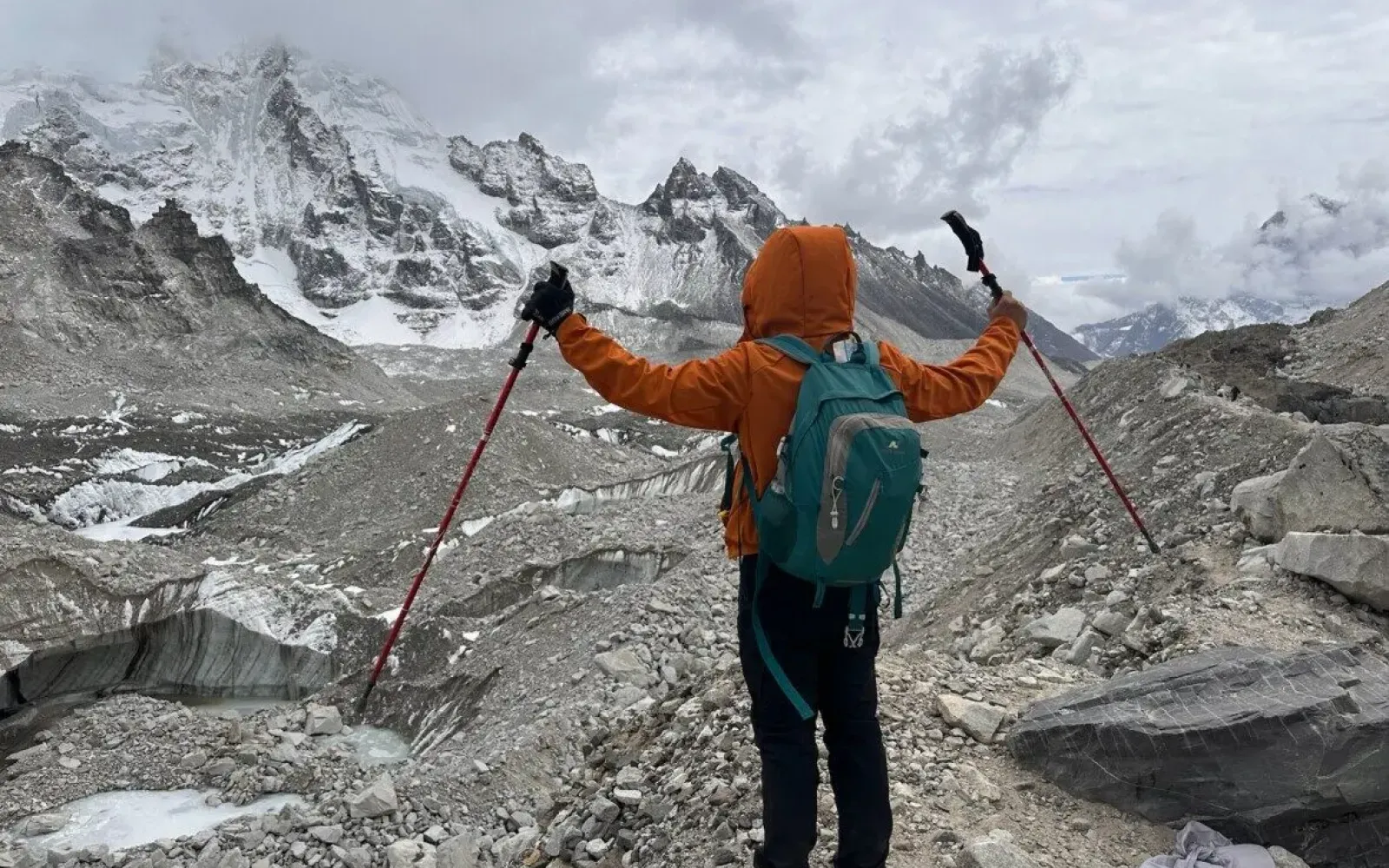
The Everest Base Camp (EBC) Trek is one of Nepal’s most iconic Himalayan adventures, combining dramatic mountain scenery, Sherpa culture, Buddhist monasteries, suspension bridges, and challenging high-altitude trails. For beginners, the trek is achievable with proper preparation, gradual acclimatization, sensible pacing, and the right support. The itinerary provided by Nepal Planet Treks & Expedition is structured over 14 days, beginning with arrival in Kathmandu and continuing through Lukla, Phakding, Namche Bazaar, Tengboche, Dingboche, Lobuche, Gorakshep, Everest Base Camp, Kala Patthar, and back to Lukla.
Success on the Everest Base Camp Trek is not simply about reaching the destination. It is about managing altitude, conserving energy, staying hydrated, eating well, listening to your body, and allowing sufficient time for acclimatization. The itinerary includes acclimatization days at Namche Bazaar and Dingboche, which are important for helping your body adapt to increasing elevation.
The Everest Base Camp Trek is a classic Himalayan journey through the Khumbu region of Nepal. The adventure begins with a flight from Kathmandu to Lukla, followed by trekking through villages and valleys surrounded by some of the world's highest mountains. Along the route, trekkers experience famous destinations such as Phakding, Namche Bazaar, Tengboche, Dingboche, Lobuche, and Gorakshep before reaching Everest Base Camp.
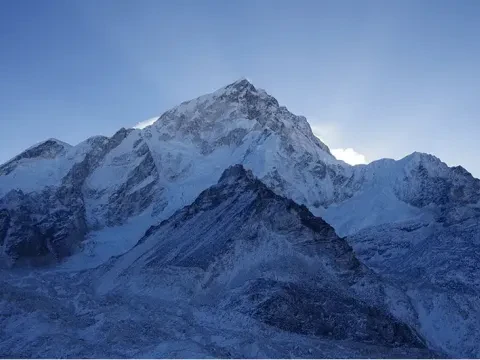
For first-time high-altitude trekkers, the route can initially seem demanding, but you do not need to be an experienced mountaineer to complete it. The major challenge is altitude rather than technical climbing. The trail contains long uphill and downhill sections, rocky paths, stone steps, suspension bridges, and increasingly thin air as you approach Everest Base Camp and Kala Patthar. A well-planned itinerary, such as the 14-day schedule operated by Nepal Planet Treks & Expedition, gives beginners time to adjust progressively to the altitude.
One of the greatest attractions of the Everest Base Camp Trek is its combination of spectacular Himalayan landscapes and authentic cultural experiences. The trail passes through traditional Sherpa settlements, Buddhist prayer wheels, colorful prayer flags, monasteries, and high mountain valleys. Namche Bazaar provides an especially memorable introduction to the Khumbu region, while Tengboche is renowned for its monastery and panoramic mountain surroundings.
The trek also offers increasingly dramatic views as you gain elevation. From the lower valleys to the high settlements around Lobuche and Gorakshep, the scenery changes constantly. The journey culminates with a visit to Everest Base Camp and an early-morning hike to Kala Patthar, where trekkers can enjoy exceptional views of Mount Everest and surrounding Himalayan peaks.
Why beginners choose this trek:
The best seasons for the Everest Base Camp Trek are generally spring (March to May) and autumn (September to November). These periods usually offer favorable trekking conditions, clearer mountain views, and relatively stable weather. Spring brings warmer temperatures and blooming rhododendrons at lower elevations, while autumn is particularly popular because of clear skies following the monsoon season.
Winter trekking is possible for experienced and well-prepared trekkers, but temperatures can become extremely cold at higher elevations, and snow may make some sections more difficult. The monsoon season can bring rain, clouds, slippery trails, and flight disruptions around Lukla. Beginners should therefore carefully consider seasonal conditions when selecting their departure date.
Best-season tips:
Physical preparation is one of the most important parts of a successful EBC experience. Beginners should ideally begin training several weeks or months before the trek. Focus on endurance rather than trying to build maximum strength. Regular walking, hiking, stair climbing, cycling, and moderate cardiovascular exercise can help prepare your body for several consecutive days of trekking.
It is also useful to practice walking with a backpack before arriving in Nepal. Your trekking days may last several hours, and the trail includes repeated ascents and descents. Good preparation helps you maintain energy throughout the journey and reduces the likelihood that ordinary physical fatigue will become overwhelming at higher elevations.
Preparation checklist:
The Everest Base Camp Trek is generally considered a challenging trek rather than a technical mountaineering expedition. Beginners can complete it, but they should not underestimate the demands of high altitude. The route rises from approximately 1,300 meters in Kathmandu to more than 5,300 meters at Everest Base Camp, while Kala Patthar reaches roughly 5,550 meters. At these elevations, reduced oxygen availability makes even ordinary walking more tiring.
The itinerary includes important acclimatization stops at Namche Bazaar and Dingboche. These rest days are not wasted days; they are an essential part of the trek. The short acclimatization walks allow trekkers to gain some additional elevation while returning to sleep at the same altitude, helping the body adapt progressively.
Key difficulty factors:
Physical preparation is one of the most important steps for beginners planning the Everest Base Camp Trek. Although the trek does not require technical mountaineering skills, you will walk for several hours on consecutive days, often on steep, rocky, and uneven trails. The route also reaches elevations above 5,000 meters, where reduced oxygen can make normal physical activity considerably harder. Nepal Planet Treks & Expedition recommends preparing gradually so your body becomes comfortable with long-distance walking and sustained uphill movement.
Start your training several weeks or, ideally, a few months before the trek. Regular hiking is particularly useful because it allows you to practice walking uphill and downhill while carrying a backpack. Combine hiking with cardiovascular activities and strength exercises for your legs and core. The objective is not to become an elite athlete but to develop endurance, balance, and the ability to recover between trekking days.
Training tips for beginners:
Mental preparation is just as important as physical fitness when undertaking the Everest Base Camp Trek. The journey can involve long walking days, cold temperatures, basic mountain facilities, changing weather, tired legs, and unfamiliar high-altitude conditions. There may also be moments when the trail feels harder than expected. Maintaining a positive and patient mindset can make a significant difference in how you experience the trek.
Beginners should understand that trekking in the Himalayas is not a race. Your progress may be slower at higher elevations, and some days may feel considerably more difficult than others. Focus on reaching the next village, rest point, or overnight destination rather than thinking constantly about the entire route. The experienced trekking team at Nepal Planet Treks & Expedition can help you manage the pace and daily challenges while you concentrate on enjoying the journey.
Mental-strength tips:
Packing correctly can make the Everest Base Camp Trek significantly more comfortable. Since you will encounter different temperatures as you move from Kathmandu and Lukla toward the high Khumbu, clothing should be based on a layering system. Instead of relying on one extremely thick garment, bring several layers that can be added or removed according to the weather and activity level.
Avoid overpacking because carrying unnecessary weight can make long uphill sections much more tiring. Your trekking company and porter arrangements may determine how much luggage you personally carry each day, but you should still keep your essential daypack manageable. Nepal Planet Treks & Expedition can provide guidance on what equipment is appropriate for the season and itinerary.
Essential packing items:
The right trekking gear should prioritize comfort, protection, durability, and suitability for changing Himalayan weather. Good footwear is particularly important because the route includes rocky paths, stone steps, steep sections, and potentially wet or snowy surfaces. Your boots should be comfortable, properly fitted, and well broken in before the trek begins. New boots worn for the first time in the Himalayas can cause painful blisters and foot problems.
Layering is the most practical clothing strategy for the Everest Base Camp route. A moisture-wicking base layer helps manage sweat, an insulating layer provides warmth, and an outer waterproof layer protects against wind and precipitation. At lower elevations, you may feel comfortable in relatively light clothing, while mornings and evenings around Lobuche and Gorakshep can be much colder.
Gear-selection tips:
Altitude acclimatization is one of the most important factors in a successful Everest Base Camp Trek. As the itinerary climbs from Kathmandu at approximately 1,300 meters to Namche Bazaar, Dingboche, Lobuche, Gorakshep, and Everest Base Camp, the amount of available oxygen decreases. This can cause headaches, tiredness, shortness of breath, nausea, dizziness, or other symptoms associated with altitude sickness.
The itinerary arranged by Nepal Planet Treks & Expedition includes acclimatization days at Namche Bazaar and Dingboche. These pauses allow trekkers to adjust to the increasing elevation before continuing toward the higher parts of the Khumbu. During acclimatization days, a short hike is generally preferable to remaining completely inactive, provided you feel well enough and follow your guide's recommendations.
Important acclimatization tips:
Altitude sickness is one of the main concerns for beginners trekking to Everest Base Camp because the route reaches elevations above 5,000 meters. As altitude increases, the air contains less available oxygen, and your body needs time to adjust. Common symptoms of mild altitude sickness can include headache, tiredness, dizziness, nausea, and difficulty sleeping. A gradual itinerary with planned acclimatization days is therefore essential.
The 14-day itinerary provided by Nepal Planet Treks & Expedition includes acclimatization stops at Namche Bazaar and Dingboche before continuing toward Lobuche, Gorakshep, and Everest Base Camp. Walk at a comfortable pace, avoid rushing to gain elevation, stay hydrated, and tell your guide immediately if you develop symptoms. If symptoms become severe or worsen, descending to a lower elevation is an important safety measure.
Altitude-safety tips:
Proper hydration and nutrition can help you maintain energy throughout the Everest Base Camp Trek. Long walking days, dry mountain air, cold weather, and increased physical exertion can contribute to dehydration. You may also lose your appetite as you gain elevation, but your body still needs sufficient calories to support several hours of daily trekking.
Choose meals that provide a combination of carbohydrates, protein, and healthy fats. Local teahouse meals such as dal bhat, soups, rice, vegetables, noodles, and other simple dishes can provide useful energy during the trek. Carry convenient snacks such as energy bars, nuts, dried fruit, or chocolate for additional calories while walking. Nepal Planet Treks & Expedition can also help you understand the food and water arrangements available along the route.
Hydration and nutrition tips:
Choosing an appropriate itinerary is particularly important for beginners because the Everest Base Camp route involves significant elevation gain. A good itinerary should provide enough time for gradual ascent and acclimatization rather than trying to reach higher elevations as quickly as possible. The 14-day itinerary with Nepal Planet Treks & Expedition provides dedicated acclimatization days at Namche Bazaar and Dingboche and includes the major highlights of the classic route.
The itinerary also allows trekkers to experience the journey progressively, from Kathmandu and Lukla through Phakding, Namche Bazaar, Tengboche, Dingboche, Lobuche, and Gorakshep before reaching Everest Base Camp. The return journey through the Khumbu provides a different perspective of the landscape. Beginners should also remember that mountain weather can affect Lukla flights, so maintaining some flexibility is beneficial.
Itinerary-selection tips:
Walking for five to eight hours on Himalayan trails requires patience and efficient pacing. The Everest Base Camp route includes steep climbs, descents, rocky paths, suspension bridges, and stone steps. Beginners often make the mistake of walking too quickly at the beginning of the day and becoming exhausted later. A slow, steady pace is generally more sustainable.
Take short breaks when necessary, but avoid turning every difficult section into a long stop. Adjust your pace according to altitude and terrain rather than trying to maintain your normal walking speed from home. Trekking poles can provide additional stability, particularly on descents and uneven surfaces. Nepal Planet Treks & Expedition guides can help establish a suitable pace based on the group and daily conditions.
Long-distance walking tips:
Choosing a reliable trekking agency can make a major difference to the overall Everest Base Camp experience, particularly for first-time visitors to Nepal. A professional agency should provide clear information about the itinerary, accommodation, transportation, permits, guide and porter arrangements, safety procedures, and what is included in the trekking package. Before booking, beginners should understand the full program rather than choosing an itinerary based only on price.
Nepal Planet Treks & Expedition can be considered as the trekking company for organizing this Everest Base Camp journey. When selecting an agency, look for experienced trekking staff, clear communication, responsible safety practices, appropriate acclimatization planning, and transparent terms. It is also useful to ask questions about emergency procedures, guide experience, porter welfare, travel insurance requirements, and contingency arrangements for weather-related delays.
Tips for selecting a trekking agency:
Accommodation on the Everest Base Camp Trek is generally provided in mountain teahouses and lodges along the trail. These are simple but comfortable establishments where trekkers can sleep, eat, rest, and meet other travelers. Rooms are typically basic, with beds and blankets, while bathrooms may be shared depending on the location. As you climb higher toward Lobuche and Gorakshep, facilities can become more limited because of the remote environment and colder conditions.
For beginners trekking with Nepal Planet Treks & Expedition, it is useful to expect a traditional mountain experience rather than hotel-style accommodation. Booking arrangements in advance can be particularly helpful during the busy spring and autumn seasons. Keep a sleeping bag suitable for the expected temperatures and carry a small personal hygiene kit because facilities become increasingly basic at higher elevations.
Teahouse tips:
Planning your budget before the Everest Base Camp Trek helps prevent financial surprises during the journey. Your overall expenses may include international travel, Nepal entry requirements, trekking permits, Lukla flights, accommodation, meals, guide and porter services, travel insurance, equipment, tips, personal purchases, and emergency expenses. The exact cost depends on the trekking package, season, services, and personal spending habits.
When organizing the trek with Nepal Planet Treks & Expedition, ask for a clear breakdown of what is included and excluded from the package. Keep some additional Nepalese currency available because card and digital payment facilities can become limited as you move deeper into the Khumbu. A contingency budget is particularly useful because weather-related flight changes or unexpected delays can increase expenses.
Budget-planning tips:
Safety should remain the highest priority throughout the Everest Base Camp Trek. The combination of high altitude, unpredictable weather, rugged terrain, and long walking days requires sensible decision-making. Stay with your trekking group, follow your guide's instructions, and avoid taking unnecessary risks to reach a particular viewpoint or destination.
Weather conditions can change quickly in the Himalayas, and flight schedules between Kathmandu and Lukla can also be affected. Your itinerary should therefore have some flexibility. Nepal Planet Treks & Expedition can help coordinate the trekking logistics, but every trekker should also take personal responsibility for following safety procedures and communicating honestly about how they feel.
Essential safety tips:
One of the most common beginner mistakes is underestimating the effects of altitude. A person who is physically fit at sea level can still experience difficulty above 4,000 meters. Trying to walk too quickly, skipping acclimatization days, or ignoring early symptoms can turn a manageable challenge into a serious problem. The best strategy is to maintain a steady pace and allow your body time to adapt.
Another common mistake is packing either too much or too little. Carrying excessive luggage can make every uphill section harder, while insufficient warm clothing can create problems at higher elevations. Beginners should also avoid treating the trek as a competition. The objective is to enjoy the Himalayan journey safely and reach Everest Base Camp with enough energy to appreciate the experience.
Mistakes to avoid:
A successful Everest Base Camp Trek begins long before you arrive in Lukla. Prepare your body with regular walking and hiking, learn how to use your trekking equipment, organize appropriate clothing, and understand the challenges of high altitude. Once on the trail, focus on gradual progress rather than speed. The 14-day itinerary with Nepal Planet Treks & Expedition provides an organized route through the major Khumbu destinations, including acclimatization stops at Namche Bazaar and Dingboche.
Most importantly, approach the trek with patience, flexibility, and respect for the mountain environment. Listen to your guide, pay attention to your physical condition, stay hydrated, eat well, and accept that weather or trail conditions may occasionally require changes to the schedule. With thoughtful preparation and a responsible approach, beginners can enjoy an unforgettable Himalayan adventure toward Everest Base Camp.
Final success checklist:
Our travel experts are ready to assist you with any questions.
Send us a message.
Spiritual Trekking Nepal invites you to walk slowly, breathe deeply, and connect with ancient wisdom hidden in the heart of the Himalayas. Far from the crowded Everest routes, these sacred paths lead to transformation — not just in your body, but your spirit.
Nepal is a dream destination for trekkers from all around the world. With its iconic Himalayan peaks, serene landscapes, and welcoming local communities, it offers a wide array of trekking routes ranging from easy day hikes to challenging high-altitude expeditions. One key factor that ensures a safe, enjoyable, and enriching experience is
The best trekking agency in Nepal, Nepal Planet Treks, is trusted by adventurers worldwide for safe, affordable, and unforgettable Himalayan journeys. From Everest Base Camp to Annapurna and hidden gems like Manaslu and Mustang, Nepal Planet Treks offers expert-guided treks that combine breathtaking scenery, authentic cultural
Have a question before you book? Send your enquiry below and our travel experts will get back with the required information.