Join our fixed departure treks.  4.9 of 528 reviews
  4.8 of 214 reviews
4.9 of 528 reviews 4.8 of 214 reviews 
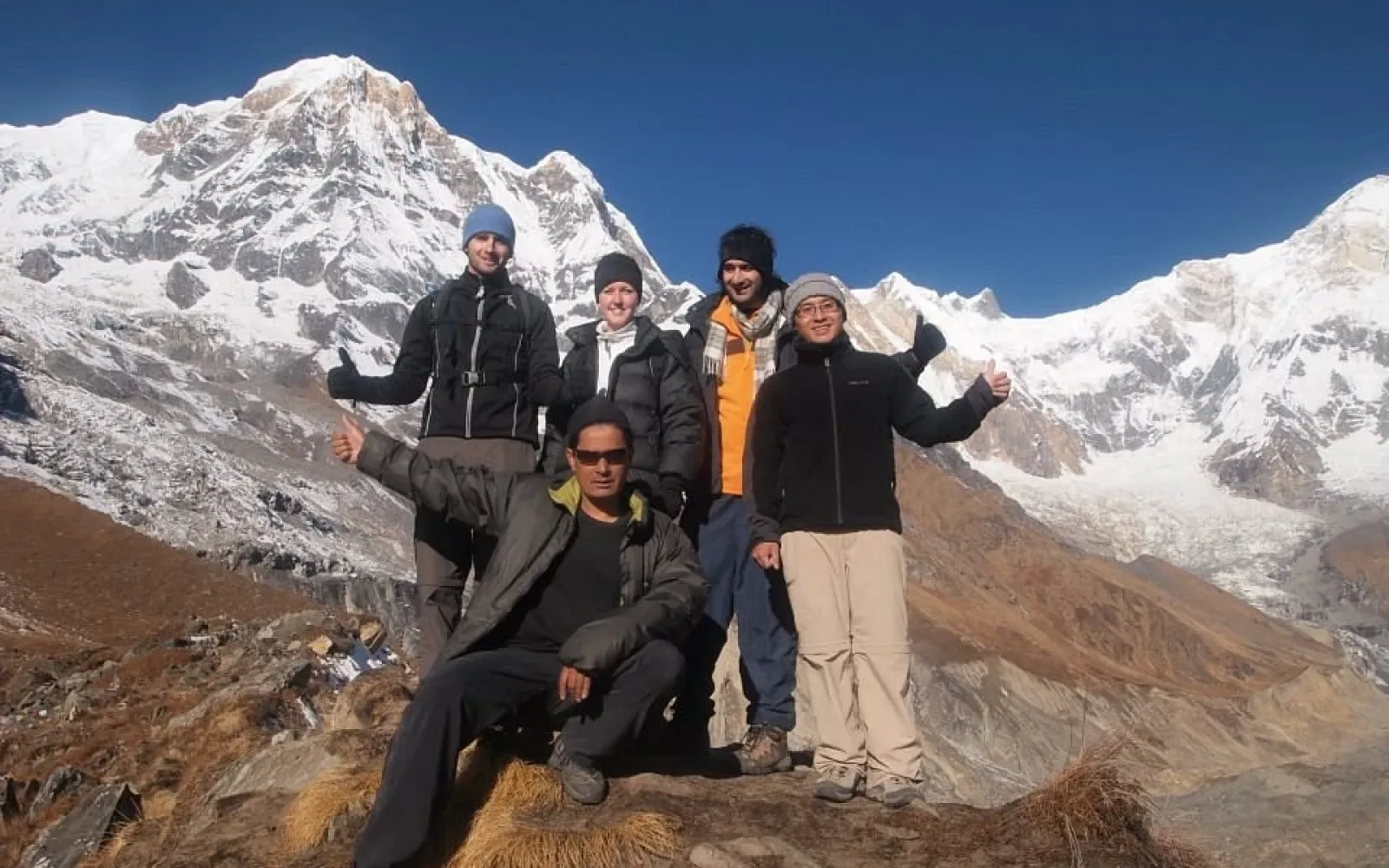
The Annapurna Base Camp Trek in Nepal is one of the most popular Himalayan trekking adventures, offering spectacular mountain views, traditional Gurung and Magar villages, lush rhododendron forests, cascading waterfalls, and breathtaking alpine landscapes. Located in the Annapurna region of Nepal, this trek takes you to Annapurna Base Camp (4,130 meters), where you can experience the magnificent Annapurna mountain range surrounded by towering Himalayan peaks. The journey combines natural beauty, cultural experiences, and rewarding walking trails, making it an excellent choice for trekkers seeking an unforgettable adventure in the Himalayas.
Nepal Planet Treks & Expedition offers trekking services designed to help travelers explore the Annapurna region safely and comfortably. With a well-planned itinerary, experienced trekking guides, accommodation arrangements, and transportation support, trekkers can enjoy the journey while focusing on the scenery and cultural experiences. Whether you are traveling alone, with friends, or as part of a group, the Annapurna Base Camp Trek provides a memorable introduction to Nepal's mountain wilderness.
The trek generally takes 10–14 days, depending on the chosen route, transportation arrangements, and acclimatization preferences. The itinerary presented in this guide covers 14 days, beginning in Kathmandu and ending with your final departure from Nepal.
The Annapurna Base Camp Trek is a remarkable journey through one of Nepal's most scenic mountain regions. The trail passes through beautiful settlements, terraced farmland, subtropical forests, and traditional mountain villages before gradually climbing into the spectacular Annapurna Sanctuary. Along the way, trekkers can enjoy panoramic views of Annapurna South, Machhapuchhre (Fishtail), Hiunchuli, and other impressive Himalayan peaks.
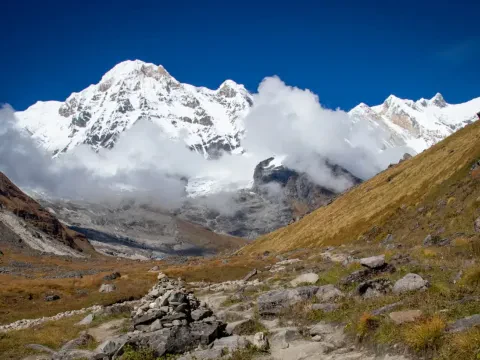
Unlike some longer Himalayan expeditions, the Annapurna Base Camp Trek does not require mountaineering or technical climbing skills. However, it involves several days of walking, steep stone staircases, uphill climbs, and changes in altitude. Good physical fitness, suitable trekking equipment, and a carefully planned itinerary are important for completing the journey comfortably.
With Nepal Planet Treks & Expedition, travelers can organize transportation, trekking permits, guide services, accommodation, and other essential arrangements according to their travel preferences. The company can also help trekkers select a suitable itinerary based on their available time, fitness level, and preferred travel style.
The Annapurna region is also famous for its welcoming communities and cultural diversity. Visitors can experience traditional Nepali hospitality, local cuisine, Buddhist prayer flags, mountain lodges, and village life while exploring the natural environment of the Himalayas.
What makes this trek special?
The Annapurna Base Camp Trek is an excellent choice for travelers who want to experience Nepal's Himalayan beauty within a relatively manageable timeframe. The route offers a remarkable variety of landscapes, from the green hills around Pokhara to the rugged mountain terrain surrounding the base camp. Every trekking day brings different scenery, making the journey as rewarding as the final destination.
Another reason to choose this trek is its combination of natural attractions and cultural experiences. Trekkers walk through traditional settlements, interact with local communities, and enjoy regional food while discovering the lifestyle of people living in the Annapurna foothills. The route also offers opportunities to experience mountain sunrises, forest trails, and peaceful Himalayan surroundings.
The trek is suitable for travelers who enjoy outdoor adventures and are willing to prepare physically before departure. Although it is accessible to many fit beginners, the daily walking distances, steep ascents and descents, and high elevation make preparation essential. A gradual itinerary and an experienced guide can help improve comfort and safety.
Booking with Nepal Planet Treks & Expedition can simplify the planning process by coordinating trekking logistics and providing guidance about equipment, permits, accommodation, and local conditions. Travelers can discuss their preferred pace and requirements before choosing a package.
Top reasons to choose the Annapurna Base Camp Trek:
The Annapurna Base Camp Trek features several memorable attractions, beginning with the lakeside city of Pokhara. Known for its beautiful mountain backdrop and peaceful atmosphere, Pokhara is a popular starting point for trekking in the Annapurna region. From there, the trail passes through traditional villages, terraced fields, and forested hills before entering the dramatic landscapes of the Annapurna Sanctuary.
One of the most famous stops is Ghorepani, where trekkers can visit Poon Hill for an unforgettable sunrise over the Himalayas. The viewpoint is particularly popular for its panoramic views of the Annapurna and Dhaulagiri ranges. Continuing through Tadapani and Chhomrong, the trail gradually leads into the Modi Khola valley, surrounded by increasingly impressive mountain scenery.
The journey's main destination is Annapurna Base Camp at 4,130 meters. Here, trekkers enter a spectacular natural amphitheater surrounded by towering Himalayan peaks. The changing light on the snow-covered mountains, especially during sunrise and sunset in favorable weather, creates one of the most memorable experiences of the trek.
Major highlights include:
Together, these attractions make the Annapurna Base Camp Trek a complete Himalayan experience combining mountain scenery, village culture, forest trails, and high-altitude adventure.
The cost of the Annapurna Base Camp Trek depends on the length of the trip, group size, accommodation preferences, transportation choices, guide and porter services, and the services included in the trekking package. Travelers can choose a budget-friendly teahouse trek or a more comprehensive package that includes hotels, private transportation, meals, permits, and professional trekking support.
For a standard 14-day itinerary organized by Nepal Planet Treks & Expedition, an indicative budget is approximately US$700–US$1,400 per person for a guided group or standard trekking package. This is a planning estimate rather than a confirmed company quotation; the final price should be verified with the company based on your dates, group size, and included services.
Travelers should also consider personal expenses such as snacks, hot showers, charging electronic devices, Wi-Fi, bottled drinks where available, and tips for guides and porters. These costs can add up during a multi-day trek, particularly at higher elevations, where supplies are more expensive to transport.
Estimated cost breakdown:
These figures are indicative budgeting ranges, not a fixed quotation. Actual expenses depend on the season, service standards, transportation type, duration, and current permit requirements. The categories may overlap with inclusions in an organized package, so they should not simply be added to a package price.
What may be included in a trekking package?
What is commonly excluded?
Before booking, ask Nepal Planet Treks & Expedition for a detailed written quotation specifying all inclusions, exclusions, group-size arrangements, cancellation terms, and emergency support provisions.
The following 14-day Annapurna Base Camp Trek itinerary combines cultural exploration, scenic mountain walks, and a gradual journey into the Annapurna Sanctuary. It begins in Kathmandu, continues through Pokhara and the traditional trekking villages, and reaches Annapurna Base Camp at 4,130 meters before returning to Pokhara and Kathmandu.
The itinerary is designed for trekkers who want to experience both Poon Hill and Annapurna Base Camp on the same trip. Daily walking times can vary depending on weather, trail conditions, fitness levels, and the pace of the group. The itinerary should remain flexible enough to accommodate rest, changing conditions, and altitude-related concerns.
As your Annapurna Base Camp Trek comes to an end, take home wonderful memories of Himalayan landscapes, traditional villages, and the hospitality of Nepal. Thank you for traveling with Nepal Planet Treks & Expedition, and we hope to welcome you on another adventure in the future.
Important itinerary note: This route combines Poon Hill with Annapurna Base Camp and includes several substantial walking days. The guide may adjust overnight stops or walking stages according to weather, trail conditions, group fitness, and altitude safety. The listed elevations are approximate, and the actual route and transportation arrangements should be confirmed before departure.
The Annapurna Base Camp Trek in Nepal is generally considered a moderate to challenging trekking adventure, suitable for travelers with reasonable physical fitness and a willingness to walk for several consecutive days. The route passes through traditional villages, dense forests, steep stone staircases, river valleys, and rugged mountain terrain before reaching Annapurna Base Camp at 4,130 meters. Although technical climbing skills are not normally required, trekkers should be prepared for long walking days, significant elevation changes, and occasional challenging weather conditions.
One of the main challenges is the continuous ascent and descent along the trail. Sections between Tikhedhunga and Ghorepani involve steep stone steps, while the route beyond Chhomrong includes repeated uphill and downhill stretches. As the trail climbs toward Machhapuchhre Base Camp and Annapurna Base Camp, the air becomes thinner, temperatures drop, and physical exertion becomes more demanding. Proper acclimatization, hydration, a steady walking pace, and appropriate trekking equipment are essential for a safe and enjoyable journey.
Nepal Planet Treks & Expedition can help trekkers prepare for these challenges by arranging experienced trekking guides, suitable accommodation, and a well-organized itinerary. Beginners are encouraged to develop their fitness before departure and discuss any concerns about altitude, walking ability, or previous trekking experience with their trekking company.
Main Factors That Affect Trekking Difficulty
Start preparing four to eight weeks before your trip, if possible. Regular walking, hiking, stair climbing, cycling, and other cardiovascular activities can help improve endurance. Practice walking uphill and downhill while carrying a light backpack to become familiar with trekking conditions.
During the trek, walk slowly at higher elevations, drink fluids regularly, eat sufficient meals, and inform your guide immediately if you develop symptoms such as headache, nausea, dizziness, or unusual fatigue. Severe symptoms, including confusion, difficulty walking straight, or breathlessness at rest, require urgent descent and medical assistance. Never continue ascending when experiencing suspected altitude sickness.
Recommended preparation checklist:
With sensible preparation and a flexible itinerary from Nepal Planet Treks & Expedition, many reasonably fit travelers can enjoy the Annapurna Base Camp Trek without technical mountaineering experience.
Choosing the right season is an important part of planning the Annapurna Base Camp Trek. Weather conditions influence mountain visibility, trail quality, temperatures, and the overall trekking experience. The two most popular trekking seasons are spring, from March to May, and autumn, from September to November. These periods generally offer favorable conditions, although weather can change quickly in the mountains.
Spring is especially attractive because rhododendron forests bloom in beautiful shades of red, pink, and white, creating colorful landscapes along sections of the trail. Temperatures are generally comfortable at lower elevations, and the days become longer as the season progresses. Autumn is another excellent choice because the monsoon rains usually leave the surrounding landscapes fresh and the mountain views often clear. September can still experience lingering rainfall, while October and November are frequently preferred for stable trekking conditions.
Winter and monsoon trekking are also possible, but they require more flexibility and careful preparation. Winter can bring freezing temperatures and snow at higher elevations, while the monsoon season often brings rain, muddy trails, leeches at lower elevations, and cloudy mountain views. Nepal Planet Treks & Expedition can help travelers choose appropriate departure dates based on their preferences, weather conditions, and available time.
Spring Season: March to May
Spring is one of the best times to explore the Annapurna region. Forests become colorful with blooming rhododendrons, and moderate temperatures make walking more comfortable at lower and middle elevations. The higher sections can still be cold, particularly early in the morning and at night.
Spring trekking highlights:
Autumn Season: September to November
Autumn is widely considered one of the best seasons for the Annapurna Base Camp Trek. Following the monsoon, the landscapes are often green and fresh, and mountain visibility is frequently excellent. October and November are especially popular, so arranging accommodation and trekking services in advance is advisable.
Autumn trekking highlights:
Winter Season: December to February
Winter offers quieter trails and a peaceful mountain atmosphere, but temperatures can fall well below freezing at Annapurna Base Camp. Snowfall may affect higher sections of the route, and icy paths can increase the risk of slips and falls. Trekkers choosing this season should carry suitable cold-weather equipment and remain flexible about their itinerary.
Winter considerations:
Monsoon Season: June to August
The monsoon season brings heavy rainfall to much of Nepal, particularly at lower elevations. Trails can become muddy and slippery, and landslides may disrupt road transportation. Clouds can also obscure mountain views, although the region remains lush and green.
Monsoon considerations:
Which Month Is Best for the Annapurna Base Camp Trek?
For many travelers, October and November are excellent choices because of generally favorable weather and impressive mountain visibility. March and April are also highly recommended for their pleasant trekking conditions and flowering forests.
The best departure date ultimately depends on your priorities. If you prefer colorful forests, consider spring; if you prioritize clear mountain views, autumn is an excellent option. Nepal Planet Treks & Expedition can help you select a suitable trekking period and prepare for seasonal conditions.
The Annapurna Base Camp Trek combines mountain walking with scenic drives between Kathmandu, Pokhara, and the trekking trailhead. The total walking distance depends on the selected route, road access, overnight stops, and any additional side trips. For the 14-day itinerary that includes Poon Hill, trekkers should generally plan for approximately 70–90 kilometers of walking, although the exact distance can vary with trail and transportation arrangements.
The trek begins at relatively low elevations around the Nayapul area and gradually climbs through villages such as Tikhedhunga, Ghorepani, Tadapani, and Chhomrong. The route then follows the Modi Khola valley toward Dovan and Machhapuchhre Base Camp before reaching Annapurna Base Camp at 4,130 meters. The return journey follows the valley downhill toward Bamboo and Jhinu Danda before continuing to the roadhead and returning to Pokhara.
Elevation gain and loss are significant features of this trek. Even though Annapurna Base Camp is the highest point of the itinerary, trekkers experience several steep ascents and descents along the way. A gradual walking pace and sensible overnight stops are important because altitude-related problems can develop even in physically fit individuals.
Nepal Planet Treks & Expedition can organize the itinerary around your fitness level, preferred pace, and available travel days. Travelers should confirm the planned trailhead, overnight stops, walking distances, and transportation arrangements before booking because road access and local conditions may change.
Trek Distance and Duration at a Glance
Important Elevations Along the Route
Elevations are approximate and may differ slightly between maps, lodges, and GPS readings.
Why Is Altitude Important on This Trek?
As you climb above 2,500 meters, the risk of acute mountain sickness increases. Annapurna Base Camp is high enough that trekkers should pay attention to symptoms and avoid ascending too quickly. Headache, nausea, dizziness, and unusual fatigue can be warning signs of altitude sickness.
A well-planned itinerary, appropriate hydration, adequate food, and gradual ascent can help reduce risk, although they cannot eliminate it. Follow your guide's advice, avoid strenuous rushing at high elevations, and descend promptly if symptoms worsen. Nepal Planet Treks & Expedition should be informed of any health concerns before the trip so the itinerary and support arrangements can be discussed in advance.
Before starting the Annapurna Base Camp Trek, travelers need to check the current trekking permit requirements and applicable entry rules. Permit regulations and fees can change, so it is important to confirm the latest requirements with the relevant Nepalese authorities or a registered trekking agency before departure.
The Annapurna Base Camp route lies within the Annapurna Conservation Area. Trekkers have traditionally needed an Annapurna Conservation Area Permit (ACAP), and a valid passport is normally required for permit processing. Depending on the current regulations and the way the trek is organized, additional requirements may apply. The need for a trekking guide and any applicable registration or documentation should be confirmed before travel rather than assumed from older trekking information.
Nepal Planet Treks & Expedition can assist with checking the necessary documentation and arranging applicable permits for its trekking clients. When booking, ask the company to confirm which permits are included in the package, what documents you need to provide, and whether any additional charges apply.
Common Documents and Requirements
Permit Arrangements and Fees
Permit charges may differ for Nepali citizens, foreign nationals, and travelers from certain countries. Because fees and procedures can change, avoid relying exclusively on older online price lists. Confirm the current ACAP fee and any other applicable charges before departure.
When booking through Nepal Planet Treks & Expedition, request a written breakdown showing the permits and administrative services included in the trekking package. This helps you understand what you have paid for and avoid unexpected costs.
Responsible Trekking in the Annapurna Conservation Area
The Annapurna region is home to diverse wildlife, forests, rivers, and traditional communities. Trekkers should follow designated trails, respect local customs, avoid littering, and use water responsibly. Choosing locally operated accommodation and services also helps support mountain communities.
Responsible trekking practices include:
Preparing the correct documents in advance allows you to focus on the scenery and cultural experiences of the Annapurna Base Camp Trek rather than administrative concerns.
Accommodation along the Annapurna Base Camp Trek is primarily provided by teahouses and mountain lodges. These establishments are found in villages such as Tikhedhunga, Ghorepani, Tadapani, Chhomrong, Dovan, Bamboo, and the Machhapuchhre Base Camp and Annapurna Base Camp areas. Facilities vary depending on location, season, and lodge availability, but most provide a bed, blankets, shared or private bathrooms where available, and a communal dining area.
In Kathmandu and Pokhara, trekkers generally stay in hotels with a wider range of facilities. Once the trekking begins, accommodation becomes simpler, particularly at higher elevations where supplies must be transported along mountain trails. Private rooms may be available at lower elevations, while shared bathrooms and basic rooms are common in some locations. During busy spring and autumn periods, booking arrangements and flexibility can help secure suitable accommodation.
Nepal Planet Treks & Expedition can arrange accommodation according to the selected package, group size, and availability. Before booking, confirm whether Kathmandu and Pokhara hotels, trekking teahouses, meals, and any required room upgrades are included in the quoted price.
Accommodation Along the Trek
Food and Meals on the Annapurna Base Camp Trek
Food is generally available at teahouses along the route. Menus commonly feature Nepali dishes, rice, noodles, soups, potatoes, eggs, pancakes, porridge, and other simple meals. Dal bhat, a traditional combination of rice, lentil soup, vegetables, and accompanying dishes, is a popular choice because it provides energy for long trekking days.
At lower elevations, menus may offer a wider selection, while choices can become more limited as you climb higher. Prices typically increase with elevation because food and other supplies are more difficult to transport. Trekkers should eat regular meals, carry a few high-energy snacks, and drink enough safe water throughout the day.
Popular Foods Available During the Trek
Drinking Water and Food Safety
Safe drinking water is essential throughout the trek. Trekkers can purchase bottled water where available or use treated water from suitable sources. Water purification tablets, a suitable filter, or another reliable treatment method can help reduce the need to buy disposable plastic bottles. Always follow local advice about water sources and treatment.
Eat freshly prepared food where possible, wash or sanitize your hands before meals, and avoid untreated water. If you have dietary restrictions, allergies, or specific food preferences, inform Nepal Planet Treks & Expedition before the trip so suitable arrangements can be discussed with the guide and teahouses.
What Should You Expect at Higher Elevations?
At Machhapuchhre Base Camp and Annapurna Base Camp, accommodation and dining facilities are more basic than those in Kathmandu and Pokhara. Temperatures can be very cold, particularly overnight, and charging facilities, hot showers, Wi-Fi, and other services may be limited or available for an additional fee.
Useful items to bring include:
With realistic expectations and appropriate preparation, teahouse accommodation and local food can become an enjoyable part of the Annapurna Base Camp Trek. Nepal Planet Treks & Expedition can explain the expected accommodation standard and meal arrangements before your departure so you know what is included in your chosen package.
Packing the right equipment is essential for a comfortable and safe Annapurna Base Camp Trek in Nepal. The route takes you from warm, low-altitude valleys to cold mountain environments at Annapurna Base Camp (4,130 meters), where temperatures can drop below freezing, especially at night. Weather conditions can change quickly, so trekkers should carry clothing that provides warmth, protects against rain and wind, and allows comfortable movement during long walking days.
Your packing list should focus on lightweight, practical, and reliable equipment. Carrying too much weight can make steep ascents and descents more difficult, particularly on the stone staircases between Tikhedhunga, Ghorepani, and Chhomrong. A layered clothing system, comfortable trekking boots, a suitable backpack, and basic emergency supplies will help you prepare for different trail conditions.
Nepal Planet Treks & Expedition can provide packing guidance before departure and help you understand which equipment is essential, optional, or available for rental in Kathmandu or Pokhara. Trekkers should check their equipment before starting the journey to ensure that boots fit properly, rain protection works, and warm clothing is sufficient for high-altitude conditions.
Clothing and Footwear
Trekking Equipment and Personal Essentials
A comfortable backpack with a rain cover is important for carrying daily essentials. If you hire a porter through Nepal Planet Treks & Expedition, you may carry only a daypack while the porter transports your main trekking bag, subject to the agreed service and weight limits.
Useful equipment includes trekking poles, a headlamp, a reusable water bottle, a power bank, and a sleeping bag suitable for cold mountain conditions. A headlamp is especially helpful for early-morning walks to Poon Hill and moving around teahouses at night.
Essential equipment checklist:
Personal Medical and Hygiene Supplies
A small personal first-aid kit can be useful for minor problems such as blisters, cuts, and headaches. Include any prescription medication you regularly use and consult a healthcare professional before taking medication intended to prevent or treat altitude sickness.
Pack sunscreen, lip balm with sun protection, hand sanitizer, tissues, and basic toiletries. Disposable waste should be minimized, and reusable products are preferable wherever practical.
Before leaving for the trek, check that you have:
A carefully planned packing list will help you enjoy the Annapurna Base Camp Trek with fewer unnecessary burdens. Nepal Planet Treks & Expedition can offer additional recommendations based on your travel season, trekking style, and the services included in your package.
Preparing for the Annapurna Base Camp Trek involves more than booking flights and packing equipment. The journey includes several consecutive days of walking, steep stone staircases, uneven trails, and a gradual ascent to 4,130 meters. Developing physical endurance, selecting appropriate equipment, and understanding the effects of altitude can make the trek more enjoyable and help you manage its challenges.
Most reasonably fit travelers can prepare for this trek without specialized mountaineering training. However, the ability to walk comfortably for several hours on consecutive days is important. If you have limited hiking experience, begin with shorter walks and gradually increase the distance, elevation gain, and time spent walking. Strengthening your legs and improving cardiovascular fitness can also help you manage long uphill and downhill sections.
Nepal Planet Treks & Expedition recommends that travelers discuss their fitness level, previous trekking experience, and preferred pace when arranging their itinerary. A realistic walking schedule, suitable equipment, and an understanding of the route can help you prepare confidently for the Annapurna region.
Physical Training Before the Trek
Ideally, begin preparing four to eight weeks before departure, or earlier if you are new to hiking. The goal is to improve endurance and make long walking days feel more manageable. Training should be gradual and consistent rather than excessively strenuous.
Walking on hills, climbing stairs, cycling, swimming, and other aerobic activities can help improve cardiovascular fitness. If possible, practice hiking with the backpack you intend to carry during the trek so that you become accustomed to its weight and fit.
Recommended training activities:
Mental Preparation and Trekking Expectations
The Annapurna Base Camp Trek can be physically demanding, particularly on steep staircases and during the descent from higher elevations. Some days may involve longer walking hours than expected because of weather, trail conditions, or the pace of the group. Preparing mentally for a gradual journey will help you remain patient and enjoy the experience.
It is also important to remain flexible. Mountain weather can change quickly, and transportation delays may affect the itinerary. Instead of rushing to reach a destination, maintain a comfortable pace, listen to your guide, and prioritize safety.
Helpful preparation tips:
Travel Documents and Practical Arrangements
Before traveling to Nepal, check your passport validity, visa requirements, insurance coverage, and any necessary trekking documentation. Confirm your international flights, hotel arrangements, and transportation between Kathmandu and Pokhara. It is also wise to share your itinerary and emergency contact details with a trusted person.
Ask Nepal Planet Treks & Expedition to clarify the package inclusions, guide and porter arrangements, meal provisions, accommodation standards, and cancellation policies. Understanding these details in advance helps you plan your budget and avoid unnecessary surprises.
With regular preparation and realistic expectations, the Annapurna Base Camp Trek can be a rewarding adventure for both first-time Himalayan trekkers and experienced hikers.
Altitude sickness is one of the most important safety considerations during the Annapurna Base Camp Trek. As you climb above approximately 2,500 meters, the reduced availability of oxygen can affect the body, particularly when the ascent is too rapid. Annapurna Base Camp sits at 4,130 meters, making it essential to understand the warning signs of altitude-related illness and take appropriate precautions.
Acute mountain sickness (AMS) can affect anyone, regardless of age or physical fitness. Common symptoms include headache, nausea, dizziness, loss of appetite, unusual tiredness, and difficulty sleeping. Symptoms may develop after reaching a higher elevation or during the night following an ascent. Never assume that strong physical fitness prevents altitude sickness.
Nepal Planet Treks & Expedition can help travelers plan their walking schedule and understand basic altitude precautions. However, guides and trekking staff cannot eliminate the risk of altitude sickness, so trekkers must communicate symptoms promptly and follow appropriate medical advice.
Common Symptoms of Altitude Sickness
Recognizing symptoms early is important because mild symptoms can sometimes progress into serious illness.
Watch for the following warning signs:
If you develop symptoms consistent with altitude sickness, stop ascending and inform your guide. Do not continue to a higher elevation until symptoms have resolved and it is safe to proceed. A healthcare professional should assess concerning or persistent symptoms.
Serious Altitude-Related Emergencies
High-altitude illness can occasionally become life-threatening. High-altitude cerebral edema (HACE) and high-altitude pulmonary edema (HAPE) require urgent medical attention and descent.
Emergency warning signs include:
If these symptoms occur, arrange immediate assistance, descend to a lower elevation as safely and quickly as possible, and seek urgent medical care. Do not leave the affected person alone or wait for symptoms to disappear. Emergency oxygen or medication may be needed under appropriate medical supervision, but these should not delay descent and evacuation.
How to Reduce the Risk of Altitude Sickness
A gradual ascent is one of the most important precautions. Avoid rushing through the itinerary or increasing sleeping elevation too quickly. Eat regular meals, drink fluids according to your needs, and avoid alcohol when acclimatizing. Overhydration is not beneficial, so drink enough to maintain normal hydration rather than forcing excessive amounts of water.
Essential altitude-safety practices:
General Safety Tips for the Annapurna Base Camp Trek
In addition to altitude awareness, trekkers should prepare for changing weather, uneven trails, and cold temperatures. Wear suitable footwear, use trekking poles if helpful, and carry waterproof clothing. During steep descents, take care on stone steps and slippery surfaces, especially after rain or snowfall.
Follow your guide's instructions and avoid walking alone in remote sections. Keep essential medication, drinking water, snacks, and a headlamp in your daypack. Inform your guide about any medical conditions or concerns before the trek.
With sensible preparation, good communication, and a willingness to adjust the itinerary when necessary, trekkers can reduce avoidable risks and enjoy the remarkable scenery of the Annapurna Sanctuary.
Choosing between a guided trek and an independent trekking arrangement depends on your experience, confidence, budget, and preferred style of travel. The Annapurna Base Camp Trek follows an established trail with teahouses along much of the route, but conditions can change because of weather, trail damage, and seasonal closures. A guide can provide local knowledge, cultural explanations, logistical support, and assistance when unexpected problems arise.
For first-time visitors to Nepal, a guided trek is often a convenient choice. An experienced guide can help coordinate accommodation, explain the route, monitor the group's progress, and communicate with local teahouses. A guide may also help identify possible altitude-related symptoms and coordinate assistance, although a guide is not a substitute for professional medical care.
Nepal Planet Treks & Expedition offers trekking arrangements for travelers who prefer organized support. Depending on the package, services may include a licensed trekking guide, porter support, accommodation arrangements, transportation, and permit assistance. Travelers should confirm which services are included before booking.
Advantages of Trekking With a Guide
A guide can make the journey more informative and help reduce the burden of planning each stage. This can be particularly helpful for travelers unfamiliar with Nepal, the local language, or high-altitude trekking.
Benefits of a guided trek include:
A porter can also carry part of your luggage if this service is arranged. This may make steep climbs and long walking days more comfortable, but trekkers should still carry their own water, warm layers, personal medication, and other essential items.
Can You Trek Annapurna Base Camp Without a Guide?
Independent trekking regulations in Nepal have changed over time, and requirements may differ according to the route and current government rules. Before attempting the Annapurna Base Camp Trek without a guide, verify the latest requirements with the Nepal Tourism Board, relevant authorities, or a registered trekking agency. Do not assume that older travel reports accurately reflect current regulations.
Even where an independent arrangement is permitted, trekkers must manage their own route planning, accommodation, permits, food budget, and contingency arrangements. Independent travel may suit experienced hikers who are comfortable navigating mountain trails and responding to changing conditions, but it does not remove the risks associated with altitude, weather, or injury.
Consider independent trekking only after assessing:
Which Option Is Best for You?
A guided trek is generally a practical choice for beginners, solo travelers seeking support, and visitors who prefer a well-organized holiday. Experienced trekkers may prefer greater independence, provided their plans comply with current regulations and they are prepared to manage the logistics and risks.
When booking with Nepal Planet Treks & Expedition, ask for a clear explanation of the guide's responsibilities, porter arrangements, group size, emergency procedures, and package inclusions. Comparing these details will help you select the arrangement that best suits your needs and budget.
Planning the Annapurna Base Camp Trek often raises questions about duration, cost, difficulty, permits, accommodation, and safety. Understanding these practical details before departure helps travelers make informed decisions and prepare for the journey.
Nepal Planet Treks & Expedition can assist with itinerary planning, transportation, trekking services, and other arrangements based on your travel dates and preferences. The following frequently asked questions provide a useful starting point for planning your Himalayan adventure.
How many days are needed for the Annapurna Base Camp Trek?
A typical Annapurna Base Camp Trek takes around 7–12 trekking days, depending on the route, starting point, walking pace, and whether Poon Hill is included. The 14-day itinerary in this guide includes arrival and departure days, travel between Kathmandu and Pokhara, and the combined Poon Hill and Annapurna Base Camp route.
How much does the Annapurna Base Camp Trek cost?
The cost depends on group size, accommodation, meals, transportation, guide and porter services, and permit requirements. A rough planning estimate for a standard guided 14-day trip is around US$700–US$1,400 per person, but this is not a confirmed quotation from Nepal Planet Treks & Expedition. Request a current package price with a written list of inclusions and exclusions.
What is the highest point of the Annapurna Base Camp Trek?
The highest point is Annapurna Base Camp at approximately 4,130 meters (13,550 feet) above sea level. At this elevation, trekkers should ascend gradually and remain alert to symptoms of altitude sickness.
Is the Annapurna Base Camp Trek suitable for beginners?
Yes, it can be suitable for beginners who have reasonable fitness and prepare adequately. However, the trek includes steep stone staircases, long walking days, and high-altitude conditions. Beginners should train before departure and choose an itinerary that allows a comfortable pace.
What is the best time to do the Annapurna Base Camp Trek?
Spring (March–May) and autumn (September–November) are generally the most popular seasons. March and April are known for blooming rhododendrons, while October and November often provide favorable mountain-viewing conditions. Weather can vary, so forecasts and local advice remain important.
Do I need a guide for the Annapurna Base Camp Trek?
A guide can provide route knowledge, logistical support, and assistance with local communication and safety concerns. Whether a guide is legally required should be confirmed under current Nepalese regulations before departure. Nepal Planet Treks & Expedition can explain available guided trekking options.
What permits are required for the Annapurna Base Camp Trek?
The Annapurna Conservation Area Permit has traditionally been required for this route. Other documentation or arrangements may apply depending on current regulations. Confirm the latest permit requirements and fees with the relevant authorities or your trekking company before starting.
Is altitude sickness a concern on the Annapurna Base Camp Trek?
Yes. Annapurna Base Camp is located at 4,130 meters, where altitude sickness can occur. Ascend gradually, report symptoms promptly, and never continue ascending when you have suspected altitude sickness. Severe symptoms require urgent descent and medical assistance.
What type of accommodation is available during the trek?
Trekkers generally stay in teahouses or mountain lodges along the route. Facilities are usually more basic at higher elevations, and private bathrooms, hot showers, Wi-Fi, and charging services may be limited or cost extra. Kathmandu and Pokhara offer a wider range of hotel options.
What food is available during the Annapurna Base Camp Trek?
Common meals include dal bhat, noodles, fried rice, soups, potatoes, eggs, pancakes, and porridge. Food choices may become more limited and expensive at higher elevations. Inform your trekking company in advance if you have allergies or special dietary requirements.
Can I trek to Annapurna Base Camp in winter?
Winter trekking is possible, but cold temperatures, snowfall, and icy trails can make the journey more challenging. You should carry suitable cold-weather equipment and remain flexible about your itinerary. Check current trail and weather conditions before departure.
Is travel insurance necessary for the Annapurna Base Camp Trek?
Travel insurance is strongly recommended. Choose a policy that specifically covers trekking at your planned altitude and emergency helicopter evacuation, if required. Check exclusions, altitude limits, and emergency assistance procedures before purchasing the policy.
Can I combine Poon Hill with the Annapurna Base Camp Trek?
Yes. The itinerary in this guide includes Ghorepani and Poon Hill before continuing toward Chhomrong and the Annapurna Sanctuary. This combination provides both panoramic sunrise views and the experience of reaching Annapurna Base Camp, although it involves additional walking.
How should I prepare physically for the trek?
Begin regular walking, hill training, stair climbing, and cardiovascular exercise four to eight weeks before departure if possible. Gradually increase the duration of your hikes and practice with a light backpack. Your preparation should reflect your current fitness level and previous trekking experience.
Why book the Annapurna Base Camp Trek with Nepal Planet Treks & Expedition?
Booking with Nepal Planet Treks & Expedition can simplify transportation arrangements, guide services, accommodation coordination, and permit planning, depending on the package selected. Before confirming your booking, request a detailed itinerary, current price, service inclusions, cancellation conditions, and information about emergency support.
Final Travel Advice
The Annapurna Base Camp Trek is an unforgettable Himalayan adventure that combines spectacular mountain scenery, traditional village life, and a rewarding journey into the Annapurna Sanctuary. Careful preparation, suitable equipment, appropriate acclimatization, and a realistic budget can help you make the most of your experience.
For a well-organized journey, contact Nepal Planet Treks & Expedition to discuss your travel dates, group size, preferred itinerary, and budget. Confirm current permit requirements, transportation arrangements, accommodation standards, and package inclusions before booking, and prepare to explore one of Nepal's most celebrated trekking destinations.
Our travel experts are ready to assist you with any questions.
Send us a message.Have a question before you book? Send your enquiry below and our travel experts will get back with the required information.