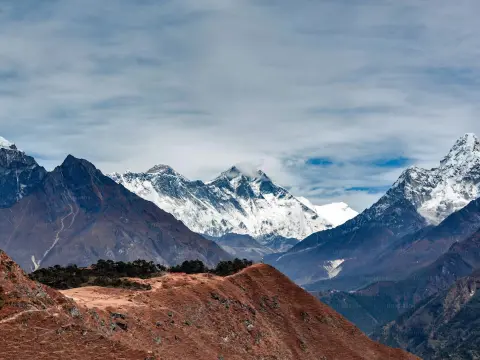
Everest Panorama Trekking, organized by Nepal Planet Treks & Expedition, is one of the most popular and accessible trekking routes in the Everest region of Nepal. Unlike the longer and more physically demanding Everest Base Camp trek, this panorama trek offers travelers a shorter yet equally breathtaking experience of the high Himalayas. The trek typically spans 7–9 days, starting and ending in Kathmandu, and provides panoramic views of some of the world’s tallest peaks, including Mount Everest (8,848 m), Lhotse, Nuptse, Ama Dablam, and Thamserku.The journey begins with a scenic flight from Kathmandu to Lukla (2,860 m), a small mountain town that serves as the gateway to the Everest region. From Lukla, trekkers walk along the Dudh Koshi River, passing through Phakding, a picturesque village with traditional Sherpa culture, and continue to Namche Bazaar (3,440 m), the largest settlement in the Khumbu region. An acclimatization day at Namche allows trekkers to adjust to higher altitudes and explore the local market, museums, and traditional tea houses. The trek then continues to Tengboche (3,870 m), home to the famous Tengboche Monastery, which offers stunning views of Ama Dablam and the surrounding peaks.This trek is ideal for first-time trekkers, families, and those with limited time, as it allows participants to experience the majesty of the Himalayas without the extreme physical demands of high-altitude mountaineering. The route also includes comfortable lodges, Himalayan hospitality, and cultural immersion into Sherpa traditions.Duration: 7–9 daysHighest point: Namche Bazaar / Everest View Hotel (~3,850 m)Starting point: Kathmandu → Lukla flightHighlights: Mt. Everest, Ama Dablam, Tengboche MonasteryIdeal for: Families, beginners, time-limited travelersBest Season for Everest Panorama TrekkingThe Everest Panorama Trekking is accessible year-round, but the best seasons are pre-monsoon (March–May) and post-monsoon (late September–November). During these periods, the weather is generally stable, skies are clear, and the mountain views are at their most spectacular. The spring season brings blooming rhododendrons along the trekking trail, adding vibrant color to the landscape, while autumn offers crisp air and dry trails, perfect for photography and sightseeing.Winter (December–February) trekking is also possible, but temperatures drop significantly at night, and some trails may be icy, requiring extra preparation. The monsoon season (June–early September) is less ideal due to heavy rainfall, slippery trails, and limited visibility of the snow-capped peaks. However, trekking during this time can offer a quieter and more secluded experience for those willing to brave the wet conditions.Weather and altitude can affect trekking itineraries, so Nepal Planet Treks & Expedition emphasizes proper planning, including acclimatization days and monitoring health at high altitudes. The company also provides guidance on clothing, gear, and essentials for the season to ensure trekkers stay safe and comfortable.Short Points:Best seasons: Spring (March–May), Autumn (Sept–Nov)Winter trekking: Cold, but possible with proper gearMonsoon trekking: Rainy, slippery trails, fewer touristsHighlights in Spring: Rhododendron bloomsHighlights in Autumn: Clear skies and vibrant viewsEverest Panorama Trekking Difficulty and TransportationEverest Panorama Trekking is classified as an easy to moderate trek, making it suitable for beginners, older adults, and families. While trekking at high altitudes always carries some risk of acute mountain sickness (AMS), the gradual ascent, acclimatization day at Namche Bazaar, and relatively short trekking hours (3–6 hours per day) make it manageable. The trails are well-trodden and often pass through Sherpa villages, monasteries, and rhododendron forests, providing both cultural and scenic variety.Transportation begins with a domestic flight from Kathmandu to Lukla, widely regarded as one of the most scenic flights in the world. After trekking, the return journey is also via flight, allowing travelers to enjoy views of the Himalayas without retracing every step. Within the trekking route, transportation is entirely on foot, with porters available for hire through Nepal Planet Treks to carry luggage, making the journey more comfortable.Short Points:Trekking level: Easy to moderateDaily trekking: 3–6 hoursHighest altitude: 3,850–3,900 mMain transportation: Flight Kathmandu ↔ Lukla, walking on trailAssistance: Porters available for luggageFood and Accommodation for Everest Panorama TrekkingDuring Everest Panorama Trekking, accommodation is primarily in tea houses or lodges along the trail. These lodges are simple but clean, offering basic amenities such as a bed, blankets, and hot showers in some locations. Notably, Nepal Planet Treks & Expedition ensures trekkers are placed in reputable lodges with proper hygiene standards and comfortable dining options.Food along the trail is a mix of local Nepali dishes and international cuisine. Common offerings include dal bhat (lentil soup with rice), momo (dumplings), noodles, soups, and continental dishes. Hot beverages like tea and coffee are widely available, as are snacks such as energy bars for trekking energy. Nepal Planet Treks recommends staying hydrated and consuming high-energy meals to adapt to altitude changes.Short Points:Accommodation: Tea houses/lodges along trailAmenities: Bed, blankets, sometimes hot showersFood: Local Nepali and international cuisineRecommended: Eat high-energy meals and hydrate frequentlyOrganized by: Nepal Planet Treks ensures safety and comfortEverest Panorama Trekking PermitsTrekking in the Everest region requires two essential permits: Sagarmatha National Park Permit and Khumbu Pasang Lhamu Rural Municipality (Solu-Khumbu) Permit. These permits are mandatory for all foreign trekkers and are strictly monitored.The Sagarmatha National Park Permit (SNP) is issued to protect the natural environment and wildlife of the Everest region. The Khumbu Pasang Lhamu Rural Municipality Permit is specific to local administration and helps support village infrastructure. Nepal Planet Treks & Expedition assists with obtaining these permits, ensuring all documentation is processed smoothly before departure, which saves trekkers time and stress. Carrying these permits during the trek is necessary, as local authorities may check at village checkpoints.Short Points:Mandatory permits: SNP Permit + Khumbu Pasang Lhamu PermitPurpose: Environmental protection and local developmentAssistance: Nepal Planet Treks handles permit arrangementsCarry permits at all times during trekRequired for all foreign trekkersWhy Choose Everest Panorama TrekkingChoosing Everest Panorama Trekking with Nepal Planet Treks & Expedition guarantees a balance of adventure, comfort, and safety. The trek allows travelers to experience the breathtaking Himalayas without the extreme demands of longer treks, making it ideal for first-time trekkers, families, and older adults. With a mix of scenic viewpoints, cultural experiences in Sherpa villages, and visits to iconic monasteries, this trek provides a rich Himalayan experience in just a week.Nepal Planet Treks prioritizes safety, well-planned itineraries, and local support, including experienced guides, porters, and emergency response measures. The company also provides trekking gear guidance, lodging arrangements, and altitude sickness monitoring, ensuring that even novice trekkers can complete the journey safely. With their professional support, travelers can focus on enjoying the stunning views of Everest, Ama Dablam, Lhotse, and Nuptse while immersing themselves in the local culture and traditions of the Khumbu region.Short Points:Suitable for beginners, families, older adultsStunning Himalayan scenery with panoramic viewsCultural immersion: Sherpa villages, monasteriesSafety-focused: Experienced guides, altitude monitoringProfessional support: Nepal Planet Treks ensures smooth trekking experienceHow Long Does It Take To Climb Everest Panorama Treks?Complete the panorama treks in just 7 days, starting and ending in Kathmandu! This includes 5 days of trekking and 1 acclimatization day. Begin by trekking from Lukla to Phakding and then from Phakding to Namche Bazaar over 2 days. Spend a day acclimatizing in Namche Bazaar, followed by another trekking day to Tengboche. From Tengboche, trek for an additional day, then return to Lukla in 2 days before flying to Kathmandu.How Long Does It Take To Climb Everest Panorama Treks?Complete the panorama treks in just 7 days, starting and ending in Kathmandu! This includes 5 days of trekking and 1 acclimatization day. Begin by trekking from Lukla to Phakding and then from Phakding to Namche Bazaar over 2 days. Spend a day acclimatizing in Namche Bazaar, followed by another trekking day to Tengboche. From Tengboche, trek for an additional day, then return to Lukla in 2 days before flying to Kathmandu.What gear or equipment should I bring to the Everest panorama treks?For high-altitude trekking, it’s essential to pack the right gear to ensure a smooth experience. If you’re heading to Everest, Nepal Planet Treks offers a complimentary standard-sized sleeping bag and a waterproof trekking backpack. Trekking shoes can be rented. To enhance your Everest Panorama trek, we recommend bringing comfortable socks, sturdy trekking shoes, a rainproof jacket, a headlamp, thermal underwear, and gaiters to prevent small stones from entering your shoes. Most trekking gear is also available for purchase or rental in Thamel, Kathmandu’s main tourist hub.The following day, we trek through jungle terrain into Sagarmatha National Park—Sagarmatha being the local name for Everest. After a rewarding day, we reached Namche Bazaar, the largest village in the region, predominantly inhabited by Sherpas. Namche offers charming restaurants, informative museums, and a vibrant street scene filled with unique handicrafts and Himalayan products. At Nepal Planet Treks, your safety is our priority, especially regarding acute mountain sickness.
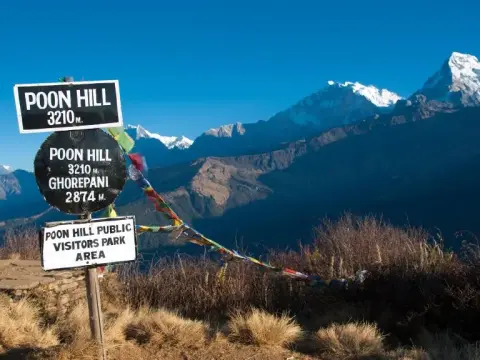
The Ghorepani Poon Hill Trek is one of Nepal’s most popular and accessible treks, located in the scenic Annapurna region. This trek offers a perfect blend of natural beauty, cultural immersion, and adventure, making it ideal for first-time trekkers or travelers with limited time. The trail begins at Nayapul, a short drive from Pokhara, and winds through lush forests, terraced fields, and traditional villages such as Tikhedhunga, Ulleri, Ghorepani, Tadapani, and Ghandruk. Each stop provides unique experiences, from interacting with local Gurung and Magar communities to witnessing the tranquil mountain landscapes.The highlight of this trek is the early morning hike to Poon Hill (3,210m), where trekkers can enjoy breathtaking panoramic views of some of the world’s most iconic peaks, including Annapurna South, Machhapuchhre (Fishtail), Dhaulagiri, and Hiunchuli. The sunrise from Poon Hill is renowned for its vibrant hues reflecting off the snow-capped mountains, creating a memory that lasts a lifetime. The trek generally takes 4–5 days to complete, depending on pace and itinerary, making it a perfect choice for travelers who want an enriching Himalayan experience without committing to a long expedition.Duration: 4–5 daysStarting point: Nayapul (accessible from Pokhara)Main highlight: Poon Hill sunriseVillages visited: Tikhedhunga, Ulleri, Ghorepani, Tadapani, GhandrukBest Season for Ghorepani Poon Hill TrekThe Ghorepani Poon Hill Trek can be undertaken year-round, but the spring (March to May) and autumn (September to November) seasons are widely regarded as the best times. During spring, rhododendron forests along the trail are in full bloom, adding a riot of colors to your trek. The weather during this period is moderate, and skies are typically clear, offering unobstructed views of the Annapurna range. Autumn, on the other hand, brings crisp air and stable weather, making it ideal for photography and panoramic vistas.Winter (December to February) is less crowded and offers serene landscapes, though temperatures drop significantly, especially at higher elevations. Monsoon season (June to August) is generally not recommended due to heavy rainfall, landslides, and slippery trails, although the region becomes lush and green. Choosing the right season is crucial to fully enjoy the scenic beauty, cultural experiences, and comfortable trekking conditions that Ghorepani Poon Hill has to offer.Key points:Spring: March–May, blooming rhododendronsAutumn: September–November, clear skies and crisp airWinter: December–February, less crowded but coldMonsoon: June–August, not recommended due to rainfallGhorepani Poon Hill Trek Difficulty and TransportationThe Ghorepani Poon Hill Trek is considered a moderate trek, suitable for beginners and intermediate trekkers. The trail features gradual ascents and descents, with a few steep sections, especially from Tikhedhunga to Ulleri, which involves climbing over 3,000 stone steps. Overall, the trek is manageable for individuals with average fitness levels, though preparation with cardiovascular exercises and short hikes before arrival is recommended. The highest point, Poon Hill, reaches 3,210 meters, which is generally safe from severe altitude sickness, but acclimatization and proper hydration are still important.Transportation for the trek is convenient. Most itineraries begin with a drive from Kathmandu to Pokhara (6–7 hours by tourist bus), followed by a 1–2 hour drive from Pokhara to Nayapul, the trekking starting point. For return, trekkers can walk back to Nayapul from Ghandruk and take the bus back to Pokhara, before returning to Kathmandu. This combination of road travel and trekking allows a seamless and comfortable journey for travelers who want to explore the Annapurna region efficiently.Key points:Trek difficulty: Moderate, suitable for beginnersMaximum elevation: 3,210m (Poon Hill)Transport: Tourist bus Kathmandu–Pokhara, drive Pokhara–NayapulTrek duration: 4–5 daysFood and Accommodation for Ghorepani Poon Hill TrekAlong the Ghorepani Poon Hill Trek, accommodation is primarily in teahouses, which are small lodges run by local families. Teahouses provide basic amenities such as a bed, blanket, and hot shower (often for a small extra fee). While not luxurious, these lodges offer a warm and welcoming environment, allowing trekkers to experience local hospitality and interact with villagers.Food on the trek is simple but satisfying, with menus featuring local Nepali dishes such as dal bhat (lentil soup with rice), momo (dumplings), noodles, and soups. Most teahouses also offer Western meals such as pasta, omelets, and sandwiches. It’s advisable to carry some snacks and water purification tablets to ensure comfort during the trek. Overall, the food and accommodation options strike a balance between comfort and authenticity, making the trek accessible for all types of travelers.Key points:Accommodation: Teahouses with basic amenitiesMeals: Nepali and Western dishesHot showers: Available in most teahouses (extra cost)Cultural experience: Stay with local familiesGhorepani Poon Hill Trek PermitsTrekking in the Annapurna region requires two main permits: the Annapurna Conservation Area Permit (ACAP) and the Trekkers’ Information Management System (TIMS) card. The ACAP permit helps protect the environment and wildlife of the Annapurna Conservation Area, while the TIMS card is used to monitor trekkers’ safety and maintain records. Both permits can be obtained in Kathmandu or Pokhara, and your trekking company, Nepal Planet Treks & Expedition, can assist with all the necessary paperwork to make the process smooth and hassle-free.These permits are mandatory for anyone trekking in the Annapurna region, and carrying them throughout the trek is essential as they may be checked by park officials or local authorities. Ensuring valid permits not only complies with regulations but also contributes to conservation efforts that protect Nepal’s natural beauty and cultural heritage for future travelers.Key points:Mandatory permits: ACAP and TIMSIssued in: Kathmandu or PokharaRequirement: Carry permits during the trekAssistance: Provided by Nepal Planet Treks & ExpeditionWhy Choose Ghorepani Poon Hill TrekThe Ghorepani Poon Hill Trek is an excellent choice for travelers seeking a short but rewarding Himalayan adventure. Its combination of breathtaking mountain views, rhododendron forests, and traditional villages provides a well-rounded experience without the need for extensive trekking experience or high-altitude preparation. This trek also allows visitors to witness Nepal’s rich cultural diversity through interactions with Gurung and Magar communities, offering insight into local traditions, architecture, and lifestyles.Choosing this trek with Nepal Planet Treks & Expedition ensures a seamless and memorable journey. Our experienced guides, personalized itineraries, and attention to safety and comfort allow trekkers to focus entirely on enjoying the scenery and experiences. From arranging transportation and permits to providing local insights and support throughout the trek, we make sure every aspect is handled professionally. The Ghorepani Poon Hill Trek is not just a hike; it’s a chance to immerse yourself in the beauty, culture, and magic of the Annapurna region.Key points:Accessible for beginners and short on timeStunning sunrise at Poon HillCultural immersion in Gurung and Magar villagesExpert guidance and support from Nepal Planet Treks & Expedition
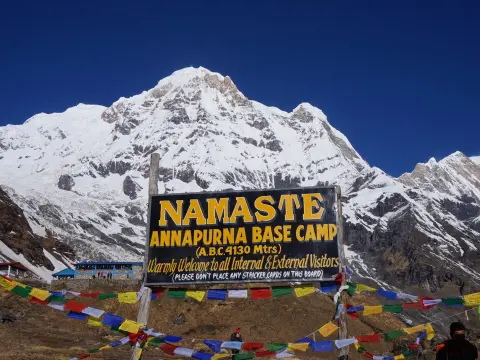
The Annapurna Base Camp (ABC) Short Trek – 9 Days with Nepal Planet Treks & Expedition is an incredible journey into the heart of the Himalayas. This trek allows travelers to experience the grandeur of Nepal’s most iconic peaks, including Annapurna I, Machapuchare (Fishtail), Hiunchuli, and Gangapurna. Unlike the classic trek, this condensed version is designed for those with limited time but still offers an authentic Himalayan adventure. The route combines cultural encounters, natural hot springs, lush rhododendron forests, and breathtaking mountain panoramas.Starting from Kathmandu, the journey begins with a scenic drive to Pokhara, followed by trekking from Nayapul through charming Gurung villages like Jhinu Danda and Dovan. Trekkers pass through terraced farmlands, dense forests, and vibrant local communities before reaching Machhapuchhare Base Camp. The highlight is reaching Annapurna Base Camp (4,130m), where panoramic views of the Annapurna range create an unforgettable experience. The trek then descends through Sinuwa and Ghandruk, returning to Pokhara and eventually Kathmandu.Stunning panoramic views of Annapurna, Machhapuchare, and Hiunchuli.Traditional Gurung and Magar villages along the trail.Natural hot springs at Jhinu Danda for relaxation.Diverse landscapes from subtropical forests to alpine terrain.Ideal for trekkers with limited time but high Himalayan ambitions.With the guidance of experienced local staff, Nepal Planet Treks & Expedition ensures a safe, comfortable, and memorable journey into one of the most spectacular trekking regions in the world.Best Season for Annapurna Base Camp Short Trek 9 DaysThe best time to trek to Annapurna Base Camp depends largely on weather conditions, mountain visibility, and overall trail experience. The two primary trekking seasons are autumn (September to November) and spring (March to May). Autumn is particularly popular due to clear skies, stable weather, and colorful landscapes after the monsoon. Spring brings blooming rhododendrons and milder temperatures, making it ideal for nature lovers and photographers.Winter (December to February) is colder with snow at higher elevations, but the trails are less crowded, and the skies are usually clear, offering sharp views of the mountains. Summer (June to August) coincides with the monsoon, which brings heavy rainfall, slippery trails, and potential landslides, making trekking more challenging.Seasonal Highlights:Autumn (Sep–Nov): Clear skies, stable weather, peak trekking season.Spring (Mar–May): Blooming rhododendrons, pleasant temperatures, moderate crowds.Winter (Dec–Feb): Crisp air, quiet trails, snow-capped peaks.Monsoon (Jun–Aug): Heavy rainfall, dense forests, lush green scenery, but slippery trails.Choosing the right season ensures maximum enjoyment of the spectacular landscapes and cultural experiences along the ABC trek. Nepal Planet Treks & Expedition provides personalized guidance on the best time for each traveler based on preferences and trekking experience.Annapurna Base Camp Short Trek 9 Days Difficulty and TransportationThe ABC Short Trek – 9 Days is considered moderate to challenging, suitable for travelers with a basic level of fitness. The trek involves multiple days of uphill and downhill walking, long trekking hours, and altitude gain up to 4,130 meters. Proper acclimatization and pacing are essential to avoid altitude sickness. While it is shorter than the classic ABC trek, trekkers should be prepared for 6–8 hours of trekking daily on uneven terrain.Transportation is convenient and comfortable. Travelers start with a tourist bus from Kathmandu to Pokhara (6–7 hours, ~200 km), followed by local jeep or bus transfers to Nayapul. After the trek, the return journey follows a combination of trekking and road travel back to Pokhara and Kathmandu. Nepal Planet Treks & Expedition ensures smooth transfers and well-coordinated logistics to minimize stress and maximize trekking time.Trek Difficulty and Transportation Highlights:Moderate to challenging trek: 6–8 hours/day trekking.Highest point: Annapurna Base Camp, 4,130m.Combination of uphill, downhill, and mixed terrain.Road travel via tourist buses and local transfers.Professional guides to ensure safety, pacing, and altitude management.With proper fitness, mental preparation, and expert guidance from Nepal Planet Treks & Expedition, even first-time trekkers can confidently complete this Himalayan adventure.Food and Accommodation for Annapurna Base Camp Short Trek 9 DaysDuring the ABC Short Trek, trekkers enjoy traditional Nepali hospitality combined with comfortable accommodations. Lodges and teahouses along the trail offer basic yet cozy rooms, usually with attached or shared bathrooms. At higher elevations like Machhapuchhare Base Camp, accommodations are simpler due to limited infrastructure, but warmth and hospitality remain exceptional. Travelers experience staying in local teahouses surrounded by stunning Himalayan landscapes.Food along the trail is diverse and caters to both local tastes and international preferences. Typical meals include Dal Bhat (rice and lentils), momo (dumplings), noodles, pasta, soups, and fresh vegetables. Hot drinks like tea, coffee, and hot chocolate help trekkers maintain energy levels during long trekking days. Nepal Planet Treks & Expedition prioritizes hygiene and nutritious meals to support trekkers’ endurance and overall well-being.Food & Accommodation Highlights:Comfortable lodges and teahouses along the trail.Simple yet cozy rooms, often with scenic views.Local and international cuisine, including vegetarian options.Warm beverages and soups for high-altitude trekking.Personalized support from guides to accommodate dietary preferences.This combination of food, accommodation, and local hospitality ensures a pleasant trekking experience, making the journey both safe and enjoyable.Annapurna Base Camp Short Trek 9 Days PermitsTrekking to the Annapurna region requires specific permits to ensure safety, conservation, and regulated tourism. For the ABC Short Trek, trekkers need the Annapurna Conservation Area Permit (ACAP) and a Trekkers’ Information Management System (TIMS) card. ACAP fees contribute to the protection of wildlife, forests, and local communities, while TIMS ensures trekkers are registered for safety and tracking purposes.Permit Details:ACAP Permit: Mandatory for trekking in the Annapurna Conservation Area.TIMS Card: Required for all trekkers; provides trekking information and emergency tracking.Permits are checked at entry points and local checkpoints along the trek.Nepal Planet Treks & Expedition handles all permit arrangements, ensuring trekkers do not face bureaucratic delays.Carry a copy of permits at all times, as checkpoints may ask for verification.Obtaining permits in advance is crucial for a smooth trekking experience. Nepal Planet Treks & Expedition ensures all paperwork is completed efficiently so trekkers can focus solely on enjoying the Himalayas.Why Choose Annapurna Base Camp Short Trek 9 DaysChoosing the ABC Short Trek – 9 Days with Nepal Planet Treks & Expedition offers a perfect blend of adventure, natural beauty, and cultural immersion. This trek is ideal for those who want a condensed Himalayan experience without compromising on scenery or cultural encounters. From panoramic views of snow-capped peaks to tranquil Gurung villages, every step of the journey provides unforgettable memories.Reasons to Choose This Trek:Expertly organized itinerary, ensuring safety and comfort.Scenic landscapes, from lush forests to alpine terrain.Short trek suitable for limited vacation time.Experienced guides providing cultural insights and trekking support.Opportunities to enjoy natural hot springs and local cuisine.With a focus on both adventure and relaxation, the ABC Short Trek is perfect for solo travelers, couples, and small groups. Nepal Planet Treks & Expedition combines professionalism, local expertise, and personalized service, making the trek a seamless and memorable Himalayan experience. Whether you are seeking adventure, photography opportunities, or cultural exploration, this trek delivers it all in just 9 days.
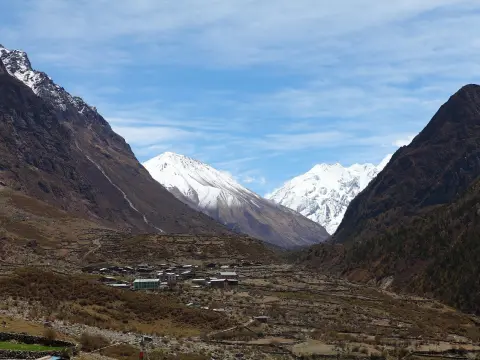
The Langtang Valley Trek is an 8-day Himalayan adventure that immerses trekkers in breathtaking natural beauty, rich culture, and diverse wildlife. Nestled north of Kathmandu, Langtang Valley is renowned for its serene landscapes, snow-capped peaks, lush forests, and traditional Tamang villages. The trek begins with a scenic drive from Kathmandu to Syabrubesi, passing through winding roads and rivers, giving trekkers a first glimpse of the Himalayan foothills. From Syabrubesi, the trail meanders through dense rhododendron and pine forests, terraced fields, and small villages, gradually ascending towards Lama Hotel and Langtang Village.One of the highlights of the trek is reaching Kyanjin Gompa at 3,870 meters, a quaint village surrounded by majestic peaks such as Langtang Lirung and Ganjala Peak. From Kyanjin Gompa, trekkers can opt for a challenging climb to Kyanjin Ri (4,773m) or Tserko Ri, both offering panoramic views of the Langtang range and neighboring Himalayan peaks. Along the trail, travelers experience cultural immersion, visiting ancient monasteries, encountering local monks, and observing traditional Buddhist rituals. Wildlife enthusiasts may spot red pandas, Himalayan monals, and other endemic species, making it a trek that combines adventure, nature, and cultural learning. Nepal Planet Treks & Expedition ensures every trekker experiences this journey safely and comfortably, with expert guides who provide insights into the region’s history, flora, and fauna.Scenic drive from Kathmandu to SyabrubesiTrek through rhododendron and pine forestsVisit traditional Tamang villagesPanoramic views from Kyanjin Ri or Tserko RiRich wildlife, including red pandas and Himalayan monalsBest Season for Langtang Valley TrekThe best time to visit Langtang Valley is during the spring (March to May) and autumn (September to November) seasons. During spring, the valley blooms with vibrant rhododendrons, and the weather is pleasant with clear skies, perfect for photography and enjoying the natural scenery. Temperatures are moderate, making trekking comfortable without the challenges of extreme cold. This season is ideal for observing the valley’s diverse flora and fauna, including flowering shrubs, alpine plants, and local wildlife. Spring also offers spectacular mountain views, as the skies are mostly clear, and the trails are lively with trekkers enjoying the awakening Himalayan landscapes.Autumn, on the other hand, is the peak trekking season in Nepal and provides the clearest skies and crisp air, offering unobstructed views of the snow-capped Langtang peaks. After the monsoon, the forests are lush, rivers are full, and the trails are well-trodden but not overcrowded. The cool temperatures and stable weather make it a comfortable season for long treks, and trekkers can enjoy sunrise and sunset views over the mountains without the haze or rain of the monsoon. Both seasons are ideal for photography, cultural exploration, and wildlife spotting. Trekking during the winter or monsoon seasons is less recommended due to heavy snow, rainfall, or trail disruptions. Nepal Planet Treks & Expedition provides expert guidance to plan your trek according to seasonal conditions to ensure safety and an enjoyable experience.Key Points:Spring (March–May): Blooming rhododendrons, moderate temperatures, clear skiesAutumn (September–November): Post-monsoon freshness, crisp air, unobstructed mountain viewsWinter: Snowy, cold, suitable only for experienced trekkersMonsoon: Risk of landslides and slippery trailsLangtang Valley Trek Difficulty and TransportationThe Langtang Valley Trek is considered moderate in difficulty, making it accessible for trekkers with a reasonable level of fitness. The trek involves gradual ascents, short steep climbs, and occasional rocky paths, with the highest altitude reaching Kyanjin Ri at 4,773 meters. Altitude sickness is a potential concern, so acclimatization days and proper hydration are recommended. Trekkers can manage the daily walking times, which generally range from 4–6 hours, with shorter days for acclimatization or optional hikes. While physically rewarding, the trek is suitable for beginners with prior trekking experience, as well as seasoned adventurers seeking a less crowded Himalayan route.Transportation for the Langtang Valley Trek typically begins with a drive from Kathmandu to Syabrubesi, which takes around 6–9 hours depending on road conditions. Travel options include tourist buses, private jeeps, or microbuses, all offering scenic views of rivers, forests, and terraced landscapes. The return journey follows the same route, allowing trekkers to relax and enjoy the picturesque countryside. Local guides from Nepal Planet Treks & Expedition ensure smooth transportation arrangements, including private or shared vehicles, making the journey hassle-free. Proper planning and early departure help trekkers avoid road congestion, ensuring a safe start and end to the adventure.Key Points:Trekking difficulty: Moderate, suitable for beginners to intermediate trekkersHighest altitude: Kyanjin Ri (4,773m)Daily trekking hours: 4–6 hours on averageTransportation: Kathmandu to Syabrubesi by jeep, bus, or microbusAcclimatization: Essential for high-altitude sectionsFood and Accommodation for Langtang Valley TrekFood and accommodation along the Langtang Valley Trek are simple yet comfortable, with teahouses providing a cozy experience in the mountains. Trekkers can enjoy a mix of Nepali and continental cuisine, including dal bhat (rice and lentil soup), noodles, soups, and bread-based dishes. Fresh vegetables, seasonal fruits, and local snacks are widely available. Hot beverages such as tea, coffee, and hot chocolate are popular among trekkers to stay warm at higher altitudes. Most teahouses offer meals at reasonable prices, with additional options for packed lunches during long trekking days. Nepal Planet Treks & Expedition ensures trekkers are well-informed about food hygiene and nutrition for maintaining energy during the trek.Accommodation in the Langtang Valley is primarily in family-run teahouses and lodges, offering basic amenities such as beds, blankets, and shared bathrooms. While simple, these lodges provide an authentic Himalayan experience, where trekkers can interact with local families, enjoy traditional hospitality, and immerse themselves in cultural experiences. Some lodges offer Wi-Fi, charging facilities, and hot showers at higher altitudes, though availability may be limited. Staying in teahouses also supports local communities and ensures that trekkers are close to essential supplies and services. With professional guidance from Nepal Planet Treks & Expedition, trekkers receive assistance in booking comfortable and safe accommodations along the entire trail.Key Points:Cuisine: Nepali and continental meals, dal bhat, noodles, soups, local snacksBeverages: Tea, coffee, hot chocolateAccommodation: Teahouses and lodges with basic amenitiesCultural experience: Family-run lodges, interaction with localsHigh-altitude facilities: Limited Wi-Fi, hot showers in some locationsLangtang Valley Trek PermitsTrekking in the Langtang Valley requires specific permits to ensure sustainable tourism and support local communities. The two main permits are the Langtang National Park Entry Permit and the Trekkers’ Information Management System (TIMS) card. The Langtang National Park Entry Permit is mandatory for all trekkers and helps preserve the region’s wildlife, forests, and cultural heritage. The Nepal Tourism Board issues the TIMS card and helps track trekkers for safety and rescue operations if necessary.Obtaining permits is straightforward, and trekkers can acquire them in Kathmandu or at the park entrance in Syabrubesi. Fees vary depending on nationality, with separate rates for SAARC and non-SAARC citizens. Nepal Planet Treks & Expedition assists trekkers in securing these permits in advance, ensuring that paperwork is handled efficiently to avoid delays during the trek. Carrying valid identification, such as a passport, is essential when obtaining permits. Adhering to park regulations, including waste management, wildlife conservation, and respecting local communities, is a key aspect of trekking responsibly in Langtang Valley.Key Points:Required permits: Langtang National Park Entry Permit, TIMS cardWhere to obtain: Kathmandu or SyabrubesiFees: Vary by nationalityAssistance: Permit processing by Nepal Planet Treks & ExpeditionRules: Follow park regulations, maintain cleanliness, respect wildlifeWhy Choose Langtang Valley TrekThe Langtang Valley Trek is ideal for those seeking a Himalayan adventure that combines natural beauty, cultural immersion, and manageable trekking distances. Unlike more crowded routes like Everest Base Camp or Annapurna Circuit, Langtang offers peaceful trails, authentic village experiences, and unspoiled landscapes. The trek’s moderate difficulty makes it accessible to a wide range of trekkers, while optional hikes to Kyanjin Ri provide a challenging yet rewarding experience for avid adventurers.Choosing Nepal Planet Treks & Expedition enhances the trek experience, offering professional guides, personalized itineraries, and logistical support. The company prioritizes safety, comfort, and cultural authenticity, helping trekkers enjoy every aspect of their journey without stress. From arranging transportation, accommodations, and meals to providing expert guidance on acclimatization and wildlife spotting, Nepal Planet Treks & Expedition ensures a seamless and memorable adventure. Whether it’s panoramic Himalayan views, encounters with friendly locals, or the thrill of exploring remote valleys, the Langtang Valley Trek is an unforgettable journey for anyone looking to experience the true essence of Nepal’s mountains.Key Points:Less crowded and peaceful trailsModerate difficulty, suitable for most trekkersScenic landscapes and cultural experiencesExpert guidance and support from Nepal Planet Treks & ExpeditionOption to climb Kyanjin Ri for panoramic views
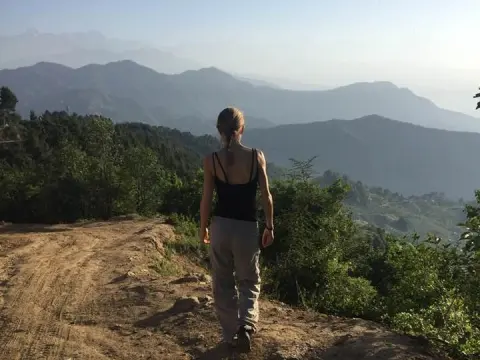
The Helambu Trek is one of the most rewarding short treks in Nepal, offering an exceptional blend of natural beauty, cultural richness, and Himalayan scenery. Located just northeast of Kathmandu, the Helambu region is famous for its rolling green hills, dense rhododendron forests, high mountain passes, and traditional Sherpa and Hyolmo villages. Unlike the more crowded trekking routes, Helambu remains relatively peaceful, making it an ideal choice for trekkers seeking an authentic Himalayan experience without extreme altitude challenges.Organized by Nepal Planet Treks & Expedition, the Helambu Trek is carefully designed to allow trekkers to explore scenic landscapes while gradually gaining altitude. The trek passes through charming villages such as Chisapani, Kutumsang, Tharepati, Melamchi Gaon, and Tarkeghyang, where trekkers can experience local lifestyles, ancient monasteries, and warm hospitality. Snow-capped peaks like Langtang Lirung and Dorje Lakpa add dramatic backdrops throughout the journey.Stunning views of Langtang and Jugal Himalayan rangesRich Hyolmo and Sherpa cultureLess crowded and peaceful trailsIdeal trek close to KathmanduBest Season for Helambu TrekThe best seasons for the Helambu Trek are spring (March to May) and autumn (September to November). During spring, the forests come alive with blooming rhododendrons, magnolias, and wildflowers, creating vibrant landscapes. The weather remains mild, and mountain views are generally clear, making it a perfect time for photography and nature lovers.Autumn is considered the most popular trekking season due to stable weather, crisp air, and excellent visibility. After the monsoon, the trails are fresh and green, and the skies offer panoramic mountain views. Nepal Planet Treks & Expedition highly recommends this season for trekkers who want the best combination of weather, scenery, and trail conditions.Seasonal summary:Spring: Flowers, mild temperatures, colorful landscapesAutumn: Clear skies, best mountain viewsWinter: Cold but possible for experienced trekkersMonsoon: Lush greenery but slippery trailsHelambu Trek Difficulty and TransportationThe Helambu Trek is classified as a moderate-difficulty trek, suitable for trekkers with average fitness levels. The daily walking hours range from 4 to 6 hours, with gradual ascents and descents. The highest point, Tharepati Pass (3,500m), does not require technical climbing skills, making the trek accessible to physically prepared beginners.Transportation is simple and convenient. The trek begins with a short drive from Kathmandu to Sundarijal, and the return journey includes a scenic drive from Melamchi Pul Bazaar back to Kathmandu. Nepal Planet Treks & Expedition arranges all transportation to ensure safety, comfort, and timely transfers.Difficulty & logistics highlights:Moderate walking daysNo technical climbing requiredShort drive access from KathmanduIdeal for first-time trekkersFood and Accommodation for Helambu TrekAccommodation during the Helambu Trek is primarily in local teahouses and lodges, offering clean rooms with twin beds and shared facilities. Staying in teahouses allows trekkers to experience local hospitality while supporting village economies. Nepal Planet Treks & Expedition carefully selects comfortable and reputable lodges along the route.Food is nutritious, fresh, and designed to provide energy for trekking. Common meals include Dal Bhat, noodles, soups, rice, vegetables, eggs, and Tibetan bread. While the menu becomes simpler at higher altitudes, meals remain wholesome and filling.Food & lodging features:Cozy teahouse accommodationHygienic, freshly prepared mealsVegetarian options are widely availableWarm dining areas in colder regionsHelambu Trek PermitsTo trek in the Helambu region, trekkers require specific permits regulated by the Government of Nepal. Nepal Planet Treks & Expedition handles all permit arrangements, ensuring a hassle-free experience. The required permits help support conservation efforts and maintain trekking infrastructure.Trekkers need a Langtang National Park Entry Permit and a TIMS (Trekkers’ Information Management System) Card. These permits ensure safety, regulate trekking activities, and assist authorities in case of emergencies.Required permits:Langtang National Park PermitTIMS CardPermit handling by Nepal Planet Treks & ExpeditionWhy Choose Helambu Trek with Nepal Planet Treks & ExpeditionChoosing the Helambu Trek with Nepal Planet Treks & Expedition means traveling with a company dedicated to safety, sustainability, and authentic experiences. The trek offers an ideal balance of culture, nature, and adventure without the crowds of more commercial routes.Nepal Planet Treks & Expedition employs experienced local guides, promotes responsible tourism, and ensures every trekker feels supported from arrival to departure. Their deep knowledge of the region allows trekkers to gain meaningful insights into local traditions, landscapes, and Himalayan life.Why trekkers love Helambu Trek:Close to Kathmandu, yet culturally richPeaceful trails and scenic diversityExcellent for beginners and familiesOperated by trusted local experts
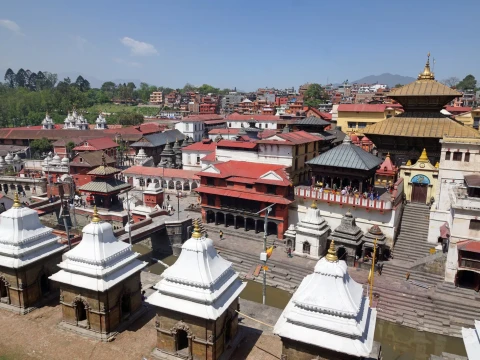
Nepal, a federal democratic republic nestled in the lap of the mighty Himalayas, is a land of spirituality, history, and natural beauty. It is a landlocked country in South Asia, bordered by China and India, and is home to diverse cultures, religions, and traditions. Renowned for its breathtaking Himalayan landscapes, Nepal is also considered one of the oldest spiritual destinations in the world. With a rich heritage of Hinduism and Buddhism, the country is dotted with sacred temples, stupas, monasteries, and pilgrimage sites that attract devotees and travelers from all over the globe.Kathmandu Valley, the cultural and spiritual heart of Nepal, houses famous UNESCO World Heritage Sites such as Pashupatinath Temple, Swayambhunath Stupa, and Boudhanath Stupa. These sites are not only significant religious landmarks but also showcase exquisite Nepalese architecture, art, and devotion. Lumbini, the birthplace of Lord Buddha, remains a major destination for Buddhist pilgrims, offering serenity, meditation centers, and historical monasteries. Other revered sites in Nepal include Baraha Chhetri, Halesi Mahadev, Janakpur, Pathibhara, Tengboche, Manakamana, Muktinath, Gosainkunda, Swargadwari, Khaptad Ashram, and Tansen, each with its own spiritual legend and cultural significance.Nepal Planet Treks & Expedition specializes in customized pilgrimage tours across Nepal, ensuring that each traveler experiences both the spiritual and cultural richness of the country. Our tours provide guided visits, comfortable accommodations, and opportunities to witness traditional rituals and festivals. Whether you are a Hindu devotee visiting Janakpur Mandir dedicated to Goddess Sita, or a Buddhist seeker exploring Lumbini and Tengboche Monastery, our pilgrimage tours are designed to uplift the mind, body, and soul.Visit UNESCO World Heritage Sites: Pashupatinath, Boudhanath, SwayambhunathExplore sacred Hindu temples: Janakpur, Manakamana, MuktinathExperience Buddhist monasteries and meditation centers in Lumbini and TengbocheWitness spiritual rituals, festivals, and traditional ceremoniesEnjoy guided tours, cultural storytelling, and local insightsBest Season for Nepal Pilgrimage TourThe ideal time for a pilgrimage tour in Nepal depends on the weather and the spiritual experience you seek. Nepal experiences four distinct seasons: spring, summer, monsoon, and winter. Among these, spring (March to May) and autumn (September to November) are considered the best seasons for travel. During these months, the skies are clear, temperatures are moderate, and the Himalayan peaks are vividly visible. These periods also coincide with many important religious festivals such as Dashain, Tihar, and Buddha Jayanti, allowing pilgrims to witness and participate in sacred ceremonies.Spring brings blooming rhododendrons and pleasant weather, perfect for visiting sites like Nagarkot, Patan, and Bhaktapur. Autumn offers crisp air and clear views of the snow-capped Himalayas, ideal for photography and spiritual reflection at monasteries and temples. While summer (June to August) can be rainy, some travelers prefer it for lush landscapes and fewer crowds at popular temples. Winter (December to February), though colder, provides a serene atmosphere for meditation and introspection, especially in high-altitude pilgrimage sites like Muktinath and Gosainkunda.Nepal Planet Treks & Expedition advises pilgrims on the best travel season based on personal preferences, the selected route, and festival calendars. We ensure that visitors enjoy safe and comfortable journeys even in off-peak months, with special arrangements for accommodation, transport, and local guidance. By choosing the right season, pilgrims can experience both the spiritual essence and the natural beauty of Nepal.Best Season Highlights:Spring (March–May) – Blooming landscapes, pleasant weatherAutumn (September–November) – Clear skies, Himalayan views, festival seasonSummer (June–August) – Lush scenery, fewer crowds, lower ratesWinter (December–February) – Serene temples, peaceful meditation spotsFestival timings – Participate in Dashain, Tihar, Buddha JayantiWhy Choose Nepal Pilgrimage TourNepal offers an unparalleled spiritual and cultural experience that few destinations in the world can match. The country combines majestic Himalayan landscapes with centuries-old temples and monasteries, making it a unique blend of adventure and devotion. Pilgrimage tours in Nepal provide not only religious fulfillment but also a chance for self-reflection, mental peace, and cultural immersion. Traveling through sacred sites like Pashupatinath, Janakpur Mandir, Lumbini, Muktinath, and Gosainkunda allows pilgrims to witness the living traditions of Hinduism and Buddhism, rituals that have remained unchanged for centuries.Nepal Planet Treks & Expedition has years of experience in arranging fully guided pilgrimage tours tailored to your spiritual goals and comfort. Our team offers detailed itineraries, knowledgeable guides, and reliable local support, ensuring a smooth journey through Nepal’s sacred and scenic destinations. We focus on personalized experiences, allowing travelers to participate in rituals, festivals, and meditation programs, while also enjoying cultural storytelling and local hospitality. With safe transportation, comfortable accommodations, and flexible itineraries, our tours are suitable for all age groups and levels of physical ability.Choosing a pilgrimage tour with Nepal Planet Treks & Expedition also guarantees a balance of spiritual exploration and cultural education. From the vibrant streets of Kathmandu Valley to the serene monasteries of Pokhara and Tengboche, and the historic temples of Janakpur, every step of your journey is curated to enrich your spiritual and emotional well-being. We help transform a simple visit into a profound experience, connecting travelers with the sacred heart of Nepal.Why Choose Us:Expertly curated itineraries across Nepal’s sacred sitesExperienced guides with deep knowledge of history, culture, and spiritualityComfortable accommodations and reliable transportationOpportunities to participate in local rituals, festivals, and meditation programsPersonalized service for a memorable spiritual journey


 (18)
(18)  100% recommend (0)
 (0)
(0) 


