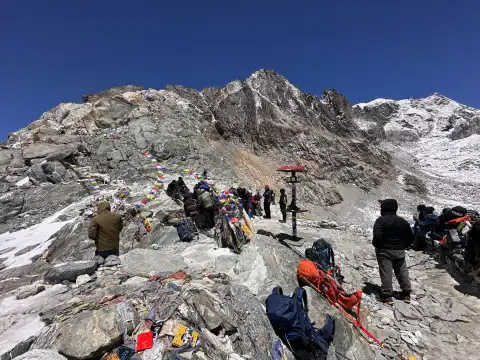
The Everest Three Passes Trekking is one of the most complete and adventurous trekking journeys in the Khumbu region of Nepal. Designed for trekkers who want more than the classic Everest Base Camp route, this trek combines extreme altitude passes, iconic Sherpa villages, sacred monasteries, glacial valleys, and breathtaking Himalayan panoramas. Operated with professionalism and safety by Nepal Planet Treks & Expedition, this trek delivers an immersive Himalayan experience that tests endurance while rewarding trekkers with unmatched mountain scenery.The journey begins with a thrilling flight from Kathmandu to Lukla, the gateway to the Everest region. From here, the trail winds through traditional villages such as Phakding, Namche Bazaar, Tengboche, Dingboche, and Lobuche. The trek’s defining feature is the crossing of three high mountain passes: Kongma La (5,535m), Cho La (5,420m), and Renjo La (5,345m). Each pass offers dramatic views of Everest, Lhotse, Makalu, Cho Oyu, and Ama Dablam, making the effort worthwhile.Beyond high passes, the trek includes visits to Everest Base Camp, Kala Patthar, and the stunning Gokyo Valley, famous for its emerald glacial lakes. The route is carefully planned with acclimatization days to minimize altitude risks. Nepal Planet Treks & Expedition ensures experienced guides, proper logistics, and personalized service, allowing trekkers to fully enjoy the adventure.Three legendary Himalayan high passesEverest Base Camp & Kala Patthar viewpointsGokyo Lakes and Renjo La panoramaAuthentic Sherpa culture and monasteriesGuided by expert local professionalsBest Season for Everest Three Passes TrekkingChoosing the right season is crucial for successfully completing the Everest Three Passes Trek. Due to the extreme altitude and technical nature of the passes, weather conditions play a significant role in safety and visibility. Nepal Planet Treks & Expedition recommends trekking during stable seasons when the skies are clear, temperatures are manageable, and trail conditions are safe.The best seasons are spring (March to May) and autumn (September to November). Spring offers warmer temperatures, blooming rhododendron forests, and longer daylight hours. This season is especially attractive for photographers due to clear mornings and vibrant landscapes. Snow may still be present on high passes, adding adventure without excessive risk.Autumn is considered the prime trekking season. After the monsoon rains, the mountains appear exceptionally clean and sharp. Weather conditions are stable, with crisp air and excellent visibility. This is the most popular season for high-pass trekking, and Nepal Planet Treks & Expedition carefully manages logistics to avoid overcrowded trails while maintaining comfort and safety.Winter treks are possible for highly experienced trekkers, while summer is generally avoided due to monsoon rains and flight disruptions.Best Seasons at a Glance:Spring (Mar–May): Mild temperatures, blooming landscapesAutumn (Sep–Nov): Best visibility and stable weatherWinter: Very cold, for experts onlyMonsoon: Not recommendedEverest Three Passes Trekking Difficulty and TransportationThe Everest Three Passes Trek is categorized as a challenging and strenuous trek, suitable for trekkers with prior high-altitude experience and strong physical fitness. The route involves long trekking days, steep ascents, rocky terrain, glacier crossings, and high passes exceeding 5,500 meters. Mental endurance is just as important as physical strength.Altitude is the primary challenge. Despite well-planned acclimatization days at Namche Bazaar and Dingboche, trekkers must be prepared for thin air and rapid elevation changes. Nepal Planet Treks & Expedition prioritizes safety by maintaining slow ascent rates, providing altitude awareness briefings, and carrying first-aid and emergency protocols.Transportation begins with a scenic flight from Kathmandu to Lukla, one of the world’s most adventurous airstrips. During peak seasons, flights may operate from Ramechhap. All ground logistics, porter arrangements, and return flights are handled professionally by Nepal Planet Treks & Expedition to ensure smooth travel.Difficulty & Transport Overview:Strenuous trekking with high mountain passesRequires good fitness and prior trekking experienceLukla flights included and managedEmergency evacuation support availableExperienced guides for safety and navigationFood and Accommodation for Everest Three Passes TrekkingThroughout the Everest Three Passes Trek, trekkers stay in traditional tea houses and mountain lodges, offering basic yet comfortable accommodation. Rooms typically include twin beds, blankets, and shared bathrooms. At higher altitudes, facilities become simpler, but warmth, hospitality, and cleanliness remain a priority under the guidance of Nepal Planet Treks & Expedition.Meals are freshly prepared and designed to provide high energy essential for high-altitude trekking. The menu includes Nepali, Tibetan, and international dishes such as dal bhat, noodles, soups, pasta, rice, eggs, and potatoes. Dal bhat is especially recommended as it is nutritious, filling, and refillable in most lodges.As altitude increases, food variety decreases, and prices rise due to transportation challenges. Nepal Planet Treks & Expedition advises trekkers on proper food choices and hydration practices to maintain energy levels and prevent altitude sickness.Food & Lodging Highlights:Tea house accommodation throughout the trekNutritious, freshly cooked mealsVegetarian options widely availableHygienic dining recommendationsWarm communal dining areasEverest Three Passes Trekking PermitsTo trek legally in the Everest region, several permits are required. Nepal Planet Treks & Expedition manages all permit arrangements, allowing trekkers to focus entirely on their journey. These permits contribute to conservation, local development, and trail maintenance.The primary permits include the Sagarmatha National Park Entry Permit, which allows access to the protected Everest region, and the Khumbu Pasang Lhamu Rural Municipality Permit, a local trekking permit replacing the TIMS card in this area.All permits are checked at various checkpoints along the trail. Trekking without proper documentation is not allowed. With Nepal Planet Treks & Expedition, all paperwork is handled efficiently, ensuring compliance with Nepalese trekking regulations.Required Permits:Sagarmatha National Park PermitKhumbu Pasang Lhamu Municipality PermitPermit management included in packageHassle-free and legally compliantWhy Choose Everest Three Passes Trekking with Nepal Planet Treks & ExpeditionChoosing the Everest Three Passes Trek means choosing the ultimate Himalayan adventure, and choosing Nepal Planet Treks & Expedition ensures it is done safely, professionally, and memorably. With years of experience in high-altitude trekking, the company provides expert guides, well-planned itineraries, and personalized care throughout the journey.This trek is ideal for adventurers who want to go beyond standard trekking routes and experience solitude, raw mountain landscapes, and authentic Sherpa culture. Nepal Planet Treks & Expedition focuses on responsible tourism, fair porter treatment, and environmentally conscious trekking practices.Above all, this trek offers a life-changing experience—crossing legendary passes, standing at Everest Base Camp, and witnessing Himalayan sunrises that remain etched in memory forever.Why Trek With Us:Experienced local guides and portersSafety-focused acclimatization planEthical and sustainable trekkingPersonalized service and supportOnce-in-a-lifetime Himalayan experience
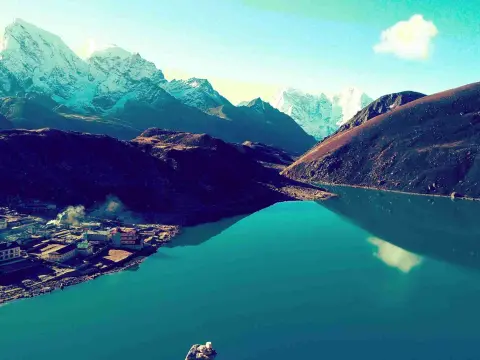
The Gokyo and Cho La Pass Everest Base Camp (EBC) Trek is a remarkable adventure that combines two of the most iconic trekking experiences in the Himalayas. This trek allows adventurers to explore the spectacular beauty of the Everest region, including the serene Gokyo Lakes, the challenging Cho La Pass, and the legendary Everest Base Camp. Unlike the traditional Everest Base Camp trek, this route provides an alternative path, revealing lesser-known trails, remote Sherpa villages, and pristine glacial landscapes. Trekkers witness panoramic views of some of the world’s tallest peaks, including Mt. Everest (8,848 m), Lhotse (8,516 m), Makalu (8,481 m), Cho Oyu (8,201 m), and many surrounding Himalayan giants, all while experiencing the unique culture of the Sherpa people.This trek spans 16 days, beginning with a flight to Lukla, the gateway to the Everest region, and ending in Kathmandu. The journey includes moderate to challenging trekking days, high-altitude passes, and scenic overnight stops in traditional teahouses. Highlights of the trek include Gokyo Ri, which offers arguably the most breathtaking panoramic view of Everest; Cho La Pass, a high-altitude pass connecting Gokyo with the Everest Base Camp trail; and the serene Gokyo Lakes, renowned for their turquoise beauty and reflections of snow-capped peaks. Along the way, trekkers also encounter picturesque villages such as Namche Bazaar, Tengboche, Dingboche, and Gorakshep, where local culture, Buddhist monasteries, and traditional Sherpa hospitality are on full display.16-day trek covering Everest Base Camp, Gokyo Lakes, and Cho La Pass.Panoramic views of Everest, Lhotse, Makalu, and Cho Oyu.Experience Sherpa culture and high-altitude Himalayan villages.Scenic trekking through forests, glaciers, and alpine meadows.Best Season for Gokyo and Cho La Pass EBC TrekThe best season to trek the Gokyo and Cho La Pass EBC route is during the pre-monsoon (March to May) and post-monsoon (late September to November) periods. During these months, the weather is generally stable, with clear skies, moderate temperatures, and optimal conditions for trekking and photography. In spring, rhododendron forests burst into vibrant colors, creating a striking contrast against the white Himalayan peaks. Summer months, particularly June to August, are not ideal due to the monsoon season, which brings heavy rain, landslides, and slippery trails. Winter, from December to February, is cold with significant snowfall, making high passes like Cho La more challenging and risky.Trekkers during the spring season benefit from moderate temperatures, ranging from 10°C to 20°C at lower altitudes, while higher camps can drop below freezing at night. Clear skies provide uninterrupted views of Everest, Makalu, Cho Oyu, and Lhotse. Autumn offers similar conditions with cooler weather and minimal rainfall, making it perfect for those seeking more comfortable trekking days. Both seasons offer excellent opportunities for witnessing stunning sunrises over the Himalayan peaks and capturing reflections in the Gokyo Lakes. Nepal Planet Treks & Expedition recommends trekking with proper gear for high-altitude conditions, including layered clothing, sturdy boots, and sun protection, regardless of the season.Key Points:Best months: March–May (spring) and late September–November (autumn).Avoid monsoon (June–August) and harsh winter (December–February).Spring offers blooming rhododendrons; autumn ensures clear skies and cooler temperatures.Weather at high altitudes can be unpredictable; proper gear is essential.Gokyo and Cho La Pass EBC Trek Difficulty and TransportationThe Gokyo and Cho La Pass EBC Trek is considered a challenging to strenuous trek, requiring a good level of physical fitness and high-altitude trekking experience. The trail involves trekking through moderate inclines, rocky paths, and high mountain passes, with Cho La Pass (5,420 m) being the most demanding section. Trekkers face long hiking days of 5–8 hours, potential altitude-related symptoms, and cold weather conditions at higher elevations. Despite the challenges, the route is well-supported with teahouses, acclimatization days, and guidance from experienced local guides, making it achievable for adventurous trekkers who train adequately before the journey.Transportation for this trek begins with a flight from Kathmandu to Lukla (35 minutes), widely regarded as one of the world’s most thrilling air routes, offering views of snow-capped peaks and the Dudh Koshi River. From Lukla, trekking is done entirely on foot, passing through villages such as Phakding, Namche Bazaar, Tengboche, Dingboche, and Gokyo. Return journeys from Lukla to Kathmandu are also by flight, with spectacular aerial views of Everest and surrounding peaks. Nepal Planet Treks & Expedition ensures that transportation is safe, timely, and coordinated to minimize risk, with contingency plans for weather-related delays.Key Points:Trek Difficulty: Moderate to strenuous with high-altitude challenges.High point: Cho La Pass (5,420 m).Average trekking time: 4–8 hours per day.Transportation: Kathmandu-Lukla-Kathmandu flights; trekking on foot for the rest.Food and Accommodation for Gokyo and Cho La Pass EBC TrekAccommodation along the Gokyo and Cho La Pass EBC Trek is primarily in teahouses and lodges, offering basic but comfortable rooms with single or shared beds. Facilities improve as trekkers descend from higher altitudes, while the higher camps at Gorakshep or Dole may have limited amenities due to their remote location. Teahouses often provide communal dining areas, hot showers (for a fee), and charging facilities for electronic devices. Although basic, these accommodations offer warmth, shelter, and the opportunity to interact with local Sherpa families.Food on this trek is diverse and caters to both local and international palates. Trekkers can enjoy traditional Nepalese dishes such as dal bhat (lentil soup with rice), momo (dumplings), and thukpa (noodle soup), alongside Western options like pasta, pancakes, and fried rice. Meals are freshly prepared, though prices may be higher at extreme altitudes due to logistical challenges. Adequate hydration is essential; boiled water, tea, and electrolyte drinks are recommended to prevent altitude sickness. Nepal Planet Treks & Expedition ensures trekkers are guided to safe food options and encourages packing essential snacks such as energy bars, nuts, and chocolates to maintain energy levels during long trekking days.Key Points:Accommodation: Teahouses/lodges with basic amenities, communal dining.Hot showers and charging available at select lodges.Food: Local and international cuisine, including dal bhat, momo, and pasta.Tips: Carry snacks, stay hydrated, and prefer boiled water to avoid illness.Gokyo and Cho La Pass EBC Trek PermitsTrekking in the Everest region requires several permits to ensure legal entry and support conservation efforts. The main permits include the Sagarmatha National Park Permit (SNP) and the Trekkers’ Information Management System (TIMS) card. The Sagarmatha National Park Permit is required for all trekkers entering the national park area, helping maintain the park’s ecosystems and wildlife. The TIMS card tracks trekkers’ movements, ensuring safety and accountability. Both permits can be obtained in Kathmandu or at the Salleri/Monjo check-post, but it is recommended to arrange them in advance through Nepal Planet Treks & Expedition to avoid delays.Additional permits may be required if trekking through restricted areas or during specific conservation projects, such as local entry permits for villages near Gokyo Lakes or high passes. Nepal Planet Treks & Expedition provides full assistance in securing all necessary permits, guiding trekkers through the documentation, and ensuring compliance with local regulations. This comprehensive approach ensures a smooth trekking experience, allowing trekkers to focus on the adventure rather than administrative hurdles. Permits also support local communities, contribute to sustainable tourism, and help maintain the pristine beauty of the Everest region for future generations.Key Points:Mandatory permits: Sagarmatha National Park Permit & TIMS card.Optional/restricted area permits for Gokyo and other remote villages.Nepal Planet Treks & Expedition handles permit arrangements.Supports conservation, local communities, and trekking safety.Why Choose Gokyo and Cho La Pass EBC TrekThe Gokyo and Cho La Pass EBC Trek is ideal for trekkers seeking a less crowded, adventurous, and visually stunning alternative to the traditional Everest Base Camp route. By combining the EBC trail with the Gokyo Lakes and high-altitude Cho La Pass, this trek offers some of the most dramatic Himalayan landscapes, including glaciers, serene alpine lakes, and towering peaks. It is perfect for photography enthusiasts, adventure seekers, and those eager to experience authentic Sherpa culture in remote villages.Nepal Planet Treks & Expedition stands out as a trusted partner for this trek. With years of experience in the Everest region, the company provides expert guides, logistical support, safe accommodations, and customised itineraries. Their team prioritises safety, acclimatisation, and a balanced trekking pace, ensuring that clients enjoy the journey without unnecessary stress. Choosing this trek with Nepal Planet Treks & Expedition guarantees a well-rounded experience, combining adventure, culture, natural beauty, and the thrill of crossing a challenging high-altitude pass. For anyone dreaming of standing in the shadow of the world’s highest peaks while exploring the hidden gems of the Khumbu region, this trek is an unforgettable Himalayan adventure.Key Points:Combines Everest Base Camp, Gokyo Lakes, and Cho La Pass for a unique route.Less crowded trails, serene landscapes, and remote Sherpa villages.Expert guidance and support from Nepal Planet Treks & Expedition.Ideal for adventure seekers, photographers, and cultural explorers.
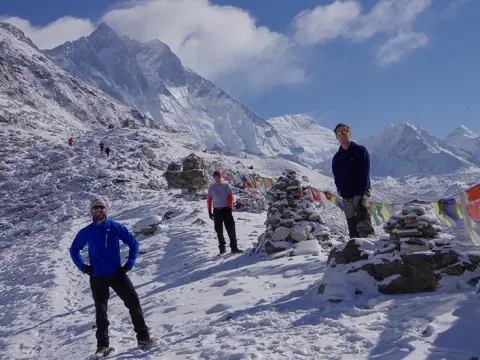
The Everest Base Camp Trek Without Flight offered by Nepal Planet Treks & Expedition provides adventurers a unique way to experience the Khumbu region without the need for a Lukla flight. This overland trek begins with a scenic drive from Kathmandu to Phaplu or Salleri, passing through lush valleys, terraced farmlands, and small Sherpa villages. This route not only allows trekkers to bypass the often unpredictable flights to Lukla but also provides an immersive introduction to the culture and landscapes of eastern Nepal. Travelers get to witness rural life, meet local families, and enjoy the tranquility of villages untouched by mass tourism.Once on the trekking trail, the journey gradually ascends through Nunthala, Bupsa, Surke, and other lower Solukhumbu villages, allowing trekkers to acclimatize naturally. The trek then merges with the traditional Everest trail at Phakding, continuing through Namche Bazaar, Tengboche, Dingboche, and Gorak Shep, before reaching the iconic Everest Base Camp (5,364m). An optional sunrise hike to Kala Patthar (5,545m) offers spectacular panoramic views of Mount Everest, Lhotse, Nuptse, and Ama Dablam.Scenic overland drive through eastern NepalGradual acclimatization through lower Khumbu villagesCultural experience with Sherpa hospitality and monasteriesTrekking to Everest Base Camp without depending on flightsSunrise hike to Kala Patthar for iconic Himalayan viewsThis trek is ideal for adventurers seeking a slower, culturally immersive approach to the Everest region while avoiding the risk of flight delays or cancellations. The route also allows travelers extra days for acclimatization, making it safer and more enjoyable for those not in a rush.Best Season for Everest Base Camp Trek Without FlightThe Everest Base Camp Trek Without Flight can be undertaken in multiple seasons, but the best periods are pre-monsoon (March to May) and post-monsoon (late September to November). During these months, the weather is relatively stable, the skies are clear, and visibility of the majestic Himalayan peaks is at its peak. Spring brings vibrant rhododendron blooms and lush greenery in lower regions, creating a picturesque trek filled with colors. Autumn offers crisp air, stunning sunrises, and the iconic views of Everest and surrounding peaks without the haze that can occur in summer.Traveling in the off-season (June to August) is less common due to the monsoon rains, which make trails slippery and increase the risk of landslides, especially on the drive from Kathmandu to Phaplu. Winter (December to February) offers clear skies and minimal crowds but temperatures drop significantly, especially above 4,000 meters, and snow may block higher sections of the trail.Best season highlights:Spring (March–May): Blooming flowers, pleasant temperatures, clear viewsAutumn (September–November): Stable weather, panoramic vistas, ideal trekking conditionsAvoid Monsoon (June–August): Risk of landslides and slippery trailsWinter (December–February): Low crowd, snow-covered landscapes, very coldChoosing the right season ensures not only safety but also maximizes your chances of experiencing the majestic Himalayan scenery in all its glory, making the journey unforgettable.Everest Base Camp Trek Without Flight Difficulty and TransportationThe difficulty level of the Everest Base Camp trek without flight is moderate to challenging, making it suitable for physically fit trekkers with prior trekking experience. The overland route allows for gradual acclimatization, reducing the risk of altitude sickness. Trekkers typically start at lower elevations after the scenic drive from Kathmandu, which provides a gentle introduction to the higher altitudes. The trek involves walking 5–8 hours per day, with some steep ascents in areas like Namche Bazaar, Tengboche, and the approach to Gorak Shep and Kala Patthar.Transportation for this route is a significant feature. The journey begins with a jeep or bus drive from Kathmandu to Phaplu or Salleri, covering approximately 266 km and taking 8–9 hours. These drives pass through hills, forests, and terraced villages, offering a glimpse of rural Nepali life. Using road transport instead of flying makes the trek more predictable, as Lukla flights are frequently delayed or canceled due to weather.Key points on difficulty and transportation:Moderate to challenging trek with 5–8 hours of daily walkingGradual acclimatization lowers altitude sickness riskOverland journey via jeep/bus from Kathmandu to Phaplu/SalleriSteep sections near Namche, Tengboche, Gorak Shep, and Kala PattharTerrain includes forest paths, stone steps, and rocky trailsThe combination of road travel and trekking provides a unique balance of adventure, cultural exploration, and manageable physical challenge for those looking to reach Everest Base Camp safely.Food and Accommodation for Everest Base Camp Trek Without FlightDuring the Everest Base Camp Trek Without Flight, food and accommodation are simple yet comfortable, with most stays in tea houses and lodges along the route. These family-run lodges offer warm hospitality, basic amenities, and hearty meals to refuel after long days of trekking. In lower villages like Nunthala, Bupsa, and Surke, the lodges are cozy with shared bathrooms and traditional Nepali-style dinners. As trekkers ascend, facilities become simpler due to the remoteness of the higher Khumbu region, with smaller tea houses providing basic rooms and limited electricity.Food is typically a combination of Nepali and Western dishes, including dal bhat (lentil soup with rice), momo (dumplings), soups, noodles, and porridge. Meals are nutritious and filling, designed to keep energy levels high during high-altitude trekking. Hot drinks like tea, coffee, and chocolate are readily available, and trekkers are advised to drink plenty of water to aid acclimatization.Highlights of food and accommodation:Family-run tea houses and lodges along the routeTraditional Nepali meals such as dal bhat and momoHot beverages to combat cold temperaturesBasic amenities, with simpler lodges at higher elevationsOpportunities to experience Sherpa hospitality and local cultureThe combination of warm meals and welcoming accommodation ensures trekkers remain comfortable, well-fed, and energized while trekking through the challenging yet stunning landscapes of the Everest region.Everest Base Camp Trek Without Flight PermitsTrekking to Everest Base Camp without a flight requires proper permits to ensure safety and legality. The key permits for this route include the TIMS (Trekkers’ Information Management System) Card and the Sagarmatha National Park Permit. The TIMS card is mandatory for all trekkers in the Khumbu region and acts as identification for trekkers, while the Sagarmatha National Park Permit allows entry into the protected areas around Everest and supports conservation efforts.These permits are typically arranged by trekking companies like Nepal Planet Treks & Expedition, which handles all documentation before the journey. Permit fees vary depending on nationality and season, and trekkers must carry copies along the route. Additionally, guides and porters also require permits to accompany trekkers safely through the high-altitude regions.Key permit details:TIMS Card: Identification and tracking for trekkersSagarmatha National Park Permit: Required for entering the parkFees included in trekking package with Nepal Planet Treks & ExpeditionGuides and porters carry their own permitsPermits support conservation and local communitiesProper permits not only ensure compliance with Nepali law but also enhance safety and access to official trekking routes, making the Everest Base Camp journey smooth and stress-free.Why Choose Everest Base Camp Trek Without FlightChoosing the Everest Base Camp Trek Without Flight with Nepal Planet Treks & Expedition offers several unique advantages over the traditional Lukla flight route. First, it eliminates the risk of flight cancellations, which are common due to unpredictable weather in the Everest region. By traveling overland, trekkers have a safer and more predictable start to their adventure. Additionally, this route provides extra days for acclimatization, reducing the risk of altitude sickness and increasing comfort during the trek.The overland journey also allows trekkers to explore off-the-beaten-path villages, interact with local Sherpa families, and experience authentic Nepali culture. The gradual ascent through lower Solukhumbu villages such as Nunthala, Bupsa, and Surke gives trekkers a deeper connection to the region and its people. The trek combines adventure, culture, and natural beauty, culminating in the iconic Everest Base Camp and panoramic views from Kala Patthar.Why choose this option:Avoid Lukla flight cancellations and delaysGradual acclimatization reduces altitude sickness riskImmersive cultural experience in Sherpa villagesScenic overland journey through forests, farmlands, and hillsStunning Himalayan panoramas at Everest Base Camp and Kala PattharFor adventurers seeking a safe, scenic, and culturally enriching trek, this overland Everest Base Camp option is the ideal choice. It blends the thrill of reaching Everest Base Camp with the serenity and authenticity of rural Nepal.
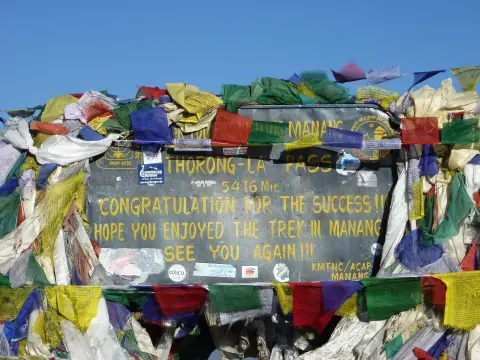
The Annapurna Circuit Trek, organized by Nepal Planet Treks & Expedition, is one of the most iconic trekking experiences in the world. The trek takes adventurers through the diverse landscapes of the Annapurna region, beginning in the lush, subtropical valleys and climbing gradually into high alpine terrain. Trekkers pass through terraced farmlands, dense rhododendron forests, and scenic villages inhabited by ethnic communities such as the Gurung and Thakali people. The trail follows the Marsyangdi River in its lower reaches, where its rapids and waterfalls create mesmerizing sights and soundscapes.The trek covers approximately 160–230 kilometers depending on the route, with Thorong La Pass (5,416m / 17,768 ft.) as the highest point. Along the way, trekkers experience unparalleled views of towering snow-capped peaks, including Annapurna I, Annapurna II, Gangapurna, Machhapuchhre (Fishtail), and Nilgiri. Wildlife is abundant, from deer and langurs in the lower forests to blue sheep and Himalayan marmots at higher elevations. Birdwatchers will find themselves in paradise, spotting species like blood pheasants, Himalayan monals, and migratory Siberian birds. A highlight of the trek is Manang, a central village offering breathtaking alpine vistas and insight into Gurkha heritage. Another key destination is Muktinath Temple, a sacred site for both Hindus and Buddhists, renowned for its eternal flame that has burned for centuries.Scenic Marsyangdi River valley and waterfallsViews of Annapurna, Gangapurna, and MachhapuchhreRich biodiversity and birdwatching opportunitiesCultural experiences in Gurung and Thakali villagesMuktinath Temple pilgrimage siteBest Season for Annapurna Circuit TrekThe best season to trek the Annapurna Circuit is typically spring (March–May) and autumn (September–November). These periods offer the clearest skies, pleasant temperatures, and ideal conditions for high-altitude trekking. Spring is particularly famous for blooming rhododendrons, which create a spectacular colorful landscape along the trail. Autumn offers stable weather, crisp air, and excellent views of snow-capped peaks, making it the most popular trekking season.The monsoon season (June–August) brings heavy rainfall, landslides, and leeches in lower regions, making trekking difficult and sometimes unsafe. Winter (December–February) is suitable only for experienced trekkers due to freezing temperatures, snow accumulation, and potential trail closures around Thorong La Pass. Trekkers attempting the circuit in winter will need additional gear such as down jackets, insulated boots, and crampons.Season Highlights:Spring (Mar–May): Blooming rhododendrons, moderate temperatures, clear mountain viewsAutumn (Sep–Nov): Stable weather, crisp air, stunning sunsets and sunrisesWinter (Dec–Feb): Snow-capped trails, fewer tourists, extreme coldMonsoon (Jun–Aug): Lush greenery, fewer trekkers, high rainfall risksNepal Planet Treks & Expedition advises planning the trek during spring or autumn to enjoy safe trekking and the most spectacular Himalayan vistas.Annapurna Circuit Trek Difficulty and TransportationThe Annapurna Circuit is considered moderate to challenging, suitable for trekkers with reasonable physical fitness and stamina. Trek duration ranges from 12 to 18 days, depending on the exact route and acclimatization days. The trail gradually ascends from 1,100 meters in Jagat/Syange to 5,416 meters at Thorong La Pass, giving trekkers time to acclimatize and reduce the risk of altitude sickness.Trekking is typically done on foot, but transportation options include:Kathmandu to Syange/Jagat: 8–10 hours by private jeep or tourist busJomsom to Pokhara: 25-minute scenic flight over the Annapurna rangePokhara to Kathmandu: 6–8 hours by road or 25-minute flightDifficulty Factors:Long walking hours (3–8 hours/day)Altitude gain of over 4,000 metersUneven and rocky trails in high alpine regionsCold temperatures at higher elevationsNepal Planet Treks & Expedition provides experienced guides, porters, and acclimatization plans to ensure safety and comfort for trekkers of all levels.Food and Accommodation for Annapurna Circuit TrekFood and accommodation on the Annapurna Circuit are comfortable and varied, especially along popular trekking routes. Traditional tea houses (lodges) offer warm beds, local cuisine, and hot showers at most stops. Higher-altitude lodges may have limited electricity, and rooms can be basic but cozy.Popular trekking meals include:Dal Bhat (lentil soup with rice): Nutritious and fillingMomos (dumplings): Chicken, vegetable, or cheese optionsThukpa (noodle soup): Perfect for colder high-altitude daysWestern dishes: Pasta, omelets, and pancakes are available in busier villagesNepal Planet Treks & Expedition ensures trekkers enjoy:Hygienic and comfortable accommodationsNutritious meals suitable for trekking energy needsHot beverages and packed snacks for long trekking daysAnnapurna Circuit Trek PermitsTrekking the Annapurna Circuit requires several permits to ensure safety and conservation:Annapurna Conservation Area Permit (ACAP): Mandatory for all trekkersTrekkers’ Information Management System (TIMS) Card: Required for monitoring and rescue servicesNepal Planet Treks & Expedition assists with all permit arrangements before the trek, so trekkers can focus entirely on their adventure. Carrying these permits is necessary at all checkpoints, and guides help ensure compliance with local regulations.Permit Highlights:Protects the environment and local wildlifeEnsures trekkers’ safety and access to rescue servicesSupports sustainable tourism and local communitiesWhy Choose Annapurna Circuit Trek with Nepal Planet Treks & ExpeditionChoosing Nepal Planet Treks & Expedition for the Annapurna Circuit Trek guarantees an authentic, safe, and well-organized experience. The company has years of experience in Himalayan trekking and provides professional guides, porters, and support staff to ensure a hassle-free journey.Reasons to choose Nepal Planet Treks & Expedition:Expert local guides with in-depth knowledge of culture and wildlifeComprehensive trek planning, including acclimatization schedulesComfortable accommodations and quality food along the routeAssistance with permits and transportation logisticsFocus on safety, including emergency evacuation supportWith Nepal Planet Treks & Expedition, trekkers not only experience the breathtaking landscapes of the Annapurna region but also immerse themselves in local culture, making the journey memorable for life.
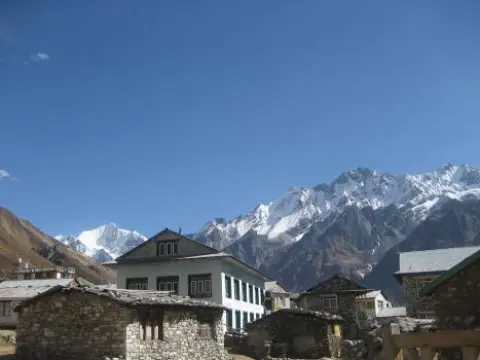
The Langtang Gosaikunda Trekking is one of Nepal’s most diverse and spiritually rewarding trekking adventures, combining the scenic beauty of the Langtang Valley with the sacred alpine lakes of Gosainkunda. Designed and operated by Nepal Planet Treks & Expedition, this trek explores a dramatic Himalayan landscape just north of Kathmandu, close to the Tibetan border. The journey passes through dense forests of rhododendron, bamboo, and pine, gradually opening into high alpine terrain surrounded by snow-capped peaks such as Langtang Lirung, Langtang Ri, Ganesh Himal, and Dorje Lakpa.A major highlight of the trek is Kyanjin Gompa, an ancient Buddhist monastery and spiritual center of the Langtang region. From here, trekkers can hike to Kyanjin Ri or Tserko Ri for breathtaking panoramic mountain views. The trail then connects with the sacred Gosainkunda Lake (4,380m), revered by both Hindus and Buddhists. According to legend, Lord Shiva created the lake to quench his thirst after consuming poison to save the universe. During the full moon in August, thousands of pilgrims visit this holy site, adding deep cultural significance to the trek.This trek also crosses the high Lauribina La Pass (4,610m), offering an adventurous challenge and unforgettable Himalayan scenery. The route continues through traditional Tamang and Sherpa villages, allowing trekkers to experience authentic mountain lifestyles, local hospitality, and rich cultural traditions. With its mix of natural beauty, religious importance, and moderate adventure, the Langtang Gosaikunda Trek is a complete Himalayan experience.Langtang Valley and Langtang National ParkKyanjin Gompa and panoramic viewpointsSacred Gosainkunda LakeLauribina La high mountain passRich Tamang and Sherpa cultureBest Season for Langtang Gosaikunda TrekkingChoosing the right season is crucial for enjoying the Langtang Gosainkunda Trek to its fullest. Spring (March to May) and Autumn (September to November) are considered the best trekking seasons by Nepal Planet Treks & Expedition. During these months, the weather is generally stable, skies are clear, and mountain views are at their sharpest. Spring brings blooming rhododendron forests and vibrant alpine flowers, while autumn offers crisp air and excellent visibility after the monsoon rains.Spring is especially attractive for nature lovers, as the lower trails are alive with colorful vegetation and wildlife. Temperatures are moderate, making trekking comfortable even at higher elevations like Gosainkunda and Lauribina La. Autumn, on the other hand, is the most popular trekking season in Nepal. The trails are lively but not overcrowded, and cultural festivals such as Dashain and Tihar add a festive atmosphere to the villages along the route.Winter (December to February) trekking is possible but challenging due to heavy snowfall around Gosainkunda Pass. Summer/monsoon (June to August) brings lush landscapes but also slippery trails and limited views. However, this season coincides with the Janai Purnima festival, when Hindu pilgrims visit Gosainkunda, offering a unique cultural experience for adventurous trekkers.Best Seasons at a Glance:Spring: Clear views, flowers, mild temperaturesAutumn: Best visibility, stable weatherWinter: Snowy and quiet (for experienced trekkers)Monsoon: Green landscapes, religious festivalsLangtang Gosaikunda Trekking Difficulty and TransportationThe Langtang Gosaikunda Trek is considered a moderate to moderately challenging trek, suitable for trekkers with reasonable fitness and some prior trekking experience. The route involves daily walking hours ranging from 4 to 7 hours, with gradual ascents and descents through forested trails, river valleys, and high alpine terrain. The most demanding section is the ascent to Lauribina La Pass (4,610m), where altitude and weather conditions can add to the challenge.Proper acclimatization is essential, and Nepal Planet Treks & Expedition carefully designs the itinerary with rest days, particularly at Kyanjin Gompa, to minimize the risk of altitude sickness. While technical climbing skills are not required, trekkers should be prepared for steep sections, rocky trails, and occasional snow at higher elevations. Mental readiness and steady pacing are just as important as physical strength.Transportation for the trek begins with a scenic but adventurous drive from Kathmandu to Syabrubesi, the gateway to the Langtang region. The journey takes approximately 7–8 hours by private jeep or local bus, passing through hills, rivers, and rural settlements. At the end of the trek, a short walk from Chisopani to Sundarijal connects back to Kathmandu by road, completing a full trekking circuit.Difficulty & Transport Summary:Trek grade: ModerateHighest point: Lauribina La Pass (4,610m)Start point: Syabrubesi (drive from Kathmandu)End point: Sundarijal (drive back to Kathmandu)Food and Accommodation for Langtang Gosaikunda TrekkingDuring the Langtang Gosainkunda Trek, trekkers can enjoy a variety of nourishing meals and comfortable accommodations, primarily in local teahouses and guesthouses. Nepal Planet Treks & Expedition ensures that trekkers stay in clean, well-managed lodges that offer warm hospitality and essential facilities. In remote or high-season situations, camping arrangements can also be organized based on trekkers’ preferences.Meals along the trail are simple yet hearty, designed to provide enough energy for long trekking days. The most common and recommended meal is Dal Bhat, a traditional Nepali dish consisting of rice, lentil soup, vegetables, and pickles—often with unlimited refills. Other options include noodles, pasta, fried rice, momos, soups, pancakes, porridge, and Tibetan bread. As altitude increases, menus become simpler, but food remains freshly prepared.Accommodation generally includes twin-sharing rooms with basic bedding. At higher elevations like Gosainkunda, facilities are more basic due to harsh conditions, but the warmth of local hosts and stunning surroundings make up for it. Hot showers, charging facilities, and Wi-Fi may be available at lower elevations for an additional cost.Food & Lodging Highlights:Teahouse and guesthouse accommodationNutritious local and international mealsVegetarian options are widely availableOptional camping arrangementsLangtang Gosainkunda Trekking PermitsTo trek in the Langtang Gosaikunda region, trekkers must obtain specific permits as required by the Government of Nepal. Nepal Planet Treks & Expedition handles all permit arrangements, ensuring a smooth and hassle-free trekking experience. These permits are essential for conservation, safety, and supporting local communities.The primary permit required is the Langtang National Park Entry Permit, as the trek passes through a protected area covering 1,710 square kilometers. This park is home to diverse wildlife, including red pandas, Himalayan black bears, and numerous bird species. The permit fee contributes directly to conservation efforts and sustainable tourism development.Additionally, trekkers need a TIMS (Trekkers’ Information Management System) Card, which helps authorities track trekkers for safety and rescue purposes. Both permits must be carried throughout the trek and may be checked at various checkpoints along the route.Required Permits:Langtang National Park Entry PermitTIMS CardPermit arrangement handled by the companyWhy Choose Langtang Gosainkunda TrekkingChoosing the Langtang Gosaikunda Trek means experiencing one of Nepal’s most balanced trekking adventures, where natural beauty, cultural richness, and spiritual depth come together. Unlike more crowded routes, this trek offers peaceful trails, authentic village life, and close-up mountain views within a relatively short distance from Kathmandu. The combination of Langtang Valley and Gosainkunda Lake makes it uniquely diverse.With Nepal Planet Treks & Expedition, trekkers benefit from expertly crafted itineraries, experienced local guides, and a strong focus on safety and responsible tourism. The company’s deep knowledge of the Langtang region ensures proper acclimatization, comfortable logistics, and meaningful cultural interactions. Whether you are a nature lover, cultural explorer, or spiritual seeker, this trek offers something truly special.The trek is also ideal for those looking for a less commercialized yet complete Himalayan journey, including high passes, sacred sites, wildlife, and traditional mountain hospitality—all in one route.Why This Trek Stands Out:Sacred Gosainkunda Lake and Kyanjin GompaFewer crowds than Everest or AnnapurnaRich Tamang and Sherpa cultureProfessionally organized by Nepal Planet Treks & Expedition
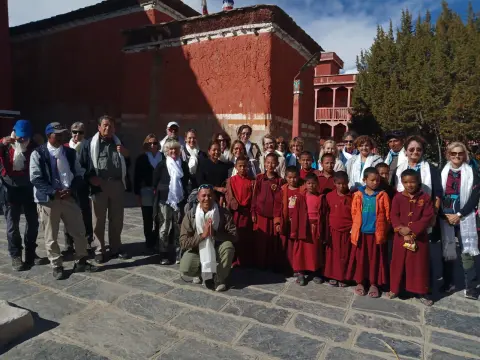
Upper Mustang Trekking, often called the “Last Forbidden Kingdom,” is one of Nepal’s most unique and culturally rich trekking experiences. Located in the remote northern part of the country, Upper Mustang remains largely untouched by modern tourism, preserving a landscape and culture reminiscent of ancient Tibet. This region was restricted for foreigners until 1992, which has helped maintain its traditional lifestyle, ancient monasteries, and historic walled city of Lo Manthang. Trekking in Upper Mustang is a journey through stark, high-altitude desert terrain with dramatic cliffs, deep gorges, and arid valleys, providing breathtaking views of the Annapurna and Dhaulagiri ranges. The trail connects ancient villages, monasteries, and chortens, allowing trekkers to witness the spiritual and everyday life of the local people.The trek usually starts with a flight from Pokhara to Jomsom, followed by an adventure into Kagbeni and beyond, reaching the medieval capital of Lo Manthang. Each stop along the trail, such as Tsehile, Syangmoche, Tsarang, and Chhusang, offers opportunities to experience local hospitality, traditional mud-brick houses, and intricate Buddhist art in monasteries. Trekkers are immersed in the unique Tibetan-influenced culture, complete with prayer flags fluttering against the dramatic backdrop of barren mountains. Upper Mustang Trekking combines natural beauty, historical significance, and cultural immersion, making it an unforgettable journey for adventurous travelers.Explore the walled city of Lo Manthang with ancient monasteries and a royal palace.Trek through arid desert landscapes and high-altitude valleys.Witness Tibetan Buddhist culture and centuries-old traditions.Experience remote villages such as Kagbeni, Tsarang, and Syangmoche.Enjoy panoramic views of the Annapurna and Dhaulagiri ranges.Best Season for Upper Mustang TrekkingChoosing the right season is crucial for a safe and enjoyable Upper Mustang Trek. The region experiences a high-altitude desert climate, which means temperatures fluctuate dramatically between day and night. The best trekking seasons are spring (March to May) and autumn (September to November). During these months, the skies are mostly clear, providing spectacular views of the mountains, and the weather remains stable with minimal rainfall. Spring offers blooming alpine flowers and lush greenery in the lower valleys, while autumn is known for crisp, clear air and vibrant skies.Winter months (December to February) are less recommended due to extremely cold temperatures, strong winds, and the possibility of snow, especially at higher elevations like Syangmoche and Lo Manthang. Summer (June to August) coincides with the monsoon, which brings heavy rainfall to most parts of Nepal. However, Upper Mustang, being in a rain shadow area, still receives less rain than other regions, though landslides and road disruptions can occur. Planning your trek during the recommended seasons ensures a balance of favorable weather, visibility, and overall trekking comfort, especially since high-altitude desert landscapes can be harsh and unpredictable.Best Season Highlights:Spring (March–May): Pleasant temperatures, blooming flowers, and lively villages.Autumn (September–November): Clear skies, perfect mountain views, and stable weather.Avoid Winter (Dec–Feb): Extreme cold and possible snow hazards.Avoid Monsoon (Jun–Aug): Rainfall risk and trail disruptions.Optimal trekking experience with minimal weather-related challenges.Upper Mustang Trekking Difficulty and TransportationUpper Mustang Trekking is considered moderate to challenging, primarily due to high-altitude exposure and the remote, rugged terrain. Daily trekking distances range from 5 to 8 hours, covering altitudes between 2,700m in Jomsom and 3,850m in Lo Manthang. While the trails are not technically difficult, altitude sickness is a concern, so acclimatization is essential. Trekkers should have a basic fitness level, stamina, and prior experience with high-altitude hiking. Trekking poles, layered clothing, and proper hydration are recommended to navigate the dry, windy trails and rocky paths.Transportation to the starting point usually involves a domestic flight from Pokhara to Jomsom, which saves significant time and avoids long, winding road journeys. From Jomsom, the trek continues on foot through traditional villages like Kagbeni, Chhusang, and Tsarang. Helicopter services are occasionally available for emergencies or sightseeing, but regular trekking follows well-marked trails that provide access to local teahouses and lodges.Difficulty and Transportation Summary:Moderate to challenging trek with daily 5–8 hours of walking.Altitudes range from 2,700m (Jomsom) to 3,850m (Lo Manthang).Fitness and acclimatization are crucial.Pokhara–Jomsom flight reduces travel time and avoids rough roads.Well-marked trails through villages, monasteries, and scenic desert landscapes.Helicopter options available for emergencies or sightseeing.Food and Accommodation for Upper Mustang TrekkingFood and accommodation along the Upper Mustang Trek are generally basic but comfortable, designed to provide trekkers with warmth and local flavor. Most villages have tea houses or lodges offering simple rooms with beds, blankets, and shared bathrooms. Accommodation standards are modest, as the region remains remote, but Nepal Planet Treks & Expedition ensures you stay at the best available lodges along the route. Some places may not have hot showers due to limited water and fuel sources, so trekkers should be prepared for basic amenities.Food on the trek is a mix of Nepali, Tibetan, and Western cuisine, including staples like dal bhat (lentil soup with rice), noodles, soups, and momos (dumplings). Due to the altitude and limited resources, meals may take longer to prepare, and prices are slightly higher than in Kathmandu or Pokhara. Trekkers are advised to carry snacks, energy bars, and hydration packs. Drinking water should always be purified or boiled, as sources may be untreated. Staying well-fed and hydrated is essential for coping with high-altitude conditions and maintaining energy throughout the trek.Food and Accommodation Highlights:Tea houses and lodges with basic but comfortable rooms.Simple bedding; hot showers may be limited.Local Nepali and Tibetan dishes: dal bhat, noodles, momos, soups.Availability of Western meals in some lodges.Snacks, energy bars, and purified water are recommended.Friendly hospitality and cultural immersion in villages.Upper Mustang Trekking PermitsUpper Mustang is a restricted region, and trekkers require a special permit to enter. This permit is part of the Nepalese government’s effort to protect the region’s unique culture and fragile environment. The Restricted Area Permit (RAP) must be obtained before the trek, and the process is usually facilitated by trekking companies like Nepal Planet Treks & Expedition. Permits include strict rules on staying in authorized villages and limiting the number of trekkers per season.In addition to the RAP, international trekkers must also secure a TIMS card (Trekkers’ Information Management System), which ensures safety and tracking of trekkers. Permit fees can be significant, and the cost varies depending on nationality and group size. Because Upper Mustang is sensitive culturally and environmentally, it’s crucial to respect local regulations, avoid littering, and seek guidance from local authorities. Trekking with a reputable company ensures that all permits are obtained in advance, allowing trekkers to enjoy a hassle-free journey while contributing to the conservation of this historic region.Permit Details:Restricted Area Permit (RAP) required for Upper Mustang.Trekkers also need a TIMS card.Permit fees vary based on nationality and group size.Trekking companies facilitate permit processing.Strict rules on staying in authorized villages and environmental protection.Essential for cultural preservation and responsible trekking.Why Choose Upper Mustang TrekkingChoosing Upper Mustang Trekking with Nepal Planet Treks & Expedition offers a once-in-a-lifetime adventure that combines cultural immersion, natural beauty, and historical exploration. Upper Mustang is perfect for trekkers seeking an off-the-beaten-path experience, away from the crowds of popular trekking routes like Annapurna or Everest. The region’s untouched landscapes, the medieval walled city of Lo Manthang, and Tibetan Buddhist heritage provide a unique and spiritual trekking journey.Nepal Planet Treks & Expedition offers expert guidance, well-planned itineraries, and reliable logistical support. With experienced local guides, trekkers gain insight into the rich Mustang culture, history, and traditions while ensuring safety and comfort throughout the journey. From arranging flights, permits, accommodations, and meals to providing cultural explanations and emergency support, the company ensures a seamless and memorable trekking experience. For travelers seeking adventure, solitude, and cultural depth, Upper Mustang Trekking is a destination that leaves an enduring impression.Reasons to Choose Upper Mustang Trekking:Explore the “Last Forbidden Kingdom” with a rich cultural heritage.Witness Tibetan-influenced villages, monasteries, and chortens.Trek through surreal high-altitude desert landscapes.Expert guidance and logistical support from Nepal Planet Treks & Expedition.Safe, well-organized, and immersive trekking experience.An unforgettable journey combining adventure, history, and spirituality.
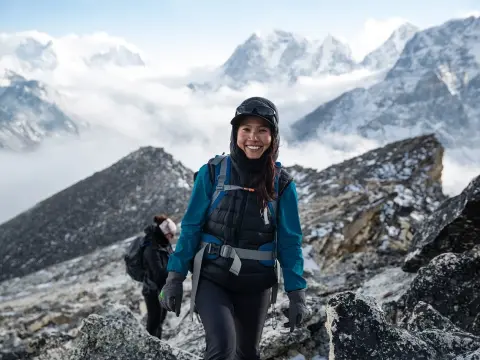
Kanchenjunga Trekking in Nepal is an extraordinary adventure that takes you to the base of the world’s third-highest peak, Mount Kanchenjunga (8,586 meters). Located in the far eastern region of Nepal, this trek offers a remote and less-crowded experience compared to other popular treks like Everest and Annapurna. The journey provides a unique blend of natural beauty, cultural diversity, and challenging terrain, making it a dream destination for avid trekkers.The trek typically starts from Taplejung, a small town accessible by a short flight from Kathmandu to Bhadrapur, followed by a drive. The trail passes through lush green forests, terraced fields, traditional villages, and high-altitude landscapes, offering breathtaking views of Kanchenjunga and other Himalayan peaks. The region is also home to diverse flora and fauna, including rare species like the red panda and snow leopard, as well as vibrant rhododendron forests.One of the highlights of the Kanchenjunga Trek is the opportunity to experience the rich culture of the local communities, including the Limbu, Rai, and Sherpa people. Their unique traditions, festivals, and hospitality add a cultural dimension to the trek. The trail also includes visits to sacred monasteries and high-altitude lakes, adding a spiritual element to the journey.The trek is considered challenging due to its remote location, high altitude, and rugged terrain. It usually takes around 20-25 days to complete, depending on the route chosen. The two main routes are the North Base Camp and the South Base Camp, with some trekkers opting to combine both for a more comprehensive experience. Proper acclimatization and physical fitness are essential for a successful trek.Kanchenjunga Trekking is a perfect choice for those seeking an off-the-beaten-path adventure in Nepal. It offers a rare combination of pristine natural beauty, cultural richness, and the thrill of exploring one of the most remote and stunning regions of the Himalayas.
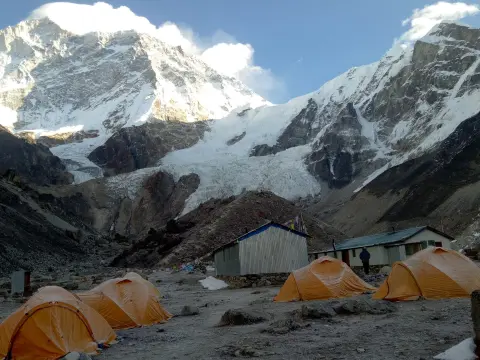
Mount Makalu, standing at 8,463 meters, is the fifth-highest peak in the world, and reaching its base is an unforgettable experience. A trek to Makalu Base Camp offers the chance to see some of the highest peaks on the planet, including Mount Everest, Mount Chamlang, and Mount Lhotse. The trek can be moderately challenging in certain sections, depending on your fitness level. In addition to the breathtaking scenery, the trail to Makalu Base Camp also provides opportunities to explore diverse cultural heritage. The area is part of Makalu Barun National Park, which covers 2,330 square kilometers and spans the Solukhumbu and Sankhuwasabha districts of Nepal, filled with an abundance of wildlife and vegetation.Makalu Base Camp areaThe Makalu Base Camp Trek is located in the Khumbu Valley, primarily inhabited by the Sherpa people. The adventure begins with a short flight from Kathmandu to Tumlingtar in central Nepal, which takes approximately half an hour. The trail to Makalu Base Camp encircles the Arun River basin’s subtropical gorge and leads to stunning mild passes known as Tutu La Pass (4200 m) and Keke La Pass (4230 m).As you trek, you’ll find numerous trails ascending from the desolate Barun River gorge, showcasing a mix of both challenging and scenic routes. This journey offers breathtaking views of towering snowy mountains, vibrant rhododendron forests, and diverse alpine plants, creating unforgettable memories throughout the trek.Thanks to improvements in infrastructure over the past few years, trekking to Makalu Base Camp is now more comfortable. Travelers have the option to stay in tea houses or homestays, which are neat and clean and provide private accommodations.Let us help you design the perfect schedule for your holiday to the Makalu Base Camp Trek in Nepal!
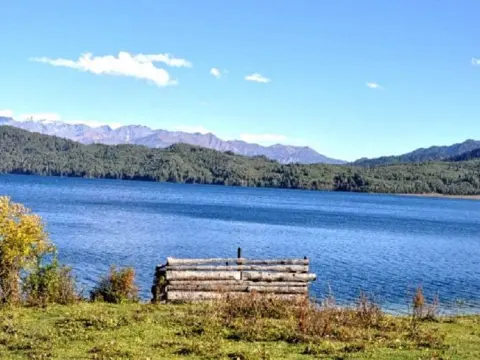
The Rare treks are one of the adventure and most incredible with interesting trekking all the range lie northwest of in Kathmandu in the remote region of the Karnali zone of Nepal.If you are looking wilderness and loneliness journey in Nepal this trek is one of the best choices forever. That,s Treks route is very much beaten track and affords glimpses of cultures and views of different from the rest of Nepal.The clear high altitude lake of Rare .which mirrors the snow-capped Himalayas is ringed whit blue pine, Black juniper forest, and Himalaya’s cypress. Rara lake is popular serenity pilgrim for Nepalese, in summer rainfalls low and ideal for trekking in the wither there is often snow on the ridge surrounding the lake, in the autumn season trekkers are pleased with a profusion of alpine flowers.Rara lake is one of the Biggest lakes with deepest and fresh water with mountiasn cold water from the Himalayas, it is the main feature of Rara National park of Nepal and it is located in Mugu districts in region of the jumala in Nepal.it is surrounded recover via Rara national and here has many unique floral with faunal and hosting the Rare a lots species around here, Rara lake is a five-kilo meter long and a two-kilo meter wide. It is of the best national al park in Nepal to see the lots wildlife animal, as like Ghorals, Tahr Musk dear, Leopards, black beer, and red panda with much more buds and around here during your visit in Rara lake in Rara National park in Nepal.
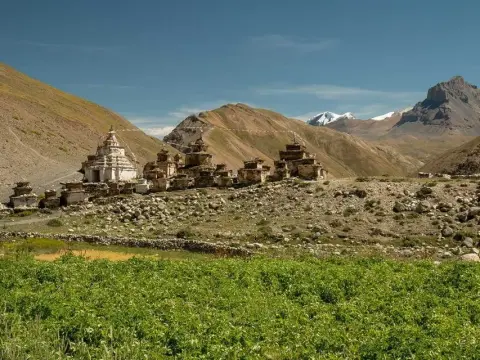
Lower Dolpo trek offers a diverse prospect to trip the far west area which charges visitors to shell out less permit cost. The charming trek to Lower Dolpo will let you mark the exceptional artistic diversity and magnificent know-how of the Himalayas. The Lower Dolpo Trek is arranged by Nepal Planet Treks and Expedition is specially meant for real adventurers who aspire for going around secluded areas. This remote zone in western Nepal was introduced for foreigners only in 1990.The area lies to the northern part from the Dhaulagiri Range in the main shade of the immense Himalayas which falls parallel to the vivid arid slopes of the peaks which appears to be an eternal fascinating scene. Also, you will see the Phoksundo Lake with eye-catching emerald colored water. It is, in fact, one of the deepest Himalayan Lakes. We will also observe the yak fleets that keep up the age-old salt trade with Tibet. From November up to April the region is nearly covered by snowfall so the local citizens for a moment migrate below to avoid cold in the region.The trek will let you go by Shey-Phoksundo National Park with astonishing mountain landscape, Buddhist monasteries as well as yak caravans. The Lower Dolpo trek, in fact, takes you through a wooded area; pass through pebbly canyons in the deserted flat terrain near the edge with Tibet. Letting you acquire the special permit, we Nepal Planet Treks and Expedition will aid you to experience the high lofty tundra and rocks and the micro-climate of Lower Dolpo as well as Phoksundo with the chilly air of the glaciers of Kanjiroba.The best season trekking to Lower Dolpa is from September to December and from May till July, So let you us for your best time and date, we will degion for your one of the best schedule regarding your Holidays Nepal.
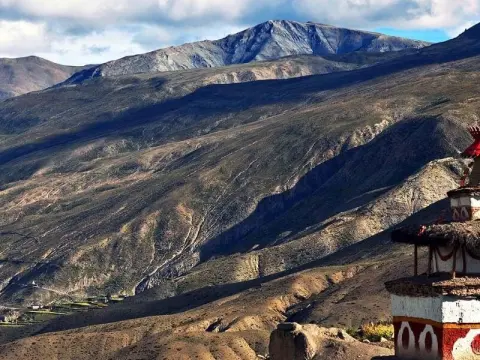
Trekking in Upper Dolpo offers a remote and adventurous journey through one of Nepal’s most isolated regions. Nestled in the rain shadow of the Himalayas, this trek features stark, arid landscapes, rich ancient Tibetan Buddhist culture, and breathtaking views of snow-capped peaks. Highlights include.include Shey Phoksundo Lake, medieval monasteries like Shey Gompa, and encounters with traditional yak caravans. The trail crosses high passes such as Kang La and Saldang La, requiring good fitness and acclimatization. Upper Dolpo remains untouched by modern development, making it a perfect destination for trekkers seeking solitude, cultural depth, and rugged, pristine Himalayan beauty. Special permits are required.The Upper Dolpo trek is a unique and remote journey in the mid-western region of Nepal, nestled within the Shey-Phoksundo National Park. Located behind the mighty Mt. Dhaulagiri and close to the Tibetan border, this region shares deep cultural and spiritual ties with Tibet. Scattered across the landscape are centuries-old Buddhist monasteries that showcase the rich Tibetan heritage preserved in this secluded part of Nepal. If you’re lucky, the trek also offers chances to spot rare and fascinating wildlife, including Snow Leopards, Blue Sheep, Himalayan Tahr, Jackals, Himalayan Mouse Hares, Yellow-throated Martens, Himalayan Black Bears, Himalayan Weasels, Rhesus Monkeys, Musk Deer, Langurs, and many more species.The trekking days typically range from 6 to 7 hours, traversing continuous ascents, rugged hills, and high mountain passes reaching elevations of up to 5,500 meters above sea level. Along the trail, you’ll witness stunning natural wonders, including the majestic Kanjiroba Peak and the breathtaking turquoise waters of Phoksundo Lake.Renowned for its high mountain passes, untouched natural beauty, and deep-rooted Tibetan cultural heritage, the Upper Dolpo region is a protected area. Trekking here requires a special permit, which must be arranged through Nepal government-registered travel agencies.As a licensed and registered travel agency, Nepal Planet Treks & Expedition (P) Ltd is fully authorized to arrange the official permits and guide you to the hidden wonders of the Upper Dolpo Region. With our team’s expertise, in-depth local knowledge, and strong regional connections, we ensure your journey is spirited, fun, meaningful, and truly unforgettable.Upper Dolpo Trekking is one of the most remarkable adventure routes in Nepal, offering raw natural beauty, rich Tibetan culture, and a unique remote experience. The best times for this trek are from mid-April to July, and again from September to mid-December.Let us know your preferred travel dates, and we will customize the perfect itinerary for your Upper Dolpo adventure—designed around your schedule to make your holiday in Nepal truly special
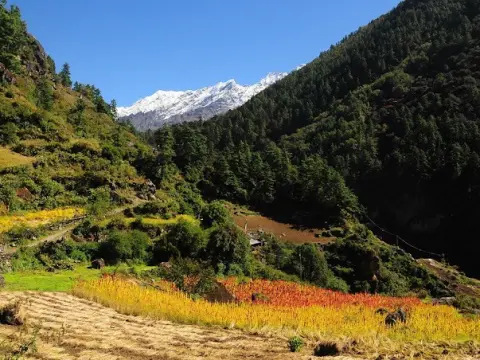
Tsum Valley Trekking, organized by Nepal Planet Treks & Expedition, is one of Nepal’s most enchanting and less-explored trekking destinations. Situated in the northern Gorkha region near the Manaslu Conservation Area, this hidden valley is often called a “Shangri-La,” thanks to its pristine natural beauty and deeply spiritual atmosphere. The valley was officially opened for trekking in 2008, and since then, it has remained relatively untouched by mainstream tourism. The trek offers a unique opportunity to experience ancient Tibetan Buddhist culture, centuries-old monasteries, and traditional villages that have preserved their way of life for generations.The trek begins from Soti Khola, a small village reachable from Kathmandu by road. From there, trekkers gradually ascend through lush forests, rivers, and terraced fields, passing villages like Jagat, Lokpa, Chhokangparo, and Mu Gompa. The highest point of the trek is Mu Gompa at 3,360 meters, the largest monastery in the valley, which serves as a spiritual and cultural hub. Tsum Valley is home to the Tsumbas, direct descendants of Tibetan people, who still practice traditional rituals and follow Buddhist teachings. Along the trek, travelers experience the valley’s rich biodiversity, including rhododendron forests, alpine flora, and a chance to spot Himalayan wildlife such as red pandas and langurs.Explore remote Tibetan Buddhist monasteries and ancient shrines.Discover traditional Tsumbas villages and their culture.Walk through forests, rivers, and terraced farmland.Witness stunning Himalayan views and untouched landscapes.Option to extend the trek to Manaslu or Annapurna region.Best Season for Tsum Valley TrekkingThe best seasons for Tsum Valley Trekking are autumn (September to November), spring (March to May), and winter (December to February). During these months, the weather is generally stable, with clear skies and moderate temperatures, making the trekking experience safe and enjoyable. Autumn is particularly popular because the skies are clear, offering stunning panoramic views of the Himalayas. Spring, on the other hand, transforms the valley into a riot of colors as rhododendrons, primulas, and other alpine flowers bloom. Even in winter, while temperatures drop, the trails remain accessible, and the snow-capped peaks create breathtaking scenery for avid photographers and adventure enthusiasts.The monsoon season (June to August) is not recommended due to heavy rainfall, which causes landslides, slippery trails, and limited visibility. Trekking during the monsoon can be risky and may require additional logistics for safety. For those planning a winter trek, it’s essential to pack adequate warm clothing, as temperatures can drop below freezing, especially at higher altitudes like Mu Gompa and Chhokangparo.Key points about seasons:Autumn (Sept–Nov): Clear skies, moderate temperatures, ideal for photography.Spring (Mar–May): Blooming flowers, vibrant landscapes, moderate weather.Winter (Dec–Feb): Crisp air, snow-capped peaks, fewer trekkers.Monsoon (Jun–Aug): Avoid due to landslides and heavy rainfall.Tsum Valley Trekking Difficulty and TransportationTsum Valley Trekking is considered a moderate-level trek, suitable for trekkers with basic hiking experience and a reasonable fitness level. Daily walks typically range from 4 to 6 hours, gradually ascending from 1,000 meters in Soti Khola to 3,360 meters at Mu Gompa. The trails are well-marked but involve river crossings, stone paths, and occasional steep climbs. The trek is accessible for most people who maintain regular fitness, though high-altitude acclimatization is essential to avoid altitude sickness at higher points like Mu Gompa.Transportation to the Tsum Valley trek starts with a drive from Kathmandu to Soti Khola via Arughat Bazaar. This journey usually takes around 7–8 hours along scenic hilly roads. Some travelers may also take local buses or hire private jeeps for more comfort. During the trek, walking is the primary mode of transportation, allowing trekkers to immerse themselves in the natural and cultural landscapes of the valley. Hiring a local guide or porter through Nepal Planet Treks & Expedition is highly recommended for navigation, safety, and a deeper cultural experience.Difficulty and transportation highlights:Moderate trek, suitable for fit beginners and experienced trekkers.Daily walking time: 4–6 hours.Highest altitude: 3,360m (Mu Gompa).Transportation: Kathmandu → Arughat Bazaar → Soti Khola by jeep/bus.Local guide recommended for navigation and cultural insights.Food and Accommodation for Tsum Valley TrekkingDuring the Tsum Valley Trek, accommodation is basic but comfortable, primarily in lodges and homestays, reflecting the authentic rural lifestyle of the valley. Homestays offer a rare opportunity to live with local families, participate in their daily routines, and enjoy traditional hospitality. Lodges provide simple rooms with beds and shared bathrooms. In some remote sections, especially at higher altitudes, facilities are more rustic, but cleanliness and warmth are always prioritized. Camping is an alternative option for trekkers seeking a more adventurous experience, though it is less common.Food in the Tsum Valley is a highlight of the cultural experience. Local meals include Dal Bhat (rice with lentil soup), Tibetan bread, noodles, and vegetable soups, prepared with fresh ingredients grown in the villages. Some lodges also serve simple Western-style meals such as pasta or omelets. Staying in homestays allows trekkers to enjoy homemade dishes, often cooked on traditional wood-fired stoves, providing both warmth and authenticity. Hydration is crucial at high altitudes, and boiled or bottled water is recommended.Food and accommodation highlights:Lodges and homestays with basic facilities.Option for tent camping in select areas.Traditional meals: Dal Bhat, Tibetan bread, soups, noodles.Western meal options available in some lodges.Immerse in local culture through home-cooked meals and family stays.Tsum Valley Trekking PermitsTo trek in the Tsum Valley, all foreign trekkers must obtain two essential permits: the Manaslu Restricted Area Permit (RAP) and the Trekkers’ Information Management System (TIMS) card. The RAP is mandatory because the valley falls under a restricted area to preserve its unique culture and environment. Nepal Planet Treks & Expedition assists trekkers in obtaining these permits in Kathmandu before departure, ensuring a hassle-free start to the adventure.The permit system helps regulate tourism in the valley, ensuring minimal environmental impact and preserving the traditional lifestyle of the Tsumbas people. Trekkers should carry copies of their permits, passports, and travel insurance at all times during the trek. The cost of permits varies depending on nationality, the number of trekking days, and the season. Guides provided by Nepal Planet Treks & Expedition are well-versed in these regulations and ensure that trekkers comply fully with all requirements.Permit highlights:Required permits: Manaslu Restricted Area Permit (RAP) and TIMS card.Assists in conservation and cultural preservation.Mandatory to carry permit copies throughout the trek.Nepal Planet Treks & Expedition helps arrange permits efficiently.Why Choose Tsum Valley TrekkingTsum Valley Trekking offers an unmatched combination of natural beauty, cultural heritage, and spiritual immersion, making it one of the most rewarding treks in Nepal. Unlike popular trekking destinations, the valley remains less crowded, providing a serene and peaceful environment. Travelers get the chance to witness centuries-old monasteries, sacred caves, and chortens while interacting with locals who maintain traditional Tibetan customs. The trek also provides flexibility to continue into the Manaslu or Annapurna regions, making it ideal for those seeking extended adventures in Nepal.Choosing Nepal Planet Treks & Expedition ensures a seamless and memorable trekking experience. The company specializes in personalized trekking packages, expert guides, and reliable logistics, catering to individual needs and fitness levels. With a focus on safety, cultural sensitivity, and authentic experiences, Nepal Planet Treks & Expedition enhances the Tsum Valley journey by combining adventure with cultural exploration. Whether it’s navigating the remote trails, arranging homestays, or providing insights into Buddhist traditions, the company ensures that every trekker enjoys a fully immersive Himalayan adventure.Why choose Tsum Valley Trekking with Nepal Planet Treks & Expedition:Remote, untouched trekking destination with minimal crowds.Rich Tibetan Buddhist culture and heritage.Beautiful landscapes and Himalayan panoramas.Expert guides and reliable logistics.Option to combine with Manaslu or Annapurna treks.
The Nar Phu Valley trek only opened in 2003 and still remains a relatively little-trekked area. In fact, this hidden valley requires a special permit to enter. The Nar Phu Valley trek is a fantastic and real adventure mountain Himalaya wilderness experience that is unforgettable, with spectacular views. It is a truly hidden valley trail that offers trekkers a rare opportunity to explore around unspoiled valleys. It is very famous for the Himalayan nature with ancient Tibet culture as Buddhist.Nar Phu Valley trekking in Nepal is one of the Best Adventure tripsIt is being from Dharpani the famous route following the Annapurna around the trail and branches off from the Koto village. The Nar Phu Valley trek is a real Himalayan wilderness experience that is as unforgettable as it is spectacular. Tucked between the more visited Annapurna and Manaslu regions, Nar Phu is a true hidden gem that offers trekkers a rare opportunity to explore unspoiled valleys that feature a mix of raw Himalayan nature and ancient Buddhist culture.Nar-Phu Valley Trek Hidden by swirls of mountain mist ahead of us, from Kangla pass at 5200m the magnificent panorama view of Annapurna massif appears remote and forbidding.Our sturdy mountain ponies every few steps, their steaming sweat-soaked bodies heaving. Behind us, Hongde airport, which we left behind early in the morning, is a tiny speck. Our destination is the Nar-Phu valley, above the tree line on the upper limits of cultivation, in the very north of Manang district. It takes five hours to reach the pass that links Nar with Manang and three other Bhotia villages in the Nyershang down the valley. Nowadays, Nar Phu a population of about 300 inhabitants who depend on livestock, unlike most Bhotia people, whose trading patterns changed drastically after the Nepali Government closed borders with Tibet, the people of Nar and Phu valley were the least affected by this change. The tortuous path leading from the valley into Tibet had never made them dependent on the salt trade, and till today yak herding is the basis of their livelihood.Besides the Kangla linking Nar to the Nyeshang valley, the most direct route from Kathmandu to Nar and Phu is along the Marshyangdi River. Travelers trek through the Himalayan foothills and round the eastern end of the Annapurna before they arrive at Cupar, a police check post half an hour before Chame, Manang’s district headquarters. From here a long and steep trail winds up to Nar and Phu whose villagers, laden with goods purchased in Chame and even lower down in Besishhar, the end of the road head leading to Manang, often camp at Dharmashala, a rudimentary wooden hut built by the people from the two villages.The Nepal government’s recent decision to open up Nar and Phu to tourists has evoked little enthusiasm among the villagers, whose pastoral lifestyle continues. Apart from the odd researcher and climbing expeditions permitted to climb Him lung, Ratnachuli, and Gachikang, few foreigners have visited the area and tourism infrastructure is almost non-existent. Since Annapurna Conservation Area Project (ACAP) recently extended its network to include Nar and Phu Valley, it is preparing a suitable tourism development plan at the request of the government for undiscovered valleys.Nar Phu is a restricted region located in the mid-western region of Nepal. It was closed until 2002 when the government decided to open the region for trekking. The valley is entirely culturally Tibetan, and the lifestyle and landscape resemble that of Tibet.Tucked between the popular Annapurna and Manaslu regions, Nar Phu valley is considered a hidden gem that offers trekkers a rare opportunity to explore the exquisite and discreet parts of Nepal.The journey begins from Besi Sahar and ends at Pokhara. The latter part of the trek culminates into the western section of Annapurna circuit trek. The valley is located to the north of Annapurna, and is one of the rain-shadow areas of Nepal. The mud houses, monasteries and landscape may make you feel like visiting Tibet. You will also get to cross the treacherous Kang La Pass and Thorong La Pass during the trek.The Kang La pass links Nar with Manang and three other Mongol villages in the Neyshang valley. The entire trek can be a tough experience. The rising altitude and crossing the two high passes can still prove difficult for most of seasoned trekkers.The Nar Phu valley trek is one of the newly opened trekking routes located in the west north of Kathmandu. This beautiful trekking provides you immense opportunities to get close to local traditions, Culture, and Towering peaks, and in one word it is the Alluring trekking region of Nepal.Nar-Phu valley trek is inhabited by Tibetan people and their culture, however, this trip offers you to visit the Tibetan Village, Unbelievable Landscapes & Rocks, Vast Himalayan terrain, Grazing, Narrow Trekking paths, and a magical Valley.The Nar Phu valley trek begins from Kathmandu with a bus drive to Besisahar then we follow the popular trekking path of Annapurna circuit till we reach The pass then we follow the narrow trekking path which is the less trekked route and passing many wonderful landscapes and rugged roads.On this trek, you will have a delightful time as you will get so many opportunities to know about many new and unknown things regarding the different Nature, Flora, and fauna.This trip has few alternative options to go over the pass and link to Manang but the easiest way is through Thorang-la pass which is the most popular trekking route in Nepal but the if you are more e quiet trekkers who love more natural and don’t like that crowd then follow the trail to Tilicho lake, make the Kang la pass then follow the route of Nar-Phu valley trek.The Nar-Phu valley trek itself is heaven can’t compare to other parts of Nepal, has very old natural caves, the dry and towering mountains, and The Kali Gandaki river valley of them mixed it and Became Nar-Phu Valley Trek.After the ending of Nar Phu valley of the cross the Kang La pass, We have many options for where ever you want to go regarding your timetable. As you can back from Manag to Chame Village and drive back to Kathmandu or you can go to Throrong pass, a town heading to Jomsom, Ghorepani, or Upper mustang, and fly Pokhara or drive to Pokhara.
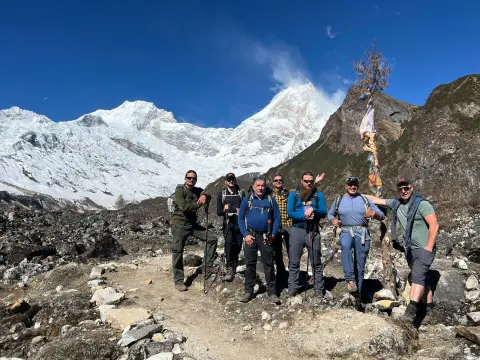
The Tsum Valley and Manaslu Circuit Trek is one of Nepal’s most remarkable and off-the-beaten-path trekking adventures. This trek combines two extraordinary regions: the sacred Tsum Valley, known for its spiritual monasteries and Tibetan Buddhist culture, and the rugged Manaslu Circuit, famous for its high mountain passes and panoramic Himalayan views. The journey starts from Kathmandu and takes trekkers through lush forests, terraced farmlands, and remote villages that have preserved their traditional lifestyle for centuries. The trail offers an ideal blend of natural beauty, cultural immersion, and adventure for trekkers looking for an enriching Himalayan experience.Tsum Valley, often called the “Hidden Valley,” is located in the northern part of Gorkha district, near the Tibetan border. This secluded valley is rich in Tibetan heritage, with ancient monasteries, sacred caves, and hospitable local communities. After exploring Tsum Valley, the trek rejoins the Manaslu Circuit, where trekkers encounter dramatic landscapes, deep river gorges, glacial rivers, and snow-capped peaks such as Manaslu (8,163m), Himalchuli, and Ganesh Himal. The trek culminates at Larkya La Pass (5,106m), offering some of the most breathtaking views in Nepal.Explore the untouched Tsum Valley with its monasteries and caves.Cross high passes, including the challenging Larkya La Pass.Panoramic views of Manaslu, Himalchuli, and Ganesh Himal.Experience traditional Tibetan-influenced villages.Immerse yourself in both adventure and spiritual serenity.Best Season for Tsum Valley and Manaslu Circuit TrekThe best time to undertake the Tsum Valley and Manaslu Circuit Trek is during Autumn (September to November) and Spring (March to May). During these months, the skies are usually clear, offering uninterrupted views of the snow-capped peaks. The weather is also more stable, with mild daytime temperatures ideal for trekking, while nights are cool but manageable with proper gear. These seasons provide excellent opportunities for photography, sightseeing, and enjoying the full vibrancy of the valley’s flora and fauna.Winter (December to February) is generally avoided due to extremely low temperatures at higher altitudes, snow accumulation, and closure of some teahouses in the region. Similarly, the Monsoon season (June to August) brings heavy rainfall, slippery trails, and the risk of landslides, making trekking difficult and unsafe. Spring, in particular, offers blooming rhododendron forests in the lower regions, while Autumn provides the clearest views after the monsoon clouds have cleared.Best Season Summary:Autumn (Sep-Nov): Clear skies, stable weather, vibrant landscapes.Spring (Mar-May): Blooming rhododendrons, pleasant trekking conditions.Winter (Dec-Feb): Cold and less favorable; high-altitude areas are risky.Monsoon (Jun-Aug): Avoid due to landslides and heavy rainfall.Tsum Valley and Manaslu Circuit Trek Difficulty and TransportationThe Tsum Valley and Manaslu Circuit Trek is considered a moderate to strenuous trek, suitable for experienced trekkers with good physical fitness. The trek involves long daily hiking hours, steep ascents and descents, and high-altitude trekking, especially while crossing Larkya La Pass (5,106m). Acclimatization days are included at strategic points such as Samagaon to reduce the risk of altitude sickness. Trekkers should be prepared for rugged terrain, river crossings, and variable weather conditions throughout the journey.Transportation for this trek begins with a drive from Kathmandu to Machhakhola, which usually takes around 7-8 hours. The drive passes through hilly roads, rivers, and scenic landscapes, offering a preview of the adventure ahead. After completing the trek at Dharapani, trekkers are transported back to Kathmandu by road, which takes approximately 8-9 hours. Nepal Planet Treks & Expedition ensures safe, comfortable, and timely transport to make the start and end of your trek hassle-free.Key Points:Trek Difficulty: Moderate to StrenuousDaily Hiking: 4–9 hours, depending on altitude and terrainMaximum Altitude: 5,106m at Larkya La PassTransportation: Road transfer from Kathmandu to Machhakhola and return from DharapaniFood and Accommodation for Tsum Valley and Manaslu Circuit TrekThroughout the Tsum Valley and Manaslu Circuit Trek, trekkers will stay in teahouses and lodges, which are simple but comfortable. These accommodations offer a warm bed, basic furniture, and shared bathroom facilities. In the lower regions, teahouses may provide a wide variety of meals, while higher-altitude lodges may have more limited options due to logistical challenges. Nepal Planet Treks & Expedition ensures that trekkers have access to safe and hygienic lodgings throughout the trek.Meals on the trek include traditional Nepali dishes like dal bhat (rice and lentils), momo (dumplings), noodles, soups, and vegetarian options. It is advisable to carry energy snacks such as nuts and chocolate, as well as a reusable water bottle with purification tablets. Tea houses also provide hot drinks, including tea, coffee, and local butter tea, perfect for warming up after a long day on the trail.Food and Accommodation Summary:Accommodation: Teahouses and lodges with basic facilitiesMeals: Dal bhat, noodles, soups, momos, and vegetarian optionsDrinks: Tea, coffee, and local Tibetan butter teaTips: Carry personal snacks, a water purifier, and extra layers for warmthTsum Valley and Manaslu Circuit Trek PermitsTrekking in the Tsum Valley and Manaslu Circuit requires specific permits due to the region’s protected status and restricted entry policy. Trekkers must obtain the Manaslu Restricted Area Permit (RAP), which regulates access to the Manaslu region. Additionally, the Tsum Valley Entry Permit is mandatory for exploring this sacred Himalayan valley. Nepal Planet Treks & Expedition handles all permit arrangements in advance, ensuring a smooth start to your trek without bureaucratic delays.Permit fees vary depending on nationality and duration of stay. The RAP is typically issued in Kathmandu or Arughat, and all trekkers must carry valid identification such as a passport. These permits not only allow access but also help preserve the fragile ecology and culture of the region.Permit Requirements:Manaslu Restricted Area Permit (RAP)Tsum Valley Entry PermitPassport with a valid IDPermit arrangement: Handled by Nepal Planet Treks & ExpeditionWhy Choose Tsum Valley and Manaslu Circuit TrekChoosing the Tsum Valley and Manaslu Circuit Trek offers a unique opportunity to explore one of Nepal’s most remote and culturally rich trekking regions. Unlike the popular Everest or Annapurna routes, this trek is relatively untouched by mass tourism, providing a peaceful and immersive experience. Trekkers witness authentic Tibetan-influenced villages, ancient monasteries, and the spiritual ambiance of the Hidden Valley. The Manaslu Circuit adds an element of adventure with high passes, deep gorges, and snow-capped Himalayan peaks.Nepal Planet Treks & Expedition ensures a professionally guided and well-organized journey. With experienced local guides, porters, and carefully planned itineraries, trekkers can focus on enjoying the stunning landscapes, cultural encounters, and personal achievement of completing a high-altitude trek. The combination of adventure, serenity, and cultural immersion makes this trek perfect for trekkers seeking an enriching Himalayan experience.Key Reasons to Choose This Trek:Remote and peaceful, away from crowded trailsRich Tibetan culture and spiritual monasteriesHigh passes and dramatic Himalayan landscapesExperienced guides and professional trekking support from Nepal Planet Treks & ExpeditionPerfect blend of adventure, culture, and natural beautyWhat Makes This Trek Special?Tsum Valley: Known as the “hidden valley,” it offers a unique blend of Tibetan culture, monasteries, and stunning landscapes that have remained mostly untouched by mainstream tourism.Manaslu Circuit: This trek showcases an incredible range of biodiversity and contrasts from lush subtropical forests to alpine meadows and high-altitude deserts.Remote Villages: Experience an unspoiled side of Nepal, with small, charming villages, Tibetan monasteries, and hospitable locals who will offer a warm ‘Namaste’.What to Pack for the Tsum Valley & Manaslu Circuit TrekClothing: Layered clothing is essential for this trek, including lightweight base layers, mid-layers for warmth, and a heavy-duty down jacket for colder weather.Footwear: Sturdy trekking boots with good ankle support and comfortable socks for long days.Accessories: Sunscreen, sunglasses, trekking poles, water bottles, and a good-quality backpack for your gear.Health: Carry personal medication, a first aid kit, and altitude sickness prevention pills like Diamox.Frequently Asked Questions (FAQs)1. Do I need a permit for the Tsum Valley and Manaslu Circuit Trek?Yes, you will need both the Manaslu Restricted Area Permit and the Tsum Valley Special Permit, along with the TIMS card (Trekking Information Management System). These can be arranged through your trekking agency.2. Is this trek suitable for beginners?While the trek is relatively moderate in difficulty, prior trekking experience at high altitudes is recommended due to the remote nature of the trek and the challenges posed by the altitude.3. How physically demanding is the trek?It’s a moderate to challenging trek, especially as you gain altitude. You’ll be trekking 5–8 hours per day with significant elevation gains.4. Do I need a guide?Yes, the Tsum Valley & Manaslu Circuit is a restricted trekking area, so you are required to have a licensed guide and porter (if needed) to accompany you.
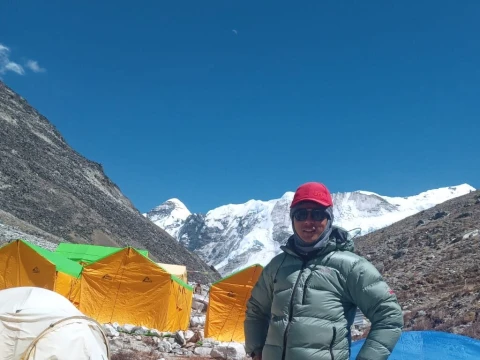
Island Peak Climbing, also known as Imja Tse (6,189m), is one of the most iconic and rewarding trekking peak adventures in Nepal’s Everest region. Operated professionally by Nepal Planet Treks & Expedition, this climb combines the legendary Everest Base Camp trek with an exciting introduction to Himalayan mountaineering. The journey begins with cultural immersion in Sherpa villages, scenic alpine trails, and gradual altitude gain that allows proper acclimatisation before the summit push. Standing between the towering giants of Lhotse, Ama Dablam, and Nuptse, Island Peak offers climbers a true sense of achievement without requiring advanced technical expertise.The ascent involves glacier travel, ladder crossings over crevasses, and a thrilling, steep snow and ice headwall near the summit. With expert Sherpa guides, fixed ropes, and safety-focused logistics, climbers can confidently experience their first 6,000-meter Himalayan peak. Reaching the summit rewards you with breathtaking panoramic views of Mount Everest, Lhotse, Makalu, Baruntse, and the Khumbu Glacier—a moment that defines a lifetime of adventure.Nepal Planet Treks & Expedition ensures a well-paced itinerary, quality equipment support, and personalised service throughout the expedition, making Island Peak an ideal choice for both first-time climbers and experienced trekkers seeking a stepping stone toward higher peaks.First Himalayan summit experienceEverest Base Camp acclimatisation routeGlacier travel and rope climbingSpectacular Himalayan panoramasExpert Sherpa guidanceBest Season for Island Peak ClimbingChoosing the right season is crucial for a successful Island Peak Climbing experience. The best seasons are Spring (March–May) and Autumn (September–November), when weather conditions are stable, skies are clear, and temperatures are suitable for high-altitude climbing. Nepal Planet Treks & Expedition schedules most expeditions during these periods to ensure safety, comfort, and summit success.Spring is particularly popular due to warmer temperatures at higher elevations and blooming rhododendron forests along the trekking routes. Snow conditions on the summit headwall are generally stable, making climbing more manageable. This season also coincides with major Everest expeditions, creating a lively mountaineering atmosphere in the Khumbu region.Autumn, on the other hand, offers crystal-clear mountain views following the monsoon rains. Trails are dry, weather is predictable, and visibility is at its best. Although slightly colder than spring, autumn provides excellent climbing conditions with fewer chances of snowfall interruptions.Winter climbs are possible but extremely cold, while the monsoon season is generally avoided due to poor visibility and higher risks.Best Seasons at a GlanceSpring: Warm, stable snow, vibrant landscapesAutumn: Clear skies, excellent visibilityWinter: Cold, technical, fewer climbersMonsoon: Not recommendedIsland Peak Climbing Difficulty and TransportationIsland Peak Climbing is classified as a moderately difficult trekking peak, suitable for physically fit individuals with basic mountaineering knowledge. While it does not require advanced climbing techniques, climbers must be comfortable using crampons, ice axes, harnesses, and fixed ropes. The most challenging section is the final summit ridge, which includes a steep ice headwall requiring rope ascent under the guidance of experienced Sherpa climbers from Nepal Planet Treks & Expedition.Altitude is the biggest challenge rather than technical difficulty. Proper acclimatization days in Namche Bazaar and Dingboche, along with a gradual ascent, significantly reduce the risk of altitude sickness. Mental resilience, endurance, and a positive attitude are just as important as physical strength for summit success.Transportation plays a vital role in the expedition. The journey begins with a scenic flight from Kathmandu to Lukla, one of the world’s most adventurous airstrips. From Lukla, the trek proceeds on foot through the Everest region. Nepal Planet Treks & Expedition manages all domestic flights, porter services, and logistics to ensure a smooth experience.Difficulty & Transport OverviewModerate technical difficultyHigh altitude endurance requiredLukla flight and trekking approachFixed ropes and Sherpa supportPrior trekking experience recommendedFood and Accommodation for Island Peak ClimbingDuring the Island Peak Climbing expedition, Nepal Planet Treks & Expedition ensures comfortable accommodation and nutritious meals throughout the trek and climb. Along the trekking route, climbers stay in well-maintained tea houses and lodges, offering warm rooms, shared dining areas, and basic amenities. These lodges provide a cozy environment to rest and recover after long trekking days.At Island Peak Base Camp and High Camp, accommodation shifts to fully supported camping. High-quality tents, sleeping mats, and insulated dining tents are provided to protect climbers from harsh alpine conditions. Hot drinks and freshly prepared meals help maintain energy levels during the most demanding part of the expedition.Food is carefully planned to support high-altitude performance. Meals include a mix of Nepali, Tibetan, and Western dishes, focusing on carbohydrates, proteins, and hydration. Special dietary requirements can be accommodated with advance notice.Food & Accommodation HighlightsComfortable tea houses during the trekFully supported camping at base and high campHygienic, energy-rich mealsHot drinks at high altitudeDietary needs accommodatedIsland Peak Climbing PermitsClimbing Island Peak requires several official permits, all of which are arranged by Nepal Planet Treks & Expedition to ensure a hassle-free experience. The most important is the Island Peak Climbing Permit, issued by the Nepal Mountaineering Association (NMA). This permit confirms legal access to the peak and supports mountain conservation.In addition, climbers must obtain a Sagarmatha National Park Entry Permit and a Khumbu Pasang Lhamu Rural Municipality Permit. These permits contribute to trail maintenance, environmental protection, and local community development in the Everest region.By handling all paperwork, Nepal Planet Treks & Expedition allows climbers to focus entirely on preparation and enjoyment. Transparent costs and timely permit processing ensure compliance with Nepalese regulations.Required PermitsIsland Peak Climbing Permit (NMA)Sagarmatha National Park PermitKhumbu Local Area PermitTIMS (if applicable)Why Choose Island Peak Climbing with Nepal Planet Treks & ExpeditionChoosing Nepal Planet Treks & Expedition for Island Peak Climbing means choosing safety, expertise, and personalised service. With experienced, government-licensed guides and highly trained Sherpa climbers, the company prioritises client well-being and summit success. Small group sizes allow for individual attention and flexible pacing, which is essential at high altitude.Nepal Planet Treks & Expedition is deeply committed to responsible tourism, environmental sustainability, and local community support. From fair porter treatment to eco-friendly practices, every expedition is conducted with respect for nature and culture. Their well-designed itineraries ensure proper acclimatisation, reducing risks and increasing success rates.Whether you are attempting your first Himalayan peak or expanding your mountaineering experience, Island Peak Climbing with Nepal Planet Treks & Expedition promises professionalism, unforgettable scenery, and a life-changing adventure.Why Travel With UsExpert Sherpa guidesHigh safety standardsCustomized itinerariesEthical and responsible tourismProven summit success rateWhat to BringHere’s what to pack for a successful Island Peak climb:Climbing Gear: Ice axe, crampons, harness, helmet (can be rented in Kathmandu)Clothing: Waterproof jacket, trekking pants, thermal wear, gloves, and base layersFootwear: High-quality trekking boots and climbing boots (for summit day)Safety gear: First-aid kit, trekking poles, headlampPersonal items: Water bottles, snacks, sun protection, power bankWhat Makes Island Peak Special?Accessible, Yet Challenging: Island Peak provides a perfect blend of adventure without requiring previous advanced mountaineering experience.Breathtaking Views: The climb offers unparalleled views of Mount Everest, Lhotse, Makalu, and the Khumbu Icefall you won’t find scenery like this anywhere else in the world.Cultural Experience: Climbing Island Peak isn’t just about the mountain; it’s about the people. The trek takes you through Sherpa villages, where you’ll witness unique cultures, monasteries, and local traditions.Climbing Island Peak is a dream for many adventurers, offering a perfect blend of technical challenge, stunning views, and a cultural experience in Nepal’s Everest region. Whether you’re looking to step up from trekking to your first peak or just looking for a Himalayan adventure that’s just right, Island Peak will leave you with memories for a lifetime.FAQs1. Do I need previous climbing experience?While basic mountaineering skills (like using ice axes and crampons) are helpful, you don’t need prior climbing experience. For first-timers, we recommend taking a short climbing course before the trek.2. How high is Island Peak?Island Peak stands at 6,189 meters (20,305 feet), making it one of the highest trekking peaks in Nepal.3. What is the success rate of summiting Island Peak?With proper acclimatisation, good physical preparation, and solid weather conditions, the success rate is high. However, altitude sickness or weather conditions can sometimes impact climbs.4. Do I need a guide and porter?It’s highly recommended to trek with a licensed guide. While the trail is well-marked, the added knowledge of a guide can improve safety, particularly on the summit day. Porters are also available for carrying personal gear.5. Is Island Peak safe to climb?Yes, it’s safe to climb, especially with a professional guide and good preparation. Your team will also be equipped with first aid kits, oxygen tanks, and weather forecasts to ensure safety during the climb.6. How much does Island Peak climbing cost?The total cost generally ranges between USD $2,000–$3,000, including permits, guide, porters, accommodation, and food. Prices vary based on package inclusions.
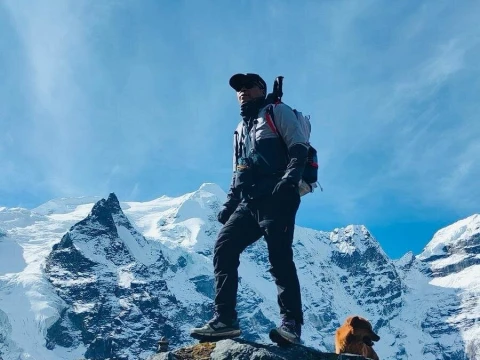
Mera Peak Climbing is one of the most rewarding high-altitude adventures in Nepal, perfectly suited for trekkers who dream of stepping into the world of mountaineering. Standing at 6,476 meters, Mera Peak is classified as a trekking peak, yet it delivers an authentic Himalayan climbing experience. Located in the remote Hinku Valley of the Khumbu region, the journey offers pristine trails, dramatic landscapes, and fewer crowds compared to other Everest-region routes.The adventure begins with a scenic flight from Kathmandu to Lukla, followed by a gradual trek through lush forests, alpine meadows, glacial valleys, and traditional Sherpa villages. Proper acclimatization days are built into the itinerary to ensure safety and success. The final summit push involves glacier travel and snow slopes, where climbers use crampons, ice axes, and ropes under expert guidance.From the summit, climbers are rewarded with one of the finest panoramic views in Nepal, including Everest, Lhotse, Makalu, Cho Oyu, and Kanchenjunga. With Nepal Planet Treks & Expedition, every aspect—from logistics to safety—is professionally handled, allowing climbers to focus on the experience.6,476 m non-technical trekking peakSpectacular Himalayan panoramaIdeal for first-time climbersExpert guides and full supportBest Season for Mera Peak ClimbingChoosing the right season is crucial for a successful and enjoyable Mera Peak expedition. The spring season (March to May) is considered the best time, offering stable weather, warmer temperatures, and excellent visibility. During this period, climbers enjoy longer daylight hours and safer climbing conditions, especially on the glacier and summit ridge.The autumn season (September to November) is another highly recommended time. Post-monsoon weather brings clear skies, crisp air, and stunning mountain views. Trails are dry, and the risk of heavy snowfall is lower, making trekking and climbing more comfortable. Autumn also coincides with Nepal’s major festivals, adding cultural richness to the journey.Winter climbs are possible but challenging due to extreme cold, while the monsoon season is not recommended due to poor visibility and slippery trails. Nepal Planet Treks & Expedition carefully plans departures during optimal seasons to maximize safety and summit success.Best Seasons:Spring: March–MayAutumn: September–NovemberClear skies and stable weatherHigher success rateMera Peak Climbing Difficulty and TransportationMera Peak is considered moderately difficult, making it suitable for trekkers with good physical fitness and some high-altitude experience. While the climb does not require advanced technical skills, it involves long trekking days, altitude gain, and basic mountaineering techniques. Proper acclimatization and mental endurance play a key role in reaching the summit.The summit day is physically demanding, with early morning starts and several hours of climbing on snow and ice. Under the guidance of experienced Sherpa climbing guides from Nepal Planet Treks & Expedition, climbers receive pre-climb training on using equipment such as crampons, harnesses, and ice axes.Transportation includes a scenic domestic flight from Kathmandu to Lukla, one of the world’s most adventurous airstrips. All ground logistics, porters, and gear transport are efficiently managed by the company to ensure a smooth journey.Difficulty & Transport:Moderate climbing difficultyNo advanced technical skills requiredFlight: Kathmandu–LuklaFull logistical supportFood and Accommodation for Mera Peak ClimbingAccommodation during the trek primarily consists of comfortable teahouses and lodges, offering basic but cozy facilities. Rooms are typically twin-sharing, with warm blankets and communal dining areas. At higher altitudes, especially at base camp, climbers stay in well-equipped tents arranged by Nepal Planet Treks & Expedition.Meals are freshly prepared and designed to provide high energy for trekking and climbing. The menu includes a mix of Nepali, Asian, and Western dishes such as dal bhat, noodles, pasta, rice, soups, eggs, and seasonal vegetables. Clean drinking water options and hot beverages are available throughout the trek.Special attention is given to hygiene, nutrition, and food safety, especially at higher elevations. Dietary requirements can be accommodated with prior notice.Food & Lodging:Teahouse lodges during trekTented camps at base campNutritious, freshly cooked mealsHygienic and well-managedMera Peak Climbing PermitsClimbing Mera Peak requires several official permits, all of which are arranged by Nepal Planet Treks & Expedition to ensure a hassle-free experience. These permits are mandatory and help support conservation efforts and local communities.The main permits include the Mera Peak Climbing Permit, Makalu Barun National Park Permit, and the Khumbu Pasang Lhamu Rural Municipality Permit. Proper documentation is essential, and having a licensed trekking agency simplifies the entire process.By handling permits in advance, the company allows climbers to focus fully on preparation and the adventure itself.Required Permits:Mera Peak Climbing PermitMakalu Barun National Park PermitLocal Area PermitFully arranged by the companyWhy Choose Mera Peak Climbing with Nepal Planet Treks & ExpeditionNepal Planet Treks & Expedition is a trusted and experienced trekking company dedicated to delivering safe, well-organized, and memorable Himalayan adventures. With a team of licensed guides, skilled Sherpas, and professional support staff, the company prioritizes client safety and satisfaction above all.Their Mera Peak Climbing packages are thoughtfully designed with proper acclimatization, flexible itineraries, and contingency days for weather. From airport pickups to summit celebrations, every detail is carefully managed. The company also follows responsible tourism practices, supporting local communities and preserving the natural environment.Choosing Nepal Planet Treks & Expedition means choosing reliability, expertise, and a genuine Himalayan experience.Why Travel With Us:Experienced climbing guidesHigh safety and success ratePersonalized serviceEthical and responsible trekking
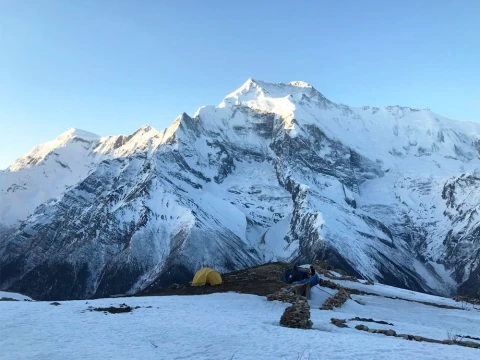
Pisang Peak, at an impressive altitude of 6,091 meters (19,984 feet), is one of the most sought-after trekking peaks in Nepal’s Annapurna region. It lies within the Manang Himal range and is named after the nearby Pisang village, which serves as the gateway for climbers. The peak is an excellent choice for adventurers seeking a blend of trekking and mountaineering, as the ascent involves technical climbing, snow and ice slopes, and glacier navigation. Unlike the extremely crowded peaks in the region, Pisang Peak offers a more secluded and serene climbing experience, allowing mountaineers to enjoy the grandeur of the Himalayas in relative solitude.The journey to Pisang Peak is equally rewarding, passing through traditional Nepalese villages, terraced fields, and high-altitude landscapes. Climbers begin from Pisang village and trek through Upper Pisang, eventually reaching the Pisang Peak Base Camp at 4,380 meters. From there, a high camp at approximately 5,400 meters is established before the summit attempt. The climb requires gradual acclimatization to reduce the risk of altitude sickness, and climbers are treated to panoramic views of Annapurna II, III, IV, Gangapurna, and Tilicho Peak. Along the way, trekkers can experience the local culture, Buddhist monasteries, and unique Tibetan-influenced architecture of the Manang Valley.Elevation: 6,091 meters (19,984 feet)Location: Manang Himal, Annapurna RegionBase Camp: 4,380 metersHigh Camp: 5,400 metersOffers panoramic views of Annapurna II, III, IV, Gangapurna, and Tilicho PeakLess crowded, more secluded climbing experienceBest Season for Pisang Peak ClimbingThe ideal time to climb Pisang Peak is during the pre-monsoon (spring: March–May) and post-monsoon (autumn: September–November) seasons. During these months, the weather is generally stable, skies are clear, and temperatures are manageable for high-altitude climbing. Spring offers blossoming rhododendron forests in the lower regions and spectacular snow-capped mountain views, while autumn provides crisp weather, excellent visibility, and less snowfall on the climbing route.Winter (December–February) is generally not recommended due to extreme cold, heavy snowfall, and increased risk of avalanches. Monsoon season (June–August) should be avoided as the trail can become slippery and dangerous due to rain and landslides, and visibility is often poor. Planning your climb during the recommended seasons ensures safer trekking, comfortable camping, and breathtaking photographic opportunities along the route.Key Points:Best Seasons: Spring (Mar–May), Autumn (Sep–Nov)Avoid Monsoon: June–August (risk of landslides, heavy rain)Winter: December–February (extreme cold, avalanche risk)Benefits: Stable weather, clear skies, panoramic views, safe climbing conditionsPisang Peak Climbing Difficulty and TransportationPisang Peak is classified as a technical trekking peak, suitable for climbers with prior mountaineering experience or those who have completed basic climbing training. The ascent involves steep ice and snow slopes, rock scrambling, and glacier crossing. While the climb is not as extreme as Everest or Mera Peak, it still requires physical fitness, proper acclimatization, and the guidance of experienced mountaineering instructors. The technical sections at the high camp and summit demand familiarity with crampons, ice axes, and ropes.Transportation to the region usually begins from Kathmandu, with a drive to Besisahar, the starting point of the Annapurna Circuit trek. The journey through mountain roads can take 6–7 hours, passing through terraced fields, rivers, and local villages. From there, trekkers follow the trail through Bahundanda, Chamje, Dharapani, Chame, Pisang, and Upper Pisang. A flight from Jomsom to Pokhara can shorten travel after descending from Muktinath.Key Points:Difficulty: Technical, requires climbing skills and fitnessSteep ice slopes, glaciers, rock scramblingRequires acclimatization to prevent altitude sicknessAccess: Kathmandu → Besisahar (drive) → Annapurna Circuit Trail → PisangReturn: Jomsom flight to Pokhara or drive back to KathmanduFood and Accommodation for Pisang Peak ClimbingAlong the trekking route to Pisang Peak, food and accommodation are generally comfortable but basic at higher altitudes. Villages like Bahundanda, Chamje, Dharapani, and Chame offer tea houses providing simple Nepali meals such as dal bhat (lentil rice), noodles, and soups. As the trek progresses, the availability of variety decreases, and climbers rely on packaged foods or pre-arranged meals from expedition operators.Accommodation is primarily in guesthouses or tea houses at lower altitudes. In Base Camp and High Camp, tents are provided by the expedition company, complete with sleeping bags, mats, and a dining area. The team from Nepal Planet Treks & Expedition ensures climbers have nutritious meals, hot drinks, and proper hydration to aid in acclimatization and energy maintenance for the technical climb. High-altitude camps prioritize safety, warmth, and shelter from extreme Himalayan conditions.Key Points:Lower altitude: Tea houses and guesthousesHigh altitude: Tents at Base and High CampMeals: Dal Bhat, noodles, soups, packaged expedition foodsProvided by expedition: Sleeping bags, mats, hot drinks, dining tentsPisang Peak Climbing PermitsClimbing Pisang Peak requires a combination of trekking and mountaineering permits to comply with Nepalese regulations. Trekkers must obtain:Annapurna Conservation Area Permit (ACAP) – Required for entering the Annapurna region.Trekkers’ Information Management System (TIMS) card – Ensures trekkers are registered for safety and tracking.Pisang Peak Climbing Permit – A special permit for trekking peaks issued by the Nepal Ministry of Tourism.Nepal Planet Treks & Expedition assists climbers in obtaining all permits before departure, ensuring a smooth and hassle-free experience. Carrying proper permits is crucial not only for legality but also for safety, rescue eligibility, and respecting local conservation efforts.Key Points:ACAP Permit for Annapurna regionTIMS card for trekking registrationPisang Peak Climbing Permit from Ministry of TourismExpedition company assistance ensures all permits are arrangedWhy Choose Pisang Peak ClimbingPisang Peak climbing offers a unique combination of adventure, culture, and natural beauty. It is perfect for climbers looking for a technical challenge without extreme crowds. The peak allows mountaineers to experience high-altitude climbing, glaciers, and stunning Himalayan panoramas, all while immersing themselves in the Tibetan-influenced culture of the Manang Valley.Choosing Nepal Planet Treks & Expedition ensures professional guidance, experienced mountaineering instructors, and logistical support. From acclimatization planning to high-altitude safety, they handle every detail of the trek, including food, tents, equipment, and permits. Their focus on climber safety, comfort, and cultural experience makes Pisang Peak not only a challenging ascent but a memorable Himalayan adventure.Key Points:Secluded, less crowded peakCombines trekking, culture, and technical climbingExperienced guides and expedition supportProfessional safety, equipment, and permit handlingStunning panoramic views of Annapurna and the surrounding peaks
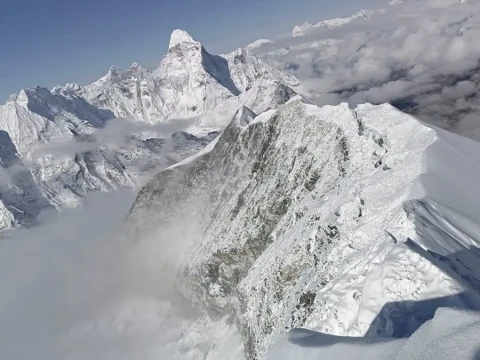
Lobuche peak is one of the best popular Climb peaks in the Everest region in Nepal. Lobuche peak expedition offers panoramic Himalayan views of the Everest area with Gokyo Valley. It is gorgeous landscape, Tibetan Sherpa Cultural & Monasteries Lobuche peak climbing is more challenging trekking peaks’ in Everest region Himalaya in Nepal.Lobuche peak is ( 6119 m) is located in Khumbu region, Lobuche east and Lobuche west were first climbed by Laurence Nielson and ANG Sherpa on April 251984. Lobuche peak offers various Exstein routes and also a potential for new ones. The peak of Lobuche is reached by descending a marked notch and climbing steep snowy slopes to the top. It has never broken the news of the Khumbu valley and glacier.After landing the Lukla (2850m) then, you are enjoying the Khumbu valley Sagarmatha national park with beautiful treks during the till Everest base camp, and climbing kalapather and back to Bottom of the Lobuche peak, in the Lubuche Village, which is based to starting to go to Lobuche Base camp for climbing Lobuche peak.Also will be nice for the before climbing do some treks,hiking and go for the climb top of the Mountian Lubuche peak, if you have time we have many options for treks before climb, like you can go to thame Village, cross the Renjola, climbing Gokyo Ri( 5350m) Cho la pass (5350m) and Everest base camp then climbing to Lubuche peak, it will be more comfortable and more easy to for climbing, it is one kind of the acclamation for climber for his body and it is big support too.Welcome and enjoy with us in Nepal climbing and for further more details information, itinerary, knowledge, anything is confusing please u can email, phone or WhatsApp, anytime, whatever easy for you let us, we will try to do our best schedule, make the best design regarding your plan and holidays for Nepal Lubuche peak another much more about peak and trekking tour, all part of Nepal and Tibet with Bhutan.Please welcome join us for adventure climbing peak for 2020,2021 we are offering the best price and the best discount, for your amazing Holidays i Nepal
Larkya Peak is one of the adventure peaks in Nepal on the way to Manaslu round middle west Ghorkha district from Kathmandu, it has taken time around 18/19 days with treks Manaslu Circuit treks.It is 6249 meters in height and top of the summit from Larkya peak you will enjoy the magnificent views Annapurna range, Ganesh Himal reneges, Lang tang reneges, and Dhamalagiri reneges. Buddha Himal, Manaslu Mountain much more views summit of the Larkya and peak has offered the grouping of the religious heritage, natural, beauty, majestic, cultural variety for much more.Climb to Larkya Peak, there are two different types of a peak with the name of the Larkya which is often peoples are making confusing during the climbing some of the climbers, there are two small peaks, it is called snow larky, 5865m and the bigger one is called Thulo larky peak, it is 6349 meter. It is one of the best options for every climber to summit both peaks in a single expedition. But need be climbers are to make the high camp and climb both peaks, dream of the summit of the Larkya Peak forever your adventure desire in your life.
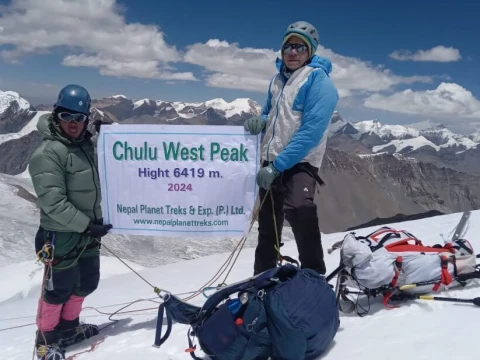
Chulu West Peak (6,419 meters) is one of the most popular trekking peaks in Nepal, located in the Annapurna region. For mountaineers and adventure enthusiasts, climbing Chulu West is a unique opportunity to experience technical climbing in a relatively less crowded part of the Himalayas. While it may not be as famous as Everest or Annapurna, the Chulu West climb offers stunning views, a challenging route, and the chance to summit one of Nepal’s highest trekking peaks.If you’re looking for a challenging yet accessible peak, Chulu West Peak should be on your list. It’s a fantastic introduction to high-altitude mountaineering for those who have some climbing experience and want to push their limits in the heart of the Himalayas.From Ledar, the trail diverts toward the Chulu West Base Camp, where climbers begin their acclimatization and technical training. The ascent involves glacier walking, rope work, and navigating some steep snow and ice sections, requiring basic mountaineering skills. The climb to the summit is both challenging and exhilarating, rewarding climbers with panoramic views of the Annapurna and Dhaulagiri massifs, extending to Tibet.Chulu West is classified as a trekking peak, but its elevation and technical aspects demand proper physical preparation and the support of experienced guides. The best seasons for the climb are spring (March to May) and autumn (September to November), when weather conditions are most stable and visibility is at its peak.Combining cultural exploration with alpine adventure, Chulu West Peak Climbing offers a once-in-a-lifetime opportunity for mountaineers seeking to push their limits and experience the breathtaking beauty of the Himalayas. Whether you are a seasoned climber or an ambitious trekker ready for a new challenge, Chulu West promises an unforgettable Himalayan journey.
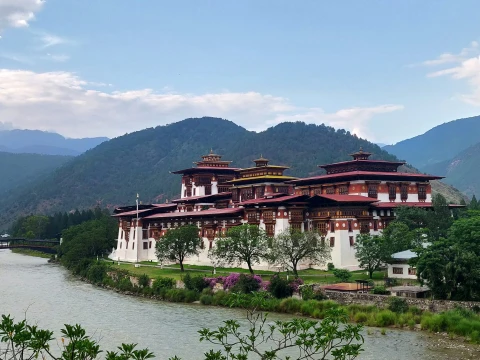
Bhutan, the mystical kingdom in the Eastern Himalayas, offers travelers a unique blend of adventure, culture, and natural beauty. A Bhutan Tour and Trek with Nepal Planet Treks & Expedition is designed to give you an authentic experience of its pristine mountains, valleys, and ancient traditions. The journey begins with a flight from Kathmandu to Paro, offering panoramic views of the Nepalese Himalayas and lush landscapes. From there, travelers explore Bhutanese villages, dzongs (fortresses), and monasteries before embarking on treks through secluded valleys rarely touched by mass tourism. The itinerary combines trekking and cultural sightseeing, ensuring a balanced experience of both adventure and heritage.The trek itself spans multiple days, ranging from moderate to challenging trails that traverse altitudes of 2,400m to 3,750m. Trekkers encounter vibrant rhododendron forests, glacial streams, and local villages where they can witness the daily life of Bhutanese communities. The journey is not only a physical adventure but also a cultural immersion, with opportunities to visit monasteries, local markets, and traditional Bhutanese homes. The Bhutan Tour and Trek offers breathtaking views, encounters with unique flora and fauna, and a sense of solitude in some of the Himalayas’ most pristine regions.Trekking in the Bhutanese HimalayasVisits to Paro, Thimphu, Wangdue Phodrang, and PunakhaCultural immersion in local villagesViews of rare flora and faunaBest Season for Bhutan Tour and TrekThe ideal seasons to explore Bhutan are spring (March to May) and autumn (September to November). During these months, the weather is stable, temperatures are pleasant, and visibility is excellent for mountain views. Spring brings vibrant rhododendron blooms and lush green landscapes, making it perfect for trekking and photography. Autumn offers clear skies, moderate temperatures, and festival seasons, allowing travelers to experience Bhutan’s rich cultural heritage alongside natural beauty.Winter months (December to February) are colder and may bring snow in higher altitudes, which can make trekking challenging, though the landscapes are stunningly serene. Summer (June to August) sees heavy monsoon rains, which can disrupt travel and make trails slippery, but the valleys remain verdant and beautiful. Planning your Bhutan tour during the recommended months ensures safer treks, enjoyable sightseeing, and optimal photographic conditions.Season Highlights:Spring (Mar–May): Rhododendron blooms, mild temperaturesAutumn (Sep–Nov): Clear skies, cultural festivals, moderate temperaturesWinter (Dec–Feb): Snow-capped mountains, quiet trailsSummer (Jun–Aug): Green valleys, occasional monsoon showersBhutan Tour and Trek Difficulty and TransportationThe Bhutan Tour and Trek with Nepal Planet Treks & Expedition is designed for moderate to experienced trekkers. While some sections, like Paro to Chonana and Jebkarpo to Lower Mingula, involve trekking at altitudes exceeding 3,500m, the pace is comfortable with rest stops and acclimatization days incorporated into the itinerary. The trek combines moderate uphill climbs, valley walks, and gradual descents. Trekking requires basic fitness, endurance, and willingness to experience high-altitude trekking.Transportation in Bhutan is safe, reliable, and scenic. International travelers arrive in Paro via a short flight from Kathmandu. Local transport includes comfortable private vehicles for sightseeing between Paro, Thimphu, Wangdue Phodrang, and Punakha. Roads are well-maintained, and drivers are experienced with mountain terrain, ensuring smooth transfers. Trekking sections are accessible only on foot, offering a more immersive experience through remote valleys and villages.Trek Details:Duration: 14 days including trekking and sightseeingAltitude Range: 1,300m–3,750mTrek Duration per Day: 3–6 hoursTransportation: Flight to Paro, private vehicle for city transfers, trekking on footFood and Accommodation for Bhutan Tour and TrekBhutanese cuisine is rich, flavorful, and often spiced with chili and local herbs. During the trek, meals are prepared by local teams and include nutritious options to support energy levels at high altitudes. Typical dishes include rice, buckwheat, lentils, vegetables, and locally made dairy products. For travelers with dietary restrictions, Nepal Planet Treks & Expedition ensures customized meal options. Hot beverages and soups are provided during treks to maintain warmth and hydration.Accommodation ranges from 3-star hotels in Paro and Thimphu to comfortable lodges and tea houses along trekking routes. Lodges are simple but clean, often with shared bathrooms and warm bedding, ensuring comfort after long trekking days. Staying in local accommodations offers an opportunity to interact with Bhutanese families, enjoy home-cooked meals, and experience authentic hospitality. The combination of city hotels and trekking lodges ensures both comfort and cultural immersion.Accommodation & Food Highlights:3-star hotels in Paro and ThimphuTea houses and lodges during trekTraditional Bhutanese cuisine and customizable mealsSafe drinking water and hot beverages availableBhutan Tour and Trek PermitsTravel to Bhutan requires official permits, which are managed efficiently by Nepal Planet Treks & Expedition. All travelers need a Tourist Visa, which is arranged prior to arrival through a licensed Bhutanese tour operator. Trekking in Bhutan also requires trekking permits, including the Druk Path Trek Permit for restricted regions. These permits ensure safety, regulate tourism, and preserve the pristine environment.The process of obtaining permits involves submitting passport copies, itinerary details, and travel dates. With Nepal Planet Treks & Expedition, all permits are handled seamlessly, allowing travelers to focus on enjoying their journey. Trekking permits often include fees for local guides and support staff, ensuring ethical and responsible tourism. This structured system contributes to Bhutan’s status as a sustainable and eco-friendly destination.Permit Highlights:Bhutan Tourist Visa requiredTrekking permits for restricted regionsPermits handled by licensed tour operatorsFees contribute to conservation and local communitiesWhy Choose Bhutan Tour and TrekChoosing Nepal Planet Treks & Expedition for your Bhutan adventure guarantees a well-organized, safe, and culturally immersive journey. The company specializes in Himalayan treks, cultural tours, and adventure travel, offering local expertise and personalized itineraries. Experienced guides ensure safety on high-altitude trails, while knowledgeable drivers provide scenic transfers and insights into Bhutanese history. Travelers benefit from seamless arrangements for flights, accommodations, meals, and permits, leaving them free to enjoy the breathtaking landscapes and unique culture.Bhutan itself is a destination like no other. Its combination of dramatic mountains, Buddhist monasteries, vibrant festivals, and friendly communities makes it an unforgettable experience. Trekkers enjoy solitude and pristine landscapes, while culture enthusiasts can explore dzongs, temples, and local traditions. By traveling with Nepal Planet Treks & Expedition, you not only witness the beauty of Bhutan but also support responsible tourism that preserves the environment and empowers local communities.Reasons to Choose Nepal Planet Treks & Expedition:Expert local guides and support staffHassle-free permits, transportation, and accommodationTailored itineraries for cultural and trekking experiencesFocus on responsible and eco-friendly tourism
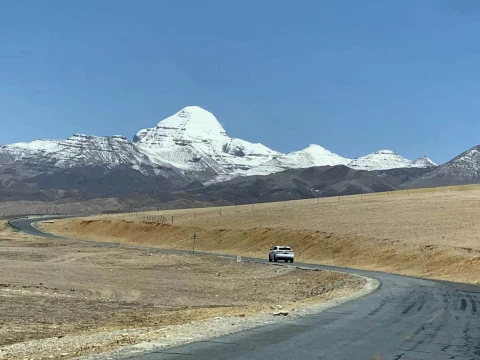
The Kailash Tour with the North Face of Mount Kailash offers an extraordinary spiritual journey to one of the most sacred places in the world. Mount Kailash, located in Tibet, is revered by Hindus, Buddhists, Jains, and Bon followers, each of whom has a unique mythological connection to this majestic peak.The journey typically begins in Lhasa, where pilgrims and travelers gather before heading to the sacred Mount Kailash. The primary objective of the tour is to witness the North Face of Mount Kailash, which is considered the most spiritually significant view. The north face provides the clearest and most direct perspective of the mountain, where the ice and snow gleam like an eternal flame. This view is not just about the physical beauty but also the connection to the divine that the mountain holds.An essential part of the tour is visiting the Inner Kora, the sacred pilgrimage path around Mount Kailash. This trek spans 52 kilometers and is taken by devotees who walk in reverence, believing that completing the Kora will cleanse them of their sins and bring them closer to spiritual enlightenment. The Kora traverses a stunning landscape of high-altitude lakes, meadows, and the serene silence of the Himalayas. Many pilgrims perform the Kora barefoot, demonstrating their devotion. The journey is challenging, with altitudes reaching up to 5,600 meters (18,379 feet), but it’s deeply transformative, both physically and spiritually.The Kailash Tour is not just a trek through the rugged terrains but a profound spiritual experience, bringing pilgrims closer to their faith and providing a chance to contemplate life’s deeper meanings. The tour offers an unmatched sense of peace and reverence, marking it as one of the most sacred and transformative pilgrimage experiences on the planet.
A 23-night, 24-day bike tour in Tibet, with a fly-in and drive-out option, offers an exciting adventure through the breathtaking landscapes of this enchanting region. Here’s some information about the tour:Duration: The tour lasts for 23 days and includes 24 nights of accommodation.Mode of Transportation: The tour is designed for biking enthusiasts and involves cycling through various routes in Tibet. You’ll have the option to fly into Tibet and start your journey by bike. At the end of the tour, you can choose to drive out instead of cycling back.Itinerary: The specific itinerary will depend on your request, but it typically includes cycling through iconic destinations such as Lhasa, Gyantse, Shigatse, and Everest Base Camp. You’ll have the opportunity to explore ancient monasteries, majestic mountains, and serene lakes and experience the unique Tibetan culture along the way.Accommodation: Accommodation options during the tour may vary, ranging from hotels to guesthouses or even camping, depending on the route and preferences. It’s advisable to check with the tour operator for specific details regarding accommodation arrangements.Fitness Level: Participating in a bike tour requires a moderate to high level of physical fitness. Cycling at high altitudes can be challenging, so it’s essential to prepare yourself with regular exercise and acclimatization prior to the tour.Permits and Regulations: Tibet has certain travel restrictions, and it’s necessary to obtain the required permits and adhere to local regulations. Your tour operator can assist you in obtaining the necessary permits for travel in Tibet.Weather: Tibet’s weather can be unpredictable, with temperature variations between day and night. It’s advisable to pack appropriate clothing and equipment for changing weather conditions.Safety: Safety should be a priority during the bike tour. Follow the instructions provided by the tour guide, wear appropriate safety gear, and be cautious while cycling on unfamiliar roads.It’s recommended to research and book your bike tour with a reputable tour operator who specializes in Tibet tours. They can provide you with detailed information, pricing, and any additional requirements for the tour.


 (18)
(18)  100% recommend (0)
 (0)
(0) 


