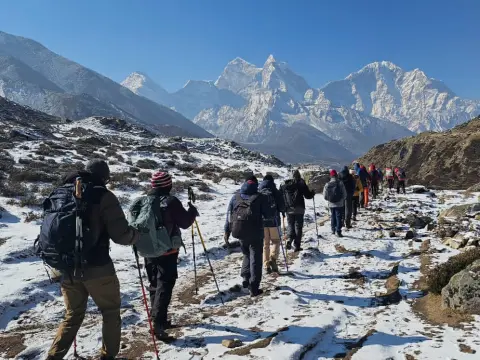
The Everest Base Camp (EBC) Luxury Trek offered by Nepal Planet Treks & Expedition is a premium trekking experience that combines adventure with comfort, allowing trekkers to explore the majestic Himalayas without compromising on modern amenities. This trek takes you through some of Nepal’s most iconic landscapes, including rolling hills, dense pine forests, and the high-altitude Khumbu region, where the legendary Mount Everest rises majestically at 8,848 meters (29,029 feet). The journey begins in Kathmandu, where trekkers are briefed and prepared for the adventure ahead. From Kathmandu, a scenic flight to Lukla offers stunning aerial views of snow-capped peaks before the trek begins in earnest.Throughout the trek, trekkers will pass through traditional Sherpa villages such as Phakding, Namche Bazaar, Tengboche, Dingboche, and Lobuche, each offering a unique insight into Himalayan culture and daily life. Notably, the trek includes an acclimatization day in Namche Bazaar and Dingboche, essential for adjusting to the high altitude while exploring local monasteries, the Sherpa museum, and surrounding trails. The highlight of the journey is reaching Everest Base Camp (5,365 m/17,601 ft) and ascending Kala Patthar (5,555 m/18,225 ft) for panoramic views of Everest, Lhotse, Nuptse, and the Khumbu Glacier.Short highlights:Scenic flight from Kathmandu to LuklaVisits to traditional Sherpa villages and monasteriesAcclimatization days at Namche Bazaar and DingbocheSummit Kala Patthar for sunrise or sunset views over EverestReturn trek to Lukla with luxury accommodations along the wayThis luxury trek is designed to offer adventure without compromising comfort, with well-appointed lodges, professional guides, and meticulous planning to ensure safety and a memorable experience.Best Season for Everest Base Camp Luxury TrekThe best season for the Everest Base Camp Luxury Trek is primarily during pre-monsoon (March to May) and post-monsoon (late September to November). During these periods, the weather is generally stable, offering clear skies and spectacular views of the Himalayan peaks. Spring, from March to May, is ideal for witnessing rhododendron forests in full bloom, while the post-monsoon season provides crisp air and excellent visibility, perfect for photography and panoramic views of Everest and surrounding peaks.Summer, during the monsoon months (June to August), brings heavy rainfall and the trails can become slippery, with limited visibility due to clouds. Winter (December to February) is less crowded but significantly colder, especially above 4,000 meters, making nights freezing and requiring high-quality thermal gear. Trekking in the optimal seasons allows trekkers to enjoy comfortable trekking conditions while minimizing the risk of altitude sickness.Short points:Spring (March–May): Rhododendron blooms, moderate temperature, clear skiesAutumn (late Sept–Nov): Stable weather, excellent visibility, ideal for photographyWinter (Dec–Feb): Cold, fewer crowds, requires extra gearMonsoon (June–Aug): Slippery trails, heavy rain, limited visibilityChoosing the right season is critical for a luxury trek, as it ensures safety, comfort, and the opportunity to fully appreciate the Himalayan panorama. Nepal Planet Treks & Expedition carefully plans departures to coincide with these optimal periods.Everest Base Camp Luxury Trek Difficulty and TransportationThe Everest Base Camp Luxury Trek is considered a moderate to challenging trek, suitable for individuals in good physical condition. While technical climbing skills are not required, trekkers must be prepared for long hiking days at high altitudes, uneven trails, and potential altitude-related issues. The gradual ascent profile, with acclimatization days at Namche Bazaar and Dingboche, helps mitigate altitude sickness. Trekking for 4–8 hours per day is typical, depending on the itinerary, with shorter days in early stages and longer ones near Everest Base Camp.Transportation begins with an international flight to Kathmandu and a domestic flight to Lukla, the gateway to the Everest region. The flight to Lukla is one of the world’s most scenic and adventurous flights, offering breathtaking views of Everest, Lhotse, and other Himalayan peaks. On the trek itself, transportation relies entirely on trekking with support from porters and guides, ensuring luggage and camping gear are carried while trekkers enjoy a light and comfortable experience. In luxury packages, lodges with hot showers, private rooms, and occasionally helicopter transfer options to Base Camp can further ease the journey.Short points:Moderate to challenging trek with high-altitude hikingDaily trekking: 3–8 hours depending on the stageGradual acclimatization to minimize altitude sicknessScenic flight to Lukla, trekking with porter supportOptional helicopter transfers for luxury packagesNepal Planet Treks & Expedition ensures every stage is carefully planned to balance adventure with safety, making the journey both exhilarating and accessible.Food and Accommodation for Everest Base Camp Luxury TrekThe luxury trek focuses on combining adventure with comfort. Accommodation is arranged in well-appointed lodges and tea houses, offering private rooms, heated rooms, and attached bathrooms where available. While trekking in the lower Khumbu region, lodges are cozy and modern, with amenities such as Wi-Fi, hot showers, and charging facilities. At higher altitudes like Lobuche and Gorak Shep, lodges are simpler but still comfortable, with warm sleeping arrangements essential for the cold nights.Food during the trek is a highlight, with menus designed to cater to both energy needs and taste preferences. Trekkers can enjoy Nepali traditional meals such as dal bhat (lentil rice), momo (dumplings), and thukpa (noodle soup), as well as international dishes including pasta, soups, and omelets. Staying hydrated is crucial at high altitudes, so tea, coffee, and bottled water are widely available. Luxury packages often include private dining arrangements and freshly prepared meals to ensure a comfortable, high-quality trekking experience.Short points:Comfortable lodges with private rooms and hot showersModern amenities: Wi-Fi, charging, and cozy common areasTraditional Nepali meals and international cuisine availableHigh-altitude nutrition focus for energy and acclimatizationOptional private dining for luxury trekkersNepal Planet Treks & Expedition ensures food and accommodation standards remain high, combining authentic Himalayan experiences with the comfort expected in luxury trekking.Everest Base Camp Luxury Trek PermitsTrekking to Everest Base Camp requires specific permits to ensure legal and safe travel in Nepal’s high-altitude regions. The primary permits include:Sagarmatha National Park Entry Permit: Required for all trekkers entering the Everest region.Khumbu Pasang Lhamu Rural Municipality Permit (K.P. Permit): Required for trekking in the Khumbu region.TIMS (Trekkers’ Information Management System) Card: Ensures trekkers are registered and helps maintain safety on popular trekking routes.Permits are obtained before or during the initial stages of the trek, often in Kathmandu or at Monjo near the park entrance. Nepal Planet Treks & Expedition handles all permit arrangements for luxury trekkers, ensuring hassle-free processing. Guides carry copies and ensure trekkers’ documents are always valid during the journey.Short points:Sagarmatha National Park Entry PermitKhumbu Pasang Lhamu Rural Municipality PermitTIMS Card for trek registrationManaged and processed by Nepal Planet Treks & ExpeditionHaving all permits arranged in advance is part of the luxury trekking experience, allowing trekkers to focus fully on the adventure without administrative concerns.Why Choose Everest Base Camp Luxury TrekThe Everest Base Camp Luxury Trek is the perfect choice for those who want to experience the Himalayas in comfort while still challenging themselves with high-altitude trekking. Unlike standard treks, the luxury version focuses on comfort, convenience, and safety, offering well-appointed lodges, private rooms, professional guides, and personalized service. Trekkers can enjoy the breathtaking beauty of Everest, Lhotse, and Ama Dablam without compromising on warmth, hygiene, or quality meals.Moreover, Nepal Planet Treks & Expedition brings expertise, experience, and personalized care to every trek. From airport transfers and domestic flights to local guides, porter support, and carefully selected accommodations, every detail is meticulously planned. The trek also provides cultural enrichment, with visits to Sherpa villages, monasteries, and museums, allowing travelers to connect with local traditions. For adventure seekers, the trek includes challenging sections like Kala Patthar, providing the ultimate sense of accomplishment against the backdrop of the world’s highest peaks.Short points:Luxury lodges, private rooms, and hot showersProfessional guides and porter supportCultural experiences in Sherpa villages and monasteriesSpectacular Himalayan views from Everest Base Camp and Kala PattharExpertly organized, stress-free trekking experienceChoosing Nepal Planet Treks & Expedition for the Everest Base Camp Luxury Trek ensures a safe, comfortable, and unforgettable Himalayan adventure, combining the thrill of trekking with the ease of a luxury experience.
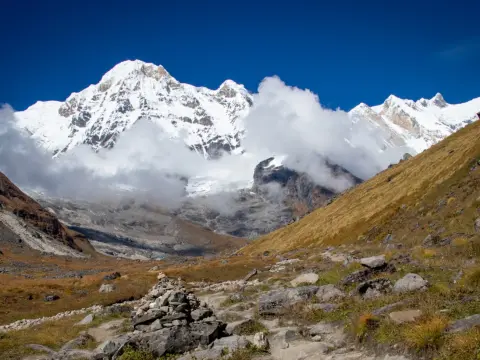
The Annapurna Base Camp (ABC) Trek is one of the most iconic trekking routes in Nepal, offering an unparalleled experience in the heart of the Himalayas. Starting from the vibrant city of Kathmandu, trekkers travel to Pokhara, a serene lakeside city, before beginning the journey through terraced fields, dense forests, and quaint villages. The trek covers a wide variety of landscapes, from subtropical valleys to alpine meadows, leading up to the dramatic Annapurna and Machhapuchhre (Fishtail) Base Camps.One of the highlights of the trek is Poon Hill, which provides a panoramic sunrise view over the Annapurna and Dhaulagiri ranges. The trail is peppered with waterfalls, turquoise lakes, and hot springs, offering natural beauty at every step. Trekkers are treated to encounters with local Gurung and Magar communities, who have maintained their unique culture and traditions for centuries. Wildlife enthusiasts may spot over 100 species of mammals, including elusive snow leopards, Himalayan tahr, and blue sheep.Close-up views of Mt. Annapurna I (8,091m) and Mt. Dhaulagiri (8,167m)Visit Machhapuchhre Base Camp, the starting point for climbersExplore terraced villages and alpine forestsScenic rivers, waterfalls, and hot springs along the wayNepal Planet Treks & Expedition ensures that this 14-day adventure is safe, comfortable, and unforgettable, giving trekkers the chance to immerse themselves fully in the majestic Annapurna region.Best Season for Annapurna Base Camp TrekThe Annapurna Base Camp trek can be undertaken almost year-round, but the best seasons are pre-monsoon (March–May) and post-monsoon (September–November). During these periods, the weather is generally clear, making it ideal for breathtaking views of the Himalayan peaks. Spring offers a spectacular display of rhododendron blooms in shades of red, pink, and white, while autumn presents crisp, clear skies with excellent visibility of Annapurna and surrounding peaks.Winter (December–February) brings cold temperatures and occasional snow, particularly at higher altitudes. Though the trail is quieter, trekkers must be prepared for icy paths and sub-zero temperatures. Monsoon season (June–August) is not recommended due to heavy rainfall, landslides, and slippery trails, which make trekking more dangerous.Seasonal Highlights:Spring: Blooming rhododendrons and moderate temperaturesAutumn: Clear skies and perfect Himalayan vistasWinter: Fewer trekkers, serene landscapes, but colder conditionsMonsoon: Avoid due to rain and landslide riskNepal Planet Treks & Expedition customizes itineraries based on your preferred season, ensuring the best combination of safety, scenery, and cultural experiences.Annapurna Base Camp Trek Difficulty and TransportationThe ABC Trek is classified as moderate to strenuous, making it suitable for individuals with a reasonable fitness level. The trek involves daily walks of 4–7 hours, with altitude gain reaching 4,130m at Annapurna Base Camp. While the trail is well-marked and supported by teahouses, trekkers should be aware of altitude sickness and pace themselves accordingly.Transportation is straightforward: travelers typically fly or drive from Kathmandu to Pokhara, which is the starting point of the trek. From Pokhara, a short drive takes you to Nayapul, the trekking gateway. The trail alternates between stone-paved paths, forested trails, and suspension bridges crossing rushing rivers. Nepal Planet Treks & Expedition provides experienced guides, porters, and logistics support to ensure smooth navigation and safety throughout the journey.Difficulty & Transportation Highlights:Moderate to strenuous trek with altitude gain up to 4,130mDaily walking: 4–7 hoursStarting point: Nayapul, accessible from PokharaTrail type: Forested paths, stone stairways, and suspension bridgesExpert guides and porters from Nepal Planet Treks & ExpeditionThis trek requires endurance and preparation, but the combination of adventure, nature, and culture makes every step worthwhile.Food and Accommodation for Annapurna Base Camp TrekAlong the ABC trail, accommodation is primarily in tea houses and lodges, which provide basic but comfortable amenities. Rooms usually consist of twin or triple beds with blankets; private bathrooms may be limited at higher altitudes. Nepal Planet Treks & Expedition carefully selects lodges that maintain cleanliness and offer a cozy atmosphere, ensuring trekkers get rest after long hiking days.Food along the trail includes traditional Nepali dishes such as dal bhat (rice and lentils), momo (dumplings), and vegetable curry. Western options like pasta, noodles, and sandwiches are also available in most tea houses. Hot drinks such as tea, coffee, and hot chocolate help keep trekkers warm, particularly at higher elevations. Hydration is important, and purified water is available, though it is advisable to carry water purification tablets as a precaution.Food & Accommodation Highlights:Comfortable tea houses and lodges along the trailLocal Nepali cuisine and Western options availablePrivate or shared bathrooms depending on lodgeHot drinks and purified water readily accessibleLodges selected for cleanliness and comfortNepal Planet Treks & Expedition ensures that trekkers enjoy nutritious meals and comfortable lodging to recharge for each trekking day, keeping energy levels high and spirits elevated.Annapurna Base Camp Trek PermitsTo trek in the Annapurna region, travelers need to obtain specific permits. The Annapurna Conservation Area Permit (ACAP) and the Trekkers’ Information Management System (TIMS) card are mandatory. ACAP protects the natural and cultural heritage of the region, while TIMS ensures the safety of trekkers and allows tracking in case of emergencies.Permit Details:ACAP Permit: Protects Annapurna Conservation Area, costs around USD 30–50TIMS Card: Ensures trekkers’ safety, costs around USD 20Permits are checked at checkpoints along the trailNepal Planet Treks & Expedition assists in obtaining all necessary permitsHaving permits ensures a hassle-free trekking experience, and the responsible collection of fees supports conservation and local communities.Why Choose Annapurna Base Camp TrekThe Annapurna Base Camp Trek is a once-in-a-lifetime journey combining breathtaking landscapes, rich culture, and thrilling adventure. The trek offers some of the best Himalayan panoramas, from the iconic Machhapuchhre (Fishtail) to the towering Annapurna I and Dhaulagiri. The mix of subtropical forests, terraced villages, and alpine meadows makes this trek diverse and visually stunning.Nepal Planet Treks & Expedition provides a fully guided experience, including experienced guides, porters, transport arrangements, and accommodations. Their team ensures safety, comfort, and a rich cultural experience, allowing trekkers to focus on the journey without worrying about logistics. The company is known for its personalized service, local expertise, and dedication to making each trek memorable.Reasons to Choose ABC Trek:Incredible views of the Annapurna and Dhaulagiri rangesVisit Machhapuchhre Base Camp and scenic villagesExplore diverse flora, fauna, and cultural heritageGuided by the experienced Nepal Planet Treks & Expedition teamPerfect balance of adventure, nature, and cultural immersionChoosing this trek guarantees an experience of Himalayan adventure, cultural discovery, and personal achievement, all with the trusted support of Nepal Planet Treks & Expedition.
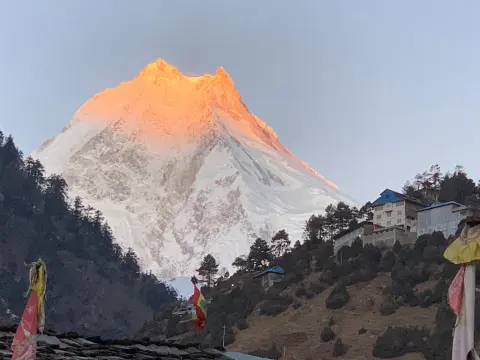
The Manaslu Circuit Trek is one of Nepal’s most spectacular off-the-beaten-path treks, offering trekkers the chance to explore the world’s eighth-highest peak, Mount Manaslu (8,163m). Unlike the more commercialized Everest or Annapurna regions, this trek remains relatively untouched, providing an authentic and serene Himalayan experience. The trek begins with a drive from Kathmandu to Machha Khola, followed by a journey through remote villages, dense forests, and high-altitude landscapes, culminating at the challenging Larkya La Pass (5,160m). Along the way, trekkers witness awe-inspiring views of peaks such as Himlung Himal, Ganesh Himal, Annapurna II, Ngadi Chuli, and Himalchuli, along with deep gorges, suspension bridges, and glacial rivers.This trek is also culturally enriching. Trekkers pass through villages like Samagaon and Samdo, where Tibetan Buddhist traditions, monasteries, and chortens create a spiritual and tranquil atmosphere. The route passes through the Manaslu Conservation Area, home to rare flora and fauna such as snow leopards, red pandas, and Himalayan thar. The trail itself showcases incredible natural diversity—from lush subtropical forests to alpine landscapes with glaciers. Nepal Planet Treks & Expedition ensures a carefully planned itinerary that balances adventure, culture, and nature, making it accessible for moderately experienced trekkers.Larkya La Pass (5,160m) and panoramic Himalayan viewsRemote Tibetan-influenced villages and rich cultural experiencesManaslu Conservation Area with diverse flora and faunaSuspension bridges, waterfalls, and rugged alpine terrainLess commercialized, peaceful trekking environmentBest Season for Manaslu Circuit TrekkingThe best time to trek in the Manaslu region is during spring (March–May) and autumn (September–November). Spring offers lush greenery, rhododendron blooms, and comfortable temperatures in lower and mid-altitude regions. This is ideal for nature lovers who wish to see colorful alpine flowers and enjoy clearer views of the surrounding mountains. Autumn, on the other hand, provides dry weather, crisp skies, and spectacular visibility of peaks, making it perfect for photography and high-altitude trekking. Both seasons avoid heavy monsoon rains, ensuring safer trails and more stable conditions across the high passes.Winter trekking (December–February) is less popular due to snow and extreme cold, particularly around Larkya La Pass, which can make crossing risky. Summer (June–August) is also less recommended because of heavy monsoon rainfall, slippery trails, and potential landslides. Nepal Planet Treks & Expedition tailors the trek based on the season, ensuring optimal safety and comfort for trekkers while still highlighting the natural beauty of the Manaslu Circuit.Best Season Highlights:Spring (Mar–May): Lush greenery, alpine blooms, and moderate temperaturesAutumn (Sep–Nov): Clear skies, excellent peak views, and dry trailsAvoid Winter (Dec–Feb) for harsh cold and heavy snowAvoid Monsoon (Jun–Aug) for rain, slippery trails, and landslidesManaslu Circuit Trekking Difficulty and TransportationThe Manaslu Circuit Trek is rated moderate to hard, primarily due to its length, remote terrain, and the high altitude of Larkya La Pass (5,160m). Trekkers should prepare with regular cardiovascular exercise, endurance training, and acclimatization to reduce the risk of altitude sickness. While the trek involves challenging ascents and descents, Nepal Planet Treks & Expedition ensures gradual altitude gain, including acclimatization days at Samdo (4,000m). The trekking days vary from 4–9 hours, allowing flexibility and sufficient rest.Transportation starts in Kathmandu, where a scenic drive takes trekkers to Machha Khola, the starting point of the trek. The roads are rugged but offer glimpses of Nepal’s rural life, rivers, and terraced fields. After completing the trek, a long drive returns trekkers to Kathmandu. Nepal Planet Treks & Expedition provides reliable vehicles and experienced drivers for these journeys, ensuring safety and comfort even on challenging roads.Key Points on Difficulty and Transport:Moderate to hard trekking, with high-altitude challengesGradual acclimatization and rest days includedTrekking duration: 4–9 hours/day depending on terrainTransportation: Kathmandu ↔ Machha Khola via private vehiclePost-trek return to Kathmandu for departureFood and Accommodation for Manaslu Circuit TrekkingOne of the highlights of the Manaslu Circuit Trek is the teahouse experience. Trekkers stay in traditional lodges run by local families, providing cozy rooms with basic but comfortable amenities. Hot showers and Wi-Fi may be available in larger villages such as Samdo and Bhimtang, while smaller villages offer more rustic accommodations. Nepal Planet Treks & Expedition ensures that all lodges are safe, hygienic, and provide a welcoming atmosphere after long trekking days.Food along the trek is diverse and nourishing. Popular options include Dal Bhat (rice and lentils), noodles, soups, pancakes, and local Tibetan dishes. Tea, coffee, and hot chocolate are commonly available to keep trekkers energized. Nepal Planet Treks also accommodates dietary preferences, ensuring vegetarian, vegan, and non-vegetarian meals are available throughout the journey. Staying in teahouses also allows trekkers to experience local culture, interact with villagers, and enjoy the warmth of Himalayan hospitality.Food & Accommodation Highlights:Teahouse stays with basic but comfortable amenitiesHot showers and Wi-Fi in larger villagesLocal cuisine: Dal Bhat, noodles, Tibetan dishesVegetarian, vegan, and non-vegetarian meals cateredSafe, hygienic lodges for resting after trekkingManaslu Circuit Trekking PermitsSince the Manaslu region is a restricted conservation area, trekking requires special permits. Nepal Planet Treks & Expedition ensures that all necessary permits are obtained, including:Manaslu Conservation Area Permit (MCAP)Annapurna Conservation Area Permit (ACAP)Restricted Area Permit (USD 100 per week)The trek covers the restricted zone from Jagat to Dharapani, and trekkers are legally required to have guides and porters. Permits are essential for environmental conservation, local community protection, and trekking safety. Nepal Planet Treks handles all paperwork, fees, and regulations, making the process stress-free for trekkers. This ensures compliance with local laws while supporting sustainable tourism and local communities.Permit Highlights:Special permits are required for restricted zonesHandled entirely by Nepal Planet TreksSupports conservation and local communitiesMandatory guide and porter for restricted trekkingFees included in the trek packageWhy Choose Manaslu Circuit Trekking with Nepal Planet Treks & ExpeditionChoosing Nepal Planet Treks & Expedition ensures a safe, immersive, and unforgettable Himalayan adventure. With over 25 years of experience in organizing treks across Nepal, Bhutan, and Tibet, the company has built a reputation for reliability, cultural insight, and trekking expertise. Their knowledgeable guides are trained in altitude safety, first aid, and local culture, guaranteeing a rich and secure trekking experience.The Manaslu Circuit Trek with Nepal Planet Treks emphasizes authenticity and sustainability. By trekking in less crowded regions, travelers enjoy solitude, peaceful landscapes, and genuine cultural interactions. The company also takes care of all logistics—including transport, permits, accommodation, meals, and porters allowing trekkers to focus on the journey. Additionally, their commitment to ethical tourism ensures local communities benefit from every trip.Reasons to Choose Nepal Planet Treks:Over 25 years of Himalayan trekking experienceExpert guides with cultural and safety knowledgeComplete logistics: transport, permits, porters, accommodationFocus on authentic, less-crowded trekking experiencesCommitment to sustainable and responsible tourismSome Manaslu Trek FactsManaslu is the 8th-highest mountain in the world at 8,163 meters. The Manaslu Circuit trek in Nepal is a classic trek that offers stunning scenery, suspension bridge crossings, and the Himalayan Pass Larke La. The trail follows the Budi Gandaki River, letting you explore authentic Hindu and Tibetan-style Buddhist villages. The Manaslu teahouses are renowned for their warm hospitality and delicious cuisine. The trek takes you through varied landscapes, ranging from green countryside and lush forests to high-altitude landscapes with glaciers and snow-capped mountains.The Manaslu Circuit Trek begins with an amazing sightseeing tour of the UNESCO World Heritage Sites in Kathmandu, where we go and explore Pashupatinath Temple, Boudhnath Stupa, Royal Kathmandu Durbar Square, and Swayambhunath Temple. After this incredible cultural activity, we begin the journey to Sathi Khola and Machha Khola, the beginning points of our trek to Manaslu. As we pass several villages, we marvel at the captivating views of Mt. Manaslu. Exploring the rich local heritage and biological diversity of this legendary region is amazing! Further along the Manaslu Circuit trek, we head north towards the iconic Larky La Pass at a height of 5,106 meters.What Does The Manaslu Trek Cost?For the Manaslu trek cost, you need to calculate an average of 100 USD t per week. For the Manaslu Circuit trek of 12 days, it will cost a total of 965 USD to 1100 USD per person. Since it’s a remote region and located in a conservation area, trekking there with a trekking company is necessary, and this cost includes domestic transportation, porter and guide services, all permits, and all accommodations during the trek. Nepal Planet Treks has a lot of experience operating in the Manaslu region and takes part in sustainable tourism to further develop this amazing trekking region in Nepal!What Is The Manaslu Trek Difficulty?Considered a bit more difficult than the traditional Everest Base Camp trek, the Manaslu trek’s difficulty is rated moderate to hard. As Larke La is located at a high elevation, we do recommend trekkers at least do some exercise before attempting this incredible Manaslu Circuit trek!Manaslu Trekking Permit Costs?The Manaslu trekking permit costs are, in the offseason, very approximate: USD 28 MCAP and 28 ACAP plus USD 100 per week for the restricted areas from Jagat to Dharapani. But not to worry about Nepal Planet Treks; we take care of everything, and it’s all included in the price of this amazing Manaslu Circuit trek in Nepal.Since the Manaslu region touches the border with Tibet (China), special permits are required for the Manaslu Circuit trek, the Manaslu Base Camp trek, and the Tsum Valley trek. For more detailed and up-to-date information about the Manaslu trekking permit costs, you can always contact our travel team through the quick inquiry message!What Is The Best Time To Trek In Manaslu?According to us, the best time to trek in Manaslu will be in March, April, and May. This is the time when the entire valley is green and full of life! Alternatively, if you’re more of a winter, snowy type of person, we do recommend the best time to trek in Manaslu is from September to November!
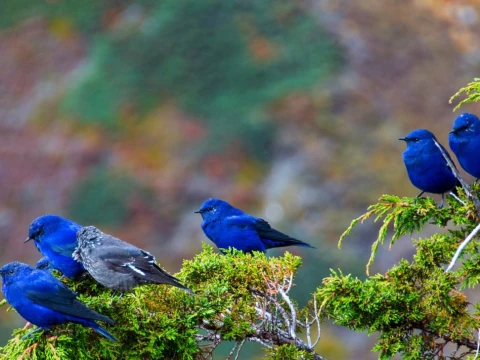
Nepal is a paradise for ornithologists and nature enthusiasts alike. With more than 850 species of birds recorded in the country, including nearly 100 species of migratory birds that visit from Siberia, Russia, Mongolia, Kazakhstan, Tibet, and Turkmenistan, Nepal offers unparalleled opportunities for birdwatching. The country’s unique geography, ranging from the low-lying Terai plains to mid-hills and high mountains, provides diverse habitats for birds, making it a hotspot for both local and migratory species. Birdwatchers can explore dense forests, wetland areas, riversides, and bush-covered hills, all teeming with life.National parks like Bardia, Chitwan, and Shivapuri, along with regions like Phulchowki hills and Nawalparasi, are ideal destinations. From the majestic Greater Flamingo and Black-headed Ibis to the elusive Greenshank Flycatcher and various eagles, Nepal’s birds create a vibrant spectacle. Birdwatching here is not just limited to spotting species; it offers a chance to witness nesting, feeding, and migratory behaviors in their natural settings. In addition, visitors can enjoy the scenic beauty of Nepal’s rivers, hills, and forests while observing birds, making it a holistic nature experience.:Over 850 species of birds, including migratory birds from northern Asia.Key birdwatching sites: Bardia, Chitwan, Phulchowki, Shivapuri, and Nawalparasi.Opportunity to see both rare and common species in diverse habitats.Ideal for both professional ornithologists and casual bird lovers.Company: Nepal Planet Treks & Expedition specializes in customized birdwatching tours across Nepal, ensuring expert guidance and access to the best bird habitats.Best Season for Birds Watching in NepalThe most favorable months for birdwatching in Nepal are October, November, and December. During this time, flocks of migratory birds travel thousands of miles from colder regions, making the Terai region particularly lively. These months offer clear skies, moderate temperatures, and low humidity, providing excellent conditions for bird photography and observation.In addition to winter migration, spring (from February to mid-June) is also ideal for birdwatching. During spring, local species are active with mating and nesting behaviors, which provide unique observational opportunities. Different regions of Nepal have slightly varied peak periods:Kathmandu Valley & Phulchowki Hills: October to May.Bardia National Park: September–December and February–mid-June.Chitwan National Park: September–December and February–mid-June.Shivapuri National Park: October–May.Choosing the right season not only ensures abundant sightings but also enhances the overall experience. Migratory birds such as the Ruddy Shelduck, Siberian Cranes, Mallards, Gadwall, and Greater Flamingo are best observed during these months, while local species remain accessible year-round.Highlights:Peak winter months (Oct–Dec) for migratory species.Spring months (Feb–Jun) for breeding and nesting behaviors.Terai lowlands are especially vibrant for migratory birds.Clear weather and scenic landscapes enhance photography opportunities.Birds Watching in Nepal: Difficulty and TransportationBirdwatching in Nepal ranges from easy to moderate difficulty, depending on the destination. Sites like Kathmandu Valley, Phulchowki Hills, and Shivapuri National Park require minimal trekking and are suitable for beginners or those with limited mobility. National parks like Bardia and Chitwan, however, may involve moderate walking on forest trails or safari jeep rides through uneven terrain. Visitors should be prepared for early morning excursions, as birds are most active at dawn.Transportation in Nepal is generally convenient but can vary based on the birdwatching location:Flights: Domestic flights from Kathmandu to Nepalgunj or Pokhara reduce travel time to remote parks.Road Travel: Comfortable jeep or bus rides connect national parks and key birdwatching sites.On-foot Exploration: Essential for dense forest areas or hills like Phulchowki and Shivapuri.Highlights:Birdwatching difficulty: easy to moderate.Combination of flights, jeep safaris, and walking.Early mornings recommended for maximum sightings.Professional guides from Nepal Planet Treks & Expedition ensure safe and efficient travel.Food and Accommodation for Birds Watching in NepalNepal offers a wide range of food and accommodation options for birdwatching tourists. Most national parks and birdwatching regions have eco-lodges, safari lodges, and hotels catering to domestic and international travelers. In cities like Kathmandu and Pokhara, tourists can choose from luxury hotels to cozy guesthouses.During wildlife tours in Bardia or Chitwan National Parks, accommodations are often in jungle lodges that provide meals and refreshments. Visitors can enjoy traditional Nepali cuisine such as dal bhat (lentils and rice), momo (dumplings), and fresh vegetables, along with continental options for international guests. Packed lunches or picnic-style meals are commonly provided for full-day excursions to ensure comfort and convenience.Highlights:Comfortable lodges and hotels available near all birdwatching sites.Local and international cuisine catered.Jungle lodges provide immersive wildlife experiences.Arranged meals during long excursions to maximize birdwatching.Birds Watching in Nepal: PermitsMost protected areas in Nepal require entry permits for tourists. National parks like Bardia, Chitwan, and Shivapuri have clearly defined regulations to conserve wildlife and habitats. Permits are usually handled by travel companies like Nepal Planet Treks & Expedition, which ensures a hassle-free experience.National Park Entry Permit: Required for all visitors entering Bardia, Chitwan, or other parks.Photography Permit: Some areas may require additional permits for professional photography.Guide Services: Local guides are recommended and often required in protected areas.Obtaining permits ensures compliance with environmental laws and helps support conservation efforts in Nepal, preserving these habitats for future generations of birdwatchers.Highlights:Entry permits mandatory for national parks.Professional guides assist in permit arrangements.Permits support wildlife conservation initiatives.Organized tours streamline the permit process.Why Choose Birds Watching in NepalNepal Planet Treks & Expedition offers a specialized birdwatching experience that combines expert guidance, comfortable travel, and access to some of the richest avian habitats in the world. Whether you are a casual observer or a professional ornithologist, Nepal provides unique opportunities to explore over 850 species of birds in diverse landscapes.Choosing Nepal for birdwatching offers multiple advantages:Diverse Habitats: From Terai lowlands to mid-hills, offering sightings of both local and migratory species.Well-Planned Tours: Combining flights, drives, and walking expeditions for optimal birdwatching.Expert Guidance: Knowledgeable naturalists and guides enhance the experience and identify rare species.Photography Opportunities: Ideal weather, vibrant landscapes, and rich biodiversity create perfect conditions for photography.Conservation Awareness: Visits contribute to local conservation and eco-tourism initiatives.Nepal Planet Treks & Expedition ensures that your journey is safe, enjoyable, and unforgettable, providing a seamless blend of adventure, wildlife, and cultural experiences for bird enthusiasts of all levels.Highlights:Access to rare migratory and local birds.Expert guides and well-organized itineraries.Scenic landscapes enhance the birdwatching experience.Contribution to conservation and sustainable tourism.
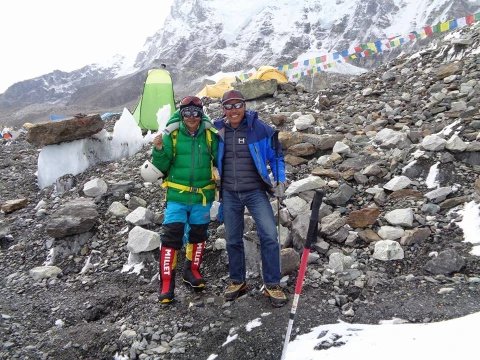
Yale Peak is one of the best and least technical climbing destinations in the Langtang Valley of Nepal. It stands at an elevation of 5,550 meters and is located in the central region of the Langtang trekking area in the Nepal Himalayas. Climbing Yale Peak does not require any mountaineering experience; anyone with basic trekking experience can attempt it. The trek from Kyanjin Gompa to Yale Peak and back to Kyanjin Gompa takes just three days.Yala Peak is located just north of Kathmandu, in the beautiful and natural Langtang Valley. It serves as a border between Nepal and Tibet.During the Yala Peak climbing expedition, you will enjoy stunning views of Langtang Valley along with the breathtaking Himalayan scenery. Additionally, you will have the opportunity to glimpse parts of the Tibetan region. Yala Peak is considered one of the easier and more accessible peaks in Langtang National Park, Nepal.Langtang Meaning: The Langtang Valley trek is one of the most popular treks in the Langtang region. It is known for its pristine, high-elevation meadows filled with wild sheep, rich Tibetan-like culture, and stunning mountain views. The name “Langtang” is derived from the Tibetan words “lang,” which means “ox,” and “tang,” meaning “to follow.”Regarding our program, we will provide pick-up and drop-off services at the international airport until the end of our service. This includes accommodation, transportation, trekking permits, meals, guides, porters, a special climbing permit, and additional trips. We can also organize sightseeing and other activities around Kathmandu, tailored to your schedule and preferences throughout Nepal.The package will be tailored to your requirements. Feel free to contact us anytime for more ideas and advice regarding your plans. You can reach us via email, phone, or WhatsApp—whichever is easiest for you. We are always happy to help you with your best adventure climbing in the Himalayas, including Yala Peak, in all parts of Nepal!


 (18)
(18)  100% recommend (0)
 (0)
(0) 


